REVIEW · CAN THO
From Ho Chi Minh: Mekong &Cai Rang Floating Market 1 day
Book on GetYourGuide →Operated by Ha Henry company · Bookable on GetYourGuide
Floating markets move, not just impress. This Mekong Delta day strings together the famous Cai Rang Floating Market, a hands-on Hu Tieu noodle workshop, and a Cai Be cooking class, all in one smooth package. You also get a light breakfast en route and time to see rural life up close by bike and boat.
I really like the variety here. You’re not stuck watching from the sidelines—you’ll ride a boat on the river, learn how noodles are made, and cook your own lunch. It’s a practical way to understand the Delta beyond photos.
One thing to consider: it’s a full day with multiple transfers. If you hate long road time, or you need lots of downtime, this route may feel like a lot.
In This Review
- Key things I’d zero in on
- A One-Day Mekong Delta Route That Actually Works
- Saigon Pickup and the Rice-Field Drive to Can Tho
- Cai Rang Floating Market by Private Boat: What You’ll Really See
- Hu Tieu Workshop and the Noodle Logic Behind the Bowl
- Cai Be Cooking Class: Turning Ingredients Into Lunch You Can Name
- Biking Village Roads, Craft Workshops, and Mangrove Quiet
- Bel, the Driver, and Why Explanations Change the Whole Day
- Price and What $98 Gets You in the Mekong Delta
- Should You Book This Mekong & Cai Rang Floating Market Day Trip?
- FAQ
- What does the tour include for meals?
- Is an English-speaking guide included?
- Where are pick-up and drop-off located?
- Which activities are part of the day?
- Do you visit both Can Tho and Cai Be?
- Are there extra costs besides the $98 price?
- Can I cancel and get a full refund?
Key things I’d zero in on
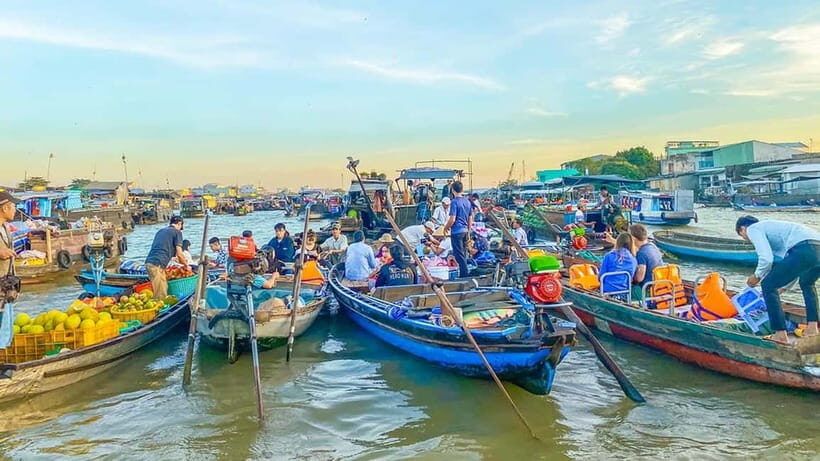
- Cai Rang Floating Market by private boat: see the market work from the water level, where most of the action is.
- Hu Tieu noodle workshop: you get the local method, not just the finished bowl.
- Cooking class in Cai Be: you prepare ingredients, cook lunch, then eat what you made.
- Bike rides through car-free village roads: tropical fruits and bonsai gardens make the scenery personal.
- Mossy calm on the mangrove palm canal: rowing through the waterways shifts the mood from busy to peaceful.
A One-Day Mekong Delta Route That Actually Works
This is the kind of day trip that makes sense when you only have limited time in Ho Chi Minh City. You’re doing more than “see one place, take a few pictures.” The route covers commerce (floating market), food craft (Hu Tieu), and everyday rural life (cooking, biking, and a mangrove canal boat ride).
The value is in the mix. Markets can be overwhelming if you don’t know what to look for, and cooking classes are more fun when they connect to what you’re seeing on the water and in local workshops. Here, the day has a rhythm: ride to the Delta, watch how people trade, learn how food gets made, then slow down on the waterways.
Also, the tour is designed to be understandable on the ground. You’re not left guessing where you are or what’s happening. With an English-speaking guide (Bel is mentioned in one review as especially attentive), the explanations are part of the experience, not an afterthought.
Other Cai Rang floating market tours we've reviewed
Saigon Pickup and the Rice-Field Drive to Can Tho
You start with pick-up and drop-off in the center of Saigon, which matters because it avoids the time sink of long-distance hotel transfers. Then you head toward the Mekong Delta by vehicle, with a light breakfast along the way in the private car.
As the day begins, you’ll notice the landscape shifting into endless paddy rice fields—green or yellow depending on timing. It’s a simple visual cue, but it helps you understand what the Delta is built on: farming output that ultimately feeds into markets like Cai Rang.
This drive segment is also where you get your bearings fast. You’ll have food in your stomach before the boat portion, and you’ll be warmed up for the sensory overload that comes with a floating market. It’s a small detail, but it makes the rest of the day feel less chaotic.
Cai Rang Floating Market by Private Boat: What You’ll Really See
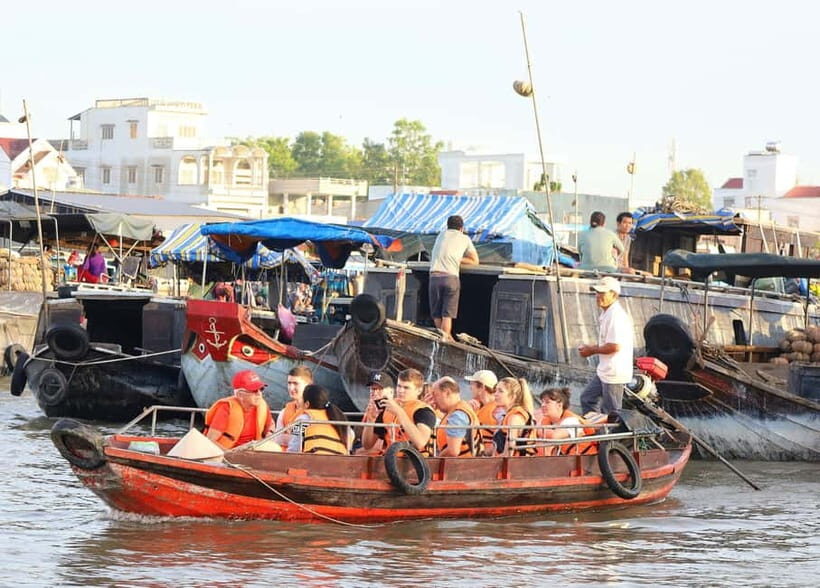
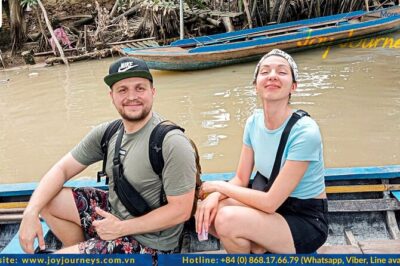
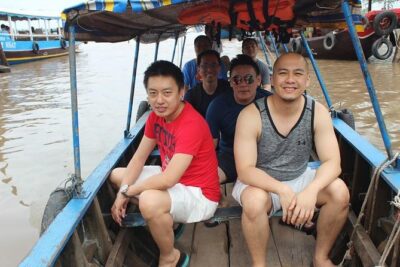
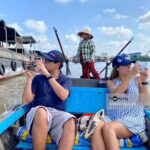
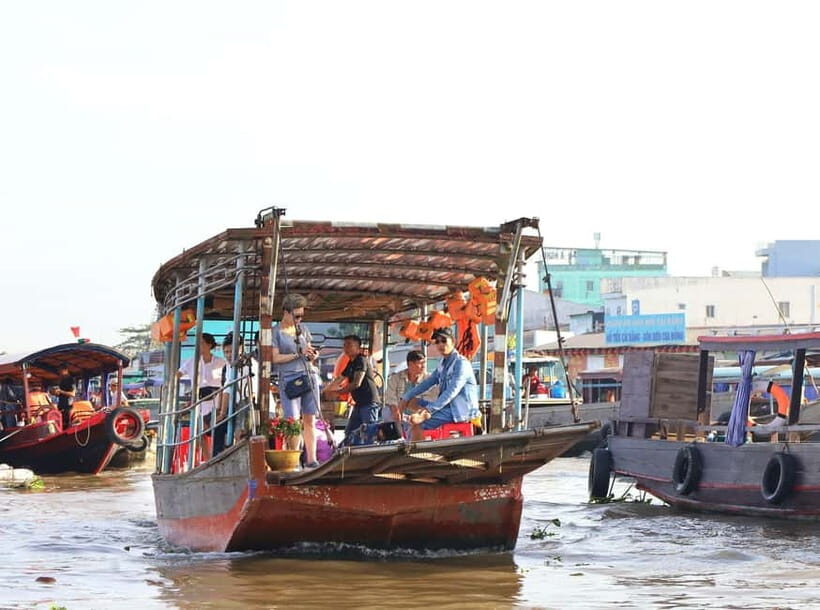
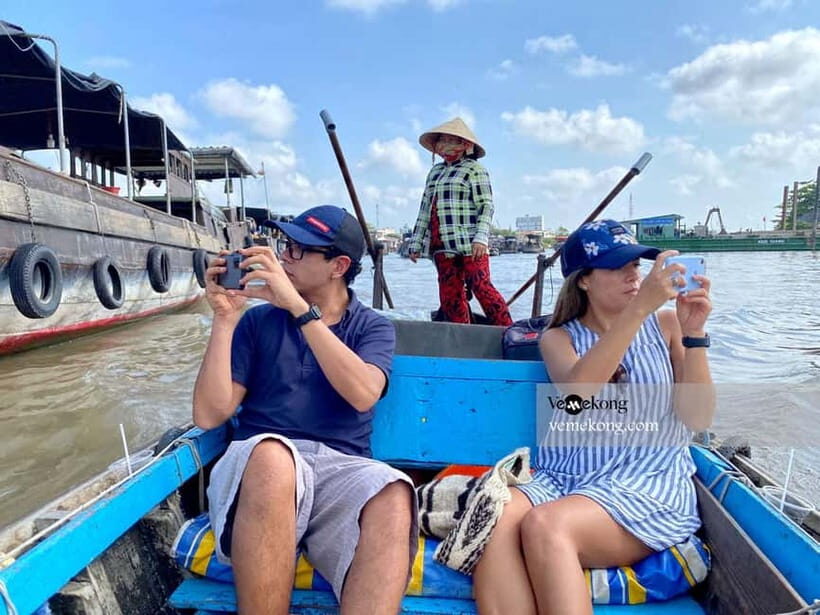
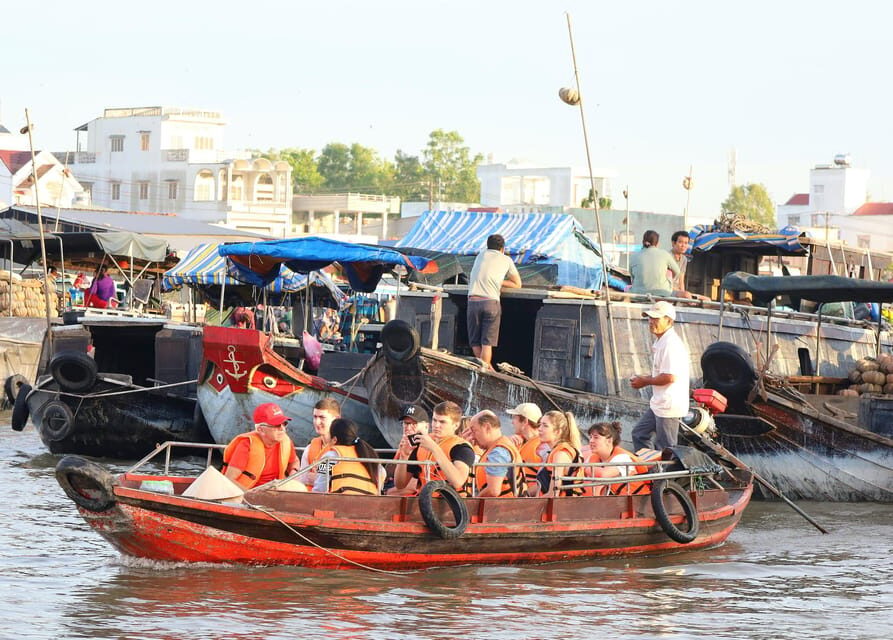
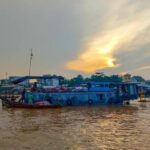
Cai Rang Floating Market in Can Tho is one of the best-known stops in the Mekong Delta, and the way you visit is key. Instead of walking around a dock and peeking at boats from afar, you go by private boat. That’s a big difference. You’re at water level, close enough to see how the stalls and boats operate.
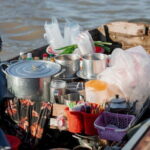
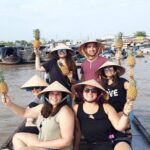
You’ll see a lot of boats clustering in the market area, with both big carriers and small sampans. The larger boats tend to bring farm products and specialties like vegetables, grapefruit, coconut, banana, watermelon, dragon fruit, and rambutan. Smaller boats skew more toward breakfast-style items such as noodles, coffee, and light snacks.
What I’d watch for is the contrast in purpose. When you’re used to markets on land, you expect everything to be neatly arranged. Here, the market is moving and layered at the same time—people selling food while larger boats handle supply. It makes the market feel lively in a way that’s hard to replicate from the shore.
You’ll also get time to absorb the scene without rushing. Floating markets are at their most meaningful when you pause long enough to notice patterns—what’s being traded, who’s arriving, and how breakfast fits into the market economy.
Hu Tieu Workshop and the Noodle Logic Behind the Bowl
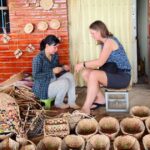
After Cai Rang, the tour shifts from spectacle to skill. You visit traditional workshops and learn how locals make Hu Tieu noodles. This is one of those experiences that sounds simple, but it changes what you’ll taste later.
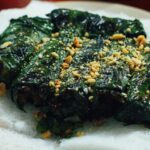
The method matters because Hu Tieu isn’t just noodles in a bowl. It’s a whole system—prepping, cooking, and balancing components so the broth and noodles work together. You’re seeing the “how” behind the meal, which turns the dish from generic to specific.
There’s also a fun bit of credibility in the story you’ll hear on the day: chef Gordon Ramsay once praised the Cai Rang Hu Tieu broth as one of the best he had ever tasted. Even if you’re not chasing celebrity-food trivia, it’s a useful reminder that this is not a random dish—it’s a signature of the region’s taste culture.
This workshop stop is especially worth it if you like food travel for reasons beyond eating. If you want to understand technique and local routines, the Hu Tieu experience gives you that.
Cai Be Cooking Class: Turning Ingredients Into Lunch You Can Name
Next you head toward Cai Be in Tien Giang Province for a cooking class. The best part of this segment is that you’re not only watching. You join the class and learn how locals prepare ingredients for a traditional meal—then you eat the lunch you cooked.
That structure is what makes cooking classes worth paying for. Otherwise, it’s a cooking show. Here, you do the work and learn the steps. You’ll also get tropical fruits, which is a nice bridge between cooking and the surrounding orchard life.
After lunch, you relax on comfortable hammocks under the shadow of tropical fruit trees. That break is more than comfort. It helps you reset after an active morning and before any biking or additional river time. Your brain has space to process what you just learned: how ingredients you handled connect to flavors you can recognize.
If you’re worried the class will feel too formal, don’t. The tone is practical—learning the basics of local preparation while you’re in the place where it makes sense. And because you’ve already seen the floating market earlier, the day’s food theme starts to feel coherent.
Other Mekong floating market tours we've reviewed

Biking Village Roads, Craft Workshops, and Mangrove Quiet
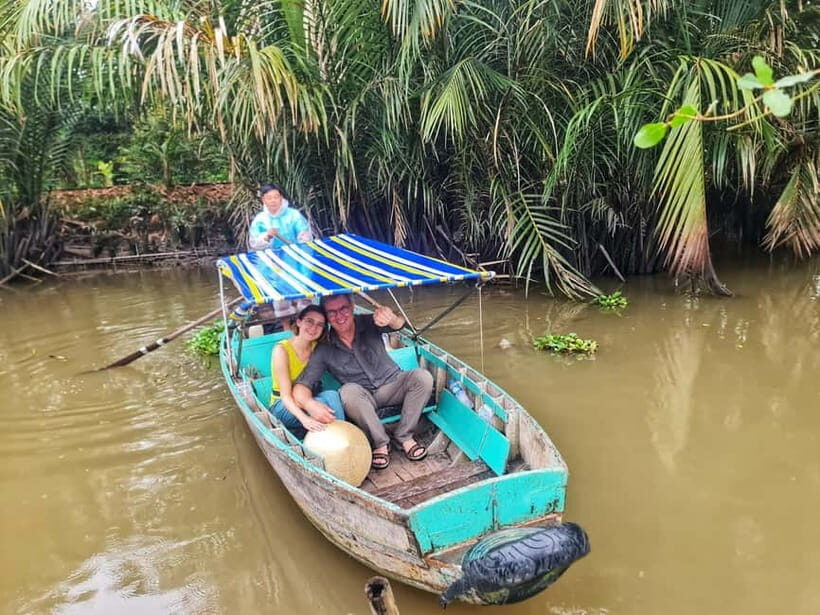
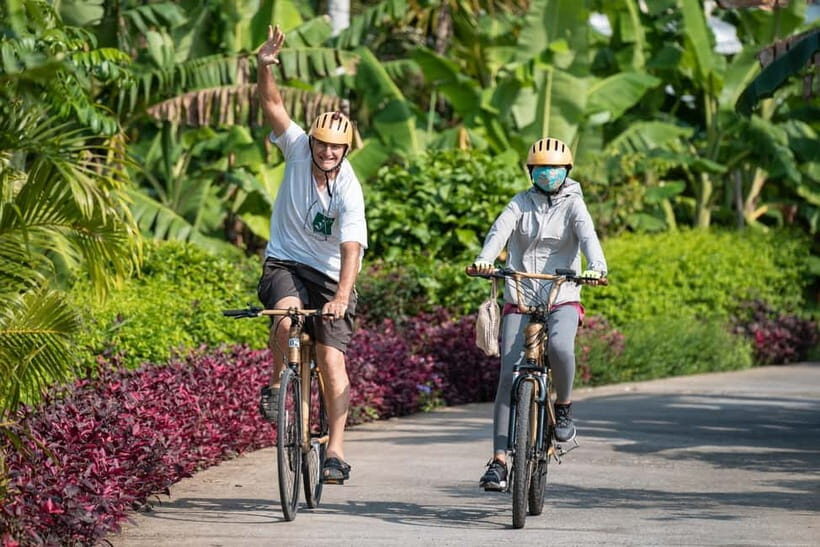
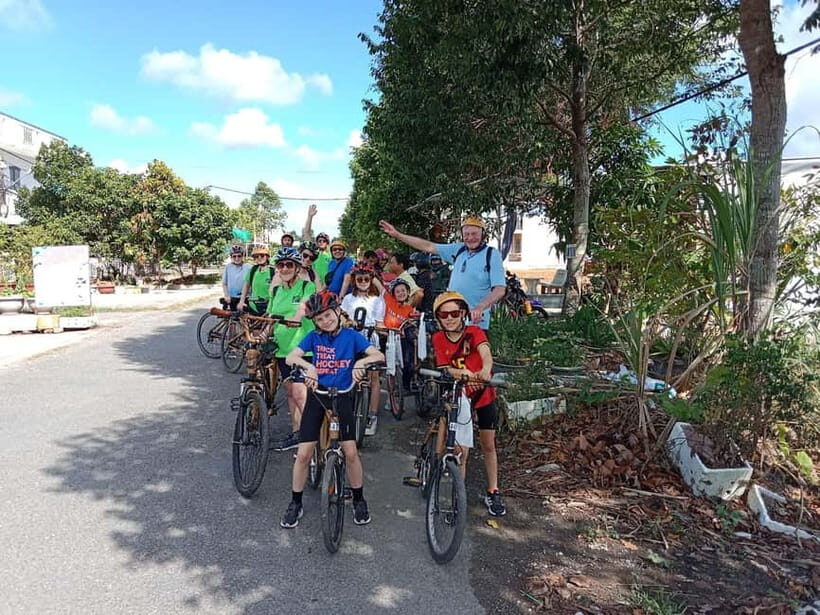
Once you’ve had your fill of cooking and eating, the tour brings you back outdoors. You bike through car-free village roads with tropical fruits and bonsai gardens on both sides. It’s not about athletic effort; it’s about moving at a human pace and noticing details you’d miss in a car.
Car-free roads mean you can actually look around. You’ll see the kind of small-scale landscaping that reflects how locals shape their environment—fruit growth side by side with bonsai gardens. Even if you’ve seen photos of the Delta before, this feels more grounded and personal because you’re passing through the spaces where daily life happens.
You’ll also visit handicraft workshops nearby, which adds context. When you watch people make things, you start to understand why certain markets and canals matter. Craft production depends on community skills and materials, and it’s another layer of the Mekong economy beyond farming.
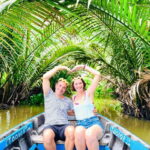
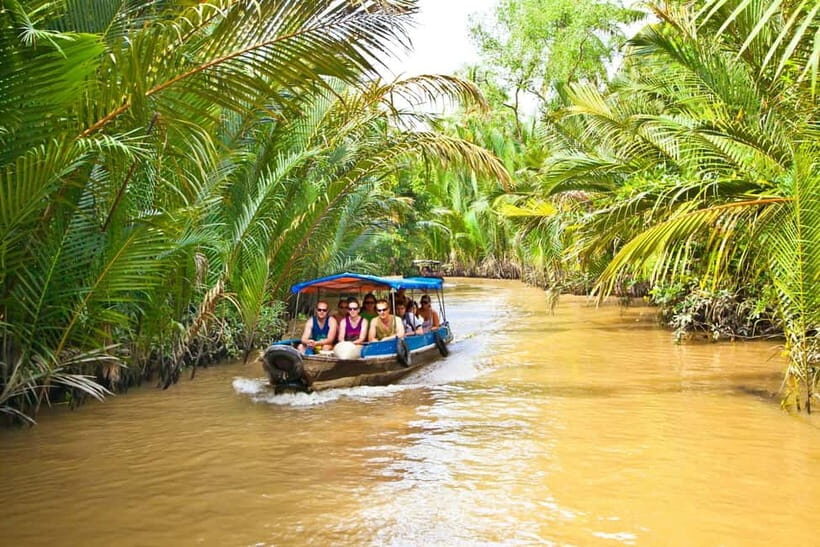
Then the mood shifts again for the mangrove part. You relax on a rowing boat and go through the mangrove palm canal. This is where the day turns quieter and slower, and where the Delta’s waterways feel different than the bustling floating market earlier.
South Vietnam folk music plays during this calm stretch, adding to the sense of being carried along rather than rushing to the next stop. It’s peaceful in the way that only water and shade can be.
Bel, the Driver, and Why Explanations Change the Whole Day
One of the standout elements from the experience is the guide. Bel is mentioned as especially strong—attentive, with a lot of explanations not just about what you’re seeing, but about Vietnam in general.
That matters because Mekong Delta tourism can become a checklist if the guide doesn’t connect the dots. In this case, the guidance includes context on Vietnam’s history, culture, religions, and economy, with anecdotes mixed into the walk-through. That turns random sights into a story you can remember.
The driver is also described as part of what made the day feel smooth. Good driving reduces stress, and when you’re in a full-day itinerary with multiple segments, calm logistics are not a small detail.
If you care about understanding a place, not only photographing it, this kind of interpretation is a big reason to choose this tour.
Price and What $98 Gets You in the Mekong Delta
At $98 per person, this day trip is priced like a full-service cultural-and-food itinerary, not a bare-bones bus ride. And the inclusion list helps justify it.
You get pick-up and drop-off in the center of Saigon, an English-speaking guide, entrance fees, transportation, and meals—breakfast and lunch. You also get bottle drink or local tea, plus tropical fruits during the day. In other words, you’re covering most of the “hard to manage” parts of a day trip for one price.
That value gets stronger if you’re thinking about doing the route independently. You’d still need transport, guided interpretation, and a way to reach floating market areas and Cai Be activities efficiently. The tour handles the connections so you spend more time on the experiences themselves.
Possible extra costs to keep in mind: there can be surcharges if you want a guide in a different language, and there’s also a holiday surcharge mentioned (30% of total price). If you’re booking during peak seasons or holidays, ask first so your budget stays predictable.
Should You Book This Mekong & Cai Rang Floating Market Day Trip?
Book it if you want a single-day Mekong Delta overview that’s food-forward and hands-on. You’re likely to enjoy it if you like markets, don’t mind a busy day with multiple stops, and value learning how dishes are made—not just tasting them.
I’d lean away from this tour if you want total freedom to wander slowly, or if you prefer fewer transitions and more time in one place. This is a packed route, mixing boat rides, workshops, cooking, biking, and a final mangrove canal segment.
If you’re a first-time visitor to the Delta, or you’re trying to fit the essentials into one day from Ho Chi Minh City, this is a solid option. You’ll leave with a clearer picture of how people trade, cook, and live along the waterways—plus lunch you can actually connect to a story.
FAQ
What does the tour include for meals?
You’ll have a light breakfast during the drive to the Mekong Delta, and lunch at the Cai Be cooking class (the lunch you cook). The tour also includes tropical fruits and bottle drink or local tea.
Is an English-speaking guide included?
Yes. An English-speaking guide is included, and there may be a surcharge for other languages.
Where are pick-up and drop-off located?
Pick-up and drop-off are provided in the center of Saigon.
Which activities are part of the day?
The day includes the Cai Rang Floating Market (by private boat), traditional workshops to learn how locals make Hu Tieu noodles, a cooking class in Cai Be with lunch, biking through village roads, handicraft workshops, and a rowing boat ride through the mangrove palm canal.
Do you visit both Can Tho and Cai Be?
Yes. You arrive at Cai Rang Floating Market in Can Tho, then you head to Cai Be in Tien Giang Province for the cooking class and related activities.
Are there extra costs besides the $98 price?
There can be surcharges for a guide in a language other than English, and there is also a holiday surcharge mentioned (30% of the total price). Optional drink costs may apply beyond what’s included.
Can I cancel and get a full refund?
Yes. You can cancel up to 24 hours in advance for a full refund.