REVIEW · CAN THO
‘Cai Rang’ Floating Market 2-Day Tour With Biking & Boating
Book on GetYourGuide →Operated by Joy_Journeys · Bookable on GetYourGuide
Cai Rang at sunrise feels like time travel. This Cai Rang Floating Market trip turns the Mekong Delta into something you can see, hear, and taste, not just picture. I especially like the early-morning market time and the overnight stay at Bamboo Eco Village Resort or Mekong Silt Ecolodge right by the river. One heads-up: you’re in a van for a while getting out to the Delta, so it’s not a quick day-trip.
What makes this tour work well for me is the hands-on mix: small-group pacing (max 10), an English-speaking guide on hand, and multiple boat segments where you get real views of everyday river life. Guides like Clara, Huy, Kero, Tom, Tri, and Safa show up in the stories I’ve heard, and the best part is how they explain what you’re seeing instead of just moving you along.
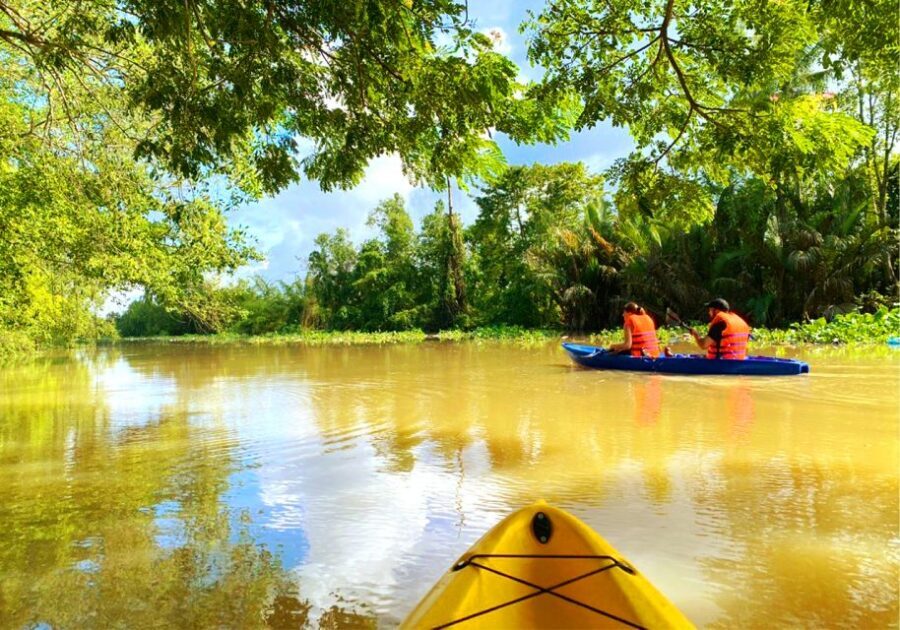
There’s also one practical “pick your comfort” point. Kayaking can be less fun if the water looks murky or weather turns rainy, and you might prefer sticking closer to the boats. Still, the core experience stays strong either way: the river, the market, and the food.
In This Review
- Key Things I’d Put On Your Radar
- Cai Rang Floating Market: Why It Feels Different at First Light
- Day 1 on the Mekong: Cái Bè, Vĩnh Long, and a Can Tho Evening
- The Cái Bè segment: small village life and Tan Phong Island
- Vĩnh Long: lunch and another round of river cruising
- Can Tho at night: dinner and real free time
- Day 2 at Cai Rang: Sunrise, Boats, Biking, and That Trading Motion
- The floating market morning: up close, not behind glass
- Rowing-boat ride and the Tien River crossing
- Kayaking and biking: pick what fits your day
- The River-Eco Overnight: Bamboo Eco Village vs. Mekong Silt Ecolodge
- Food on the Delta: Factories, Snacks, and Bánh Xèo Cooking
- Watching how Delta products get made
- The bánh xèo cooking class: your hands, not just your eyes
- It’s Not Just Scenery: Guides, Small Groups, and Real Explanations
- Price and Logistics: What $188 Covers (and What to Plan For)
- Who Should Book This Tour—and Who Might Not Enjoy It
- Should You Book This Cai Rang Floating Market 2-Day Tour?
- FAQ
- How long is the Cai Rang Floating Market 2-day tour?
- How much does the tour cost?
- Is the tour guided in English?
- Where are the pickup and drop-off locations?
- What meals are included?
- What kind of overnight stay is included?
- Is kayaking included?
- What is the cancellation policy?
Key Things I’d Put On Your Radar
- Cai Rang sunrise with a separate entrance so you get to the action early and in rhythm
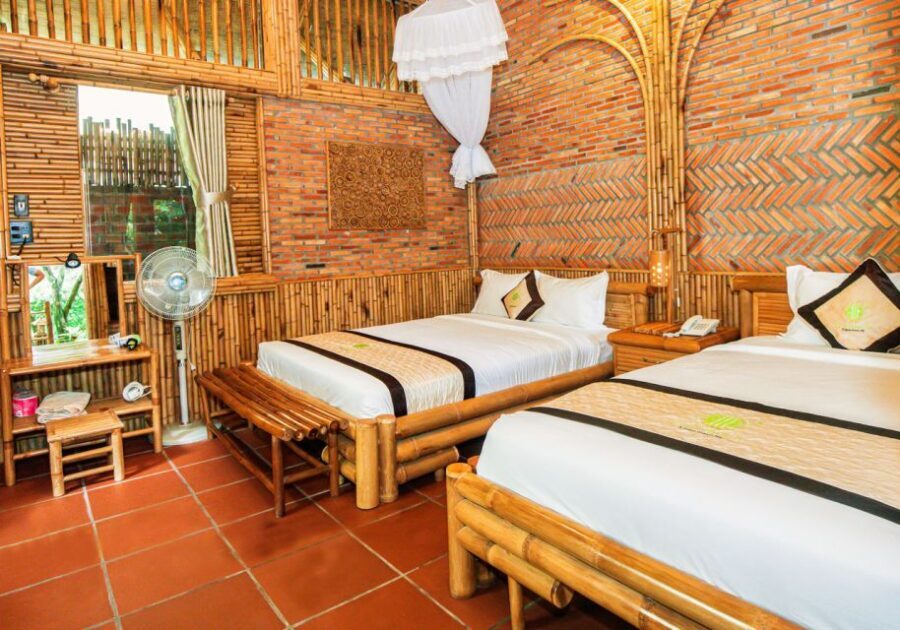
- A one-night eco-stay by the Mekong at Bamboo Eco Village or Mekong Silt Ecolodge, with downtime built in
- Cái Bè + Tan Phong Island daily-life visit instead of only postcard stops
- Rowing-boat time and a 30-minute crossing of the Tien River border for a more grounded feel
- Short bike rides to break up long stretches on the water without turning it into a fitness test
- Small-group format (max 10 travelers) means you can ask questions and actually keep track of what’s next
Cai Rang Floating Market: Why It Feels Different at First Light
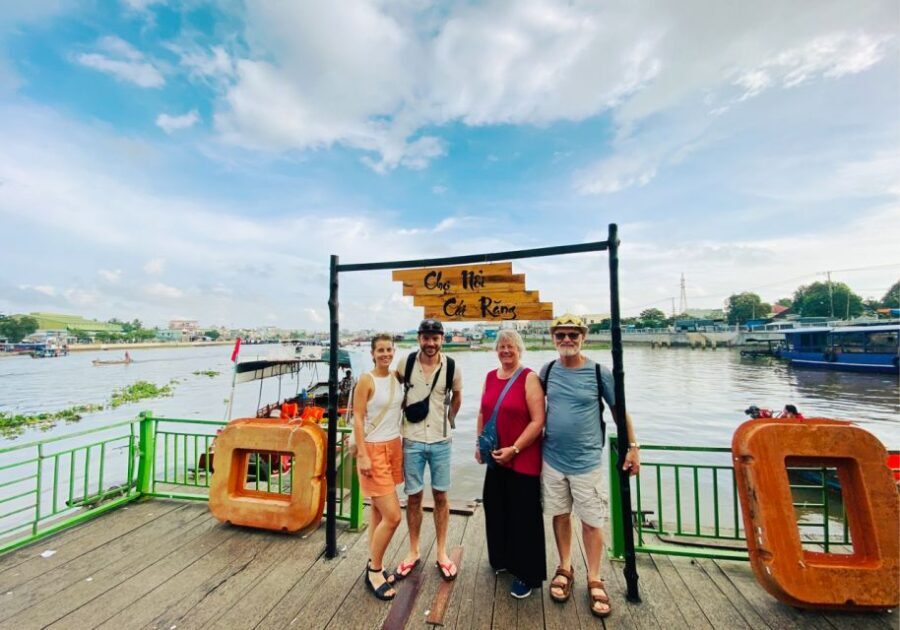
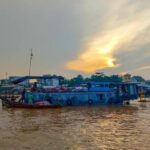
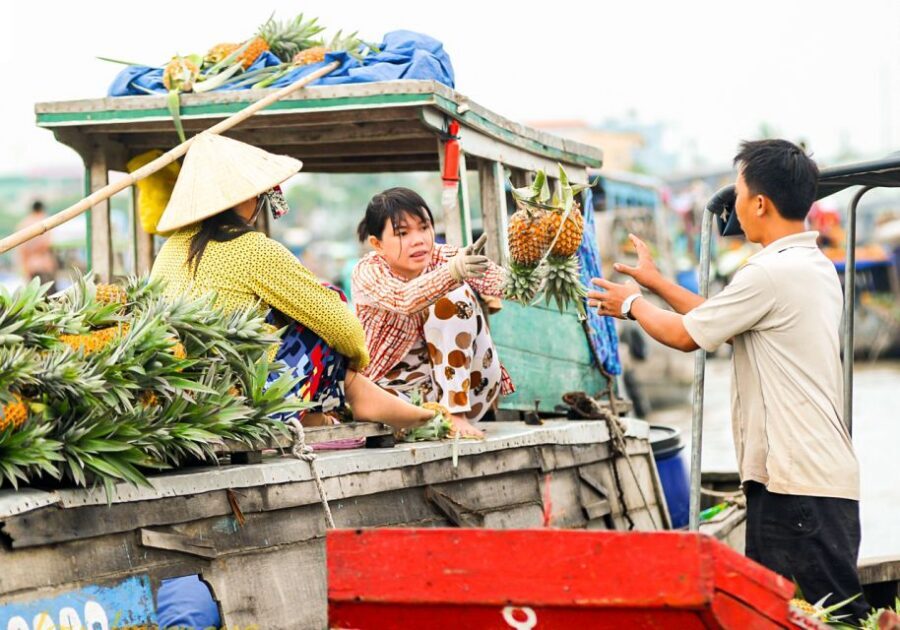
Cai Rang Floating Market is the big one in the Mekong Delta, and the tour treats it like a morning ritual, not an arrival checklist. You go early enough that the river still feels calm, then the energy ramps up fast as boats drift in and vendors get to work.
I like that you don’t just watch from a distance. You’re on the water, close enough to read the everyday logic of the market—what moves, how goods are offered, and how people negotiate with practiced speed. The tour also uses a separate entrance, so you’re not stuck in a slow-moving crowd while the market is already running.
One detail worth knowing: in high tide conditions, reaching the boat areas can involve some paddling. That sounds minor, but it can change the feel from passive sightseeing to a more hands-on, “we’re part of this” moment. If you’re comfortable with a bit of movement early in the day, you’ll likely love the authenticity of it.
Other Cai Rang floating market tours we've reviewed
Day 1 on the Mekong: Cái Bè, Vĩnh Long, and a Can Tho Evening
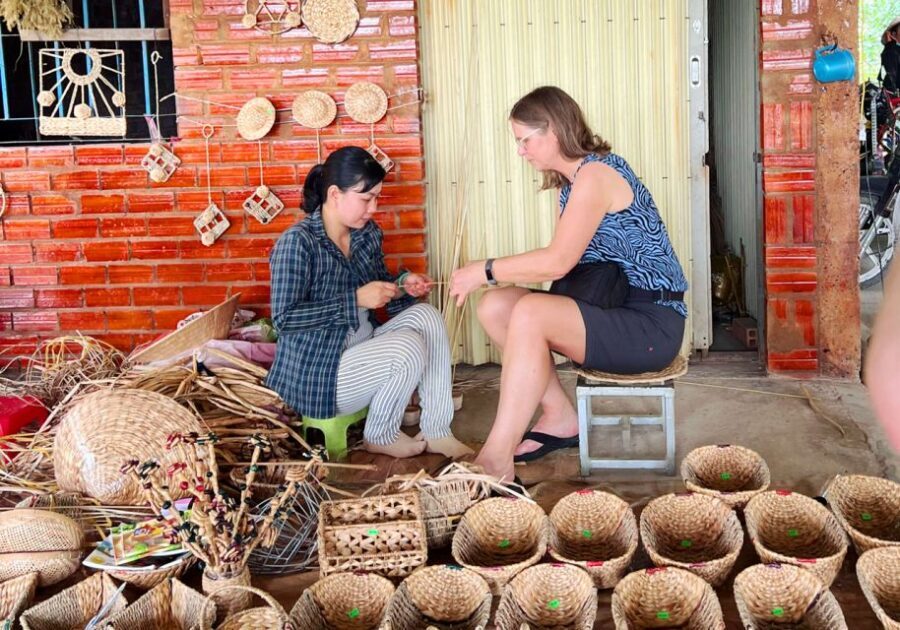
Day 1 is about setting your context before you hit the main floating market. The route starts with pickup from District 1 or District 4, and if you’re outside the pickup zone you’ll meet near Notre-Dame Cathedral Church. Then you’re on an air-conditioned van heading toward the river towns.
The Cái Bè segment: small village life and Tan Phong Island
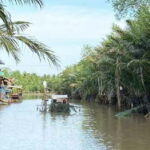
Your first major stop is in Cái Bè, where you get a guided visit and a boat cruise with scenic views on the way. This is where the tour typically shows you how people earn a living using the river, not just how the river looks.
A highlight here is the visit to Tan Phong Island—you’re there to see daily life on and around the water, in a way that feels less staged. Think of it as learning the Delta’s rhythms before you watch the market’s trades later.
Vĩnh Long: lunch and another round of river cruising
Next comes Vĩnh Long, built around food and more time on the water. You get lunch plus a boat cruise and sightseeing with scenic views again. The value here is that you’re not bouncing between viewpoints; you keep following the river’s logic, so the geography starts to make sense.
Practical note: this is also a day with a decent amount of road time. If you get motion-sick, bring something for it. The upside is you’ll spend Day 2 more active and river-focused.
Can Tho at night: dinner and real free time
By the time you reach Can Tho, you’ll have dinner and then a long stretch of free time (up to 8 hours). That’s useful because the next morning starts early. Use the evening to rest, do laundry if you need it, or just sit by the river and pretend you don’t have an alarm set for sunrise. (Then sleep anyway.)
Other Mekong floating market tours we've reviewed

Day 2 at Cai Rang: Sunrise, Boats, Biking, and That Trading Motion
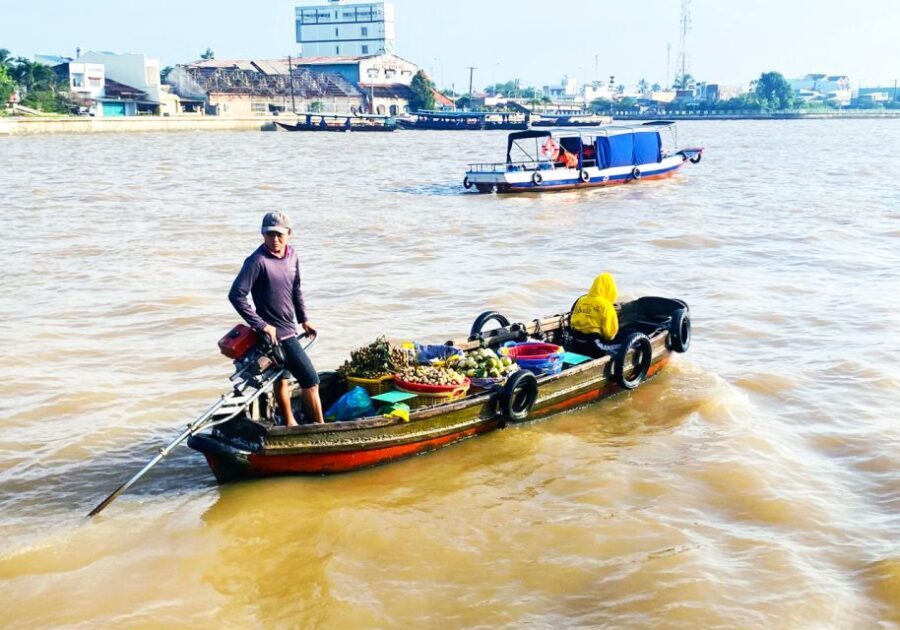
Day 2 is where the tour gets famous. You wake early and head out by boat toward Cai Rang Floating Market, aiming for that special sunrise atmosphere.
The floating market morning: up close, not behind glass
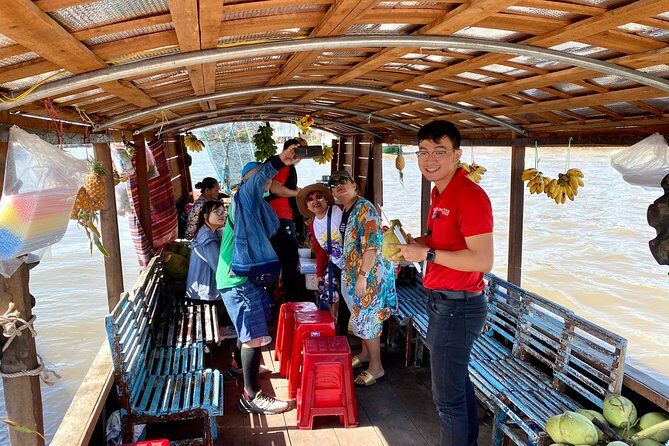
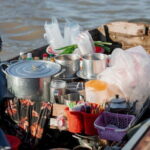
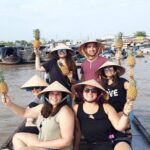
You’ll have a guided tour and boat time while the market is still forming. This is the part that most people care about. You see vendors moving goods, shoppers comparing options, and boats interacting like floating marketplaces do everywhere in Vietnam—practical, fast, and built for river life.
Because it’s a small group (max 10), the guide can keep the pace manageable and help you understand what you’re seeing. If you like asking questions, this tour is set up for that.
Rowing-boat ride and the Tien River crossing
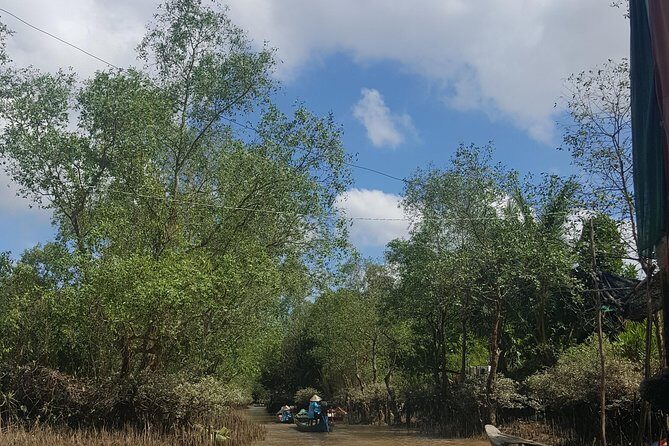
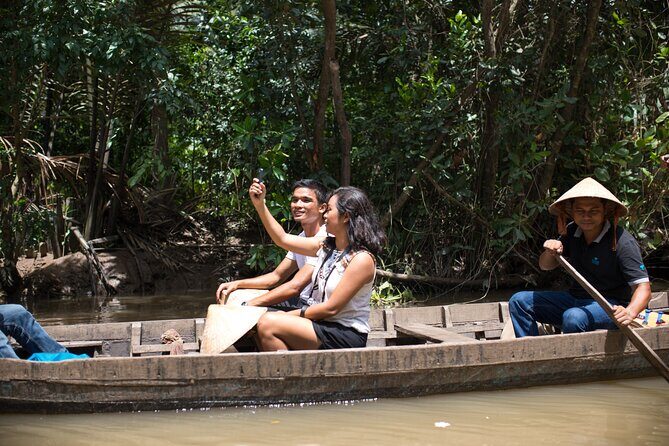
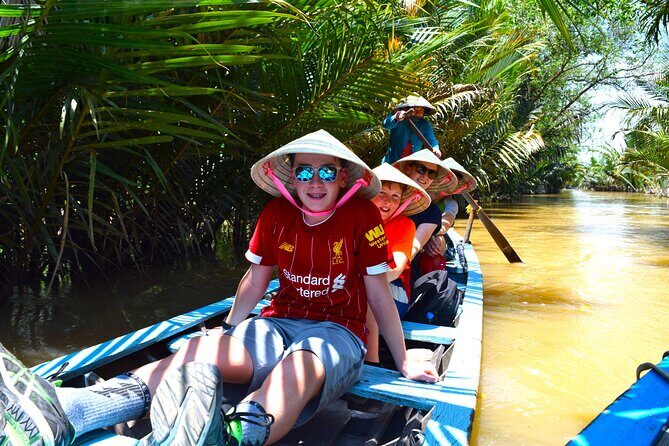
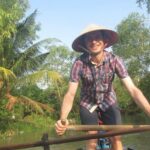
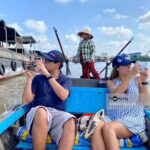
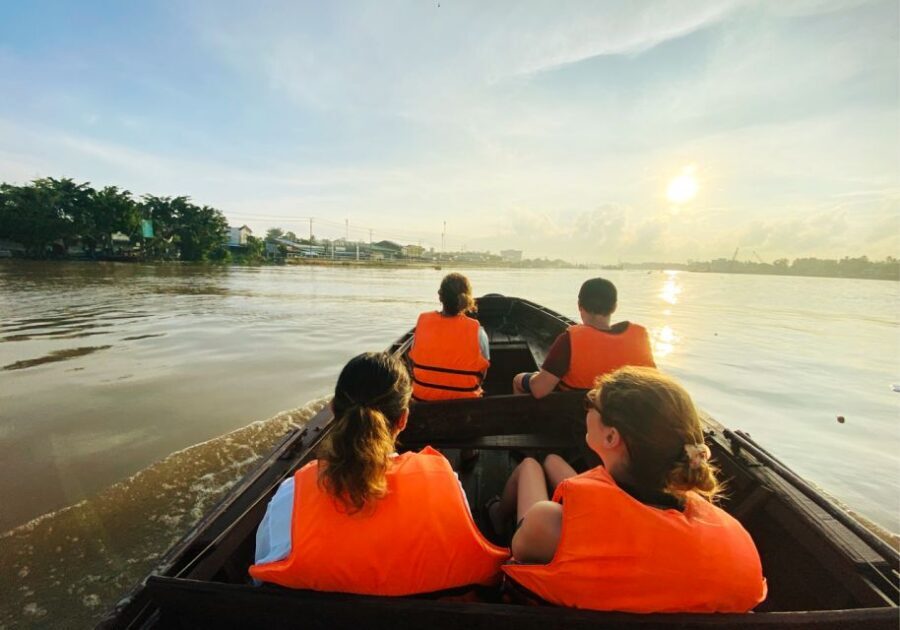
The experience also includes a rowing boat ride plus a 30-minute crossing of the Tien River border. I like this break because it shifts you from marketplace trading mode to travel mode. The river views during rowing feel slower and more human-scaled.
If the weather changes, keep an eye on comfort. This portion is easy to enjoy, but you’ll still be on open water.
Kayaking and biking: pick what fits your day
At Cai Rang, you’ll also have kayaking and a bike tour. Two things to plan for:
- If water is muddy or it’s raining, kayaking might not feel as fun as you hoped. That’s not a deal-breaker, since the rest of the morning still has plenty to do.
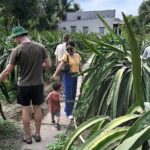
- The bike portion tends to be short, used more as a break than a long hard ride. You’ll get movement and perspective without needing to be an endurance cyclist.
If you’re traveling with mixed comfort levels, the small group setup helps because the guide can steer the timing and keep everyone aligned.
The River-Eco Overnight: Bamboo Eco Village vs. Mekong Silt Ecolodge
You spend one night at either Bamboo Eco Village Resort or Mekong Silt Ecolodge. Both are designed for a calmer, more local-feeling stay, and both are known for being close to the Mekong River.
I’d call this more than “where you sleep.” It’s your recovery base. Reviews consistently highlight things like pool time and good food, plus rooms that feel intentionally made rather than generic hotel boxes.
One reason I think this stop has strong value: it gives you time off the schedule. You can swim, relax by the river, or just reset before the long morning. That matters on multi-boat tours where the day can otherwise feel like constant motion.
If you’re the type who packs snacks and thinks you’ll be fine skipping breaks, this is the part that changes your mind. You get downtime built into the experience.
Food on the Delta: Factories, Snacks, and Bánh Xèo Cooking
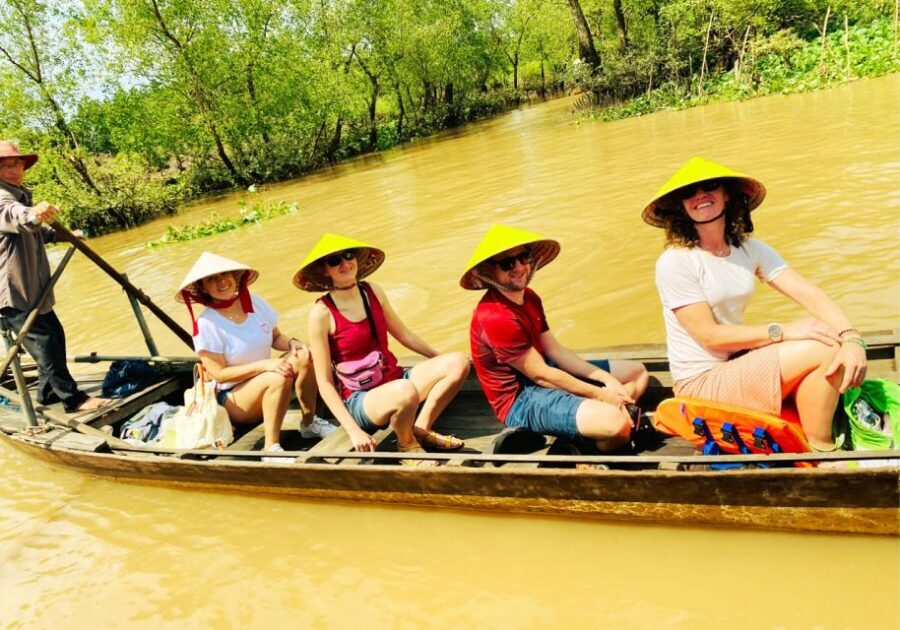
Food is a major thread on this tour. You get lunch twice, plus breakfast once and dinner once, and the itinerary includes hands-on elements and food-making stops.
Watching how Delta products get made
During the trip, you’ll visit local production areas where items like rice noodles, coconut sweets, and puffed rice are made. You also may see other food-related processes depending on timing and local flow.
Why this matters: in a place like the Mekong Delta, eating is linked to labor. Seeing the work behind the goods turns souvenirs into something with context.
You might also get a local music moment as part of the programming. If it feels like it starts mid-performance, just accept it as part of the live nature of village schedules.
The bánh xèo cooking class: your hands, not just your eyes
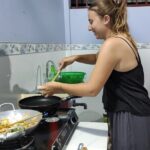
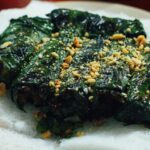
Back at the eco-lodge during the second day, you’ll take part in a bánh xèo cooking class. This is one of the best “take something home” activities because you aren’t only tasting; you’re building understanding through doing.
If you’re the type who wants a precise recipe card, don’t count on getting an exact copy. Instead, watch closely and take notes on your phone if you can. That way you can recreate it later without guessing.
It’s Not Just Scenery: Guides, Small Groups, and Real Explanations
A lot of river tours look similar on paper. What changes the experience here is the guide work and the group size.
This is a live English-guided tour, with a maximum of 10 travelers. That helps in two ways:
- You get more back-and-forth, which makes the market and village life easier to interpret.
- You spend less time waiting while someone else gets lost or confused.
From the guide names people mention—Clara, Huy, Kero, Tom, Tri, Safa, Ken—there’s a pattern: the guides tend to be energetic, good with questions, and focused on explaining how the Delta works for locals.
Also, guides wear a Joy Journeys t-shirt, so you’re not playing hide-and-seek if the group stretches out slightly around boats.
Price and Logistics: What $188 Covers (and What to Plan For)
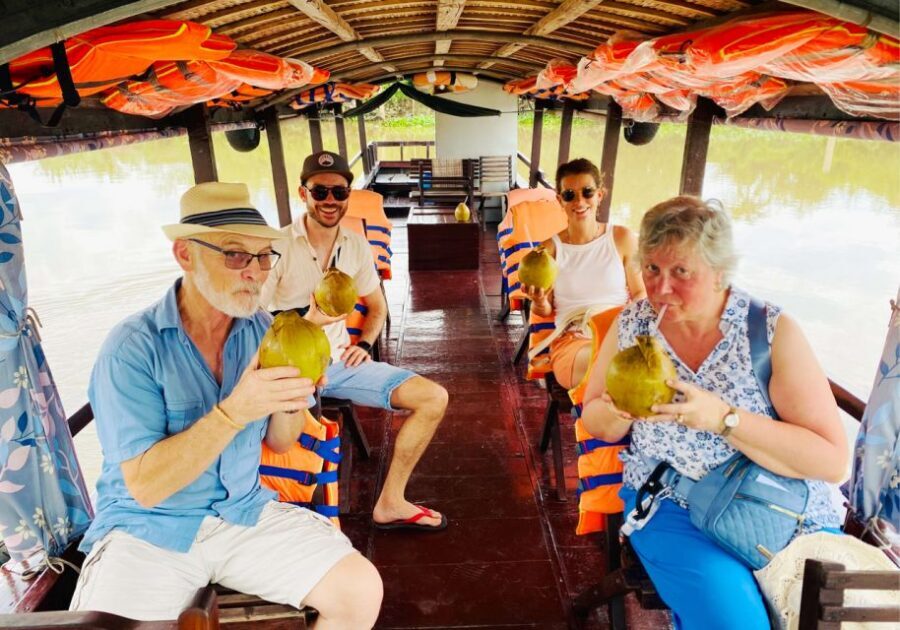
At $188 per person for two days, this tour costs more than a basic day cruise, but it’s built like a full program: transport, meals, boats, and an overnight eco-stay.
Here’s what you’re really paying for:
- Two long travel days on the water (boats included)
- Four meals included in the schedule (lunch x2, breakfast x1, dinner x1)
- One night at Bamboo Eco Village Resort or Mekong Silt Ecolodge (shared double or twin rooms)
- English guide and guided stops at Cái Bè/Cai Rang plus other Delta activities
- Skip-the-line style access at the market via a separate entrance
Solo travelers should note: there’s an extra charge of 500,000 VND for a single room.
Logistically, the key planning point is the early start on Day 2 and the “good weather” requirement. If conditions are poor, the tour can be canceled and rescheduled or refunded. If you’re booking near a rainy window, be flexible.
Who Should Book This Tour—and Who Might Not Enjoy It
This is a great fit if you want:
- A hands-on floating market morning at Cai Rang, with boats and time to understand what you’re seeing
- Bike time that’s more about perspective than athletic suffering
- Food experiences that go beyond tasting into cooking
- A small-group vibe (max 10) that feels easier to manage on a river
You might not love it if:
- You hate early mornings. The sunrise start isn’t optional in spirit.
- You get uncomfortable with long van transfers.
- You strongly dislike any chance of kayaking discomfort in murky or rainy conditions.
Also, the tour notes it’s not suitable for people over 95 years.
Should You Book This Cai Rang Floating Market 2-Day Tour?
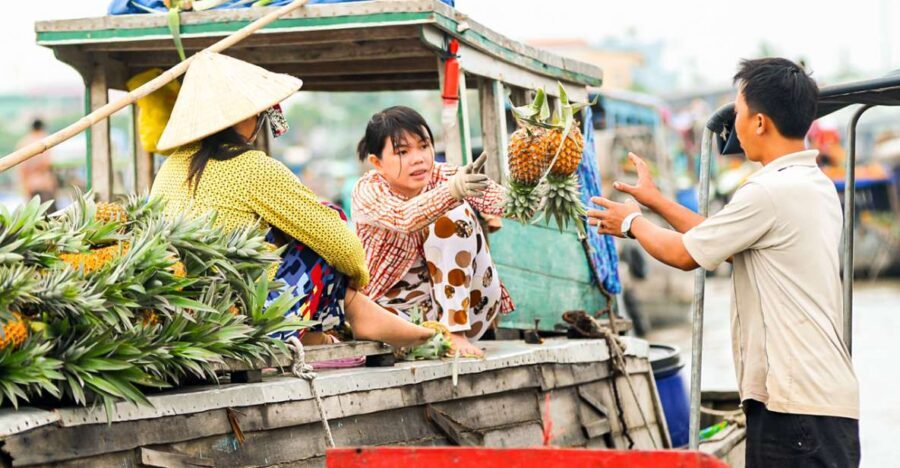
If your main goal is to see Cai Rang Floating Market in a way that feels real—not a rushed photo stop—this tour is one of the better ways to do it. The combination of sunrise timing, small-group pacing, boats plus biking, and an eco-lodge overnight by the river adds up to a full Delta experience.
My “green light” advice: book if you’re happy with a structured 2-day plan and you want culture and food tied to the river. My “think twice” advice: skip if you want a super relaxed, minimal-travel day or if kayaking in uncertain water conditions would stress you out.
If you do book, pack the basics: comfortable shoes, a hat, a change of clothes, and a daypack. And on Day 2, give yourself permission to enjoy the early morning before you start chasing photos. That’s where the magic is.
FAQ
How long is the Cai Rang Floating Market 2-day tour?
The tour duration is 2 days.
How much does the tour cost?
The price is $188 per person.
Is the tour guided in English?
Yes, it includes a live tour guide in English.
Where are the pickup and drop-off locations?
Pickup and drop-off are available for District 1 and District 4. If you are not staying in the pickup zone, you will see the team at Notre-Dame Cathedral Church.
What meals are included?
Lunch is included twice, breakfast once, and dinner once.
What kind of overnight stay is included?
You’ll have one night at Bamboo Eco Village Resort or Mekong Silt Ecolodge in a shared double or twin room. Solo travelers pay an extra 500,000 VND for a single room.
Is kayaking included?
Kayaking is part of the activities at Cai Rang Floating Market.
What is the cancellation policy?
Free cancellation is available up to 24 hours in advance for a full refund.