REVIEW · CAN THO
Can Tho Motorbike Tour – Rhythms of the Mekong Delta
Book on Viator →Operated by Mekong Smile Tour · Bookable on Viator
Motorbike rides in Can Tho can feel personal. This one mixes traditional morning coffee with a route that moves beyond the main roads, so you get a close look at daily life in the Mekong Delta. I love the way it builds in quick cultural stops, not just driving time.
My favorite part is the human layer: the local English guide keeps the conversation going about religions, the war, and nature, and the day feels safe and well-paced. In one recent ride, the guide Pi and driver Minh explained what you were seeing while you listened, not just passively watched.
One consideration: you’ll be on a motorbike for much of the day, and two specific site admissions (the Khmer pagoda and the Giàn Gừa relic) are not included.
In This Review
- Key highlights worth knowing
- Riding the Mekong Delta rhythms from Can Tho
- Where the day starts: Ninh Kiều Wharf coffee first
- Bao Tang Quân Khu 9: war museum context, not just old equipment
- Rice noodles and hu tieu: watching a workshop take shape
- Munir Ansay Khmer Buddhist Temple: spirituality and local life
- Giàn Gừa heritage tree: a quieter kind of stop
- Can Tho fruit garden: taste, options, and a little adventure
- The food story beyond the stops: coffee, chocolate, and bánh xèo
- Safety and comfort on the motorbike day
- How much time you’ll spend on the road vs. at stops
- Price and what you’re actually paying for (about $56.52)
- Who this tour fits best
- Should you book the Can Tho Motorbike Tour?
- FAQ
- How long is the Can Tho Motorbike Tour?
- What is the price per person?
- Is hotel pickup included?
- Where does the tour start?
- What’s included in the tour price?
- Are all entrance fees included?
- Does the tour use a mobile ticket?
- What should I budget for that is not included?
- What’s the maximum group size?
- What is the cancellation policy?
Key highlights worth knowing
- Traditional coffee early on, served in a very local style before you start moving
- One rider per motorbike, with an English guide and a dedicated driver for your group
- War relics + spirituality stops that explain context, not just sights
- Rice noodle-making observation focused on how hu tieu noodles come together
- Giàn Gừa heritage tree and fruit garden time, with optional fun like a monkey bridge
Riding the Mekong Delta rhythms from Can Tho
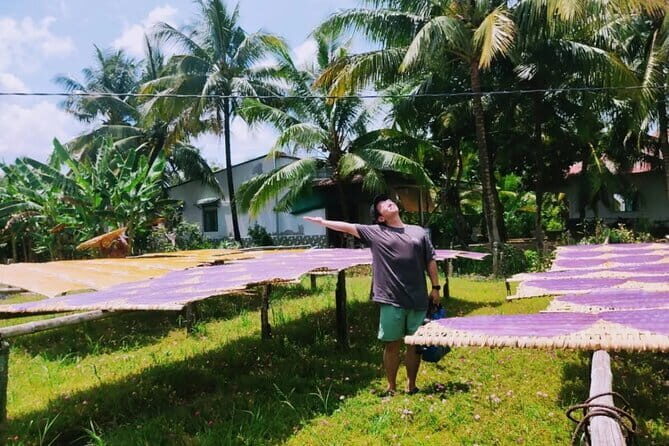
This Can Tho motorbike tour is built around one simple idea: you’ll understand the Mekong Delta faster when you move like a local. For about six hours, you’ll hop between small stops where the story behind what you see matters as much as the view.
The tour runs in a small group, capped at 10 travelers, which usually means you’re not lost in a crowd. You also get travel insurance included, plus the tour provides coffee and fruit and covers entrance fees for most stops.
What you should expect is a “small itinerary, big variety” day. You’ll do war history, Khmer pagoda spirituality, food and noodle workshops, and an old heritage tree stop, then wind down in a fruit garden.
Other Can Tho tours we've reviewed
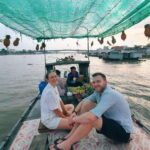


Where the day starts: Ninh Kiều Wharf coffee first
Your day begins at Ninh Kiều Wharf (address: 106 Đ. Hai Bà Trưng, Tân An, Ninh Kiều, Cần Thơ, Vietnam). Pickup is offered, and the tour ends back at the meeting point, which makes it easier to plan the rest of your day.
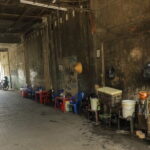
Before you ride far, you stop at a small local coffee shop that uses a traditional technique. People talk about this part because it sets the tone: no big show, just a simple ritual with time to notice how locals sit, sip, and chat. If you’re the type who likes to get your bearings fast, this start helps.
You’ll also hear terms like black elixir in the schedule. Even if you don’t love strong coffee, the point here is more than caffeine—it’s the first taste of Mekong Delta routine.
Bao Tang Quân Khu 9: war museum context, not just old equipment
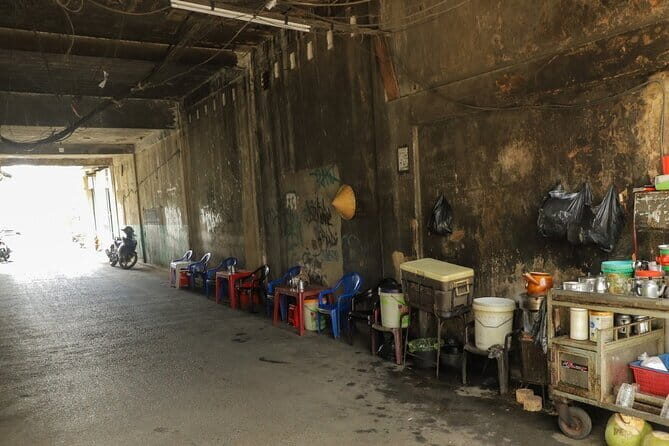
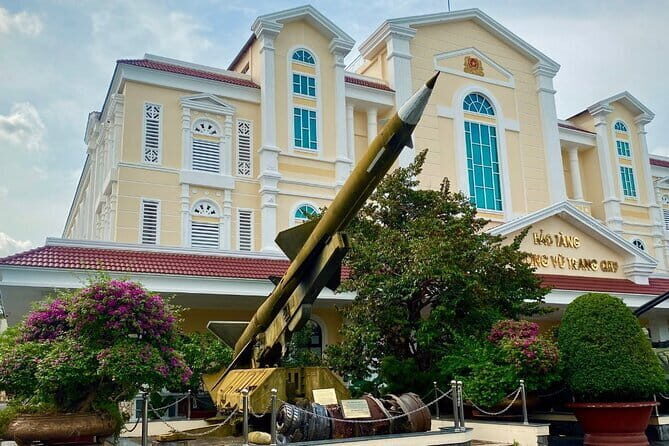
Next up is Bao Tang Quân Khu 9, a military-zone themed site tied to victory history. The value isn’t only the objects on display (helicopters, tanks, and other remnant equipment), but the way the guide frames what they represent.
This stop is short—about 30 minutes—so it’s not a full-day museum experience. Still, it works well if you want understanding without getting stuck in indoor waiting time. If you’re sensitive to heavy topics, you can still go in with the right expectation: this is part of Vietnam’s modern story, presented with concrete visuals.
One practical perk: having an English-speaking guide means you can ask the “why” questions on the spot, instead of trying to read everything on your own while you’re tired from the ride.
Rice noodles and hu tieu: watching a workshop take shape
For the morning session, you visit a rice noodle workshop at Rice Noodles Pizza Sau Hoai. The focus is step-by-step making of hu tieu rice noodles, and yes—you’ll get a front-row look at how the process works.
This is one of the most “hands-on for your eyes” parts of the tour. You’re not stuck in a store where someone tells you how good noodles are. Instead, you see the flow of ingredients and technique as it turns into the noodles locals rely on.
In the schedule, you’ll also have that coffee moment again before the workshop experience, which makes the day feel structured: fuel, then food craft, then more culture.
If you like food travel, this stop is a win. Even if you don’t bring anything home, you’ll leave with a clearer picture of what you’re eating when you order hu tieu in Can Tho later.
Munir Ansay Khmer Buddhist Temple: spirituality and local life
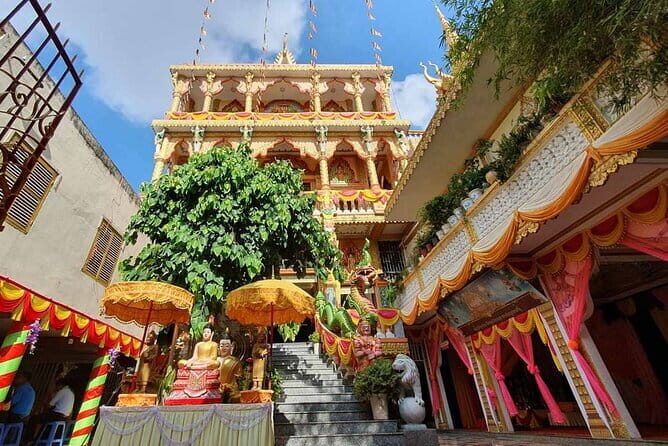
After lunch time energy (or between morning and afternoon parts, depending on your session), the itinerary includes Munir Ansay Khmer Buddhist Temple. Admission for this stop is not included, so you’ll want some small cash or card ready.
This pagoda visit lasts about 30 minutes. That’s enough to understand the basics of local spiritual life and how it fits into day-to-day culture, without feeling like you’re trapped at a slow pace.
The guide’s job here is especially important. You’ll be able to connect what you see with the explanation of daily practices and lifestyle diversity in the area. In one recent experience, Pi and Minh were praised for making religion and history feel real and relevant, not like a lecture you can’t use.
Note for your planning: temple etiquette matters in Vietnam. Dress in a way that respects sacred spaces, and keep your pace calm inside—this is a “slow down and look” stop.

Giàn Gừa heritage tree: a quieter kind of stop
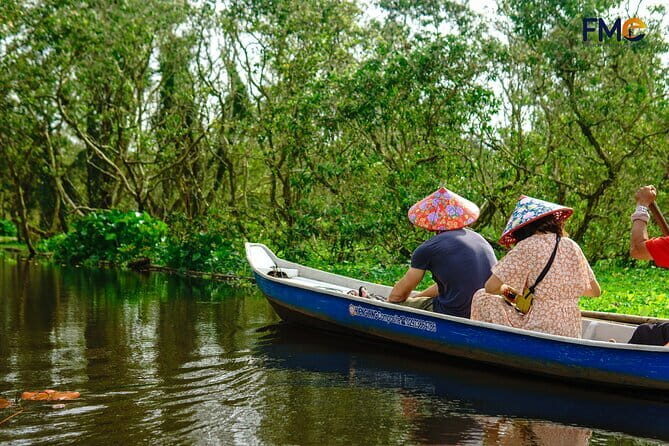
Then comes the Giàn Gừa historical relic—an ancient heritage tree recognized as a heritage tree. This is one of those stops that doesn’t need extra noise. You get the beauty of age and the feeling of a place that’s been around for a long time.
Admission is not included for this stop. But even without that ticket cost, the real value is the pause. After museums and workshops, this gives you a reset: stand, look, and absorb the calm around the tree.
If you’re photographing, treat it like a temple moment: slow down, be respectful of other visitors, and don’t block paths. The schedule time here is also short, so you can enjoy it without feeling rushed.
Can Tho fruit garden: taste, options, and a little adventure
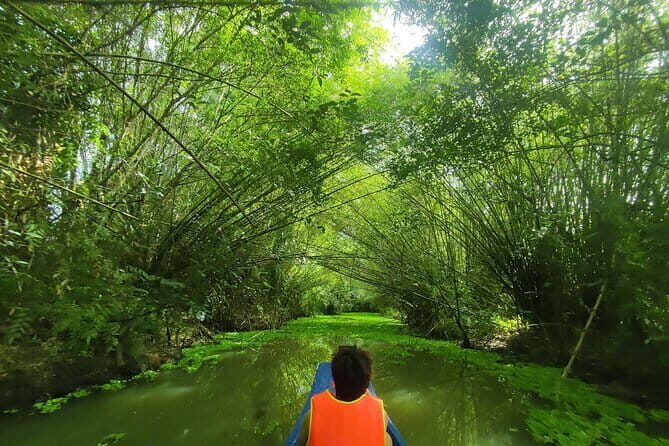
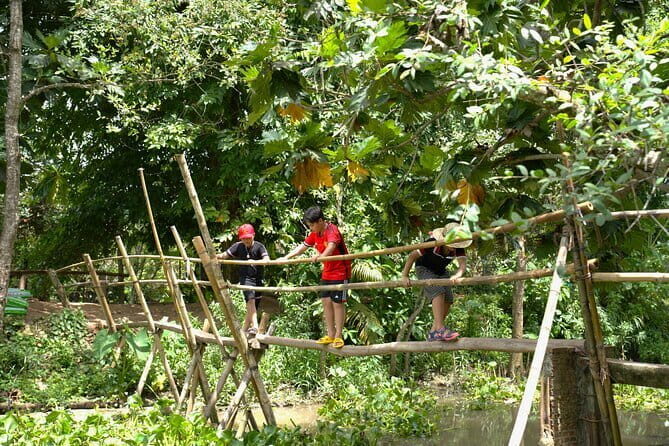
The day ends with time in Can Tho, including a visit to a local fruit garden. Fruit tasting is included, and you’ll also see options for more playful activities depending on your comfort level.
The itinerary mentions crossing a monkey bridge as a challenge you can try, while other snacks cost extra. This part is good because it gives you a choice: you can go “active” or go “relaxed” based on how you’re feeling.
Fruit gardens in the Mekong Delta are where the whole region makes sense. The land isn’t just scenery—it’s food. Even if you only taste a few items, you’ll start to connect the flavors with the kind of irrigation and growing cycles you’ve been seeing around town.
The food story beyond the stops: coffee, chocolate, and bánh xèo
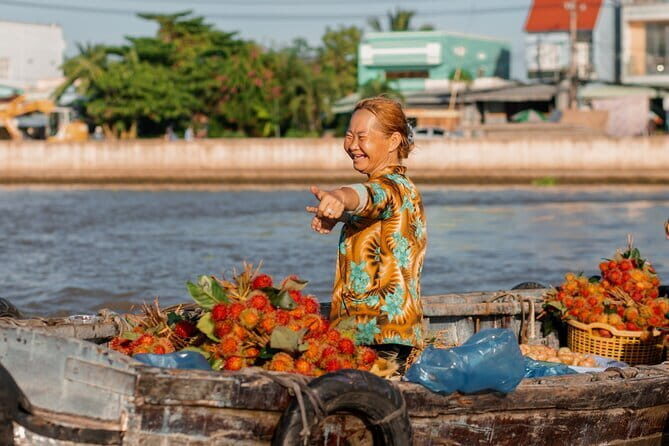
A big chunk of what makes this tour enjoyable is how it stitches together flavors, not just points on a map. The overview includes morning coffee with the local vibe, plus food stops built around classic Vietnamese tastes.
You’re set up for bánh xèo, a Vietnamese pancake served with different herbs and a special sweet and sour sauce. You’ll also encounter a cacao farm experience aimed at tasting some of the region’s chocolate—presented as part of a larger organic cacao approach.
Here’s the practical angle: food stops are where tours win or fail. In this one, the variety is wide enough that you won’t feel bored. But because the schedule text doesn’t list every meal in minute detail, you should plan for a bit of “eat when offered” timing rather than a strict sit-down restaurant schedule.
Safety and comfort on the motorbike day
A motorbike day has one clear requirement: you need to feel comfortable riding. The tour structure helps. It includes local English expert tour guide and driver, and it follows a 1 pax / 1 motorbike setup, so you’re not crammed into an arrangement that feels unstable.
In feedback from past riders, people specifically said they felt safe on the back of the motorcycle, and that the guides were attentive to needs. That matters most at turns, traffic light moments, and the slightly longer stretches where you’re trying to relax.
My advice if you’re planning to book:
- Wear long pants and closed shoes.
- Bring something for sun (Can Tho can be bright).
- If you’re sensitive to motion, sit in a relaxed posture and hold your weight steady—don’t tense up.
How much time you’ll spend on the road vs. at stops
This is a 6-hour tour, and it’s intentionally broken into short time windows—mostly around 30 minutes per cultural stop, then about 1 hour at the fruit garden.
That rhythm helps if you get restless on long rides. You get enough time at each place to look around, but not so much that you feel “behind schedule” if you need a quick bathroom break or want extra questions.
It also keeps the day balanced: museum, workshop, temple, heritage tree, and tasting all show up in the same window. If you only like one type of activity, this might feel like variety for variety’s sake. But if you enjoy connecting dots across culture and food, the structure works.
Price and what you’re actually paying for (about $56.52)
At $56.52 per person for roughly six hours, this tour isn’t trying to be a budget taxi tour. You’re paying for a driver + guide pairing, motorbike transportation, and the fact that many entrance fees are already included.
Included items that affect value:
- Transportation on motorbike
- Entrance fee for the stops that are marked included
- Coffee and fruit
- Travel insurance
- Local English expert tour guide and driver
- Mobile ticket
- Small group size (max 10 travelers)
The parts that can add cost for you:
- Tips (not included)
- Any self-expenses
- Admission not included at Munir Ansay Khmer Buddhist Temple and Giàn Gừa heritage relic
So the real value question is simple: do you want someone to organize your day, handle most entry fees, and explain what you’re seeing while you ride? If yes, the price makes sense for what’s included. If you prefer to self-drive and freestyle your own stops, this won’t feel as “worth it.”
Who this tour fits best
This is a good fit if:
- You want to see Can Tho beyond the main streets.
- You like food and cultural stops in one day.
- You’d enjoy war-history context and temple explanations, not just photos.
- You’re comfortable on a motorbike for several hours.
It may not fit as well if:
- You dislike motorcycles or motion.
- You want a fully structured meal timetable with long sit-down restaurant breaks.
- You strongly prefer free-entry attractions (because some key spots require extra admission).
Should you book the Can Tho Motorbike Tour?
If you like organized local culture with real explanation, I’d book it. The strongest reasons are the guiding, the mix of war + religion + food craft, and the way the day stays active without being exhausting.
If your top priority is a single big “wow” sightseeing location, you might find the pacing feels like many small experiences. But that’s also the point: you’re getting the Mekong Delta through daily rhythms—coffee, noodles, a temple, a heritage tree, then fruit tasting.
If you book, do one simple thing: come with questions. With a guide like Pi and a driver who keeps things attentive (like Minh has been noted), your questions are what turn this into a memorable day, not just a checklist ride.
FAQ
How long is the Can Tho Motorbike Tour?
It runs for about 6 hours.
What is the price per person?
The price is $56.52 per person.
Is hotel pickup included?
Yes, pickup is offered, and the tour ends back at the meeting point.
Where does the tour start?
The start is at Ninh Kieu Wharf, 106 Đ. Hai Bà Trưng, Tân An, Ninh Kiều, Cần Thơ, Vietnam.
What’s included in the tour price?
Included are travel insurance, coffee and fruit, entrance fees (where listed as included), motorbike transportation, and a local English expert tour guide and driver (1 pax / 1 motorbike).
Are all entrance fees included?
Not all. Entrance fees are included for some stops, while Munir Ansay Khmer Buddhist Temple and Giàn Gừa Historical Relic are listed as not included.
Does the tour use a mobile ticket?
Yes, the tour includes a mobile ticket.
What should I budget for that is not included?
Tips and self-expenses are not included.
What’s the maximum group size?
The tour has a maximum of 10 travelers.
What is the cancellation policy?
Free cancellation is available if you cancel up to 24 hours in advance for a full refund.