REVIEW · CAN THO
From HCM: Mekong Delta Can Tho Floating Market 2-Day Tour
Book on GetYourGuide →Operated by Dragon Sea Travel & Du Lịch Rồng Biển · Bookable on GetYourGuide
Boats, pagodas, and river markets in two days. This Mekong Delta trip strings together real river life with classic highlights like Vinh Trang Pagoda, then lands you in Can Tho for a proper overnight. I like that the route feels designed for flow—moving by bus, ferry, and multiple types of boats—so you spend less time figuring out logistics and more time watching how people live.
I particularly like the food-and-craft stops. You get coconut candy samples, honey tea, tropical fruit tastings, plus a hands-on Vietnamese cooking class that helps the day stay fun (and not just sightseeing).
One consideration: the schedule is packed and some stops can feel more tour-shaped than you might want, especially on the first day.
In This Review
- Key things I’d note before you go
- Why Can Tho and Cai Rang Are Worth the Time
- Day 1: From Ho Chi Minh City to Canal Life in the Mekong Delta
- Vinh Trang Pagoda Meets Ben Tre’s Coconut-Candy Workshop
- Unicorn Island: Đờn ca tài tử, Fruits, and Village Rhythm
- The Vietnamese Cooking Class That Actually Helps You Eat Local
- Crossing to Can Tho and Spending Your Evening Your Way
- Day 2: Cai Rang Floating Market in the Morning (When It Counts)
- Truc Lam Phuong Nam Zen Monastery: A Calm Reset
- Price and Logistics: Does $80 Feel Fair?
- Comfort Level: Boats, Biking, and the Realities of a Tour Bus
- Who This Tour Fits Best
- What to Bring for a Smooth Mekong Delta Day
- Should You Book This Can Tho 2-Day Tour?
- FAQ
- How long is the Mekong Delta Can Tho Floating Market tour?
- What’s included in the meals?
- Where do I meet for pickup?
- Is there an overnight hotel stay?
- What activities should I expect besides sightseeing?
- Is this tour wheelchair accessible or suitable for everyone?
Key things I’d note before you go
- Multiple boat styles: a Mekong cruise plus smaller canal rides on calmer waterways
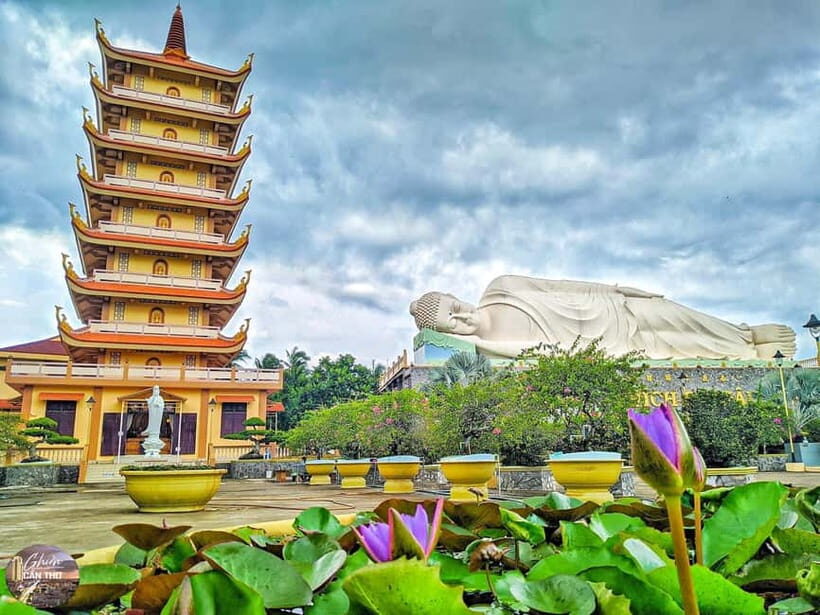
- Vinh Trang Pagoda: a major Mekong Delta spiritual landmark, not a quick photo stop
- Ben Tre coconut candy: you see the process and get to taste the results
- Đờn ca tài tử on Unicorn Island: live Southern folk music with fruit tasting
- Cai Rang Floating Market: best seen early, when traders are actively selling
- Guide-led value: names like Ry and Quoc come up in praise for energy and clear English
Why Can Tho and Cai Rang Are Worth the Time
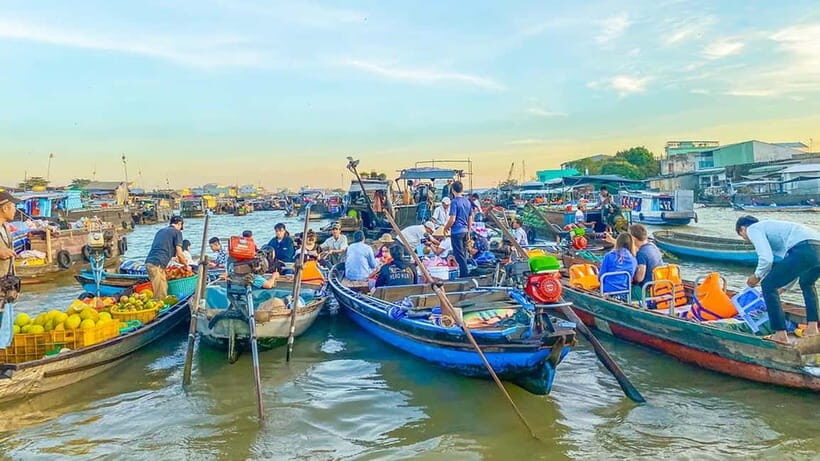
Can Tho is the practical base for seeing the Mekong Delta without turning your trip into a commute marathon. You get to wake up early on the second day and go straight to Cai Rang, one of the most famous floating markets in the region, while the market activity is at its best.
The big reason this setup works: it mixes iconic water culture with calmer, local-feeling village moments. You’re not only looking at scenery—you’re watching routines, like boat trading and canal living, that make the Mekong Delta feel like a living system instead of a postcard.
And yes, you also get time in the evening. That matters in Can Tho, because river towns change after dark and you’ll want at least one block of unplanned wandering.
Other Mekong floating market tours we've reviewed

Day 1: From Ho Chi Minh City to Canal Life in the Mekong Delta
Your morning starts early with pickup around 7:30 AM. If you’re staying in central District 1, pickup is available; otherwise, you’ll meet at 243 De Tham Street (Pham Ngu Lao Ward, District 1). Then it’s an air-conditioned bus ride toward My Tho, with countryside scenery—rice paddies and green stretches—along the way.
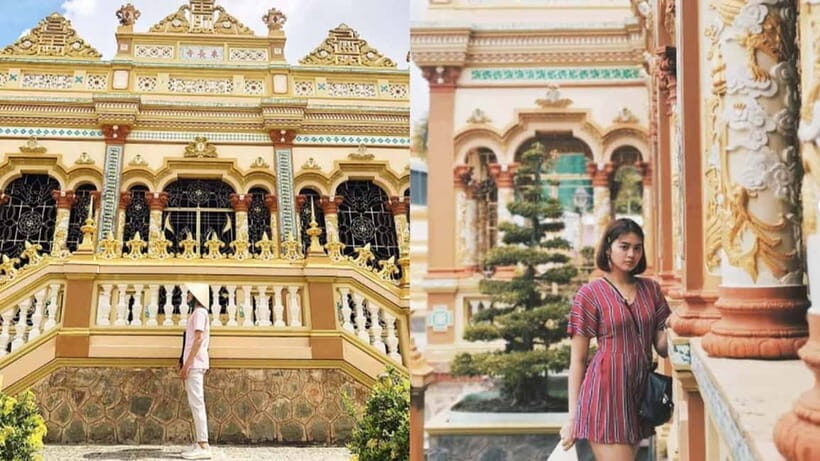
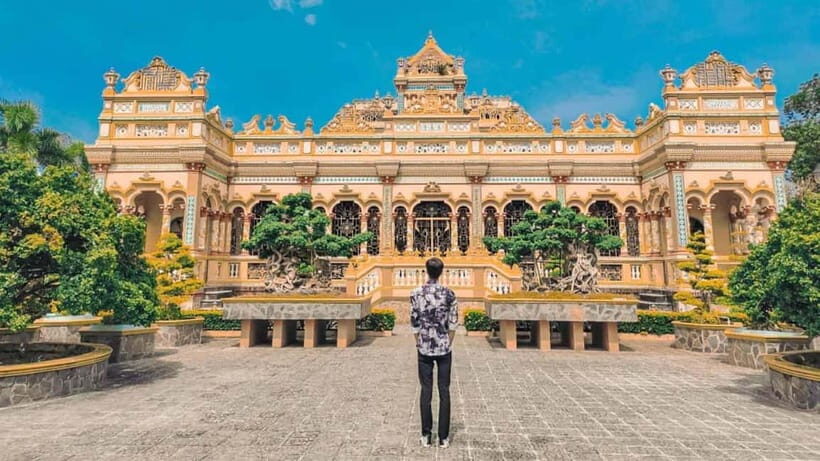
In My Tho, the first stop is Vinh Trang Pagoda, widely considered the most iconic temple in the Mekong Delta. It’s a strong anchor point for the day because it sets the tone: religion, local culture, and the pace of temple life before you jump into boats and markets.
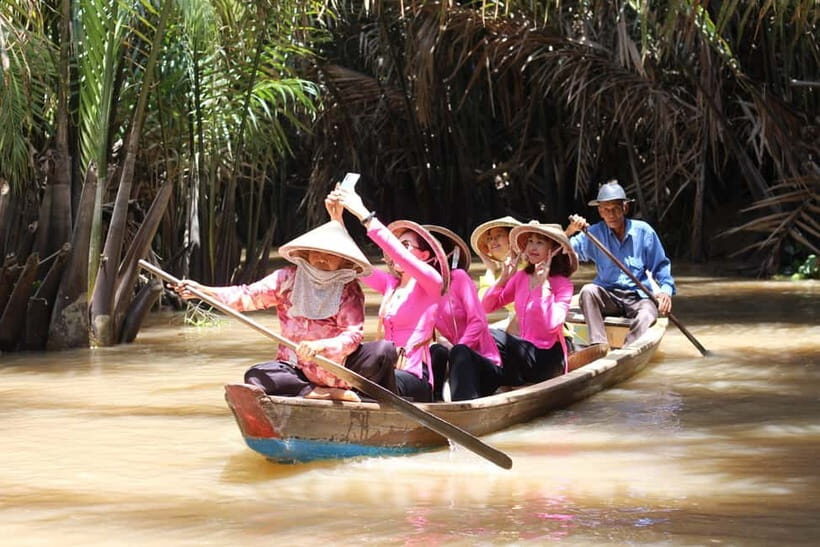
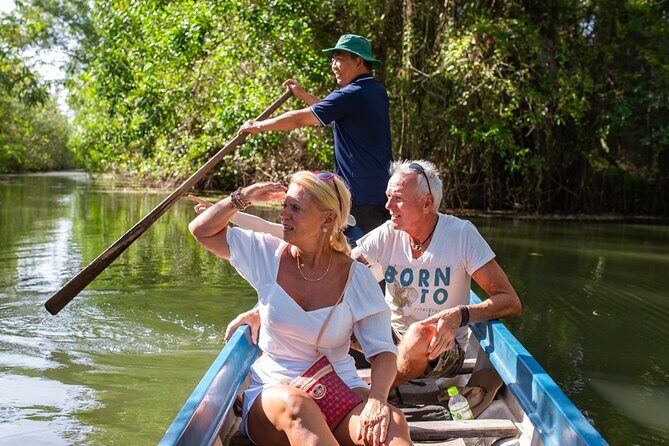
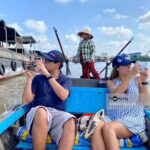
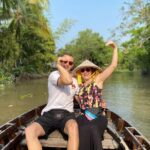
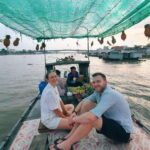
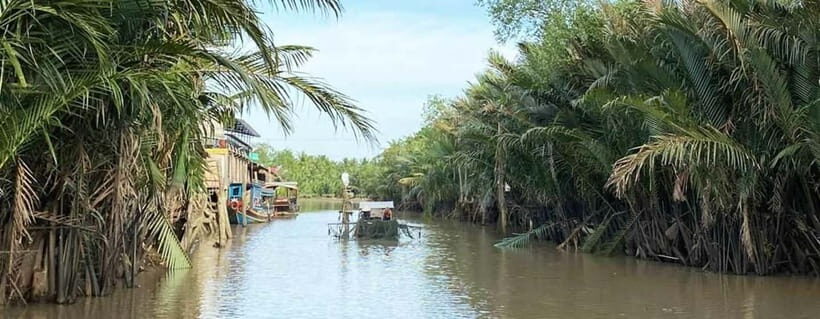
Next comes the Mekong River cruise. This is where you start seeing floating houses and fish cages, the kind of working river setup that locals rely on every day. After that, the trip slows down on smaller canals, including a ride in a smaller boat style where you glide through shaded waterways with coconut trees. That “small boat” moment is one of the most effective parts of the whole itinerary, because the scale feels more human and less like a big tour circuit.
Vinh Trang Pagoda Meets Ben Tre’s Coconut-Candy Workshop
The jump from pagoda to river life is a smart contrast. Pagodas here aren’t just landmarks—they’re social and spiritual hubs, and the architecture helps you understand how people organize daily life around faith and community.
Then you head toward Ben Tre for the coconut experience. The workshop on a coconut island is built around process: you learn how coconut candy is made by hand, and you get to taste fresh samples. It’s not complicated, but it’s satisfying, because you walk away knowing what you’re eating rather than just buying a bag of sweet stuff.
A helpful note: this portion involves island time and then later biking and walking. Comfortable shoes aren’t optional, and you’ll want sun protection because you’ll be moving outside.
Unicorn Island: Đờn ca tài tử, Fruits, and Village Rhythm
After Ben Tre’s candy stop, the tour heads to Unicorn Island by motor cart. Here you get live Đờn ca tài tử, a traditional Southern style of folk music. It’s the kind of cultural moment that stays meaningful because it’s performed in context, not on a stage designed for one photo and out.
You also taste seasonal tropical fruit as part of this island visit. For me, that’s the best way to keep fruit from becoming just a random snack. It fits the theme: Mekong Delta life is tightly tied to what grows nearby, and fruit tasting connects you to that.
From there, you go to a bee-keeping farm. You’ll have natural honey tea, plus a look around a typical Mekong Delta house. This part is quieter than the markets and candy, which gives your brain a break between boat rides and workshop stops.
The Vietnamese Cooking Class That Actually Helps You Eat Local
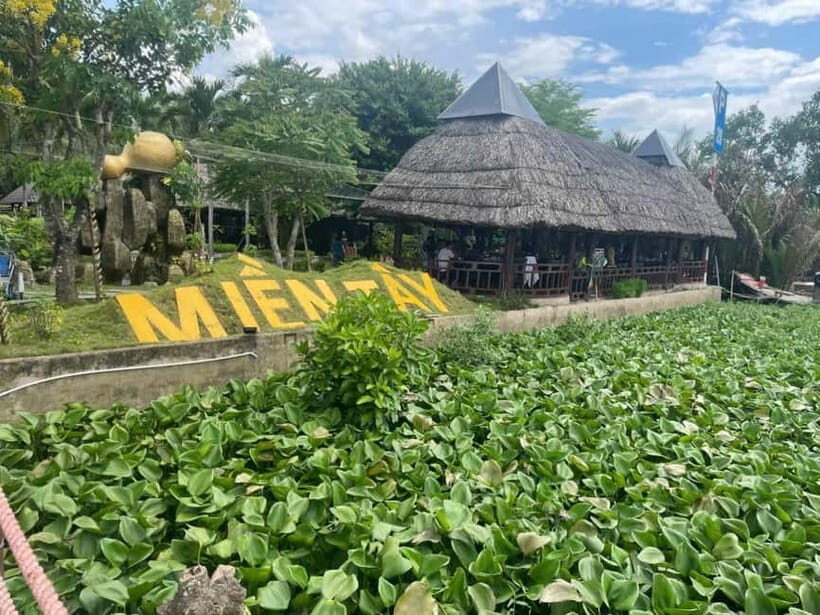
This itinerary includes a Vietnamese cooking class, where you learn to prepare a local dish with guidance from local hosts. Even if you’re not a serious cook, this is one of the most valuable segments because it turns your taste buds into a learning tool.
Food in the Mekong Delta is often built on straightforward flavors: herbs, freshness, and sauces that bring it together. With a cooking class, you’ll understand what you’re eating later at lunch and dinner, instead of just pointing at the plate and hoping for the best.
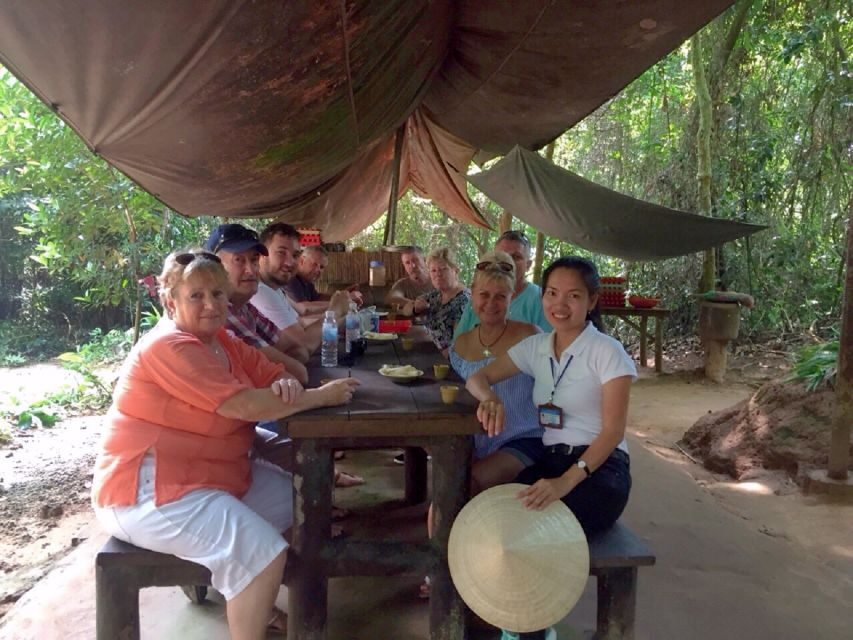
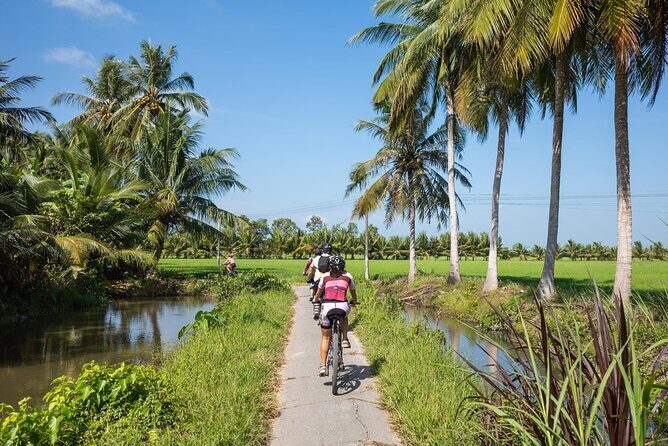
After the class, you’ll have lunch in a garden setting. Then you get a chance to slow down: you can stroll around the village, and there’s a short bicycle ride through quiet countryside paths.
One practical reality: this is a full day. The tour keeps moving, but it does give small pockets of downtime, which helps.
Other Can Tho tours we've reviewed
Crossing to Can Tho and Spending Your Evening Your Way
After lunch you cross the river by ferry and continue to Can Tho, the heart of the Mekong Delta. Dinner is on your own, which is a plus: you can choose what fits your cravings and energy level without the tour controlling every meal.
You also get free time to explore Can Tho City. In guides’ setups that have performed well, people specifically call out that the evening freedom is enough to find local life without feeling left behind.
If you like to plan lightly, this is ideal. You’re not stuck in a bus until bedtime, and you can decide whether you want a casual stroll or a more food-focused night.
Overnight is in a 3-star hotel with an air-conditioned room (double or twin). Most people seem to rate the overall quality positively, but a few have noted room comfort could be better, so if you’re picky about hotel beds and layouts, you might want to read the room details carefully when you book.
Day 2: Cai Rang Floating Market in the Morning (When It Counts)
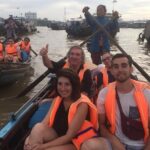
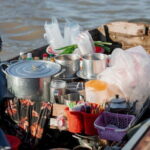
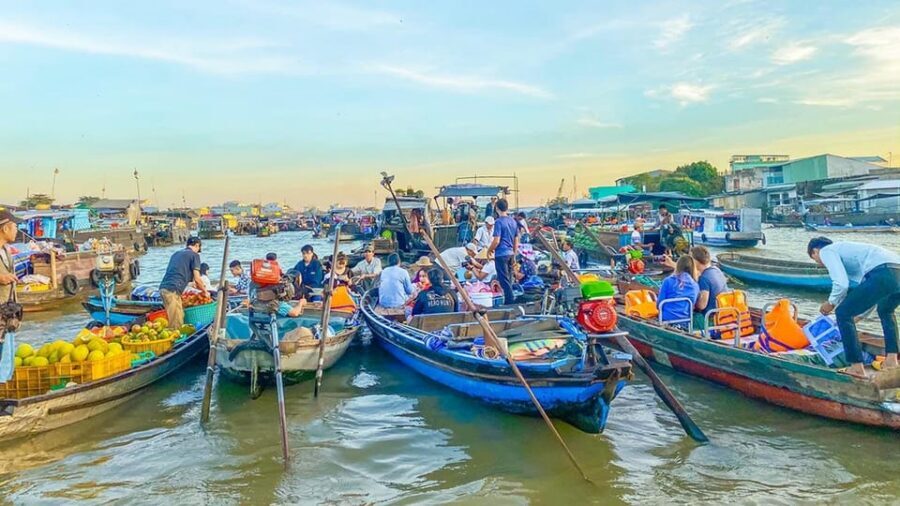
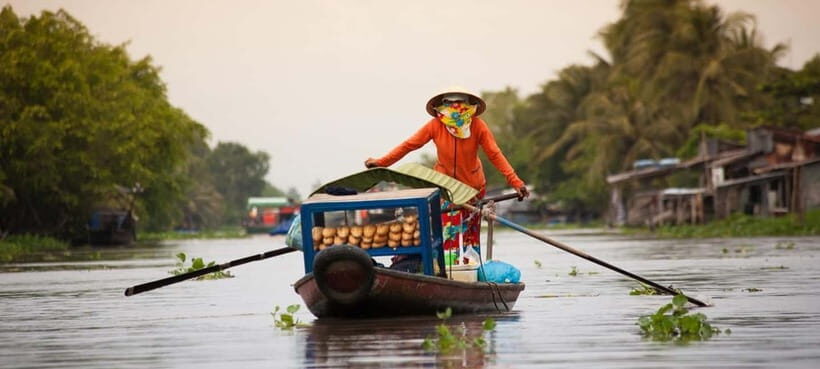
Day two starts with breakfast, then a boat departure in the morning—so you can reach Cai Rang Floating Market when it’s active. This timing is everything. The market is full of local traders selling fruits and local products directly from their boats, and that energy is hard to fake later in the day.
This is one of those experiences where you’ll want to keep your camera ready but also watch with your eyes first. The floating market isn’t only about what’s for sale—it’s about the system. Boats move, people call out, and you see how trading happens on the water without needing land markets to replace it.
You’ll also visit a traditional rice noodle-making workshop. This adds texture to what you see in the market because it explains how one of the region’s daily staples gets made. Then there’s a boat ride with fresh pineapple tasting, which fits the fruit-trader theme and gives you a quick, fun reset before you shift back to land-based stops.
Next comes a local market in the city center. It’s a chance to compare what you saw on the boats with what’s happening on land—same ingredients, different selling style.
Truc Lam Phuong Nam Zen Monastery: A Calm Reset
After the morning’s activity, you go to Truc Lam Phuong Nam Zen Monastery. This is the kind of stop that balances your day. The market and boats keep your senses busy; the monastery gives you a quieter place to slow down and regroup.
The architecture and atmosphere are the point here. You’re not going to get tired legs from this stop the way you might in a full day of walking markets, and it’s a good moment to breathe before the midday lunch and return trip.
Lunch is included at 12:00 PM, then you’ll have free time at a tourist village before heading back to Ho Chi Minh City. You’re typically back around 5 PM.
Price and Logistics: Does $80 Feel Fair?
At $80 per person for two days, the value comes from the combination, not any single item. You’re paying for:
- Air-conditioned bus transport
- Entrance fees
- 2 lunches and 1 breakfast
- Multiple boat trips plus a ferry crossing
- A hotel night in Can Tho
- A guide and mineral water
- Hands-on activities like coconut candy and cooking class
If you tried to replicate this on your own, you’d quickly lose time coordinating transport between cities, then add guide time (languages help), then add the cost of entrance fees and boat rides. This package is built around eliminating that hassle.
Still, go in knowing it’s not a low-key private escape. It’s more like a well-paced sampler platter of Mekong Delta life. If your idea of a perfect trip is long, slow wandering with no tight timing, the packed schedule may feel like work.
Comfort Level: Boats, Biking, and the Realities of a Tour Bus
The itinerary includes biking on a small island and multiple forms of water transport. That means the tour works best if you’re comfortable with:
- Walking outdoors in sun
- Getting on/off boats
- Sitting in a bus for long stretches
- Riding a bike for a short countryside loop
One traveler specifically mentioned that the bus felt small for tall people, so if you’re very tall or carry mobility issues, consider that before booking. And if you have back problems, this probably isn’t your best match since biking and boat transitions can be rough.
Also, the tour isn’t positioned for wheelchair users, and it’s listed as not suitable for pregnant women. That makes sense given the mix of surfaces and activities.
Who This Tour Fits Best
This is a great choice if you want:
- A strong first taste of the Mekong Delta without planning every link
- A mix of iconic culture (Vinh Trang Pagoda) and working river life (Mekong cruise, fish cages, floating trading)
- Food experiences that teach you what you’re eating (coconut candy, honey tea, cooking class)
- The ability to trade photos for watching real routines, especially at Cai Rang
It’s also a solid pick for couples and friends who want to stay flexible day-to-day. Even though the itinerary is structured, you still get free time in Can Tho to breathe and pick your own dinner plan.
If you’re traveling solo and you like a guide’s voice in your day, this is also a good fit. A lot of the praise centers on how effective the guides are—people highlight guides like Ry and Quoc for upbeat energy, strong English, and helpful suggestions for evenings in Can Tho.
What to Bring for a Smooth Mekong Delta Day
You’ll thank yourself for packing practical basics. Here’s what the tour setup points to, and I agree with it:
- Comfortable shoes (boat decks and paths are not sneaker-mirror friendly)
- Sunscreen and a sun hat
- Water bottle
- Camera
- Insect repellent
- Clothing suitable for biking and walking
Even in cooler months, the combination of sun + walking + boat breeze can catch you off guard. Hydration helps, and repellent keeps the experience more relaxed.
Should You Book This Can Tho 2-Day Tour?
I’d book this if you want a high-value overview of the Mekong Delta that includes boats, floating markets, temple culture, and hands-on food. The two-day format is tight, but it works, and the included hotel night lets you actually experience Can Tho rather than rushing through and disappearing.
Skip it if you’re sensitive to crowds or hate feeling on a timeline. A few parts of the first day can feel more tour-shaped than you might hope, and the day stays busy from start to finish. Also, if hotel comfort is a top priority, be aware that a small number of guests have said their room could be better.
If you want flexibility, this tour offers free cancellation up to 24 hours in advance and a reserve-now, pay-later option, which makes it easier to hold your spot while you finalize the rest of your Vietnam plan.
Overall, this is an efficient, food-forward Mekong Delta introduction—one that’s best when you treat it like a guided sampler, then let your free Can Tho evening do the rest.
FAQ
How long is the Mekong Delta Can Tho Floating Market tour?
It runs for 2 days.
What’s included in the meals?
The tour includes 2 lunches and 1 breakfast. It also includes fruits, honey tea, and coconut candy samples, plus a Vietnamese cooking class.
Where do I meet for pickup?
Pickup is available in central District 1 and on Bến Vân Đồn Street (District 4) in Ho Chi Minh City. If you’re outside those areas, you should go to 243 De Tham Street (Pham Ngu Lao Ward, District 1) by 7:30 AM.
Is there an overnight hotel stay?
Yes. You stay 1 night in a 3-star hotel in Can Tho with an air-conditioned room (double or twin).
What activities should I expect besides sightseeing?
You’ll take boat trips, go on a cruise, ride a smaller boat through canals, and do biking on an island. There are also workshops like coconut candy and rice noodle-making, plus a cooking class.
Is this tour wheelchair accessible or suitable for everyone?
No. It’s listed as not suitable for wheelchair users, and it’s also not recommended for pregnant women or people with back problems.