REVIEW · CAN THO
Nature Reserve and Largest, Authentic Floating Market Experiences
Book on Viator →Operated by Mekong Realism · Bookable on Viator
Floating markets and a nature reserve are a rare pairing. In Can Tho, you’ll spend the morning on Cai Rang sampans watching everyday trade, then shift into quieter canal life inside Lung Ngọc Hoang.
I like how the day mixes hands-on food culture with real Mekong Delta scenery. I love the sampan breakfast vibe, where you order from floating cafés and restaurants, and I also like the stop at a noodle village where you can take part in traditional rice-noodle making.
One possible drawback: it’s a long day. You start at 6:30 am and plan on roughly 9–10 hours, so pack patience for early starts and lots of time on the water.
In This Review
- Key highlights you’ll care about
- The 6:30 am start that makes Cai Rang worth it
- Cai Rang Floating Market by sampan: fruit trades and breakfast on the water
- The quiet shift into canals: jungle-feel waterways and a calmer pace
- Nga Bay and Lung Ngoc Hoang: water hyacinth canals that look unreal
- A four-decade noodle village: rice noodles made the traditional way
- Timing, group size, and what the $89 really buys
- What to bring and how to enjoy each phase more
- Who should book this Can Tho mix (and who should skip it)
- Should you book this Cai Rang and Lung Ngoc Hoang day trip?
- FAQ
- How long is the Can Tho Cai Rang and nature reserve tour?
- Where does the tour start, and when?
- What’s included in the experience?
- Is there an admission fee?
- What’s the group size?
- Is this a mobile ticket tour?
Key highlights you’ll care about
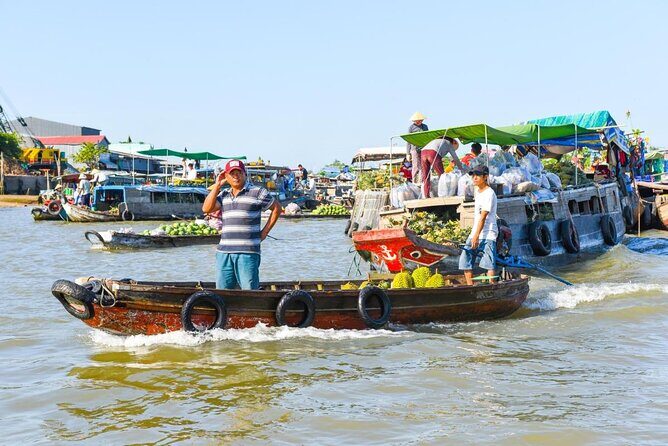
- Cai Rang by sampan: See how fruit and vegetables move through the market firsthand.
- Breakfast on the water: Order from floating restaurants and cafes while the boats keep flowing.
- Rice noodles the traditional way: A long-running noodle village shows the process step by step.
- Complex canal time: Small, twisty waterways make the Mekong Delta feel close-up.
- Water hyacinth and water lettuce canals: Lung Ngoc Hoang looks like a living canal garden.
- Small group size: Up to 10 people keeps it easier to hear your guide and move together.
The 6:30 am start that makes Cai Rang worth it
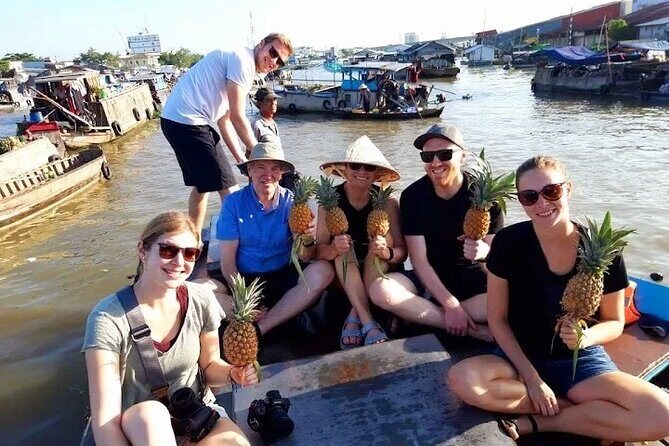
This tour begins at 6:30 am at Vincom Plaza Xuân Khánh in Can Tho. That early timing matters because the Mekong Delta’s river life changes fast by the hour. In the early window, you’re more likely to see trading in full rhythm without the later heat and crowds.
The day is built around water routes, which means you’re never just “watching from shore.” You’re on a boat for the market segment and then moving through canals again later. That’s a big part of why the experience feels more grounded and less staged. It also explains the long total duration: even when the stops are short, travel time adds up in river geography.
If you’re the type who hates waking up early for photos, treat this as a “day trip with a mission” instead of a casual outing. Bring water, wear breathable clothes, and plan to be busy from start to finish.
Other Mekong floating market tours we've reviewed
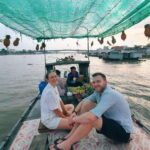

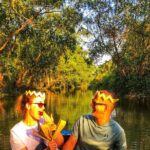
Cai Rang Floating Market by sampan: fruit trades and breakfast on the water
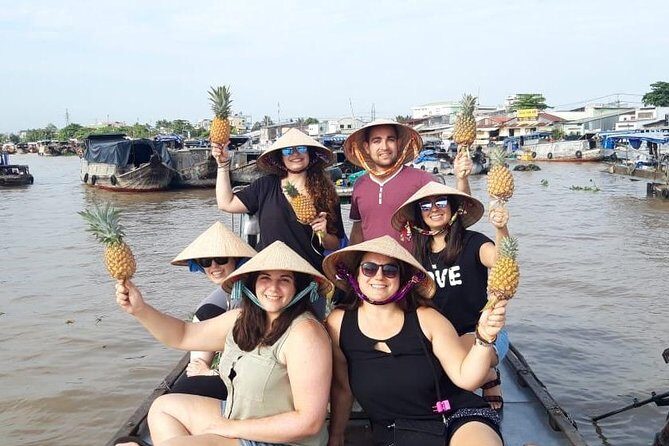
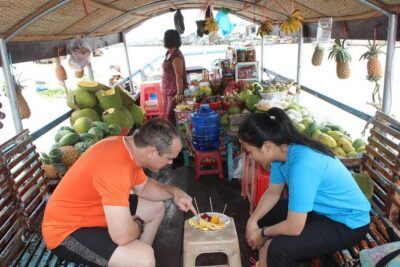
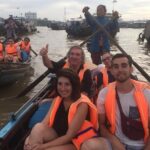
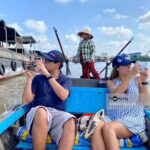
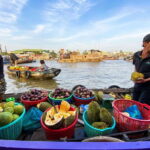
The first major stop centers on Cai Rang Floating Market, described as the largest floating market in Vietnam. You don’t just hear about it—you ride in a sampan and watch how people trade everyday foods like pineapples and mangos, plus fresh fruits and vegetables.
Here’s what’s special from a traveler’s point of view: floating markets aren’t only about shopping. They’re how the local food supply chain works day after day. Watching boats handle goods up close helps you understand the logic of river life—why items are moved that way, and why timing and placement on the water matter.
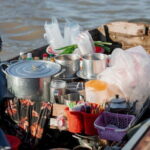
Then comes one of the most enjoyable parts: breakfast while you’re already on the water. You order from floating restaurants and cafes, which turns the meal into part of the scenery instead of an interruption. You’ll likely want to keep your order simple—something easy to eat on a moving boat. If you’re picky about mess or heat, choose options that are served warm but not overly liquid.
Practical note: bring a phone cover or dry bag. Even if water isn’t splashing everywhere, river spray is a real thing on early boats.
The quiet shift into canals: jungle-feel waterways and a calmer pace
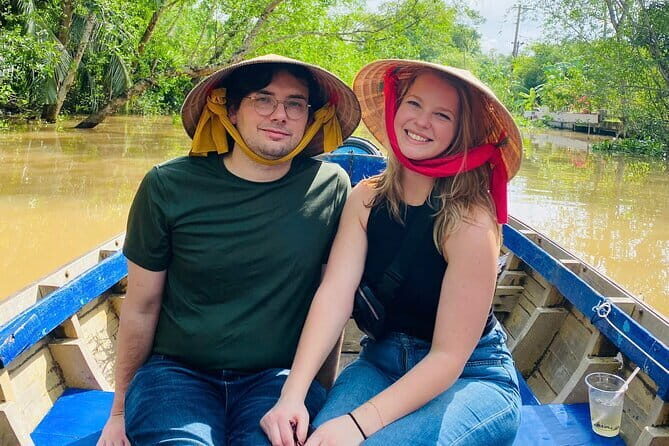
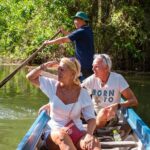
After Cai Rang, the plan moves away from the busiest trading scene and toward small canal systems. You’ll cruise into the jungle through waterways that are described as small but complex. Translation for your day: expect lots of turns, narrower passages, and more “this is how people actually move” moments.
This middle stretch is where I’d tell you to slow down a notch. The tour gives you time to relax and even meditate on the tranquil part of the journey. You’ll still be traveling, but it’s less about commerce and more about observation—plants, water movement, and the way light changes under overhanging areas.
Also, don’t rush your photos here. In canal settings, the best shots are often the ones where you frame water + vegetation together, not just one boat. Think “river life in layers.”
Nga Bay and Lung Ngoc Hoang: water hyacinth canals that look unreal
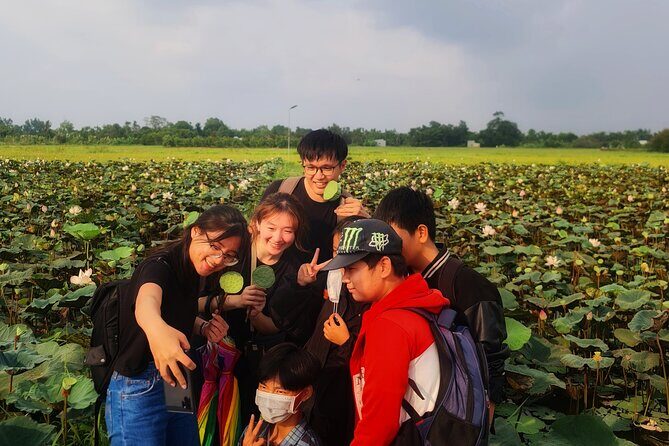
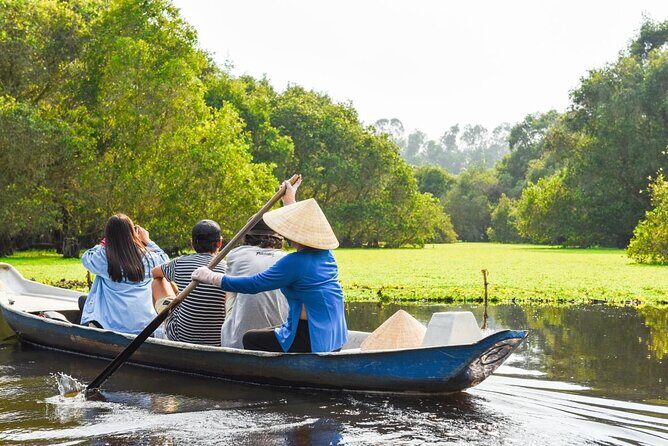
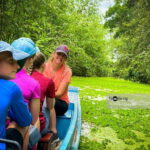
Next, you’ll head to Nga Bay, where the trip moves into the meandering canals of Lung Ngoc Hoang Nature Reserve. This is the “stay longer if you could” portion for many people, because the reserve waters are covered with water hyacinth and water lettuce.
Those floating plants change everything. They affect visibility, how the light lands on the water, and how boats slip through narrow routes. The canal becomes something closer to a living maze. Flora and fauna do well here, so keep your eyes open for small movements in the water edge and for bird activity overhead.
Even if wildlife spotting isn’t guaranteed, the environment itself is the point. It’s not the kind of scenery you can recreate easily on a land tour. You’re watching the Mekong Delta’s water surface behave like an ecosystem, not just a road.
One caution: if you’re prone to motion sickness, canals can be a bit more “rock and sway” than you’d expect. Take slow breaths, keep your gaze forward when possible, and consider motion-sickness medication if that’s your usual routine.
A four-decade noodle village: rice noodles made the traditional way
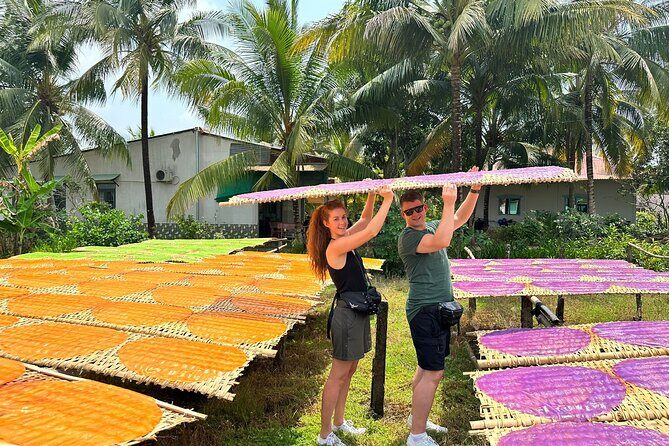
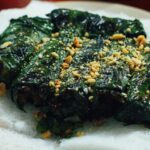
One stop adds a very different flavor: you’ll stop at a noodle village described as four decades old. This is where you participate in making rice noodles traditionally.
This part is great for a few reasons. First, it’s hands-on, not just a demonstration. Second, it connects the day’s river theme to food you’ll recognize on Vietnamese tables, not only on boats. Third, noodle-making gives you something to focus on with your hands while the rest of the day is spent watching.
You should expect the process to be practical—mixing, shaping, and working through steps that take real technique. If you’re curious about how “simple” foods get made, this segment delivers that curiosity fast. Bring a willingness to get a bit involved and accept that your first attempt won’t look like the pros’ version.
After the noodle stop, you’ll transition by car for about an hour. That break matters. It gives your legs time to reset before the final canal time at the reserve.
Other authentic, local-life Mekong tours we've reviewed


Timing, group size, and what the $89 really buys
The price is $89.00 per person for a 9 to 10 hour day. That’s not cheap on paper, but for a full-day tour packed with multiple water segments, hands-on food, and a nature reserve cruise, it can be good value—especially when you’re comparing it to arranging separate transport for each piece.
A couple details that help you judge value:
- The plan is structured around multiple free admission tickets listed for the stops, which suggests you’re not paying extra entry fees at each location.
- The group caps at 10 travelers, which usually means less waiting around and better access to your guide for questions.
- You get a mobile ticket, which is convenient on a day when you’ll be moving and don’t want extra paper clutter.
The biggest “cost” is time. A day like this asks for energy: early start, boats, and then more boats. If you’re already tired from travel the night before, make sure you get enough sleep so this doesn’t feel like a marathon you didn’t sign up for.
If you’re traveling as a couple or with friends, the minimum of 2 people per booking is also a factor. It can reduce availability for solo travelers, depending on how often departures fill.
What to bring and how to enjoy each phase more
Because the day involves sampans and canal cruising, your comfort choices matter more than usual. Here’s what I’d prioritize:
- A lightweight rain cover or poncho (river days can shift fast)
- Water-resistant phone protection
- Sun protection (hat + sunscreen)
- Comfortable shoes you don’t mind getting a little dirty
- If you have motion sickness issues, plan ahead
Food-wise, remember that breakfast is ordered from floating restaurants and cafes. That usually means you’ll pick what you want rather than receiving a pre-set meal. Keep expectations flexible and choose something you can eat without stress.
If you like asking questions, this tour rewards that. A strong guide can explain what you’re seeing—why boats are arranged a certain way, how trade works, and what the water plants mean for the reserve. In one frequently mentioned standout, the guide Ngan was praised for being very attentive and for English that was nearly perfect—exactly the sort of support that makes early-morning water time easier to understand.
Who should book this Can Tho mix (and who should skip it)
This tour is a good fit if you want a real Mekong Delta rhythm in one day: market trading, river food culture, and nature reserve canals. You’ll enjoy it most if you like variety and don’t mind a full schedule.
You may want to choose something else if:
- you hate early starts,
- you want a slow, long sightseeing day with lots of downtime,
- or you get uncomfortable on moving boats for extended periods.
It’s also a strong option for first-timers to Can Tho who want a single itinerary that connects three big ideas: river trade, traditional food craft, and protected canal ecosystems.
Should you book this Cai Rang and Lung Ngoc Hoang day trip?
If your goal is to see Can Tho’s river life beyond a single postcard moment, I’d say yes. The best reason to book is the mix: Cai Rang gives you the human side of the river economy, and Lung Ngoc Hoang gives you the water-and-plants side that shows how the ecosystem works.
Before you commit, go in with the right expectations. This is not a short, relaxed tour. It’s a full day that starts early and moves by boat and car. If that sounds like your kind of adventure—and you’re excited about noodle-making and ordering breakfast from the water—this is a solid use of your time in the Mekong Delta.
FAQ
How long is the Can Tho Cai Rang and nature reserve tour?
It runs about 9 to 10 hours.
Where does the tour start, and when?
It starts at 6:30 am at Vincom Plaza Xuân Khánh, 209 Đ. 30 Tháng 4, Xuân Khánh, Ninh Kiều, Cần Thơ, Vietnam.
What’s included in the experience?
You’ll see Cai Rang Floating Market by sampan, have breakfast by ordering from floating restaurants and cafes, cruise through canal systems, stop at a noodle village to participate in traditional rice noodle making, and cruise in Lung Ngoc Hoang Nature Reserve canals.
Is there an admission fee?
Admission tickets are listed as free for the tour’s stops.
What’s the group size?
The maximum group size is 10 travelers.
Is this a mobile ticket tour?
Yes, it uses a mobile ticket. Confirmation is received at the time of booking, and the experience ends back at the meeting point.