REVIEW · CAN THO
From HCM: Mekong Delta Can Tho Floating Market 2-Day Tour
Book on GetYourGuide →Operated by Duy Amma · Bookable on GetYourGuide
A Mekong Delta highlight, minus the fuss. I like the mix of Vinh Trang pagoda and real working countryside, plus the big payoff boat morning at Cai Rang floating market. The main thing to watch is the style of the stops: it can feel sales-heavy, with short activities that sometimes run into extra-cost add-ons.
This is also a practical two-day structure if you want logistics handled: hotel in central Can Tho (or near Ninh Kieu wharf), a full day on the water, and a second day cruising the Can Tho river. Just go in expecting a guided route with set experiences, not a slow wander.
In This Review
- Key Points Before You Go
- How This 2-Day Mekong Delta Route Really Works
- Day 1: Ben Thanh to My Tho—Pagodas, Islets, and Coconut-Canal Views
- Vinh Trang pagoda
- Boat out to Tien River islets
- Thoi Son (Lan island) village road walk
- Rowboats through the coconut canals
- Coconut candy and the “make it” feeling
- The Monkey Bridge, Crocodile Fishing, and a Lunch That Holds the Day Together
- Arrival in Can Tho: City Center Hotel and a River Dinner Night
- Day 2: Cai Rang Floating Market by Boat (and Why Timing Matters)
- Cai Rang floating market
- Hu Tieu craft village
- My Khanh Ecotourism Village: Fruit Gardens, Flowers, and an Ancient House
- Purple House Can Tho: A Self-Ticket Stop With a Very Specific Look
- Price and Logistics: Getting Your Money’s Worth at $100
- Who This Tour Fits Best (and Who Should Skip It)
- Should You Book This Mekong Delta Tour?
- FAQ
- How early is pickup on Day 1 from Ho Chi Minh City?
- What meals are included in the tour?
- Where is the hotel in Can Tho?
- What boat rides are included?
- Is the Purple House film studio ticket included?
- Do you provide life jackets?
Key Points Before You Go
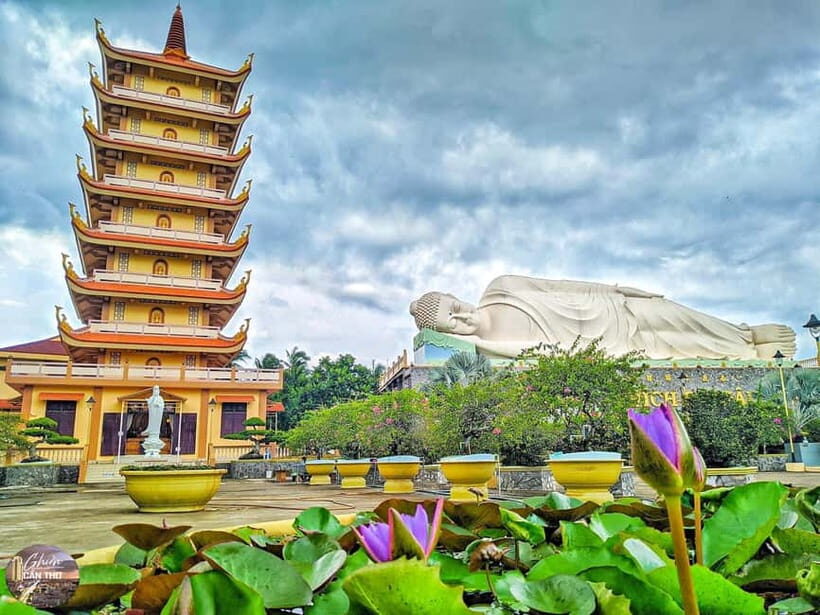
- Vinh Trang pagoda: a major Mekong Delta temple stop with a 19th-century origin story
- Tien River sightseeing: boat time toward Long, Lan, Qui, and Phung islets
- Village canal rhythm: rowing through coconut-lined canals, often short in duration
- Cai Rang floating market: one of the Mekong Delta’s best-known markets from the water
- My Khanh ecotourism village: gardens plus an ancient house over 100 years old
- Possible sales pressure: several stops can feel like shopping or hard selling, so keep your guard up
How This 2-Day Mekong Delta Route Really Works
This tour is built like a moving loop: HCMC to the Tien River area on Day 1, then onward to Can Tho for a night by the water, finishing with a floating market cruise on Day 2. You get a new air-conditioned bus, life jackets, boats, and two lunches plus one breakfast, which is a big chunk of value for a two-day package.
Where the experience can swing is your tolerance for structured stops. The itinerary includes craft and farm-style visits—honey bee time, coconut candy making, noodle-craft at Hu Tieu, and flower/fruit garden breaks. For some people, that’s exactly what they came for. For others, it feels like the “interesting part” is brief and the shopping part is longer.
If you’re the type who wants quiet, low-pressure wandering, you might feel impatient. If you like an efficient, guided day with lots of scenery and a few hands-on moments, you’re more likely to enjoy it.
Other Mekong floating market tours we've reviewed

Day 1: Ben Thanh to My Tho—Pagodas, Islets, and Coconut-Canal Views
Your day starts early. The bus picks you up near Ben Thanh Market from about 7:30 to 8:30. From there, you head to the Mekong Delta with a stop at Mekong Restop in My Tho for snacks and restroom time.
Vinh Trang pagoda
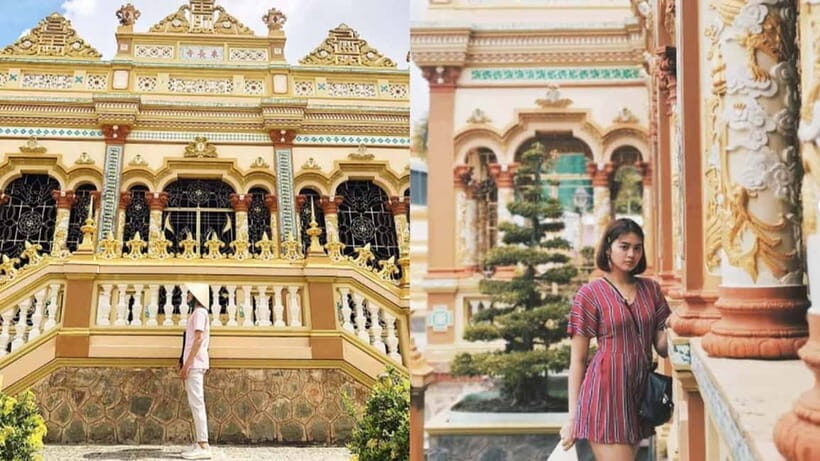
One of the strongest points on this route is Vinh Trang pagoda, described as the largest and most special in the Mekong Delta, and built by Mr. and Mrs. Bui Cong Dat in the 19th century. This temple stop isn’t just a quick photo stop on the roadside. It’s a real cultural anchor before the day shifts to waterways and countryside.
Practical tip: dress comfortably for a temple visit. You’ll be walking, and you’ll want to stay cool.
Boat out to Tien River islets
After that, you go to My Tho Cruise Port and board a boat on the Tien River, with sights toward four islets: Long, Lan, Qui, and Phung. Even when the boat time is part sightseeing and part schedule, this segment helps you understand how the Mekong region lives with the water, not beside it.
Thoi Son (Lan island) village road walk
Then you shift from open water to a slower village pace on Thoi Son (Lan island). You walk along the village road, visit local people’s houses and fruit gardens, and you’ll have time for souvenir photos. This part is where the tour feels more “human scale,” especially if you like seeing everyday life rather than only grand landmarks.
A specific highlight in the plan is the honey bee farm, where you can enjoy honey lemon tea. It’s a classic Mekong Delta “farm visit,” and you’ll get the story behind it—just remember it can also be a place where purchases are encouraged.
Other Can Tho tours we've reviewed
Rowboats through the coconut canals
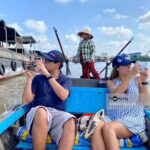
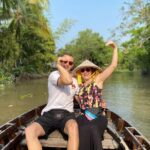
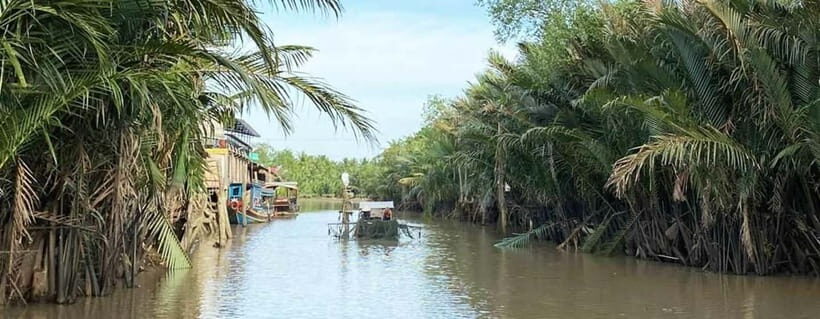
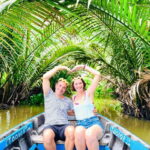
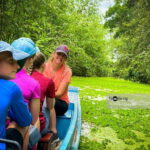
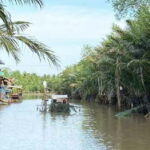
Next comes the part many people remember: you use rowing boats to weave into a small canal with two rows of natural coconut trees. The scenery here is simple, which is the point. It’s not about big attractions. It’s about narrow waterways, palms leaning close, and a sense of how people move through tight spaces.
One caution: some guests report the rowboat ride is very short—around seven minutes. So don’t plan on a long, slow, cinematic cruise. Go for the views you get and keep your camera ready.
Coconut candy and the “make it” feeling
You also visit a coconut candy shop and learn how candy is made from coconut. This is where the tour leans into hands-on demonstration. Even if you don’t buy, you can usually learn how the process works and what shapes the local snack culture.
If you’re sensitive to sales pressure, set a budget before you arrive. It’s easier than saying no under time pressure.
The Monkey Bridge, Crocodile Fishing, and a Lunch That Holds the Day Together
Lunch is scheduled after returning toward My Tho, with a set menu at a restaurant. After lunch, the tour adds optional-feeling downtime activities, which can be fun if you want to slow the pace: you can fish for crocodiles, go to the monkey bridge, rest with a hammock, or experience cycling on the village road.
This is one of those segments where your mood matters. If you want active photo moments and light fun, you’ll probably have a good time. If you dislike animal-focused activities, approach this section carefully. Some people have raised animal-welfare concerns about animal encounters in similar local stops, so if that matters to you, treat these moments as something to skip or watch closely.
Arrival in Can Tho: City Center Hotel and a River Dinner Night
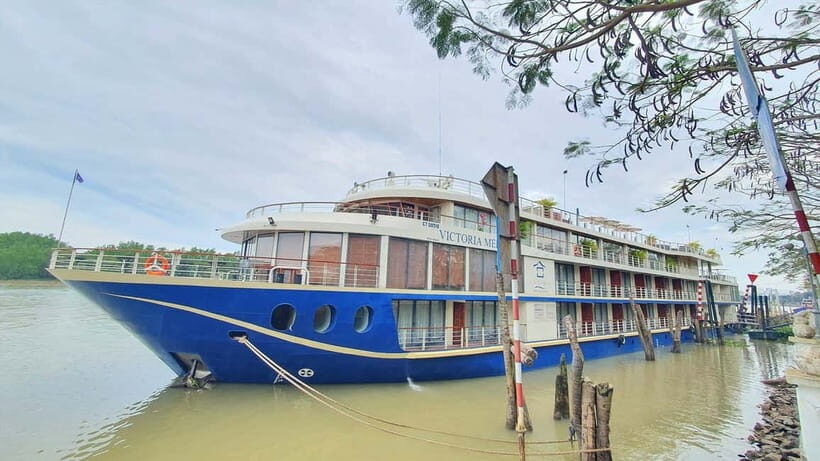
After Day 1 lunch and the afternoon return toward My Tho, you depart to Can Tho, which takes about 2 to 3 hours by road. You check in at a hotel in the city center or equivalent near Ninh Kieu wharf.
In the evening, the plan depends on hotel category:
- If your stay is listed as 3 stars, the bus takes you to Ninh Kieu wharf for dinner on a luxury yacht to explore Western cuisine on the Can Tho river, with Southern amateur music.
- If your hotel is 2 stars, the bus returns you to the hotel and dinner is at your own expense.
Either way, you get some free time after the yacht docks around 21:30. This is your chance to walk around Can Tho at night and get a feel for the port area.
One important reality check: the dinner cruise is billed as a cozy luxury experience, but quality can vary. At least one account describes a very basic setup and lack of comfort, including air-conditioning concerns. If the dinner cruise matters to your decision, ask your operator ahead what the yacht setup is like for your specific departure—and be ready with lower expectations if you want a comfortable meal more than a show.
Day 2: Cai Rang Floating Market by Boat (and Why Timing Matters)
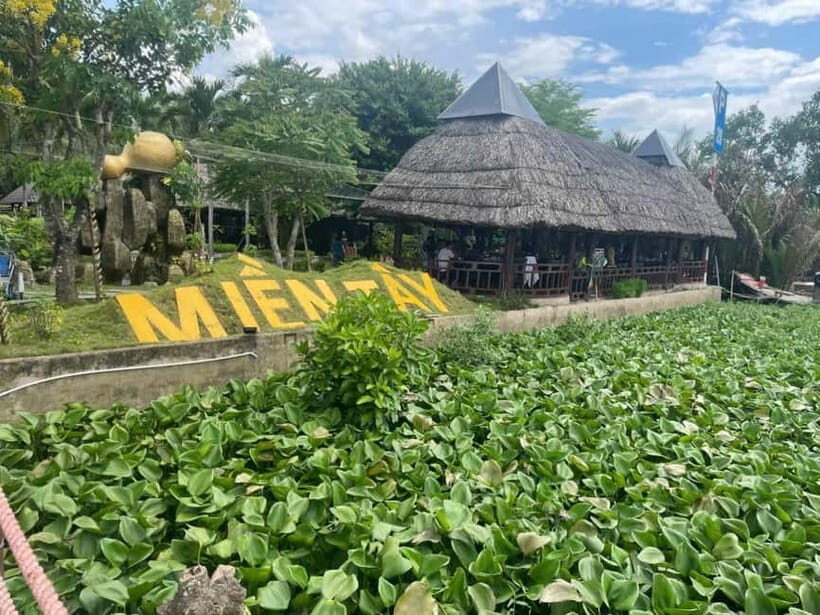
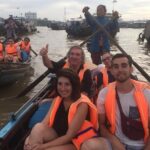
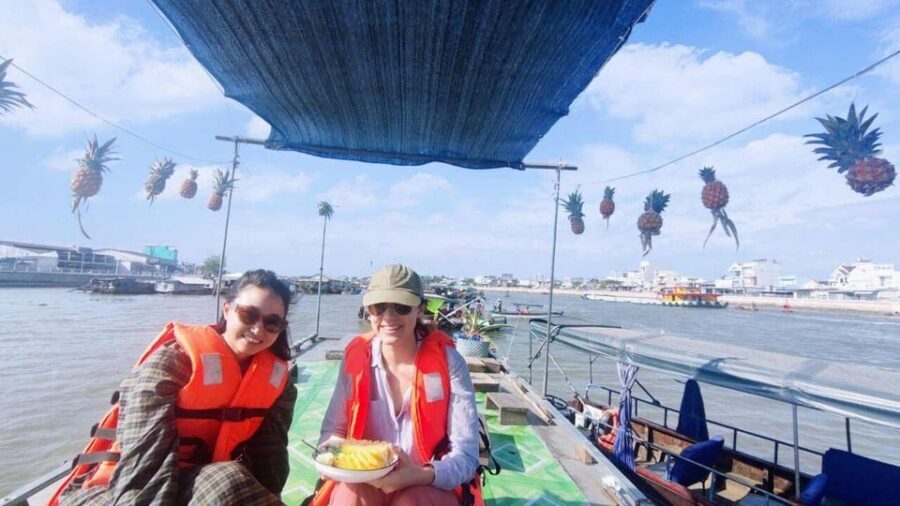
Breakfast is at the hotel around 7:30, then you head to Ninh Kieu wharf again for a boat cruise on the Can Tho river. This is where the tour pays off for most people.
Cai Rang floating market
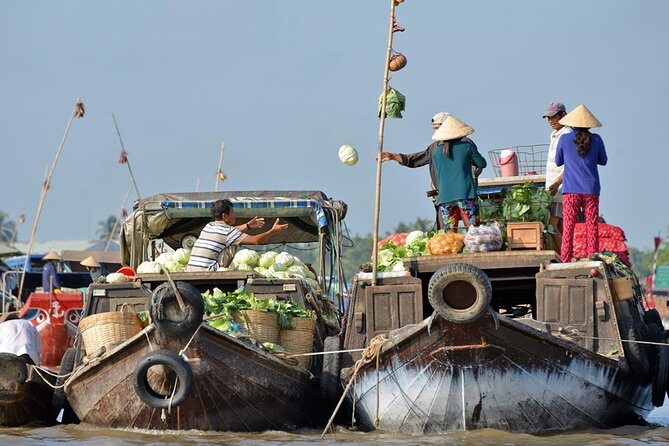
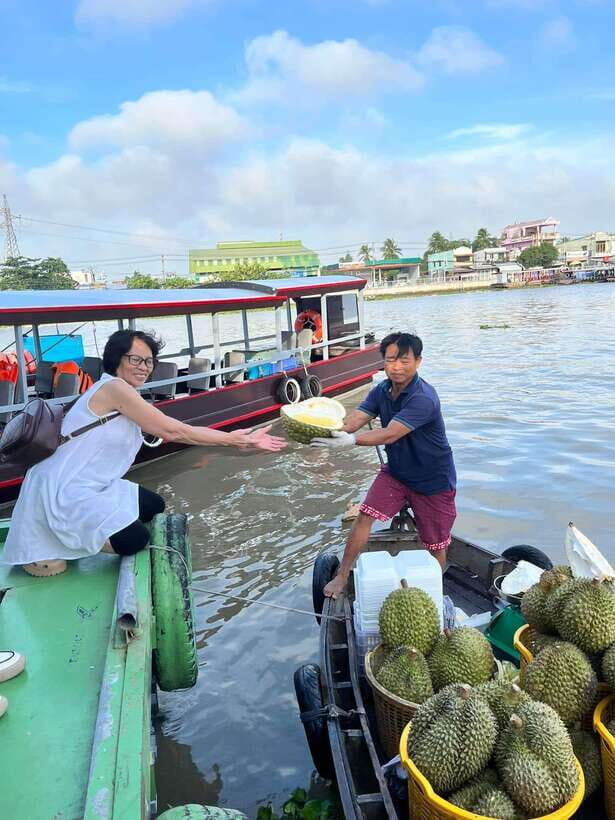
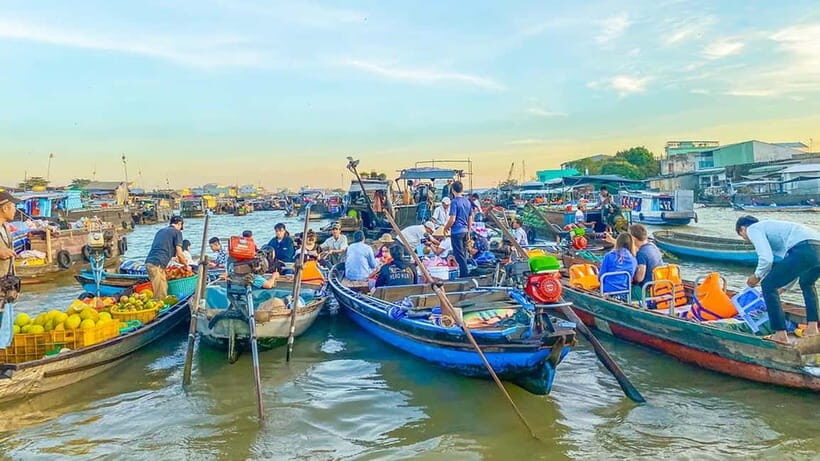
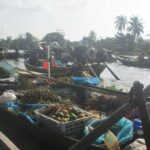
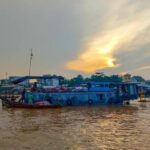
You visit Cai Rang floating market, described as one of the largest floating markets in the Mekong Delta. Seeing a floating market from the water is a totally different experience than seeing it from the bank—boats, cargo, and the fast rhythms of daily trade feel immediate.
Practical tip: keep your eyes moving. Markets look chaotic but follow patterns, and the best moments are often quick.
One caution based on real experiences: some people feel the “floating market” segment can blur into a retail stop by the water rather than a pure market immersion. You can’t control the schedule, but you can control your attitude: go in expecting a guided view of market life, and focus on the real boats and trade activity you can spot.
Hu Tieu craft village
After the floating market, you visit a craft village making Hu Tieu. This noodle-focused stop fits the theme of the region: food, small production, and daily consumption. If you like watching processes, you’ll likely enjoy it more than if you want only big scenery.
My Khanh Ecotourism Village: Fruit Gardens, Flowers, and an Ancient House
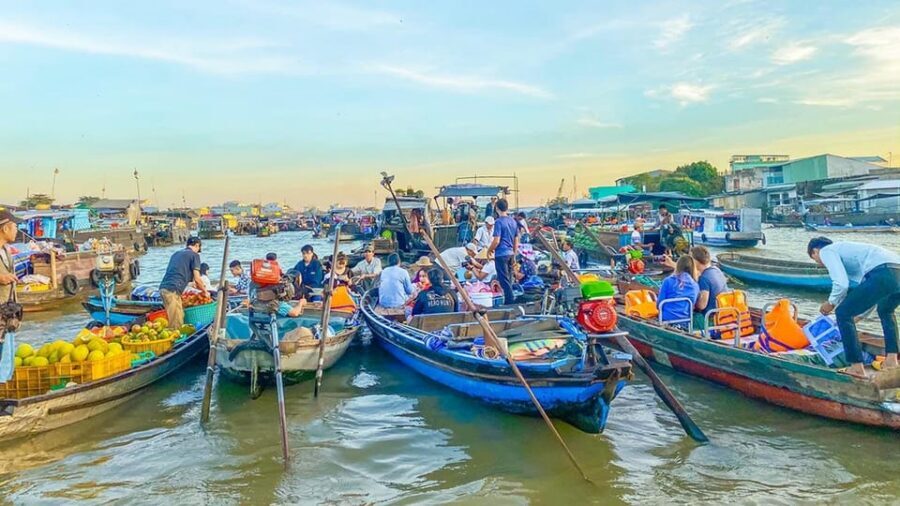
Next up is My Khanh ecotourism village, with tickets included. Here you visit a fruit garden and a flower garden, plus an ancient house over 100 years old.
This is the part of the itinerary that often feels most balanced for people who aren’t into shopping. Gardens give you space to breathe, even if the tour keeps you on a schedule. You’ll likely get photos in a calmer setting, and the ancient house adds a bit of “ordinary old life” to break up the more performance-style stops.
Then there’s lunch at My Khanh, followed by some free time to relax.
One note: free time in a structured village still isn’t full independence. You’ll be working within the park’s rhythms, so if you want long unplanned wandering, you may feel boxed in.
Purple House Can Tho: A Self-Ticket Stop With a Very Specific Look
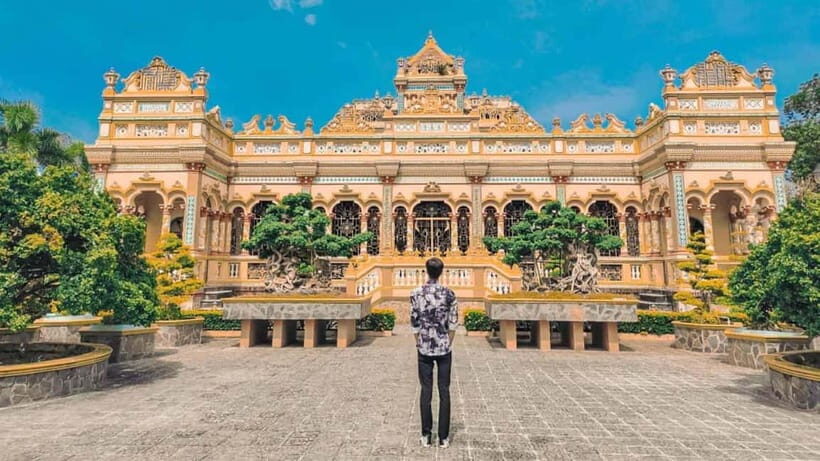
In the afternoon, you head to the Coffee – Can Tho Purple House film studio. This is one of those destinations with a strong gimmick: a studio and campus where the look is built around one dominant color, all purple.
Tickets for this are self-purchased, so factor that into your spending. Also, this stop works best if you enjoy quirky photo locations and film-studio vibes. If you’d rather be on the river again, treat it as an optional-feeling add-on rather than the heart of the day.
You return to Ho Chi Minh City, and the day wraps around 17:30.
Price and Logistics: Getting Your Money’s Worth at $100
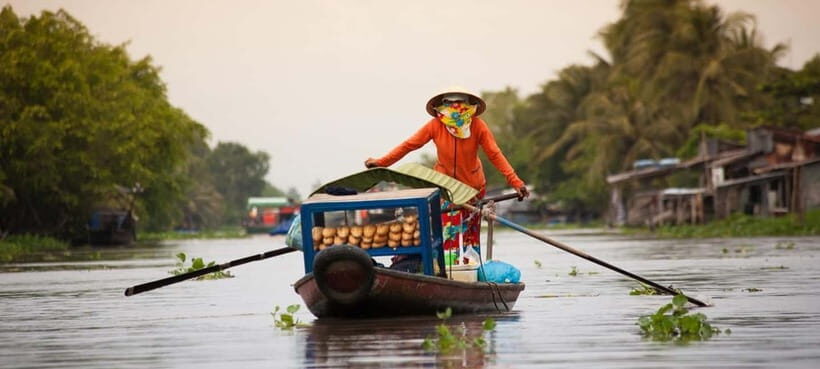
At $100 per person, this two-day Mekong Delta tour is priced like a midrange package that includes: air-conditioned bus travel, boat time, hotel in Can Tho, life jackets, and meals (two lunches and one breakfast). For many people, that’s the value story—pay once, get the structure, don’t worry about arranging the boat portion yourself.
But here’s the tradeoff: package pricing often goes hand-in-hand with partner stops. Those stops can be anything from demonstrations to shopping-focused locations. Some guests report hard selling and extra costs layered onto experiences.
So here’s how I’d judge value before you buy:
- If you want a guided route with minimal planning, the included hotel + meals + boats can be a solid deal.
- If you hate sales pressure or want long, unbroken time at each sight, the experience may feel rushed or padded.
- If you care deeply about animal welfare, you should think twice about animal-focused attractions and decide how you’ll handle them.
Who This Tour Fits Best (and Who Should Skip It)
This tour is a good fit if you:
- want a straightforward Mekong Delta weekend from HCMC
- enjoy boat scenery and market atmosphere
- like garden visits and farm-style stops
- are okay with a busy schedule and a guide keeping everything moving
It’s a weaker fit if you:
- want long rowboat time or deep, unhurried village immersion
- dislike shopping pressure or extra add-ons
- are very uncomfortable with animal encounter setups in rural tourist venues
Also, language can matter. The tour lists English along with French and German, and the operator is Duy Amma. One account praises a guide with good English. Another account complains that much of the tour felt foreign-language-heavy and that key content wasn’t communicated well. If English clarity is essential, it’s worth confirming in advance that you’ll get an English-speaking guide.
Should You Book This Mekong Delta Tour?
Book it if you want an efficient, two-day taste of the Mekong Delta with big hits like Vinh Trang pagoda and Cai Rang floating market, plus a Can Tho hotel and meals handled for you. It’s good value when you approach the day as a guided route with scheduled stops.
Skip or rethink if you’re easily turned off by hard selling, short on-water segments, or if you strongly prefer independent travel. This itinerary can be fun, but it’s not a quiet, low-pressure countryside retreat.
If you do book, go in with a simple game plan: decide what you’ll pay for ahead of time, be selective about optional activities, and focus on the water and scenery—the parts that don’t feel negotiable.
FAQ
How early is pickup on Day 1 from Ho Chi Minh City?
Pickup is scheduled from about 7:30 to 8:30 near Ben Thanh Market.
What meals are included in the tour?
You get 2 lunches and 1 breakfast included.
Where is the hotel in Can Tho?
The hotel is in the city center or equivalent hotel near Ninh Kieu wharf.
What boat rides are included?
You’ll take boats on Day 1 on the Tien River, and you’ll also do a Can Tho river cruise on Day 2 to reach Cai Rang floating market.
Is the Purple House film studio ticket included?
No. The Coffee – Can Tho Purple House film studio has a self-purchased ticket.
Do you provide life jackets?
Yes. Each person is equipped with one life jacket.