REVIEW · CAN THO
From Can Tho: Romantic 1 – 2D1N
Book on Viator →Operated by Mekong Realism · Bookable on Viator
Two days, and the Mekong feels personal. This 2D1N Can Tho trip pairs easy biking, fruit-and-sunset scenery, and a morning floating-market ride with real explanations about how life works here. I especially like that the trip leans on local insight, not just sightseeing—your guide team is made up of Gen Z locals from Vietnam’s top universities, and they connect everyday habits to bigger topics like culture, history, politics, philosophy, and the local economy.
What I really like is how the food and the scenery show up in the same flow. You taste seasonal fruits (including mango, pineapple, and jackfruit), and your afternoon ride through the My Khanh area includes rice-field views that make sunset feel like part of the schedule, not an extra detour. You also get dinner and breakfast plus a pool stop at your eco homestay (or a luxury hotel, depending on what’s arranged), which helps this tour feel like a complete weekend plan rather than a rushed day trip.
One possible drawback: it starts 2:00 pm and then you’ll be up early the next morning (pickup is 6:30 am for Cai Rang). If you dislike early starts or you’re not into cycling for stretches, you may find the timing a bit tight, especially if the weather isn’t cooperating.
In This Review
- Key things I’d zero in on
- Setting Off in Can Tho: Bamboo Eco Village at 2 pm
- Day 1 Bike Ride Through My Khanh Villages and Rice Fields
- Fruit breaks make the ride feel local
- The hidden value: trades and daily life stories
- Pool-Backed Comfort: Eco Homestay, Dinner, and Guide-Driven Context
- A small-group vibe helps the stories land
- Drinks are part of the theme
- Evening Sunset Energy: Timing From Late Afternoon to Night
- Cai Rang Floating Market at 6:30: Sampan Trading and River Breakfast
- Coffee and noodle soup on the river
- What I like about this market stop
- Muoi Cuong Cocoa Farm: Organic Growing Meets Chocolate-Coffee Moments
- A note on expectations
- Lò hủ tiếu Chín Của Noodle Factory: Hand-Made Rice Noodles
- Why noodle factories work on tours
- My Khanh Canal Time: Sampan Through Complex Little Waterways
- Price and Value: What $170 Covers for Two Days in Can Tho
- When the price might feel less “worth it”
- Who Should Book This 2D1N Mekong Delta Trip
- Should You Book This Tour or Look Elsewhere?
- FAQ
- What time does the tour start?
- How long is the experience?
- How much does it cost?
- What is included in the price?
- Do I get tickets for the main sites?
- Is there a place to stay overnight?
- What kind of tour group size should I expect?
- Is this tour weather-dependent?
- Can I cancel for a refund?
Key things I’d zero in on
- Gen Z university guides who explain Vietnam’s daily life with context, not stock facts
- Cai Rang Floating Market by sampan, plus coffee and noodle soup on the river
- My Khanh biking + rice-field sunset with seasonal fruit breaks
- Muoi Cuong cocoa farm focused on organic growing and what you can taste from it
- Lò hủ tiếu Chín Của noodle factory where rice noodles are made by hand
- Small group size (max 15) for a more personal pace
Setting Off in Can Tho: Bamboo Eco Village at 2 pm
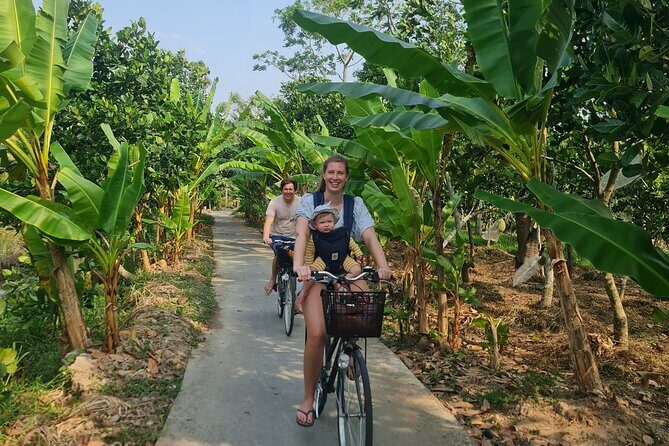
Most Mekong Delta tours hit you with a pickup, a ride, and then a string of stops. This one starts with a more relaxed rhythm. You meet at Bamboo Eco Village in the My Thuan / Ninh Kieu area of Can Tho, and the tour begins at 2:00 pm, so you avoid the classic morning scramble.
That matters because Day 1 is built around walking less and seeing more slowly. You’ll check in around mid-afternoon, then head out on a bike trip through peaceful villages. In plain terms: you get time to settle your bag first, so the first activity feels like an experience instead of a sprint.
Also worth noting for expectations: the tour is run by Mekong Realism, and you’ll have a local English-speaking guide throughout. Even if you already know a bit about Vietnam, I like that the guide approach is framed as understanding how people live, not just collecting photo stops.
Other Can Tho tours we've reviewed

Day 1 Bike Ride Through My Khanh Villages and Rice Fields
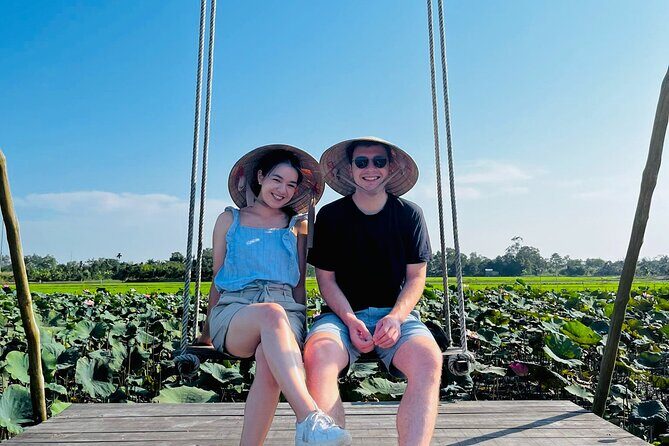
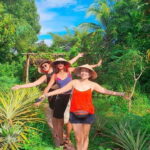
The heart of Day 1 is the cycling route in the My Khanh area. The plan is to ride through quiet paths, meet friendly locals, and take in that Mekong Delta sense of “small things happening all the time.” It’s not about climbing viewpoints; it’s about watching everyday life move past you at human speed.
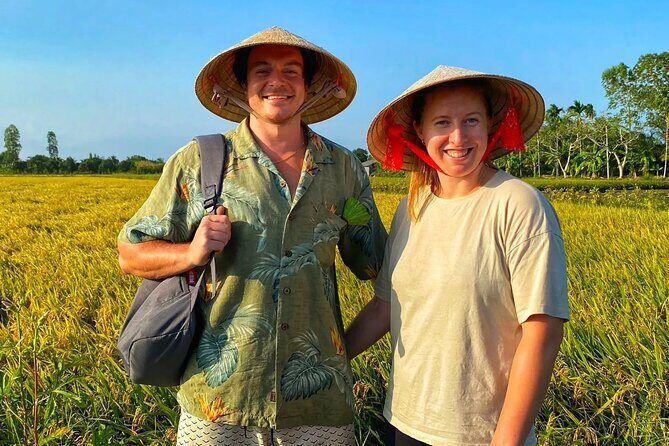
Then you roll into a Rice Fields Experience window, timed from 2:30 pm until 6:30 pm. This is where the Mekong Delta starts looking like what people imagine: rice paddies, seasonal fruit, and the golden light that makes the landscape feel warm even before the sun fully drops.
Here’s the practical part: because this day runs from afternoon into sunset, you’ll want to be comfortable in the saddle for stretches and ready for changing light. Bring whatever helps you stay comfortable (water is smart, and sun protection is a good idea), but the bigger key is mindset. This is a “slow looking” kind of ride, not a thrill-bike trail.
Fruit breaks make the ride feel local
Instead of treating snacks as an afterthought, the tour includes fruit like mango, pineapple, and jackfruit. I like this because it keeps you tied to the place you’re passing. You’re not just watching agriculture; you’re tasting it, and the flavors help your brain connect what you saw to what people actually eat.
The hidden value: trades and daily life stories
One detail I’d pay attention to is that your guide time includes more than scenery narration. In addition to market and food themes, you might hear about local work like how some communities produce rocks used for building, plus how daily routines and local production connect back into the larger economy of the region.
That’s the kind of info that makes this tour feel more “learnable” and less “touristy,” especially if you’re hoping to understand Vietnam beyond its postcard images.
Pool-Backed Comfort: Eco Homestay, Dinner, and Guide-Driven Context
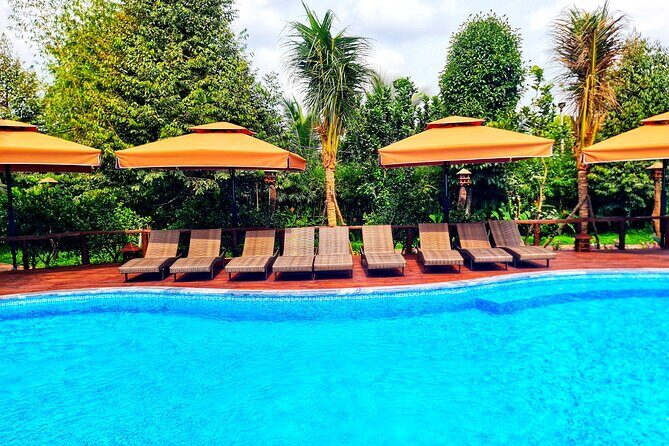
After the biking portion, you’re set up to relax. The itinerary includes one night accommodation at an eco homestay with a swimming pool, or a luxury hotel option depending on what’s available and included for your group. Either way, you’re not sent straight into the next activity the moment you finish riding.
Dinner is included, and that helps keep the evening simple. In tours like this, the best evenings are the ones where you don’t have to think too hard. You’re tired in a good way, you’ve got a meal handled, and you can take your time before the early start.
What I find especially useful is how the guide team uses downtime and ride time for context. The overview says the guide team brings knowledge spanning culture, history, politics, philosophy, economy, and daily life. You’ll feel that in how they explain what you’re seeing: why floating commerce works here, how food production shapes the region, and what daily routines look like from the inside.
Other multi-day Mekong Delta tours we've reviewed

A small-group vibe helps the stories land
With a maximum of 15 travelers, the guide can actually talk with you instead of sounding like a loudspeaker addressing a crowd. That may not sound dramatic on paper, but in a place where daily life is the main attraction, it’s a big deal.
Drinks are part of the theme
You’re also included for drinks such as chocolate, coffee, and coconut. On a hot day in the Mekong Delta, drinks aren’t just a perk—they’re a reset. And because the trip also includes a cocoa farm and noodle factory later, the drink choices fit the broader food focus rather than feeling random.
Evening Sunset Energy: Timing From Late Afternoon to Night
This is one of those tours where the schedule is doing a lot of the work. Day 1 includes the bike ride and rice-field scenery through the late afternoon (with the rice field window running until 6:30 pm). The payoff is that you’re seeing the Mekong Delta during the hours when colors shift and the light changes.
I like this approach because sunset on its own can become a vague hope—maybe you’ll catch it, maybe you won’t. Here, the tour keeps you moving with purpose, and you’re already positioned to see the light as it arrives.
You can then unwind at the homestay. With dinner and pool time built in, the night doesn’t feel empty or leftover.
Cai Rang Floating Market at 6:30: Sampan Trading and River Breakfast
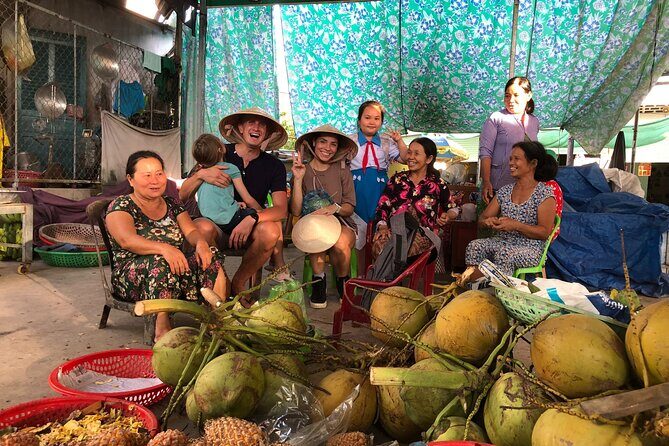
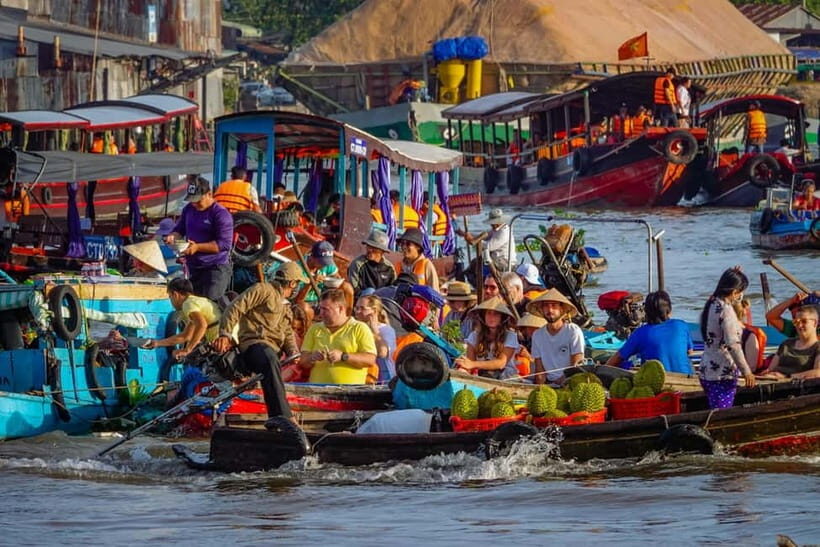
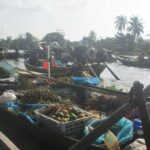
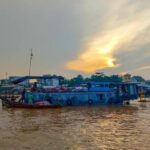
If Day 1 is about quiet land life, Day 2 is about movement on the water. Pickup for the floating market is at 6:30 am, which is early, but it’s also the right call. Cai Rang is the largest and most authentic floating market in Vietnam, and the idea is to catch it in action when trading looks most vivid and purposeful.
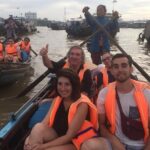
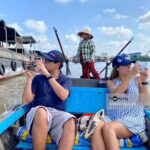
You’ll ride a sampan and watch exchange of goods on the canals. This is where you’ll start understanding why people here build livelihoods around waterways instead of roads alone.
Coffee and noodle soup on the river
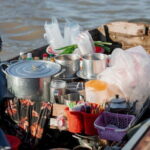
The overview notes that you can enjoy coffee and noodle soup on the river. That’s not just a breakfast moment; it’s a cultural one. You’re eating in the same environment where sellers and buyers are working, so it feels tied to place rather than a stop for fuel.
A practical tip: river mornings can feel cooler than you expect if it’s windy or damp. Even if the day ends hot, your body might appreciate a light layer at dawn.
What I like about this market stop
The best floating-market tours don’t turn into just watching from a distance. This one is structured so you’re actually on the water. You see how sampans navigate, how goods are arranged, and how daily commerce happens at a human scale rather than as a theme-park performance.
Muoi Cuong Cocoa Farm: Organic Growing Meets Chocolate-Coffee Moments
After Cai Rang, the tour shifts to a food-focused production stop: Muoi Cuong Cocoa Farm. It’s about organic growing and a crop that changed the local mix. The supplied details mention that the owner’s father brought cocoa plants back from Malaysia in 1960, introducing a very different crop to the region.
I like this farm stop because it answers the question, where does chocolate come from here? You’re not only getting a sweet tasting moment. You’re getting the story behind why this crop exists in this part of Vietnam at all.
You’ll also get drinks tied to the theme—chocolate is specifically listed, along with coffee and coconut. When a tour includes a farm plus the drinks that come from that world, you get a clearer sense of what’s being produced and why people value it.
A note on expectations
A cocoa farm visit can vary in how much hands-on you get. The data here tells you the farm visit is 1 hour, and the focus is on the organic farm story. Plan to learn, ask questions, and enjoy the slower pacing rather than expecting a factory-like show.
Lò hủ tiếu Chín Của Noodle Factory: Hand-Made Rice Noodles
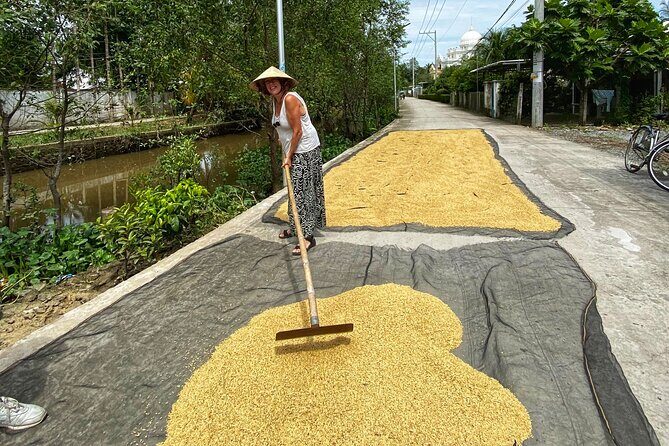
Next you visit a local rice noodle factory: Lò hủ tiếu Chín Của. This is one of those stops I consider high value because it’s simple and specific. You step into a family factory and see rice noodles made by hand, the way locals have done for generations.
The factory time is about 50 minutes, which is long enough to watch a process and short enough to keep your energy for the boat time later. Admission is listed as free, so you’re not paying extra to watch basic production that locals treat as normal work.
Why noodle factories work on tours
Food production stops are only worth it if you get context. With this tour, you’ll likely connect what you see—hand-made shaping, the mechanics of rice-to-noodle—with what you tasted earlier (noodle soup on the river) and what you’ll learn from the guide in terms of local daily life.
That connection is what turns a factory visit into a story, instead of a walk-through.
My Khanh Canal Time: Sampan Through Complex Little Waterways
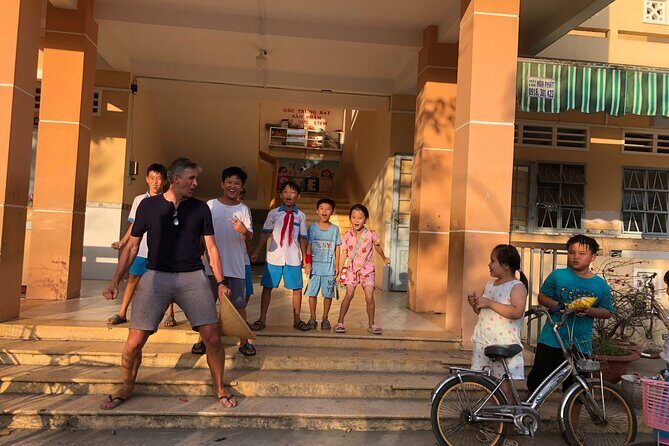
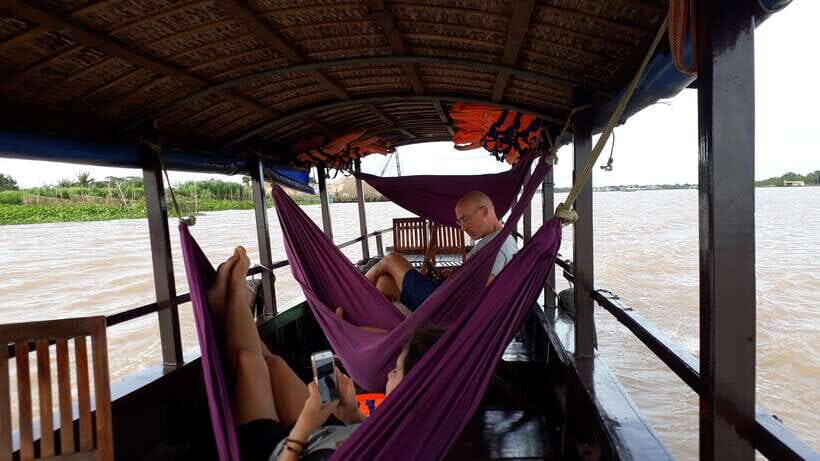
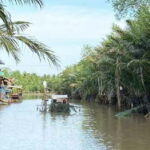
In the later afternoon portion of Day 2, you return to the My Khanh area for a quieter boat segment. The itinerary indicates you’ll take a sampan through small but complex canal systems, with time to relax and take a slow moment to meditate on the tranquil part of the trip.
This is the stop that balances everything else. Floating market mornings and food production visits can feel intense. A calmer canal ride helps you absorb what you learned without constant stimulation.
I also like that this portion is described as serene. It’s not pushing you to race between checklists. You get time to sit, look, and let the rhythm of the water come to you.
Price and Value: What $170 Covers for Two Days in Can Tho
At $170 per person for an approx. 2-day program, you’re paying for more than transport. Here’s what the package explicitly includes:
- Dinner and breakfast
- One night accommodation at an eco homestay with pool or a luxury hotel option
- Local English-speaking guide
- Fruit (mango, pineapple, jackfruit)
- Drinks including chocolate, coffee, and coconut
- Cai Rang floating market ticket included, with other key site admission listed as free in the schedule
That adds up, especially because you’re getting both the land-based biking experience and the water-based market experience with guided time.
The group size (max 15) is also a value signal. Smaller groups usually mean less rushed interaction and easier communication with the guide.
When the price might feel less “worth it”
If you already know you’ll want to spend extra time on your own in Can Tho beyond what’s scheduled, or if you dislike early mornings and biking, the fixed structure can feel limiting. For the right traveler, though, it’s a fair price for a full two-day food-and-life itinerary.
Who Should Book This 2D1N Mekong Delta Trip
This tour fits best if you:
- Want authentic local context, not just photos
- Enjoy food and learning where it comes from (cocoa and rice noodles are real highlights here)
- Like small-group pacing and guided storytelling
- Can handle an afternoon start and an early floating-market morning
It may be less ideal if you:
- Get uncomfortable with cycling for stretches
- Hate starting before sunrise
- Are sensitive to weather changes, since the experience needs good conditions
Should You Book This Tour or Look Elsewhere?
I’d book it if your goal is to understand the Mekong Delta through daily life—on bikes, on a sampan, and in the places where food gets made. The biggest “yes” for me is the guide model: local university-connected Gen Z guides who bring context across culture, politics, philosophy, and economics. That makes the trip feel like you’re meeting a place, not just touring it.
But if you mainly want effortless sightseeing with minimal early mornings, or if biking isn’t your thing, you might prefer a more road-and-boat-only format.
FAQ
What time does the tour start?
It starts at 2:00 pm at Bamboo Eco Village in the My Thuan area of Ninh Kieu, Can Tho.
How long is the experience?
It’s listed as 2 days (approx.).
How much does it cost?
The price is $170.00 per person.
What is included in the price?
The tour includes dinner, breakfast, one night accommodation (eco homestay with swimming pool or luxury hotel), a local English-speaking guide, fruit (mango, pineapple, jackfruit), and drinks (chocolate, coffee, coconut).
Do I get tickets for the main sites?
The Cai Rang Floating Market admission ticket is included. Other admissions are listed as free within the schedule.
Is there a place to stay overnight?
Yes. You get one night at an Eco Homestay with a swimming pool or a luxury hotel option.
What kind of tour group size should I expect?
The maximum group size is 15 travelers.
Is this tour weather-dependent?
Yes. It’s stated that the experience requires good weather, and if it’s canceled due to poor weather you’ll be offered a different date or a full refund.
Can I cancel for a refund?
You can cancel up to 6 days in advance for a full refund, with partial refunds available if you cancel 2–6 days before the experience starts.