REVIEW · CAN THO
Mekong Delta 4-Day Tour: Ho Chi Minh-Chau Doc-Can Tho-Ca Mau
Book on GetYourGuide →Operated by VIET FUN TRAVEL COMPANY LIMITED · Bookable on GetYourGuide
Cruising the Mekong feels like a moving neighborhood. I like how this route packs boat time and hands-on food stops into every day, from fruit orchards and bee honey tea to a coconut candy workshop. I also like the small-group feel (18 people max) with an English-speaking guide and enough structure to keep the long travel days from feeling chaotic. The main drawback is the pace: you’ll spend plenty of hours on coaches and boats, so plan for long days and don’t expect a slow, lounging trip.
You’ll cover seven provinces in Southern Vietnam, starting with Ho Chi Minh City and finishing back at the city after Ca Mau, Bac Lieu, and Soc Trang. The highlights are very specific: unicorn-style island hopping on day one, Tra Su Forest stilt-houses on day two, the Cai Rang floating market on day three, and the Ca Mau cape on day three or four depending on timing. If you get motion-sick easily, consider bringing what you need before the boat and road segments.
In This Review
- Key things I’d plan around
- Entering the Mekong: what this 4-day loop is really like
- Day 1: Saigon to My Tho canals and Chau Doc temples
- Day 2: Chau Doc pagodas, Tra Su Forest stilt houses, and Long Xuyen crocodiles to Can Tho
- Day 3: Cai Rang floating market by boat and the Ca Mau cape at Vietnam’s far south
- Day 4: Tac Say church, Bac Lieu’s old mansion, Soc Trang’s Som Rong pagoda, back to Saigon
- Price and value: what $270 buys in a multi-province 4-day tour
- What transportation feels like (and how to make it easier)
- Who this Mekong Delta tour suits best
- Should you book this Mekong Delta tour?
- FAQ
- What is the duration of this Mekong Delta tour?
- What price should I expect to pay?
- How many nights are included?
- How big is the group?
- Which languages are available for the tour guide?
- Are meals included?
- Is bottled water included?
- What transport is included in the itinerary?
- Are lifejackets provided for boat rides?
- What key stops should I expect?
Key things I’d plan around
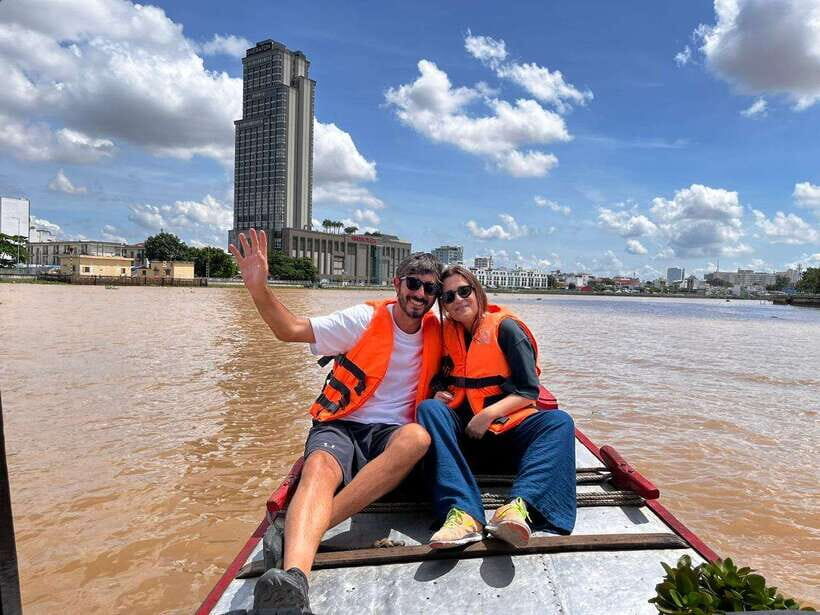
- Boat-heavy itinerary: canal row-boat moments and long motor-boat rides are built in.
- Cai Rang on the morning run: you go for the Mekong’s busiest floating market moment.
- Tra Su Forest stilt houses: you see the cajuput-tree setting from the water.
- Hands-on food culture stops: honey tea, bee farm time, and coconut candy making.
- A temple and pagoda rhythm: Tay An Pagoda, Vinh Trang, Xu Lady Temple, and Som Rong.
- 7 provinces in 4 days: great for variety, but expect a packed schedule.
Entering the Mekong: what this 4-day loop is really like
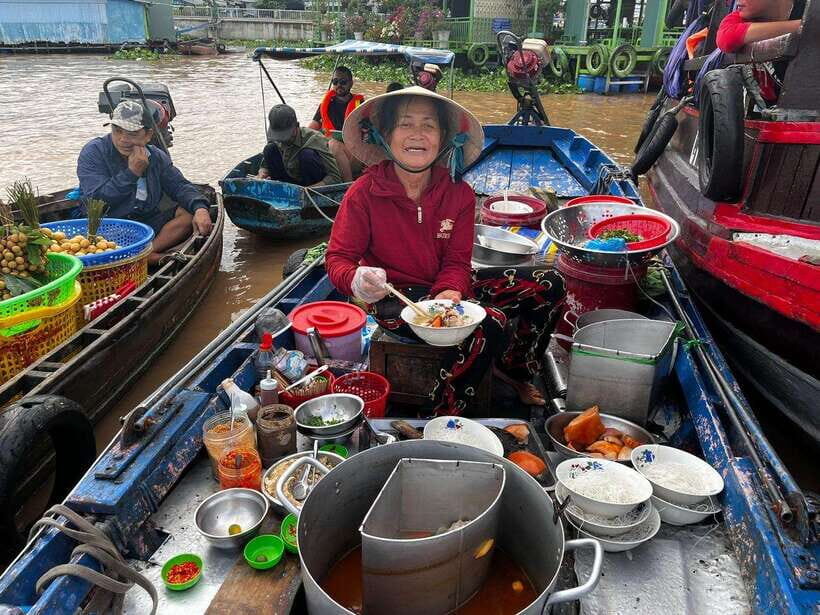
This tour is designed for people who want the Mekong Delta in one trip, without stitching together separate local day tours. You’re moving across multiple provinces—My Tho and Ben Tre energy, Chau Doc’s river culture, Can Tho’s market life, then down to Ca Mau and beyond.
What makes it feel worthwhile is the balance of three styles of experiences. You get river travel (the big “wow” factor), food and small production stops (the stuff you can taste), and spiritual landmarks (pagodas, temples, and a couple of tomb visits). It’s not only about photos; you’ll be able to explain what you ate and what the water-town life is like once you’re home.
Other Can Tho tours we've reviewed

Day 1: Saigon to My Tho canals and Chau Doc temples

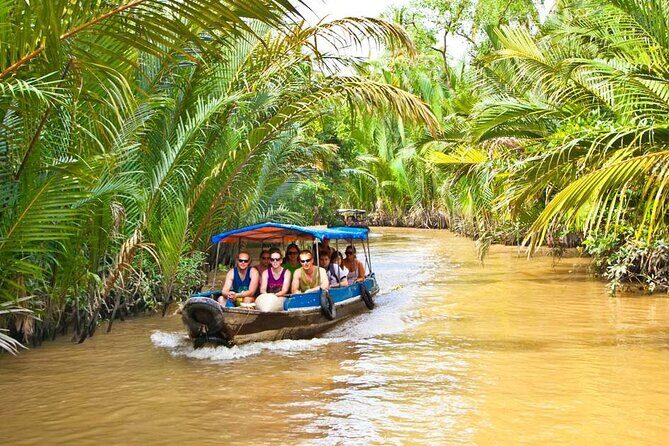
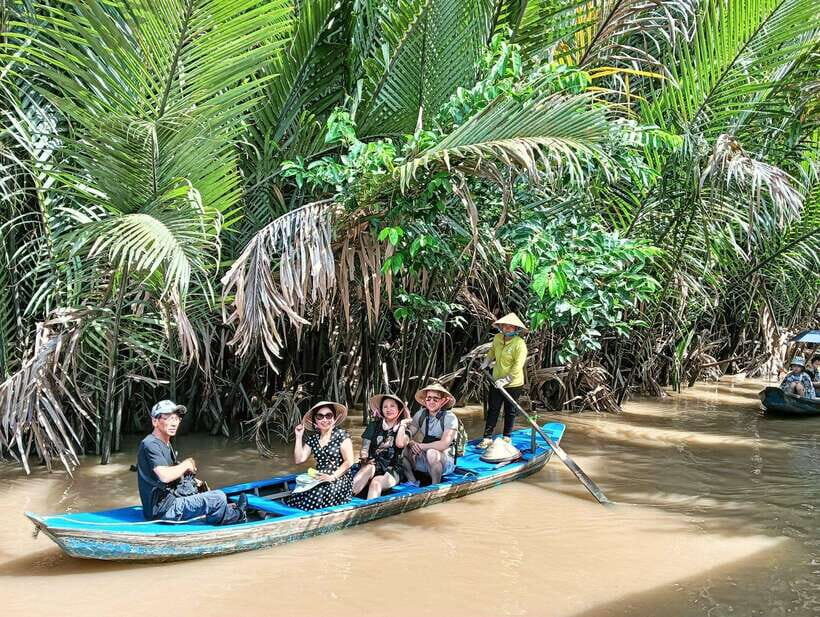
Day one starts with a transfer from Saigon to My Tho, where the experience shifts quickly from city to river. You board a motor boat and then switch to a row boat for canal viewing, including the classic water coconut-tree scenery. This is one of those moments where the speed drops and you actually notice daily rhythms—how the water village layout works and how close daily life sits to the river.
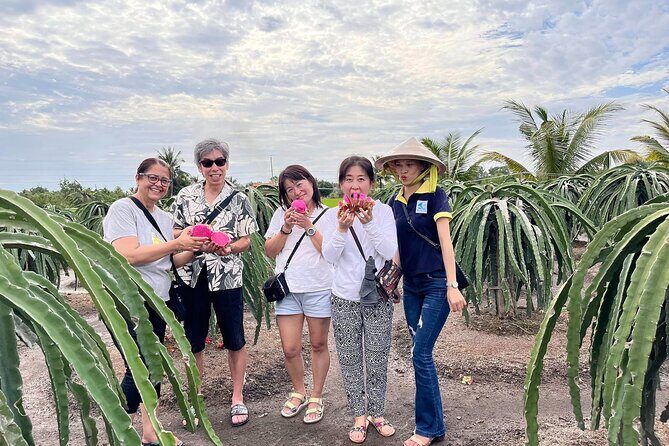
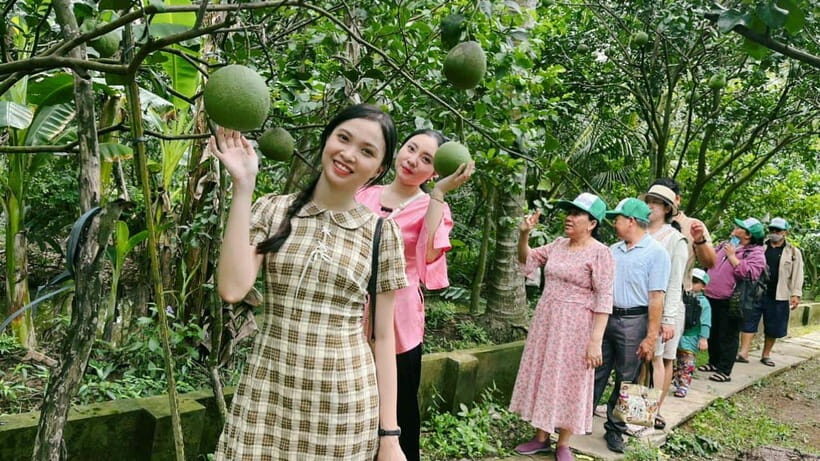
From there, the itinerary leans into food and small-scale local craft. You’ll get fruit time, a stop at a bee farm, and a cup of honey tea (a simple taste, but it fits the region’s agricultural focus). You also visit a coconut candy workshop/factory and pick up handcrafted items, which is a smart way to see the delta’s “working culture” instead of only its tourist highlights.
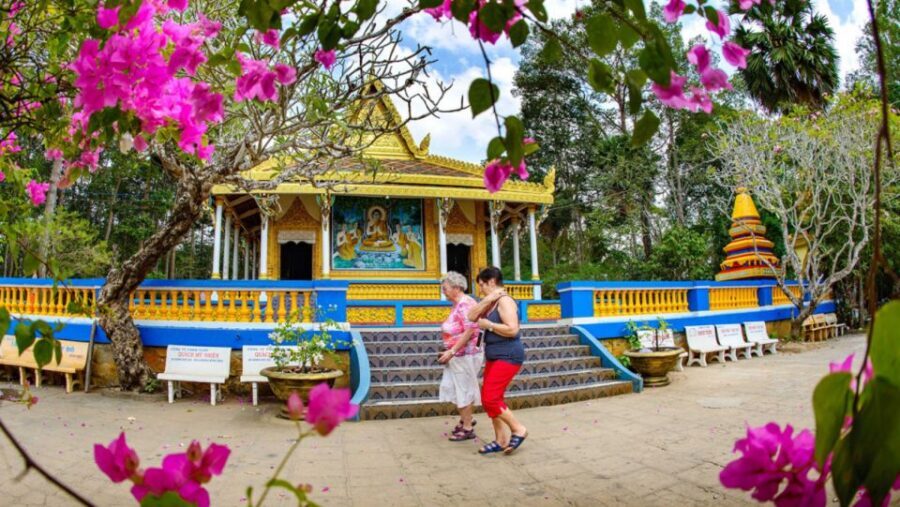
You’ll then fold in Vinh Trang Pagoda before heading to Chau Doc for your night stay. In a trip that’s heavy on boats, this pagoda stop is a useful break for your legs and your mind. It also helps you frame the delta’s spiritual side, not just the commercial river stuff.
Why I think this day works: it gives you immediate river payoff, then layers in production and culture, then ends at Chau Doc so day two starts in the right place.
Possible consideration: day one is not short, and boats plus walking around workshops can add up fast. If you’re sensitive to heat, bring something light for sun coverage.
Day 2: Chau Doc pagodas, Tra Su Forest stilt houses, and Long Xuyen crocodiles to Can Tho
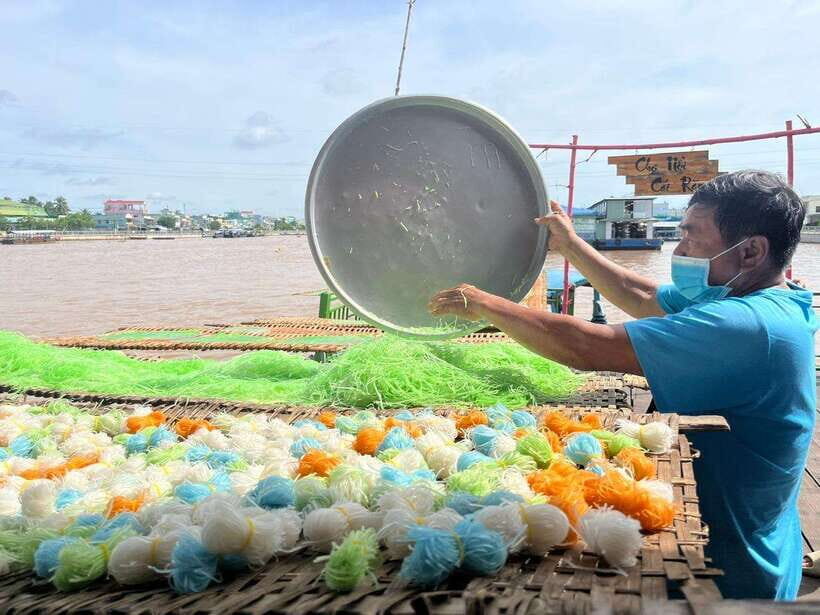
Day two opens with cultural stops in Chau Doc, including Tay An Pagoda, the Thoai Ngoc Hau Tomb, and the Xu Lady Temple. Even if you’re not a big temple person, these stops are helpful because they add local context. You see how river communities anchor identity with worship and remembrance, not only trade.
After that, the tour heads toward Tra Su Forest by coach. Then comes the signature part: a long motor-boat ride through the forest area. The standout detail here is the set of small houses on stilts, with rudimentary bamboo ceilings tightened to cajuput trees. That kind of practical construction makes the scenery feel less like a postcard and more like a living system built to deal with water levels.
From Tra Su, you continue to a crocodile farm in Long Xuyen. This is one of those mixed-bag stops that some people love and some people just tolerate. Still, it’s an easy add-on to the day because it keeps you moving between regions while giving you a clear “delta industry” example. If you’re animal-focused, treat this as a chance to observe local farming realities, not a wildlife rescue mission.
Then you transfer to Can Tho for the night. This is a practical pivot: Can Tho is the staging point for the floating market experience on day three, so you get set up where you need to be instead of commuting at the last minute.
Day 3: Cai Rang floating market by boat and the Ca Mau cape at Vietnam’s far south
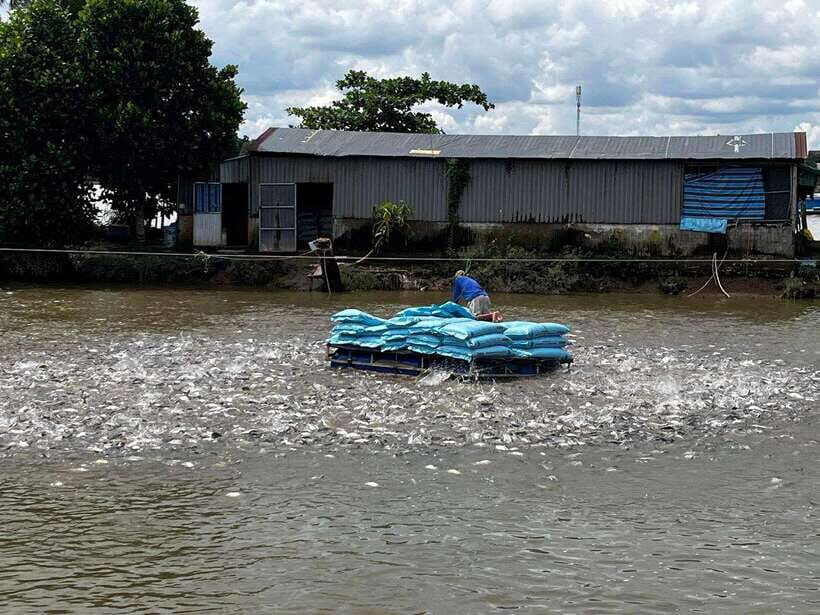
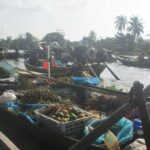
Day three is built around the river’s most famous stage: Cai Rang floating market. You go by boat, and you’re in position for the biggest market in the whole Mekong Delta. This matters, because floating markets aren’t just a location—they’re a timing game. The best atmosphere happens when boats are actively trading, and the tour is structured to be there during the main operating window.
When you’re on the water, Cai Rang feels different than a land market. You notice how everything is organized around access to the river, and you see how quickly commerce moves. If you like people-watching, this is where you’ll get the most nonstop motion. If you like food, the market energy makes every tasting stop feel more meaningful later.
After Can Tho, the tour moves down toward Ca Mau and the Mui cape area, described as the end of the country with forest and sea. One of the more fun photo moments is the stop for an iconic miniature of a boat full of wind. You can touch the landmark and take pictures right by the symbol, which is exactly the sort of quick, memorable stop that helps balance the earlier, more intense boat time.
Why this day feels like value: it gives you both a major cultural market experience and a geographic “you’re really at the edge” moment. Even if you’ve seen floating markets in photos, being on the water here changes how real it feels.
Possible consideration: you’ll likely do more in a single day than your average city tour. If you want downtime, schedule it mentally on this trip by limiting extra shopping stops beyond what’s on the program.
Day 4: Tac Say church, Bac Lieu’s old mansion, Soc Trang’s Som Rong pagoda, back to Saigon
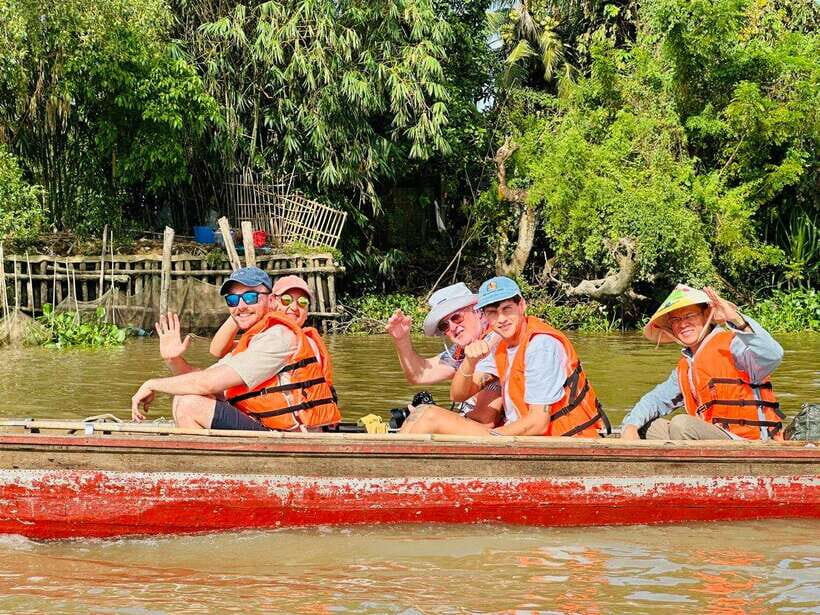
Your final day layers three cultural stops across different delta corners before returning to Saigon.
First is Tac Say church, which gives you a change of tone from the pagodas and river-life temples earlier in the trip. Next, you visit Bac Lieu old house, tied to one of the richest and most flamboyant figures in Southern Vietnam. The point of this stop isn’t just architecture; it’s contrast. After days of water trade and farming, the old house shows how wealth and influence developed in the region too.
Then you head to Som Rong pagoda in Soc Trang, noted as a national art relic. This is a strong closer because it’s tied to heritage recognition, not only local fame. After a trip that spends most of its time on water and transport, this kind of landmark can feel grounding.
Finally, you wrap up back in Saigon. If your travel plans allow it, I like giving yourself the next day for a slow reset after a tour like this. You’ll probably be tired in the good way: legs a bit sore, senses full of water, markets, and temple details.
Other Chau Doc and floating village tours we've reviewed


Price and value: what $270 buys in a multi-province 4-day tour
At $270 per person for four days, this is priced like a real package with transportation and meals, not like a light add-on. Here’s what that price covers based on what’s included:
- Coach transfers between regions plus multiple boat trips
- An English-speaking tour guide
- 4 lunches, 3 dinners, 3 breakfasts
- 3 nights of accommodation
- Entrance fees
- 4 bottled water days (Aquafina)
That meal coverage is the biggest value lever. In the Mekong Delta, where local lunches can be inexpensive but time-consuming, having set meal blocks saves you decision fatigue. You also get the practical benefit of consistent timing around boats and market windows.
What’s not included matters too: drinks, travel insurance, and personal expenses. You can keep costs reasonable by budgeting for water beyond the four included bottles and planning a few small purchases if you want them. If you like to buy fruit, snacks, or souvenirs, factor those into your daily spending.
My practical take: if you’re short on time and want a single, organized loop that hits the delta’s major signatures, the price looks fair. If you’re the kind of traveler who wants to self-drive or hire private rides and pick your own pace, you might spend less day-by-day but you’ll also do more planning work and risk missing the timing on market days.
What transportation feels like (and how to make it easier)
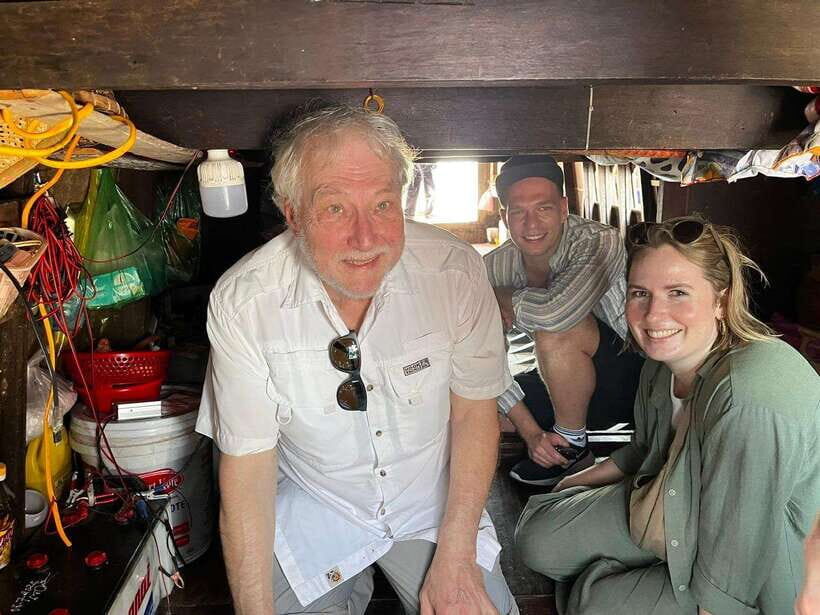
This tour uses a mix of coach and boats, with lifejackets provided for everyone on the Mekong delta boat segments. That’s exactly what you want to hear when you’re spending real hours on the water.
Because the route covers many provinces—My Tho to Chau Doc to Can Tho to Ca Mau and then Bac Lieu and Soc Trang—you should expect long travel blocks. The upside is that the tour is filling those travel times with meaningful stops instead of only commuting. The downside is you won’t have the kind of flexible mid-day breaks you might be used to on slower tours.
A small-group size of 18 participants helps here. In a smaller group, you can often move through entrances and boarding lines with less waiting, and your guide can answer questions without it turning into a lecture for 40 people.
Who this Mekong Delta tour suits best
This is a good fit if:
- You want seven provinces in four days and you hate complex planning.
- You’re excited by floating-market life and boat-forward experiences.
- You like a mix of culture and food, not only temples or only nature.
- You want meals handled and timing kept tight around key moments like Cai Rang.
It might be less ideal if:
- You strongly prefer downtime and very slow travel.
- You’re easily motion-sick on boats.
- You want a fully unstructured itinerary.
Should you book this Mekong Delta tour?
I’d book it if you’re aiming for a high-effort, high-reward Mekong overview: canal rowing in My Tho, Chau Doc temple culture, Tra Su Forest boat views, Cai Rang by boat, then down to Ca Mau’s cape area and back with more heritage stops. The value is in the combination of included meals, multiple transport modes, and the fact that key moments are scheduled instead of left to chance.
I’d think twice if you want a calmer trip with lots of free time. This route is designed to keep moving, and the satisfaction comes from covering many signatures, not from lingering in one place for days.
FAQ
What is the duration of this Mekong Delta tour?
It runs for 4 days.
What price should I expect to pay?
The listed price is $270 per person.
How many nights are included?
Accommodation is included for 3 nights.
How big is the group?
The tour is limited to 18 participants.
Which languages are available for the tour guide?
The tour guide is available in English and Vietnamese.
Are meals included?
Yes. The package includes 4 lunches, 3 dinners, and 3 breakfasts.
Is bottled water included?
Yes. You get 4 Aquafina water bottles over the 4 days.
What transport is included in the itinerary?
You’ll use a coach for overland travel and take multiple boat trips in the Mekong Delta.
Are lifejackets provided for boat rides?
Yes. Boat trips in the Mekong Delta have enough lifejacket for everyone.
What key stops should I expect?
You’ll visit My Tho (including fruits garden, bee farm, and Vinh Trang pagoda), Chau Doc (Tay An Pagoda, Tra Su Forest, and other temples), Can Tho (Cai Rang floating market), Ca Mau (Mui cape), and stops in Bac Lieu and Soc Trang (including Tac Say church and Som Rong pagoda).