REVIEW · CAN THO
Largest Floating Market, Wild Small Canal System & Organic cocoa
Book on Viator →Operated by Mekong Realism · Bookable on Viator
Mekong mornings move fast. This Can Tho tour mixes Cai Rang Floating Market trading action with a hands-on look at how locals make noodles and chocolate, plus breakfast right on the water. I especially love the floating market coffee and noodle breakfast, and I also love the organic cocoa story that starts with plants brought back from Malaysia in 1960. One drawback to plan for: the early start and strong sun mean you’ll want to be ready for a bright, outdoor first half of the day.
The middle of the tour is the kind of quiet break you usually only find after a long day—small canals under canopy, where you can slow down and watch the waterway life instead of rushing from one photo stop to the next. At the end, you get a real sense of craft and routine, from rice noodle village production to chocolate being made by hand. If you come expecting theme-park speed, this pace may feel more relaxed than you want.
In This Review
- Key highlights you’ll actually remember
- Cai Rang Floating Market: coffee, fruit, and boats at eye level
- My Khanh canal cruise: the calm part you didn’t know you needed
- Lò hủ tiếu Chín Của noodle village: how rice noodles are made the old way
- Muoi Cuong organic cocoa farm: chocolate with a 1960 origin story
- Timing, pickup, and how to plan your morning
- Price and value: why $38 can feel fair here
- Who should book this Mekong Delta food tour?
- Should you book Mekong Realism’s floating market and cocoa day?
- FAQ
- FAQ
- What time does the tour start in Can Tho?
- How long does the floating market, canals, noodles, and cocoa tour take?
- Where do I meet if I’m not doing a hotel pickup?
- Does the tour offer free hotel pickup?
- What’s included for breakfast and drinks?
- Are entrance tickets included for all stops?
- What activities will I do during the tour?
- Does the tour run in poor weather?
- Can I cancel for a full refund?
Key highlights you’ll actually remember
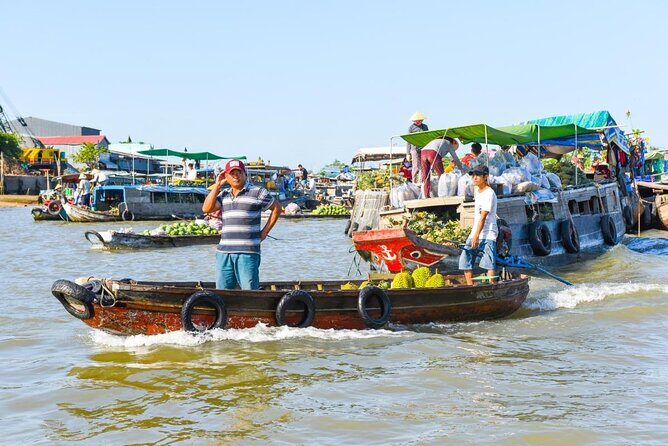
- Cai Rang Floating Market on a sampan with breakfast and fruit right as the market wakes up
- My Khanh canal cruise through tighter waterways where you can take a breath
- Traditional rice noodle making at a long-running noodle village
- Organic cocoa farm visit tied to a family history from 1960
- Included coffee and tasting options like chocolate, orange, and coconut drinks
- Small-group feel with a maximum of 20 travelers
Cai Rang Floating Market: coffee, fruit, and boats at eye level
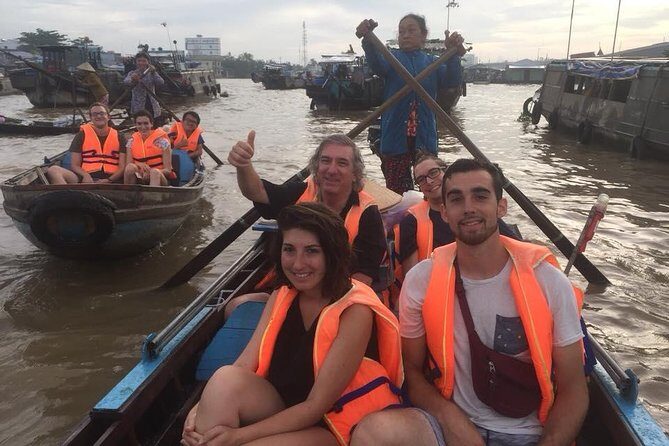
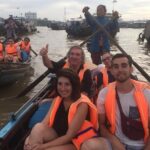
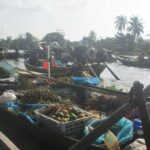
Your day starts early, around 6:45am, and that timing matters. In the first light, Cai Rang is easier to enjoy than when the heat ramps up and day-trippers show up. The tour puts you on a sampan right where the action happens, so you’re not just looking at markets from a distance—you’re close enough to feel the rhythm of buying and selling.
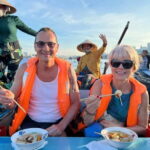
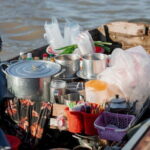
What I like most here is the breakfast setup. You’re not left to guess where to eat. You get a noodle soup breakfast plus bread, and you’ll also be offered coffee or tea along with drink options that can include orange, chocolate, and coconut (plus water). This is the kind of included meal that makes sense: you’ll need fuel for a boat morning, and it keeps the tour moving.
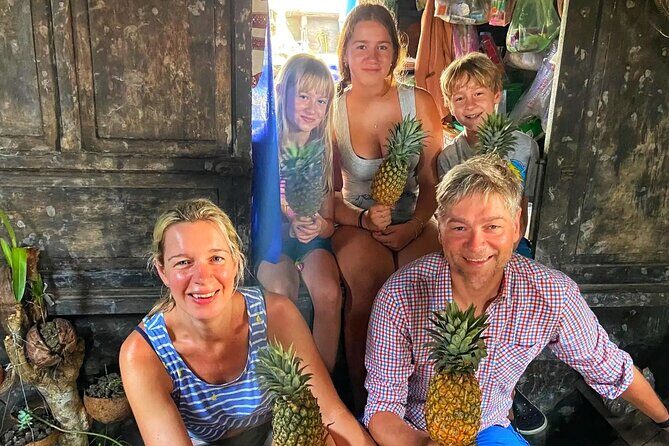
And then there’s the fruit. You’re given mango, pineapple, and jackfruit to snack on during the market portion. That might sound like a small detail, but it changes the vibe. Instead of treating the floating market like a quick stop-through, you can actually graze like locals do while you watch boats pull alongside one another.
If you’re a photo person, Cai Rang is a dream. But the real value is learning what you’re seeing—how different boats carry different goods, how people organize trade on the water, and how the market functions as daily work, not just a tourist show. In past groups, guides such as Sasa and Lam have been praised for answering questions clearly and keeping things fun, which helps you look at the market with better context.
One practical note: sun protection matters. Even with boat shade, the morning can feel bright and hot. I’d plan for sunscreen and light cover. Several groups mention getting help like traditional hats, and rain can happen too (so it’s worth being ready for a weather flip).
Other Mekong floating market tours we've reviewed

My Khanh canal cruise: the calm part you didn’t know you needed
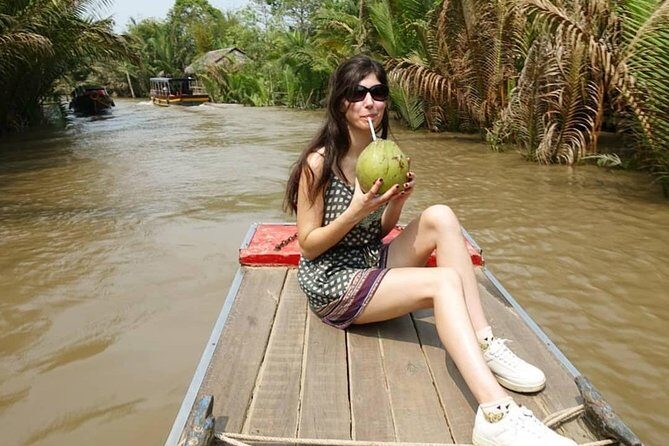
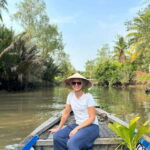
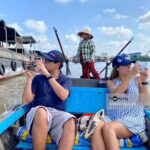
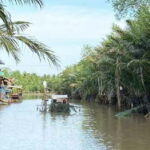
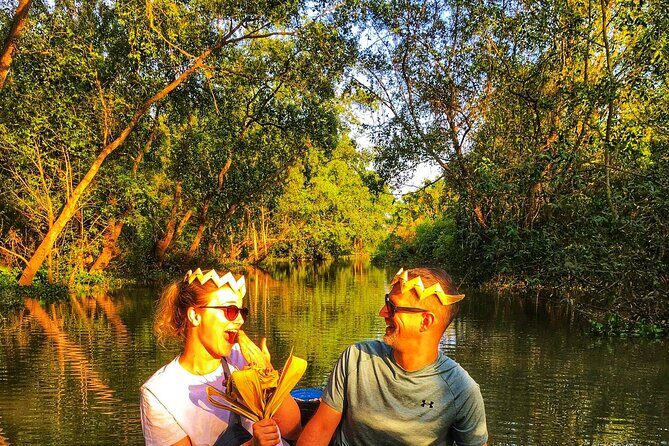
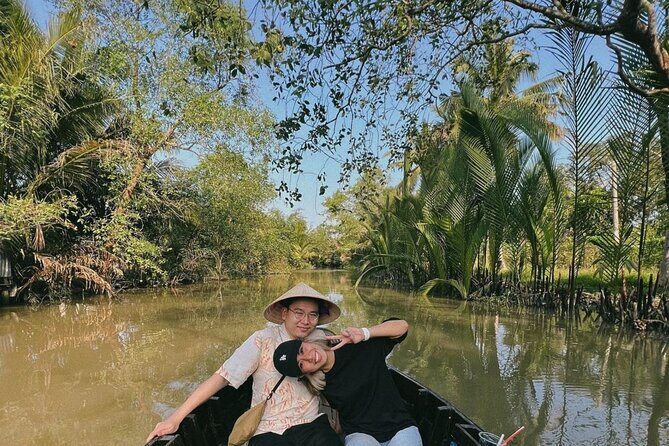
After the floating market, the tour shifts gears. You leave the wider river trading scene and head into the small canal system in the My Khanh area. This is where Can Tho feels more human-scale. The waterways narrow, the pace slows, and the scenery changes from market energy to water-life and greenery.
The tour description emphasizes serenity, and you’ll feel it. You get time to sit back, relax, and observe. This is also where you’re more likely to notice the “in-between” things: vegetation along the banks, the little signs of how people live near the water, and the quiet moments when the boat is gliding instead of stopping.
From a traveler’s standpoint, this part is valuable because it balances the day. Without the canal cruise, a floating market tour can become all motion and no breathing room. With the canals included, you’re more likely to enjoy the rest of the morning instead of feeling rushed.
And it’s not only about calm. You’re still on a boat, still moving through waterways where daily life happens. If you’re curious about Mekong Delta culture beyond the market poster images, this canal section is where it starts to click.
Lò hủ tiếu Chín Của noodle village: how rice noodles are made the old way
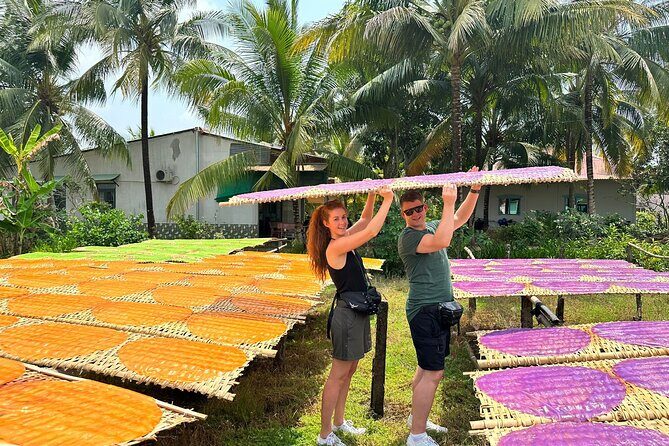
Next comes the part many people remember long after the market photos: noodles, made by hand. At the Lò hủ tiếu Chín Của stop, you’ll learn how local people produce noodles using traditional methods that have been practiced for decades. The tour also includes time that focuses on a long-running noodle village and gives you a chance to participate in making rice noodles in the traditional way.
This is one of the best value add-ons in the entire day because you’re not just watching a machine. You’re seeing a process that relies on technique—how ingredients are prepared, how the dough or batter is handled, and how the final noodle shapes come together through steady, practiced steps. Even if you don’t know anything about noodle production before you arrive, the guide’s job is to translate the process into something you can actually understand and picture later.
If you’ve eaten rice noodles in Vietnam and wondered how the texture gets so consistent, this stop answers that question. You’ll see why homemade still matters here: it’s about routine, skill, and local know-how passed along.
A small caution: this portion can be a bit hands-on and closer to the working side of the village. If you want to keep your hands spotless for later, bring or expect an appropriate wash-up plan. The tour does include breakfast already, so you’ll likely start fairly clean, but plan for a little real-life mess if you choose to participate.
In multiple guide-led experiences, people have praised the storytelling and English explanations—examples include guides like David (also referred to as Tai), Vy, and Hanna—which matters here. Noodle-making is the type of activity where good context turns it from watching into understanding.
Muoi Cuong organic cocoa farm: chocolate with a 1960 origin story
The final stop is the Muoi Cuong cocoa farm, and it’s a refreshing shift from salty noodles to sweet curiosity. This is an organic farm visit focused on cacao and chocolate production, and it comes with a real family backstory.
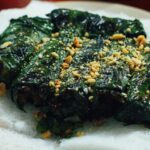
The owner’s father reportedly brought the cacao plants back from Malaysia in 1960, and the family’s chocolate-making process is described as handmade and carefully processed. That detail is why this stop feels more grounded than a typical factory walk. You’re not just tasting chocolate; you’re hearing about how the farm and the craft evolved and got passed through the family.
What you’ll likely enjoy most is the pacing. The tour ends with a stroll through local village community areas and then the cocoa farm experience itself. That means you get a gentle landing after the earlier boat time and the noodle village segment—less sprint, more atmosphere.
As a food lover, I also like that this isn’t only about tasting. The tour frames the chocolate as labor and skill: something made patiently, not mass-produced vibes. You’ll come away with a better appreciation of why chocolate in the Mekong Delta can taste different from what you buy back home, even if you can’t explain every chemical reason.
If you’re traveling with kids or friends who want variety, cocoa is an easy win. It’s also a great ending because the sensory experience (smell of cocoa, the idea of fermentation and processing) sticks even when you forget the exact steps.
Timing, pickup, and how to plan your morning
This tour runs about 5 to 6 hours, with a start time around 6:45am and activity blocks adding up across the day: floating market time, canal cruising, then the noodle and cocoa stops. The “long boat morning” is the main reason to start early—cai rang and the waterways work best at the cooler, calmer times.
Getting to the day is also straightforward. There’s a meeting point at An Binh Market (ĐT923, An Bình, Ninh Kiều, Cần Thơ, Vietnam). But many people get free pickup from select Can Tho hotels and resorts, including places like Sheraton Can Tho, Victoria Resort, Wink Hotel, Charmant Suites Can Tho, the Mekong Legacy Resort office, Con Khuong Resort, Vam Xang Rustic, Mekong Silt Ecolodge, TTC hotel, Lion Hotel, and Iris hotel.
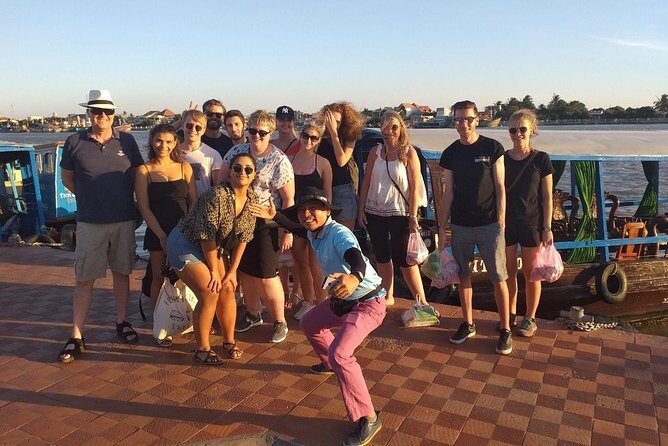
A smaller group helps too: the tour has a maximum of 20 travelers. That matters for two reasons. First, it’s easier to hear your local English-speaking guide. Second, boats and market navigation feel less stressful when you’re not packed in with a big crowd.
What to bring:
- Sunscreen and a hat or light cover (the day gets sunny)
- Comfortable clothes for sitting on a boat
- A light rain layer just in case (some groups mention rain capes)
If you have a dietary need, it’s smart to tell the operator when booking. One group noted the team was responsive for a vegan request, so you may have more flexibility than you’d expect—though the included meal is noodle soup and bread, plus fruits and drinks.
Other hidden-canal small-boat tours we've reviewed
Price and value: why $38 can feel fair here
At $38 per person, this isn’t a bargain trip in the “everything is extra” sense. It’s priced like a proper half-day excursion, and you do get multiple value pieces packed into one outing.
Here’s the value logic that makes sense:
- You’re paying for boat time (sampan at the floating market plus cruising through canals).
- You’re paying for local food that’s included: noodle soup breakfast, bread, and fruit snacks, plus coffee/tea drinks.
- You’re paying for experiences, not only sightseeing: learning rice noodle production and visiting an organic cocoa farm with a family story.
If you tried to recreate this on your own—boat rental, local guide, and entry/participation at niche food production stops—you’d likely spend more than the tour price quickly. The included food also saves money and time. In Vietnam, finding a reliable breakfast plan while coordinating multiple stops can eat up your morning fast.
Could it be a lot for someone who hates early starts? Yes. But for most people visiting Can Tho, this timing is also part of what makes it feel special: you’re there while the market and waterways are working.
Who should book this Mekong Delta food tour?
Book it if you want a mix of food, craft, and waterway life, all in one morning-to-afternoon window. This is also a strong choice if you like learning how everyday goods are made—rice noodles and cacao products—because the tour is built around those behind-the-scenes skills.
It’s especially good for:
- Food-focused travelers who don’t want only street snacks
- People who like nature breaks (the canal portion brings calm)
- Families who want a variety of stops without a full day of constant movement
- Travelers who value small groups and English explanations
You might skip it if:
- You’re not into early mornings or outdoor sun exposure
- You only want a quick floating market photo stop and don’t care about food production
- You dislike hands-on participation (the noodle portion can involve making noodles in a traditional way)
Should you book Mekong Realism’s floating market and cocoa day?
If your goal is a real Can Tho Mekong Delta experience—floating market morning, quiet canal cruise, then food craft at noodle and cocoa stops—this tour is an easy yes. The biggest reason is the balance: trade activity first, then calm waterways, then hands-on food learning, ending with a chocolate farm visit that feels personal because it’s tied to a family history from 1960.
For best results, come prepared for the sun and the early start. If you’re organized and curious, you’ll leave with more than photos—you’ll have a clearer mental picture of how the Delta works, what it produces, and why it tastes the way it does.
FAQ
FAQ
What time does the tour start in Can Tho?
The tour starts at 6:45 am.
How long does the floating market, canals, noodles, and cocoa tour take?
It typically lasts about 5 to 6 hours.
Where do I meet if I’m not doing a hotel pickup?
The meeting point is An Binh Market (ĐT923, An Bình, Ninh Kiều, Cần Thơ, Vietnam).
Does the tour offer free hotel pickup?
Yes. Free pickup is offered from several Can Tho hotels and resorts, including Sheraton Can Tho, Victoria Resort, Wink Hotel, Charmant Suites Can Tho, Mekong Legacy Resort office, Con Khuong Resort, Vam Xang Rustic, Mekong Silt Ecolodge, TTC hotel, Lion Hotel, and Iris hotel.
What’s included for breakfast and drinks?
You’ll be served noodle soup and bread for breakfast, plus coffee and/or tea drinks (including options like coffee, orange, chocolate, coconut, and water). You’ll also get fruit such as mango, pineapple, and jackfruit.
Are entrance tickets included for all stops?
The floating market portion is listed as admission ticket free, while the noodle village stop and the cocoa farm stop have admission included.
What activities will I do during the tour?
You’ll ride a sampan at Cai Rang Floating Market, cruise through small canal systems, visit a noodle production area focused on traditional rice noodles, and visit an organic cocoa farm.
Does the tour run in poor weather?
The experience requires good weather. If it’s canceled due to poor weather, you’ll be offered a different date or a full refund.
Can I cancel for a full refund?
Yes. You can cancel up to 24 hours in advance for a full refund.