REVIEW · CAN THO
Cai Rang Floating Market Biking Cooking Class in Can Tho Rural
Book on Viator →Operated by Winter Spring Homestay · Bookable on Viator
Sunrise on the Mekong hits different. This day trip strings together floating markets, quiet canals, and food you eat on the river. It’s a fun way to see how daily life works in the Can Tho area without doing transport puzzles all morning.
I especially like the food-first flow, starting with a local Vietnamese breakfast on the boat and continuing with stops tied to noodles, fruit, and a bakery. I also like that you get built-in pacing: a small group feel (up to 30), plus the chance to cycle on rural paths after you’ve worked up an appetite.
The main trade-off is timing. You’ll need an early start, and the trip depends on weather, so you may feel like you’re sacrificing sleep for the chance to see markets at the best time.
In This Review
- Quick takeaways before you go
- Floating markets are better when you treat them like a morning show
- Door-to-door pickup: the quiet win for a $30 trip
- Cai Rang Floating Market: the big-stage market with breakfast on the water
- The noodle and pho stop: practical food knowledge, not a food museum
- Phong Điền and the quiet canal ride: where the day slows down
- The fruit garden and biking: rural views you can actually feel
- The food stops beyond markets: what you’ll likely eat and why it matters
- Guides and boat drivers: the human difference on the river
- Price and value: why $30 can feel like a bargain here
- Weather and timing: the one thing you can’t control
- Who should book Cai Rang + Phong Điền by bike and food
- Should you book this Mekong Delta food and biking day?
- FAQ
- What is the duration of the Cai Rang and Phong Điền floating market biking cooking class?
- How much does the tour cost?
- Are pickup and drop-off included?
- Is breakfast included, and do I need to eat before the tour?
- Which floating markets are visited?
- What other stops are included besides the floating markets?
- Is there biking during the tour?
- How large is the group?
- What happens if weather conditions are poor?
- When do I receive confirmation?
Quick takeaways before you go
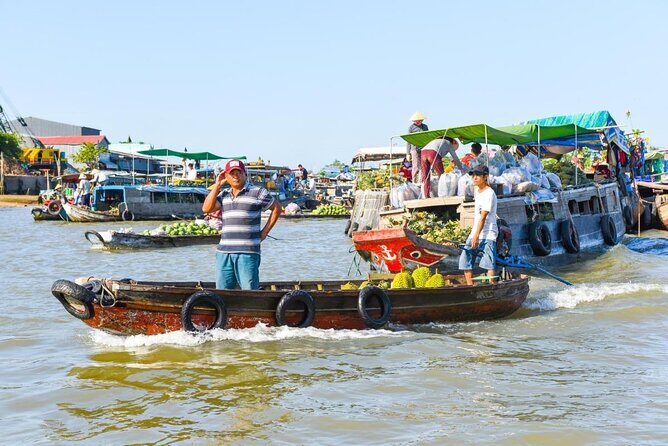
- Cai Rang + Phong Điền in one day means you compare two styles of floating market action.
- Breakfast on the river is the kind of meal that makes the early wake-up feel worth it.
- Biking through countryside paths gives you views beyond the main market boats.
- Food stops beyond the markets include a noodle/pho factory and a fruit garden, plus a bakery stop.
- Small-group touring (maximum 30) keeps the day from feeling like a factory line.
Floating markets are better when you treat them like a morning show
Cai Rang and Phong Điền floating markets are not the kind of attraction you should try to “optimize” like a checklist. The magic happens when you catch the early water traffic, see vendors doing their routines, and watch boats maneuver at a human pace. That’s why this trip centers on getting you there early rather than just getting you somewhere.
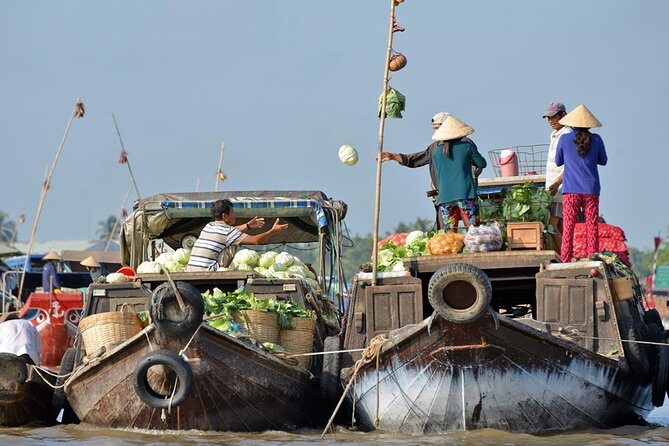
Cai Rang is described as the largest floating market in Vietnam, and that size matters. You tend to get more variety of what’s happening at once—selling, trading, and moving goods—while still being able to talk with vendors from the boat. Phong Điền feels more compact and local in feel, and it’s the kind of market where the details of daily life come through fast.
You’ll also get scenic canal time. Several guide-led moments focus on the canal network around Can Tho, and that’s where the day can switch from “wow, markets” to “wow, the Mekong system.” If you’re the kind of person who likes travel that slows down, the canals are your reward.
Other Cai Rang floating market tours we've reviewed
Door-to-door pickup: the quiet win for a $30 trip
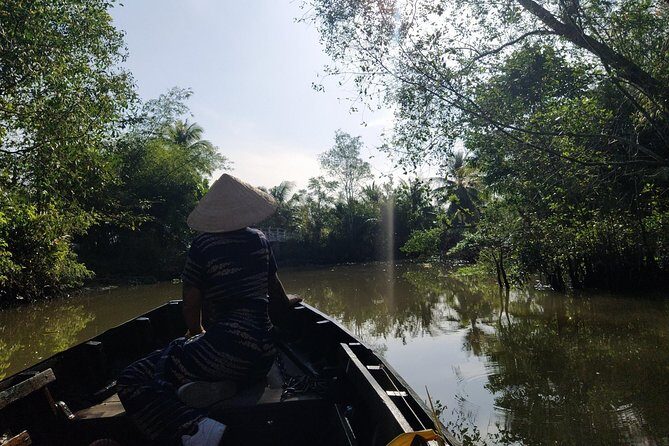
At $30 per person, the headline value is simple: you’re paying less than you’d spend piecing together boat time, guides, and transport. But the real win is the stress reduction. The tour includes pickup and drop-off, so you don’t waste energy figuring out what time you need to be where.
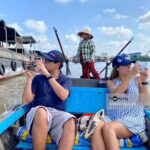
This also affects your experience quality. When transport is already handled, you can focus on the rhythm of the river day—breakfast, markets, and then cycling—without constantly checking schedules. A few reviews also highlight how helpful guides and drivers are with making the day feel smooth, even when the morning starts very early.
One practical note: this trip is meant to operate from Can Tho. If you’re coming from far away, you’ll want to match the starting point to where you actually sleep. The biggest complaint patterns in the provided feedback aren’t about the markets themselves; they’re about mismatch between expected pickup and reality when people aren’t staying in the right city.
Cai Rang Floating Market: the big-stage market with breakfast on the water
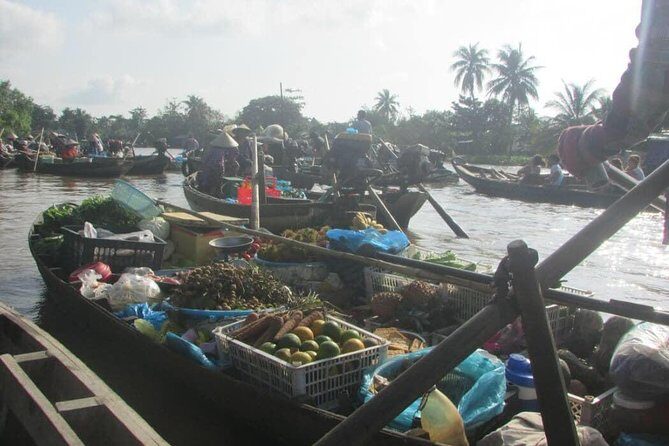
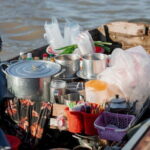
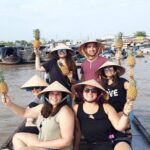
Cai Rang Floating Market is the first major anchor of the day, and it’s where you’ll likely feel the scale. You go to a large market by boat and get a traditional local breakfast as part of the experience. That means coffee and coconut water are not just “nice extras”—they’re timed to the market moment, so you’re eating while the water scene is happening around you.
This stop also tends to be interactive in a low-pressure way. You’re close enough to see the trading patterns and how vendors work, and you get a chance to interact without the awkward feeling of being rushed through photos. If you’ve ever found bigger markets overwhelming, this approach helps because it’s paced by the boat ride and your guide’s explanations.
Possible drawback to keep in mind: with any busy floating market, it can get loud. On the water, engine noise can make it harder to hear guide commentary at certain times. The solution is simple—ask your guide to repeat key points, and don’t worry about missing every sentence. Even without perfect audio, the sights and food do most of the heavy lifting here.
The noodle and pho stop: practical food knowledge, not a food museum
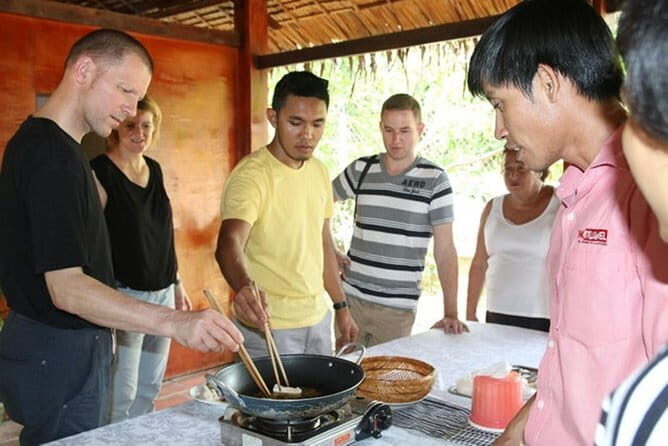
Next comes a rice noodle and pho factory stop, described as an old factory where you learn how noodles are made with local experts guiding you. The point here isn’t fine art; it’s process. You’ll get a view into how these staples are produced, and you can ask questions about ingredients and steps.
That said, one caution: if you’re expecting an intense, hands-on class where you watch active production hands-on for a long time, you might feel slightly underwhelmed. The feedback includes comments that the factory experience can feel more like a shop stop in some cases. If that’s your travel style—if you want nonstop demonstration—go into the stop prepared to treat it as a quick education + tasting-focused stop rather than a full production walkthrough.
Still, even a short noodle-focused visit can be valuable because it connects directly to what you’ll eat later. When you can see how noodles are formed and understand what makes them chewy or springy, the rest of the day feels more meaningful.
Phong Điền and the quiet canal ride: where the day slows down
Phong Điền floating market is often the favorite for people who want “real Mekong” feel without only big-market crowds. It’s where the trip leans into the daily rhythm of vendors and boats rather than only the spectacle.
In the provided information, sunrise and breakfast timing show up repeatedly as highlights. You spend time on the boat approaching the market, and that boat ride is part of the experience—not dead travel time. If you want photos, the lighting is better early, but the bigger benefit is atmosphere: the river feels active in a calmer way before the day gets crowded.
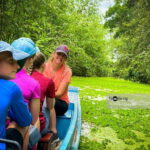
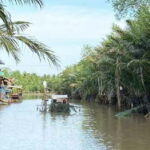
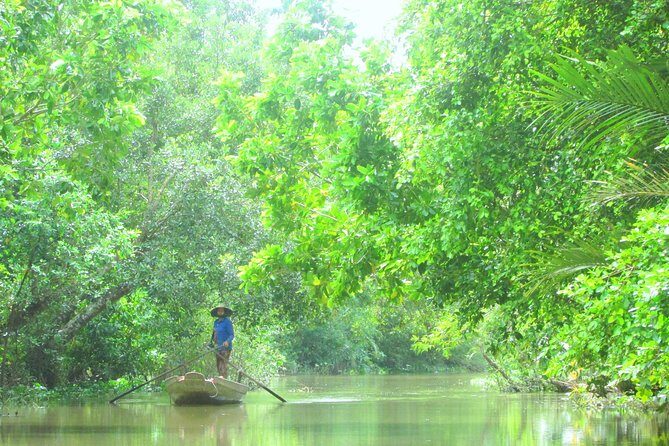
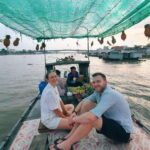
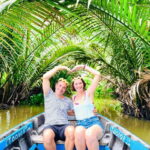
After the market element, the day’s scenic portion matters a lot. The tour includes canal exploration, and guides emphasize the canal network that makes Can Tho famous as a canal city. This is where the scenery does its best work: green trees along the water, quiet patches between busier areas, and a sense of how communities move goods and food.
A small tip for enjoying this section: bring a light layer. Even when the air feels warm, boat wind and early morning air can make you wish you packed something thin.
Other Mekong floating market tours we've reviewed

The fruit garden and biking: rural views you can actually feel
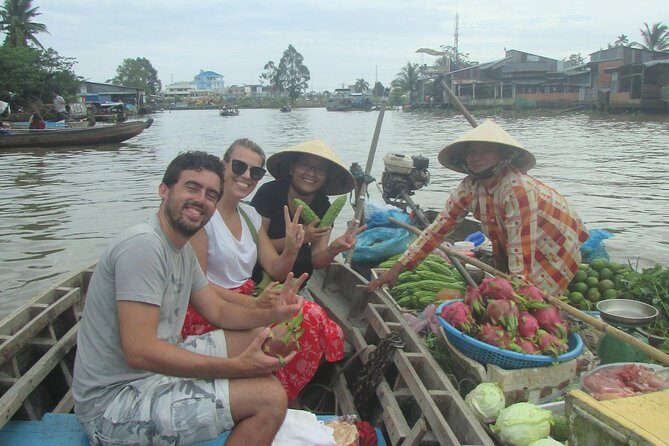
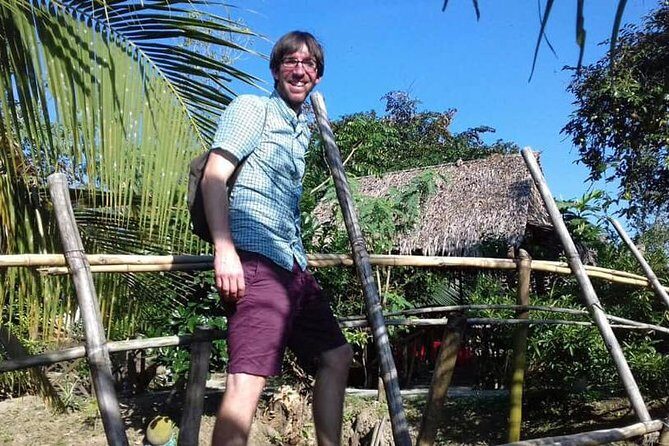
After the floating market part, you shift into countryside mode. You stop at a small local fruit garden (Vườn Sinh Thái Ba Láng) where you can see tropical fruits and blooming flowers. This is not just “pretty for photos.” It’s a reset between boat and bike, and it helps connect what you ate to where it comes from.
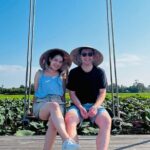
Then you cycle along quiet countryside paths. The biking route runs past rice fields, canals, and perhaps other rural scenery shaped by the Mekong’s water systems. This is a key change of pace. Floating markets can be loud and crowded; biking lets you experience the area at a human speed.
If you’re a cyclist, you’ll probably enjoy how the route is framed as a gentle countryside ride rather than a fitness test. If you’re not a cyclist, you’ll still likely find it doable because the tour is designed as a day experience with a guided pace and included transportation.
Practical consideration: cycling plus humidity can tire you more than you expect. Bring water, wear something that dries fast, and don’t plan to look perfectly fresh when you finish. This is a “do the experience” day.
The food stops beyond markets: what you’ll likely eat and why it matters
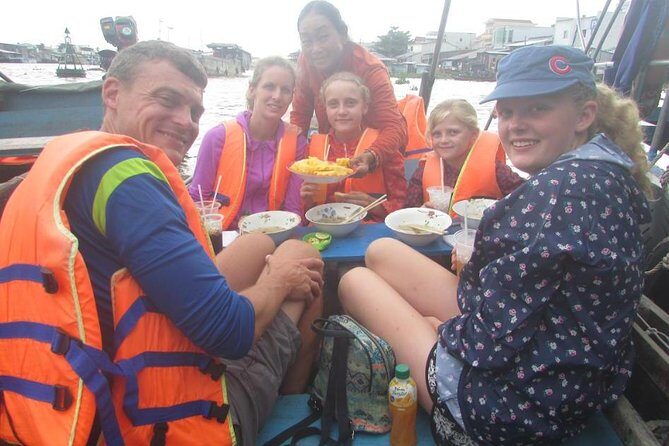
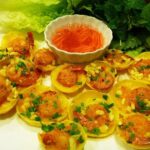
This trip is built around food as the storyline. You start with breakfast on the boat at Cai Rang, continue with noodle education, and then get fruit farm time. There’s also mention of a bakery stop, which rounds out the “daily life” theme.
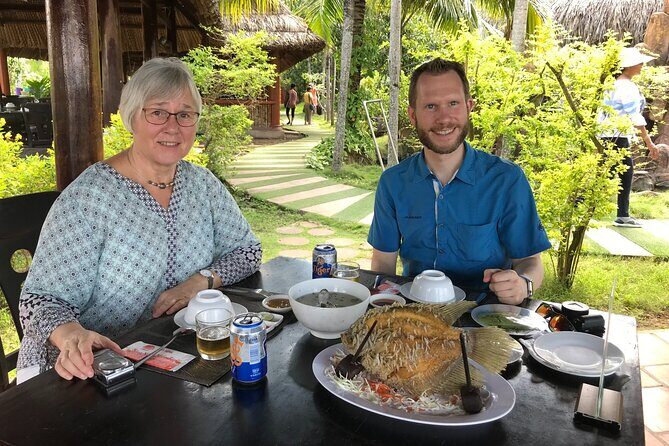
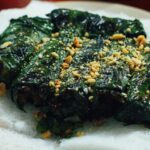
Based on guide-led food moments described in feedback, you can expect plenty of small portions rather than one single meal. Coffee, coconut water, noodle soup or Vietnamese-style soup/breakfast items, and fresh fruit show up in the experience descriptions. One reason this works is that it keeps the day from feeling like you’re constantly buying snacks yourself.
When you’re offered food, ask your guide what it’s called and what it’s usually paired with. You’ll get more from the flavors if you know what you’re eating. And if you’re prone to traveling with an empty stomach, this tour is a relief because you don’t need to eat beforehand.
Guides and boat drivers: the human difference on the river
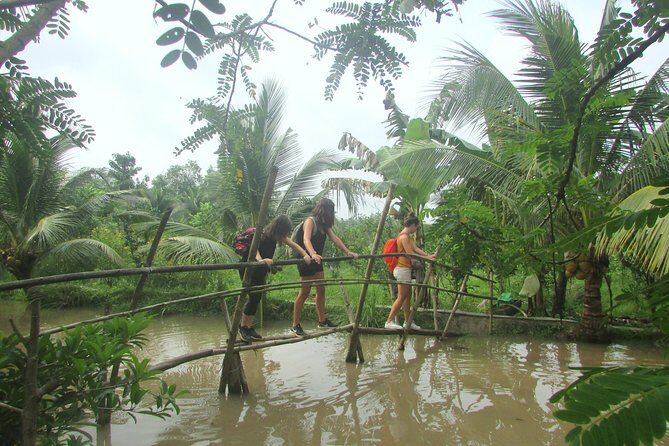
The tour’s quality often comes down to your guide’s ability to turn “places” into understanding. In the provided feedback, different guides are named—Trinh, An, Nhu Y, Nga, Maria, Toby, and others—and the strongest repeated theme is that the guides are friendly, communicative, and willing to answer questions.
You also get help from boat drivers who manage the ride and keep the day moving. Several notes call out excellent boat driving, including smaller boats that make it easier to navigate side canals rather than feeling stuck only on wider river routes.
If you want the best experience, arrive early enough to be calm. When people sleep through the morning start, they end up stressed, and the river doesn’t care. Once you’re onboard, listen for the guide’s short explanations, and use questions to fill any gaps you miss over the engine noise.
Price and value: why $30 can feel like a bargain here
Let’s be blunt about the math. At $30 per person, you’re paying for:
- two floating market visits by boat,
- a breakfast included on the Mekong,
- food-focused stops like a noodle/pho factory and fruit garden,
- biking time,
- and door-to-door pickup and drop-off.
Even in Vietnam, once you price out transport + guide time + boat time + meals separately, this kind of day trip can start to look expensive. Here, the bundled structure is what keeps the price fair.
Group discounts are also mentioned, which can make the deal even better if you travel with friends or family. And because the group is capped at 30, you’re less likely to feel like you’re stuck in a crowd from stop to stop.
So is it good value? For a first-time Mekong Delta visit focused on food and local life, yes. If you want a slow, long-haul Mekong cruise with multiple towns and late-day exploration, you might find a single-day format too tight. But for a Can Tho day, it’s strong value.
Weather and timing: the one thing you can’t control
This experience requires good weather, and the floating market side of the Mekong is vulnerable to conditions. In one case, the market was closed due to weather, turning a long trip into a frustrating morning. That’s the risk you take with river-based tours.
The best way to protect your day is simple: don’t book this as a “must happen” on the one day you can’t rearrange anything else. Give yourself flexibility if you can, and keep your expectations realistic: you’re going to the river, not a museum with climate control.
Also, early wake-up is built into the concept. If you hate early mornings, this will feel like a lot. But if you can handle the early start, sunrise boat time and breakfast on the water are often the payoff.
Who should book Cai Rang + Phong Điền by bike and food
This tour is a great fit if:
- you’re a food-focused traveler who wants noodles, fruit, and market meals tied together,
- you want both big and smaller floating market flavors in one day,
- you enjoy cycling through rural paths more than just watching from a bus,
- you prefer having pickup and drop-off handled.
It may be less ideal if:
- you want a long, in-depth factory visit where you watch production the entire time,
- you hate early starts and don’t have much patience for potential weather disruptions,
- you’re traveling from far away and might confuse the pickup city (match your lodging to the route).
Should you book this Mekong Delta food and biking day?
If you want an efficient, local-feeling Mekong day in Can Tho, I’d book it. The mix of floating markets, breakfast on the river, a noodle-focused stop, and a fruit garden with biking is exactly the kind of variety that makes one day feel complete.
Just go in with the right expectations: it’s early, it’s weather-dependent, and the river can be loud. If you’re okay with that trade, you’ll come away with memories that are about how people live and eat—not just about checking off two market names.
FAQ
What is the duration of the Cai Rang and Phong Điền floating market biking cooking class?
It runs for about 8 hours (approx.).
How much does the tour cost?
The price is $30.00 per person.
Are pickup and drop-off included?
Yes. Door-to-door transfers are included, so you don’t have to plan transport between stops.
Is breakfast included, and do I need to eat before the tour?
Breakfast is included, and the tour information says you do not need to eat beforehand.
Which floating markets are visited?
You visit both Cai Rang Floating Market and Phong Điền Floating Market.
What other stops are included besides the floating markets?
In addition to the markets, the day includes a local rice noodle and pho factory, a fruit garden (Vườn Sinh Thái Ba Láng), a bakery stop (mentioned in the overview), and canal sightseeing.
Is there biking during the tour?
Yes. After the fruit garden stop, you cycle along quiet countryside paths.
How large is the group?
The tour has a maximum of 30 travelers.
What happens if weather conditions are poor?
This experience requires good weather. If it’s canceled due to poor weather, you’ll be offered a different date or a full refund.
When do I receive confirmation?
Confirmation is received at the time of booking.