REVIEW · CAN THO
Can Tho: Floating Market, Canal, Cacao Farm & Mekong’ Life
Book on GetYourGuide →Operated by Local Mint Travel · Bookable on GetYourGuide
Catching sunrise on the Mekong is a good start. This 6-hour loop through Can Tho blends Cai Rang Floating Market, boat rides, and hands-on food stops with a real taste of how life works on the river. I especially like the breakfast on the water and the way the day mixes big sights with smaller moments, like walking village paths and spotting water coconut palms.
One thing to consider: it starts early. You’ll be picked up at 5:45 AM, and the ride/timing is tied to river conditions, so the finish time (around 11:30) can shift a bit with the tides.
In This Review
- Key highlights to look forward to
- Sunrise pickup, then straight onto the river life
- Cai Rang Floating Market: how the boat trip changes everything
- Breakfast on the water: fuel plus a real river moment
- Rice noodle factory: watching your breakfast get made
- Water coconut canals and village walking: the calm between the big sights
- Organic cacao farm: tasting beyond the market labels
- Small group value and the guide factor (Nick’s the name to remember)
- Practical tips so your day feels easy
- Who should book this Can Tho Mekong Delta tour?
- Should you book this tour?
- FAQ
- What time does the tour pick me up in Can Tho?
- Where is the meeting point?
- Is breakfast included, and can it be vegetarian?
- Do I ride a boat on this tour?
- What do we do at the floating market?
- Do we visit a cacao farm and do tastings?
- Is the tour wheelchair accessible?
Key highlights to look forward to
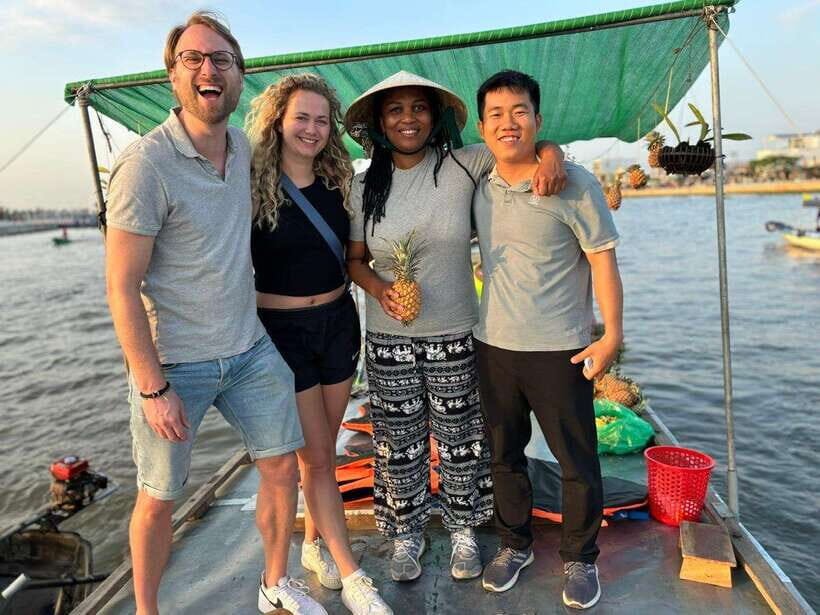
- Cai Rang Floating Market by small sampan instead of a crowded, stuck-on-the-dock view
- Breakfast that feels like part of the day, not just a stop along the way
- Traditional rice noodle factory process, from rice flour to dried noodles
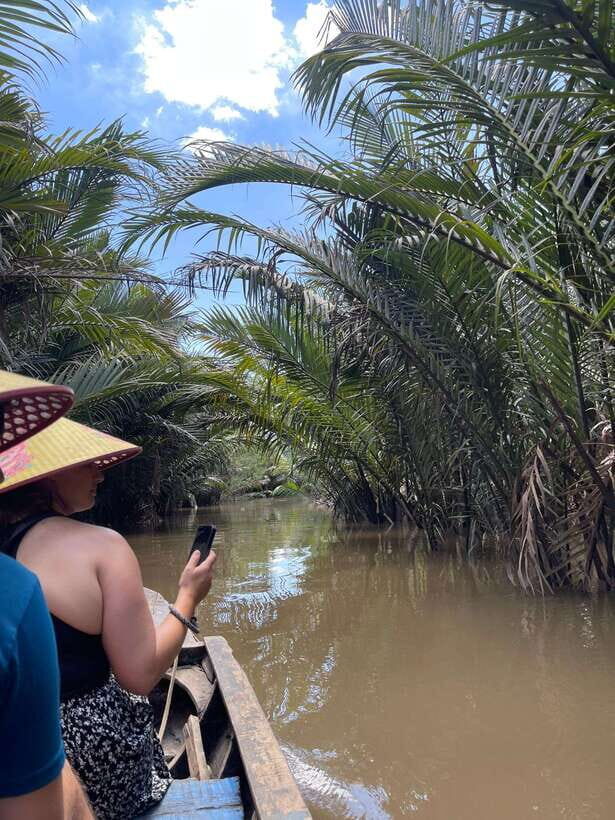
- Water coconut canals, mangroves, and village walking for slower, quieter river life
- Organic cacao farm tasting, including cacao milk and cacao wine samples
- Small group of up to 6 people with an on-the-spot guide who answers questions
Sunrise pickup, then straight onto the river life
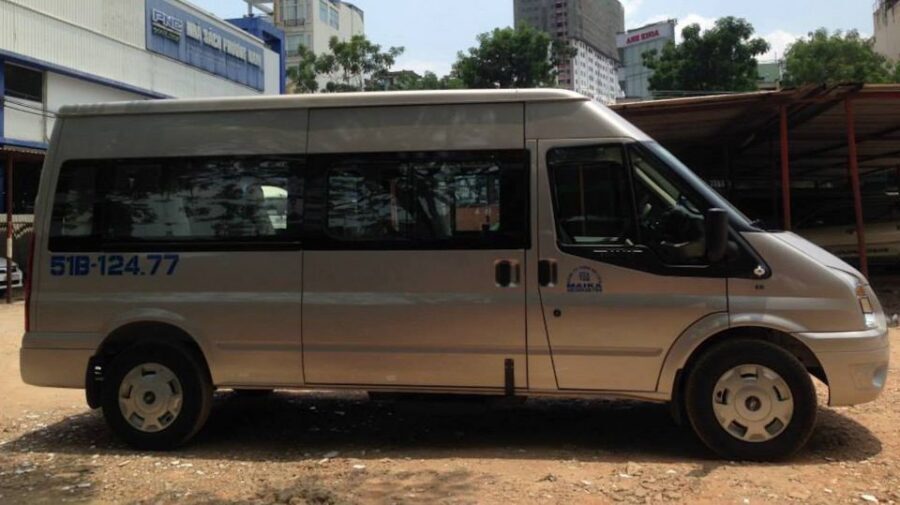
This tour works because it respects the Mekong’s rhythm. You’re collected from Kim Long Hotel (9 Châu Văn Liêm, P. Tân An, Q. Ninh Kiều, Cần Thơ City) at 5:45 AM, and along the way you get a sunrise view. That early start matters: Cai Rang is at its best when the boats are still moving with purpose and the morning light makes everything easier to understand.
The pacing is also smart. You’re not sprinting from one “photo spot” to the next. You flow from market to boat to food-making to quieter canals and villages, then end with the cacao farm. In 6 hours, you see enough to get a real sense of the delta, not just a highlight reel.
The tour runs with a small group (limited to 6), and that changes the feel. It’s easier to ask questions, and your guide can keep the experience moving without turning it into a herd herding exercise. The guide speaks English and French, and the most common “wow” in the feedback is how well the guide explains what you’re seeing—especially around the market and daily river routines.
Other Mekong floating market tours we've reviewed

Cai Rang Floating Market: how the boat trip changes everything
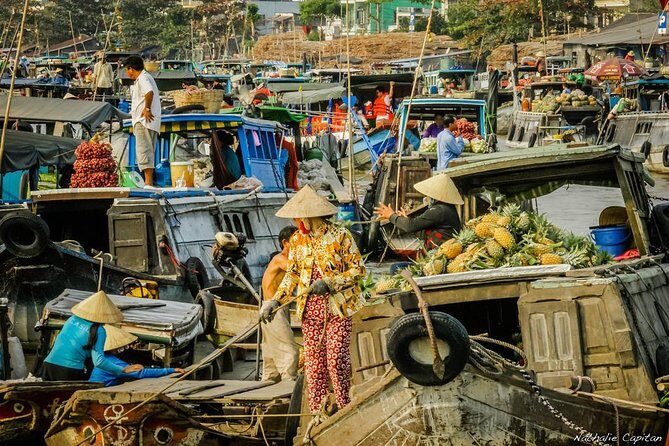
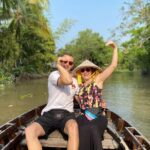
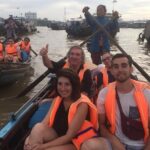
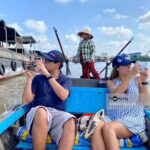
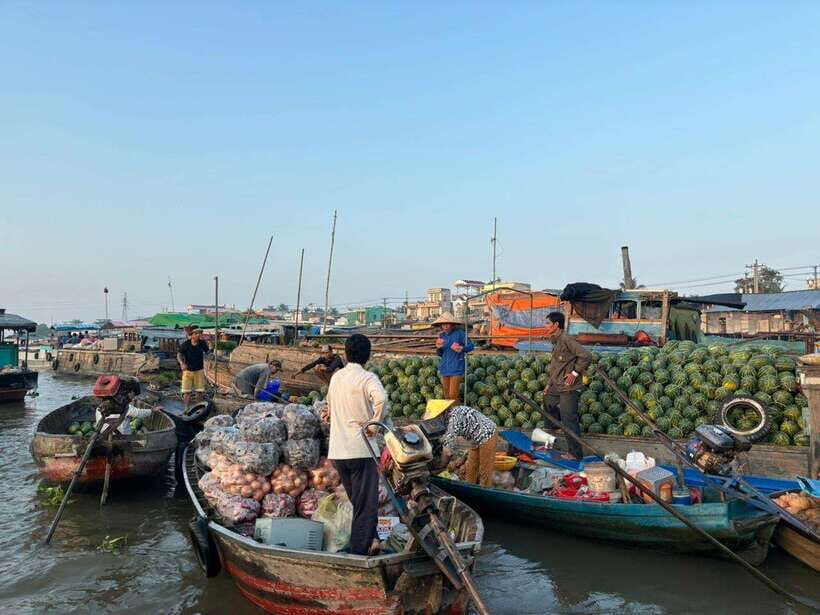
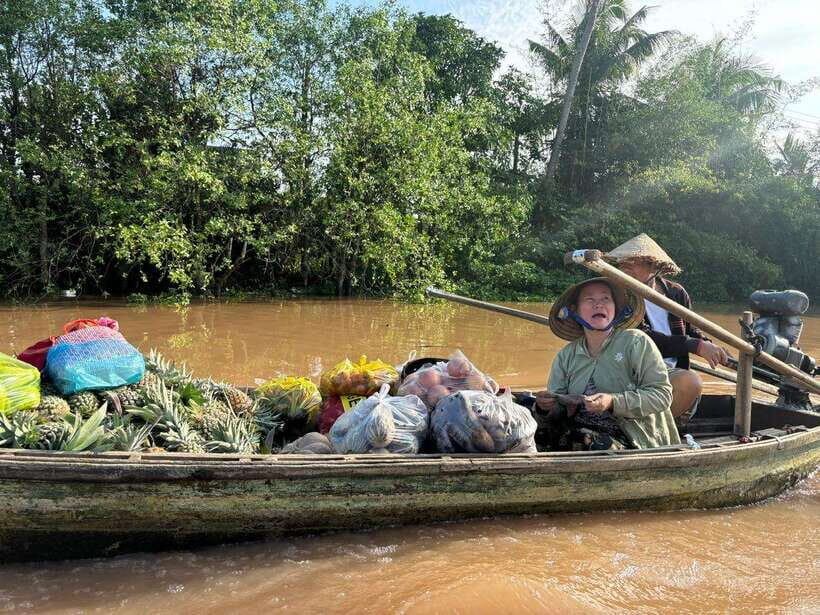
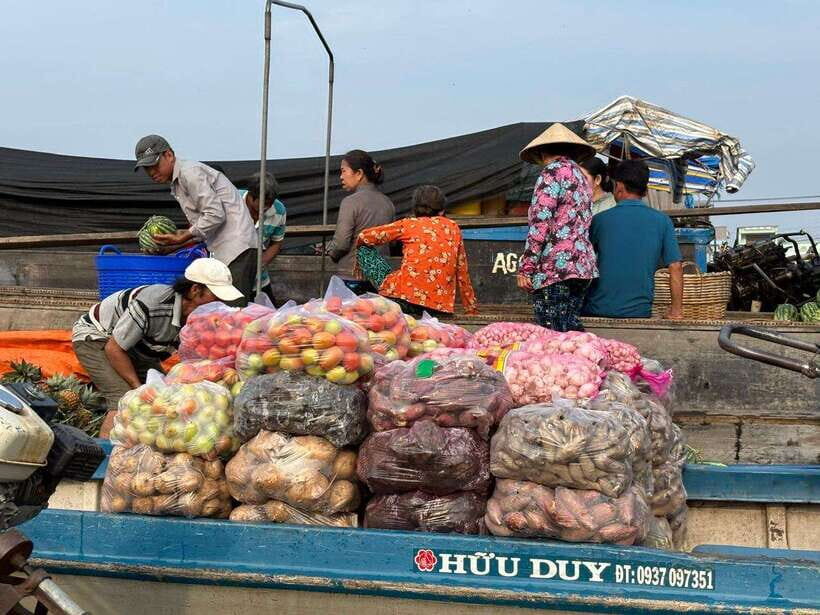
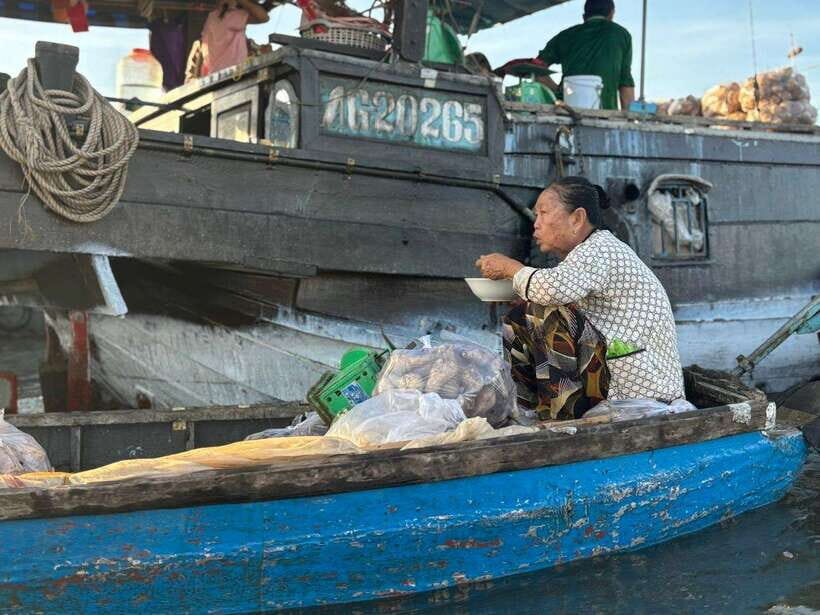
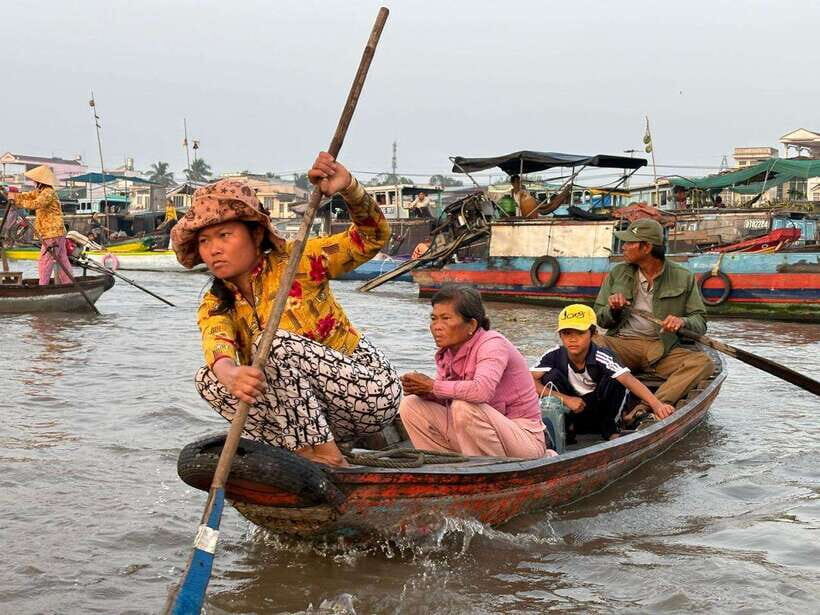
Cai Rang is often called the largest floating market in the Mekong Delta, and that reputation is earned. But what you’ll remember is the way you arrive: you take a small boat (sampan) out on the water rather than watching from land.
Once you get there, your guide shares the history of the market and how it fits into river life. It’s useful context because floating markets aren’t just for tourists. They’re built around transport, trade, and seasonal rhythms. Seeing the stalls and boats from close range helps you connect the dots fast—who moves what, how people communicate, and why certain goods are where they are.
Also, this visit doesn’t feel like you’re stuck on the same spot. You’ll get guidance on what to notice while the boats keep coming and going. And since the tour includes skipping the ticket line, you lose less time to waiting around while others shuffle toward entry.
One practical note: mornings can be cooler on the water. Bring a light layer so you’re comfortable when the boat is moving.
Breakfast on the water: fuel plus a real river moment
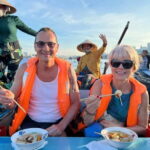
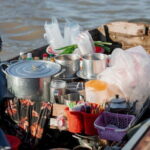
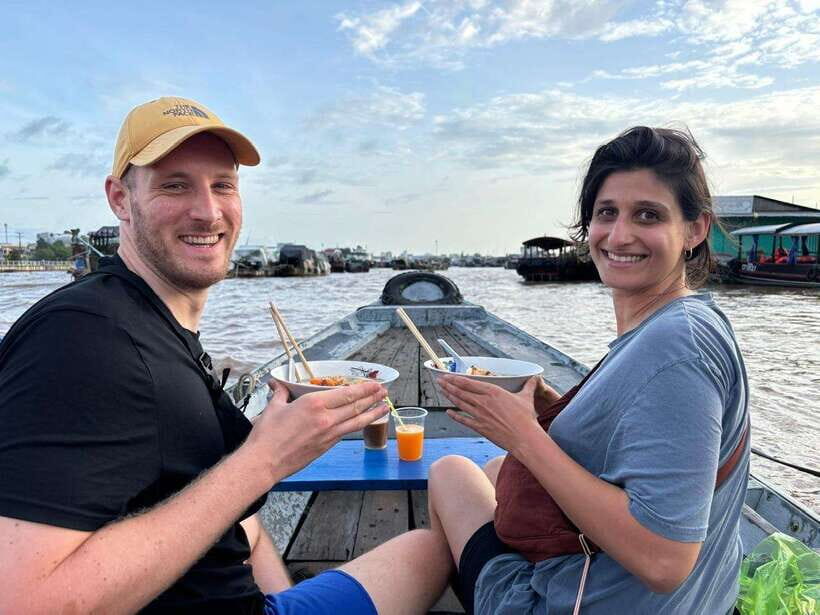
Breakfast here isn’t an afterthought. You’ll enjoy a traditional Vietnamese meal at the floating market area, with options like rice noodle soup, bánh mì, and bánh bao. There’s also fresh seasonal fruits served as part of the experience, plus tea and coffee on board.
I like the way this breakfast is timed. It lands at the moment you’re already on river time, so the food feels connected to the setting instead of a stop that could happen anywhere. If you’re hungry early (you will be), this is exactly what you want: something warm, something satisfying, and something that doesn’t break the schedule.
There’s also a small detail that people seem to remember: you get fresh pineapple right on the river. It sounds simple, but it’s the kind of delta sweetness you’ll only get when you’re actually close to the source.
If you’re vegetarian, ask for the vegetarian option when offered. The tour includes a vegetarian option for breakfast, which makes planning easier.
Rice noodle factory: watching your breakfast get made
After the market, you’ll visit a local rice noodle factory. This isn’t a quick “look at the machine” photo break. You observe the steps in the process—from cooking rice flour into the dough/rice paper base, to drying, cutting into noodles, and other stages along the way.
This stop is valuable because it explains the ingredient logic of the region. In the Mekong Delta, rice is the backbone. Seeing how the raw material turns into something you can eat daily helps you understand why certain meals show up so often. It also makes breakfast choices feel more meaningful later, since you’ll have just watched the production chain.
The factory is described as traditional and family-run, operating for many years. That matters because it adds continuity: this isn’t a flashy demonstration built for visitors. It’s a functioning food workshop where your guide can point out what locals do routinely and why.
If you’re the type who likes hands-on food storytelling, you’ll likely spend extra time watching the drying and cutting steps. Even without getting your hands in the process, you’ll leave with a clearer picture of how rice noodles become rice noodles.
Water coconut canals and village walking: the calm between the big sights
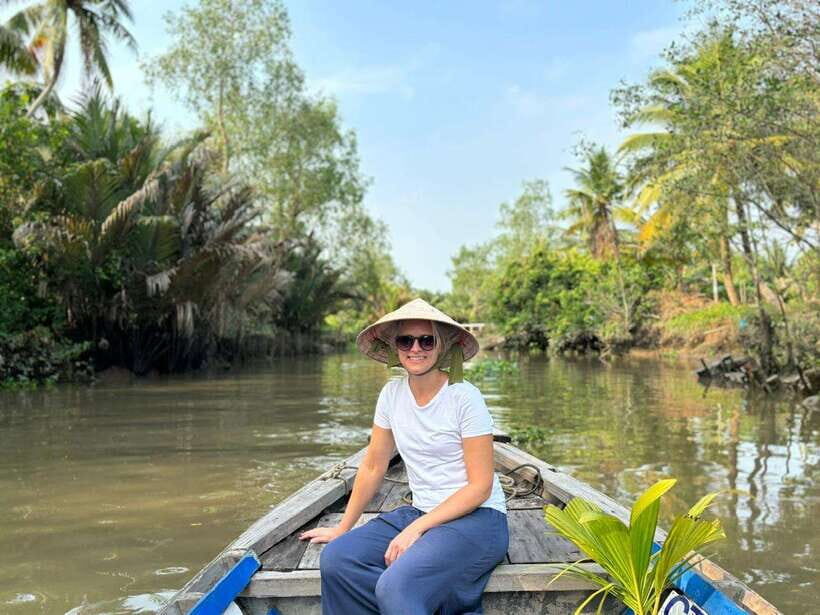
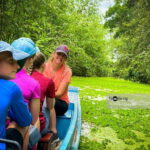
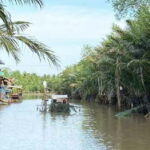
Next comes the slower part—cruising through smaller waterways where the delta’s scenery becomes easier to read. You’ll travel along water coconut canals, and you’ll notice mangroves and water coconut palms from the boat.
This is where the tour’s “river life” theme really shows. The floating market is busy and visually loud. The canals are the opposite: they’re about pace, shade, and the daily geography of living near water. It’s also a nice contrast if you worry floating markets will be too chaotic.
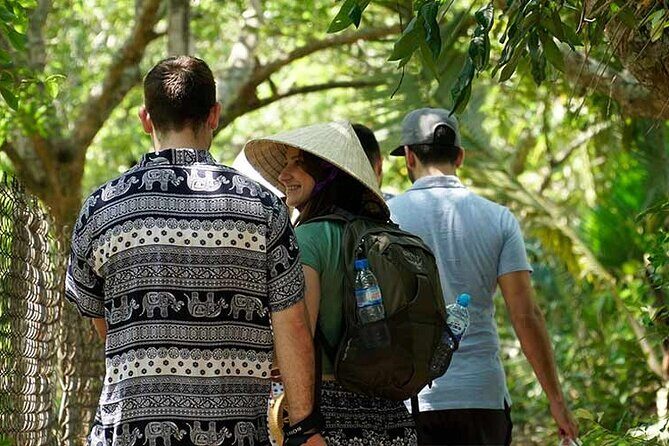
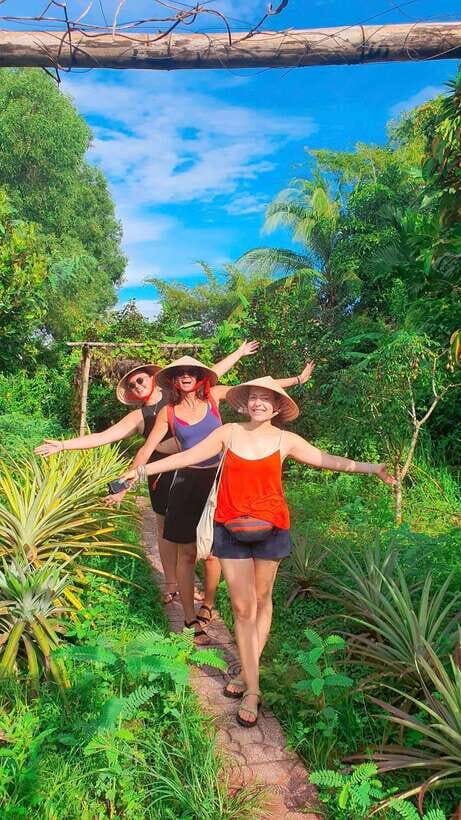
Then you get a chance to walk through peaceful villages. This part focuses on everyday life rather than set pieces. You’ll see traditional houses, friendly locals going about routines, and lush gardens around the paths. In other words, you’re not just “seeing Vietnam.” You’re seeing how people organize daily work in a place shaped by water.
A small caution: village paths can be uneven. The tour is wheelchair accessible, but you should still plan for some walkable segments during the village portion.
Other Can Tho tours we've reviewed

Organic cacao farm: tasting beyond the market labels
The day ends with an organic cacao farm visit, and it’s a thoughtful capstone. In a food tour, it’s easy to end with another sweet snack. Here, you get the story of cacao cultivation and how locals use cacao to make products such as chocolate, wine, and cosmetics.
You’ll also get to taste cacao milk and sample cacao wine. That tasting component is a big reason to choose this tour instead of simply reading about the Mekong online. You’ll be able to connect the farm work with what’s made from the harvest.
Why this farm stop works: it broadens your idea of what the Mekong Delta produces. Many people associate the region mainly with floating markets and rice. Cacao adds another layer—an example of local farming that’s not just about daily staples.
The guide explains the farming and processing story in a way that fits the flow of the day. You’re already learning about food production (noodle factory), and then you shift to a different crop with different steps. It keeps the tour varied without feeling random.
Small group value and the guide factor (Nick’s the name to remember)
A tour that costs $24 per person for roughly 6 hours can be either a bargain or a letdown, depending on what’s included. Here, it’s mostly the good kind of value: your pickup and drop-off are included, you get a sampan boat, breakfast with vegetarian option, seasonal fruit, tea and coffee, entrance fees, and guided explanation throughout.
The small group size also helps. With a max of 6 people, you’re more likely to get real answers instead of “we’ll move on” explanations. In the reviews, the guide name Nick shows up repeatedly—praised for being funny, informative, and attentive, and for going out of the way to make the day feel special even when the schedule is tight.
There’s also a theme around smooth timing. Pick-up and drop-off are described as on point, which matters on an early-morning tour. If you’ve ever tried to coordinate a boat day on your own, you know how quickly plans can wobble. Having the structure is part of the value.
One more thing: the itinerary includes a bit of flexibility. The tour ends around 11:30 AM, but river tides can affect the exact time, and the team does their best to keep things smooth.
Practical tips so your day feels easy
A few small choices will make a big difference on this tour day:
- Dress for early morning on the water. Bring a light layer even if you’re visiting in warm weather.
- Wear shoes you can walk in. The market area and village paths may involve uneven ground.
- Go hungry for breakfast. You’ll eat before the long boat-and-factory segments, and the meal is part of the experience.
- Ask questions. With a small group, your guide can actually answer. This is especially helpful at Cai Rang when you want to understand how trade works.
- Keep an eye on the tide timing. The finish time can shift slightly, so don’t book anything right after 11:30 unless you’re comfortable with a small delay.
If you’re sensitive to early starts, plan your Can Tho stay accordingly—this is not the kind of tour you want after a late night.
Who should book this Can Tho Mekong Delta tour?
This experience is a strong fit if you want a single, well-rounded morning in the Mekong Delta. It’s also a good choice if you like food and culture being connected, not split into separate boxes.
You’ll likely enjoy it if:
- You want Cai Rang Floating Market without spending the whole day stuck at one angle
- You like learning how common foods are made, especially rice noodles
- You want canals and village walking instead of only market sightseeing
- You’re interested in cacao beyond just tasting something sweet
It may be less suitable if:
- You strongly dislike early mornings
- You need fully flat, minimal-walking conditions for the village portion (even though the tour is marked wheelchair accessible)
Should you book this tour?
I think this is a good booking—especially for your first morning in Can Tho. The reason is simple: it packs meaningful variety into a short day, and it does it with structure. You get market life, boat time, food production, quieter village reality, and cacao tasting. It’s not only about where you go; it’s about how you experience those places.
If you’re deciding between doing it independently and taking a guided loop, this tour’s inclusion list is the deciding factor. For $24, you’re not just paying for a ride—you’re paying for transport, guiding, breakfast, fruits, tea/coffee, entrance fees, and the time someone else spent lining up the flow.
If you want one Mekong Delta day that feels practical and authentically local, this is an easy “yes” from me.
FAQ
What time does the tour pick me up in Can Tho?
Pickup is at 5:45 AM from Kim Long Hotel. The tour finishes around 11:30 AM, though the exact end time may vary slightly with river tides.
Where is the meeting point?
The tour meets at Kim Long Hotel – 9 Châu Văn Liêm, P. Tân An, Q. Ninh Kiều, Cần Thơ City and you’re also dropped off there at the end.
Is breakfast included, and can it be vegetarian?
Yes. Breakfast is included and a vegetarian option is available. Options mentioned include rice noodle soup, bánh mì, and bánh bao, plus fresh seasonal fruits.
Do I ride a boat on this tour?
Yes. You’ll take a small boat (sampan) to visit the floating market and cruise on the canals, with a local boat driver.
What do we do at the floating market?
You’ll arrive at Cai Rang Floating Market, learn the history and insights from your guide, and enjoy breakfast while you experience the market atmosphere.
Do we visit a cacao farm and do tastings?
Yes. You’ll visit an organic cacao farm and get to taste cacao milk and sample cacao wine.
Is the tour wheelchair accessible?
The tour is marked wheelchair accessible, and it’s a small group limited to 6 participants. The tour is not suitable for people over 95 years.