Can Tho wakes up early, and so does this tour. You’ll glide by boat as the Mekong Delta starts trading—then you’ll eat breakfast right on the water. It’s a smart way to see Cai Rang without turning your morning into a crowded bus tour.
I like that this is a small group (max 6), which makes the stops feel calmer and easier to ask questions. I also like the food-and-culture flow: floating market, a noodle-making family stop, and then a land market for the same tropical flavors locals buy every day.
One thing to consider: this is a 5:45am departure, so you’ll want to be ready early. And because it runs on the river, weather matters—if conditions are poor, the plan can change or you may get a refund.
In This Review
- Key things that make this tour worth your morning
- Starting at Ninh Kiều and getting on the water fast
- Cai Rang Floating Market: where trade feels real
- Breakfast on the boat: noodle soup, bánh mì, and coffee
- Lò hủ tiếu Chín Của: hands-on glass noodle making
- Back toward Cai Rang, plus the pineapple window
- Cai Rang land market: produce, fruit, and daily snack logic
- Quiet canals: why the calm parts are the point
- Price and value: $28 for a full morning of food plus craft
- Who this tour is best for (and who should rethink)
- Should you book Floating Market & Hidden Canals with this small-group format?
- FAQ
- What time does the tour start?
- How long is the Floating Market & Hidden Canals tour?
- How much does it cost?
- Where is the meeting point?
- Is this a small group?
- Is breakfast included, and what do you eat?
- What happens at the noodle house stop?
- Is there a pineapple stop?
- FAQ
- Is the tour ticket mobile?
- Do the market and noodle house stops require separate admission tickets?
- What if the weather is poor?
- How much advance notice do I need for free cancellation?
Key things that make this tour worth your morning
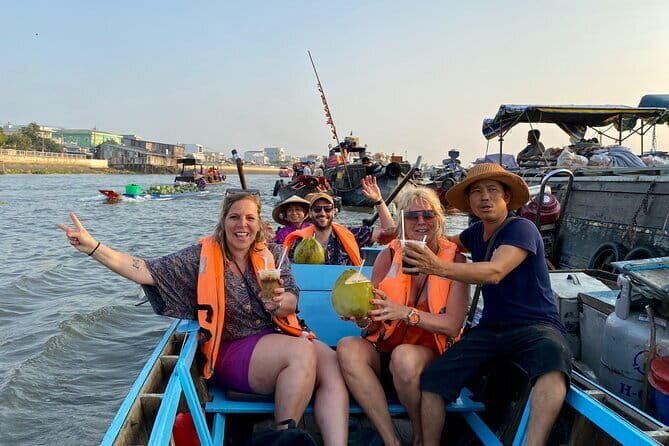
- 5:45am timing keeps you closer to daily life and less like a late-day show
- Sampan time plus quiet canals gives you both the famous market and the calmer backwater feel
- Breakfast on the boat (noodle soup or bánh mì with Vietnamese coffee) keeps hunger from derailing the schedule
- Family-run noodle stop at Lò hủ tiếu Chín Của includes hands-on glass-noodle making
- Land market visit for tropical fruits and Mekong snacks, not just boats and river chatter
- Pineapple stop is skippable, so you can opt out if you’d rather keep the pace
Starting at Ninh Kiều and getting on the water fast
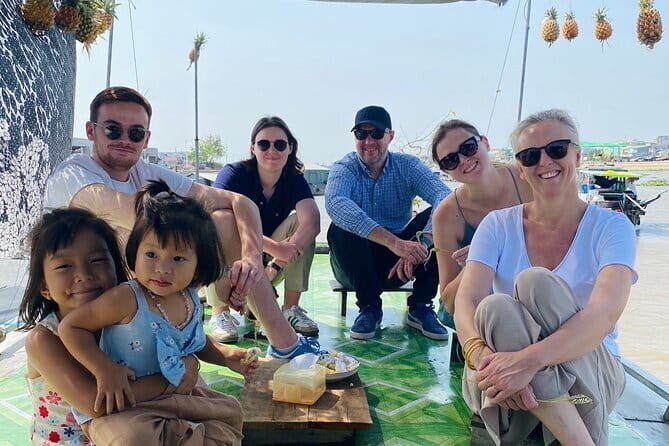
This tour meets at Mixue Hai Bà Trưng (bến Ninh Kiều), 142 Đ. Hai Bà Trưng, Tân An, Ninh Kiều, Cần Thơ. The start time is 5:45am, and it typically runs about 4 to 5 hours total.
That early start is doing real work for you. Cai Rang looks impressive any time, but the “why” comes from the rhythm—early buyers, quick exchanges, and vendors preparing food and produce while the river is still waking up. Going first also helps you dodge some of the heavier crowds that tend to build later in the morning.
You’ll get a mobile ticket, and the tour is described as being near public transportation. The practical upside: you don’t need a complicated transfer plan built around private cars, and you can plan your morning around something simple—arrive, check in, and go.
Also note the pace: it’s a morning program with a few transitions by boat. That means you should keep your valuables secure, wear shoes you don’t mind getting a bit wet, and bring something for light sun/rain depending on the day.
Other Mekong floating market tours we've reviewed



Cai Rang Floating Market: where trade feels real
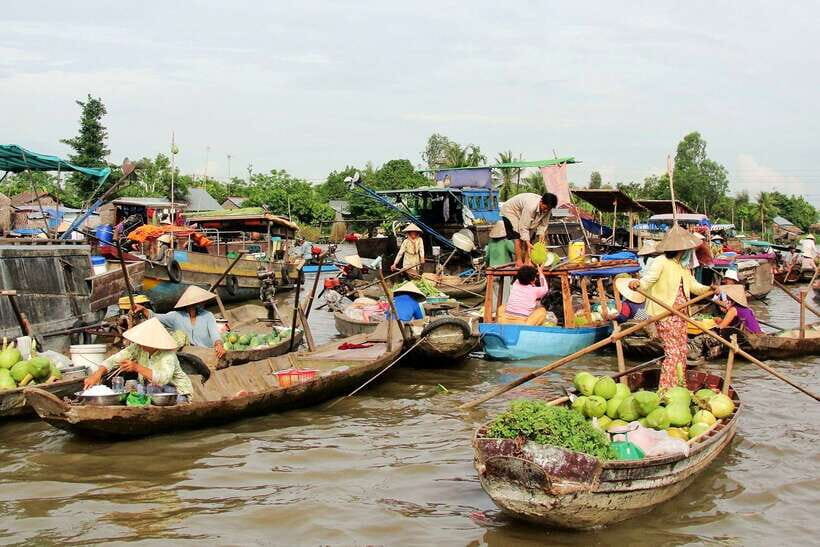
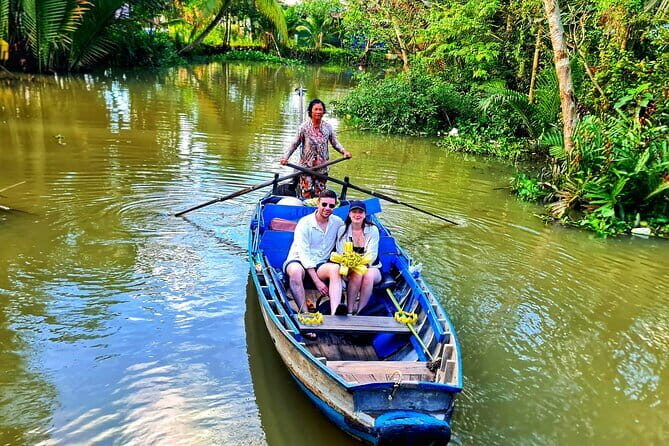
Your first major stop is Cai Rang Floating Market. This is where the Mekong Delta stops being a geography lesson and becomes something you can watch—up close and from the water.
What you’re paying for isn’t just a photo stop. You’ll see how goods get purchased and transferred, and how boats function as both workplace and transport. You’ll also notice the mix of quick activity and everyday routine. It’s not a theme park version of “floating life.” It’s a working river market, and that changes the feel immediately.
A key detail: you get about 1 hour 50 minutes at this stop. That’s long enough to get oriented, spot how the exchanges happen, and then slow down to look at the smaller moments—how people coordinate, how produce and supplies move, and how the floating market ties into the rest of the day.
What to watch for:
- How boats cluster and reposition as buyers and sellers connect
- Transfers that happen fast—you’ll see why being early helps
- Small signals and pacing, more than speeches or big announcements
Potential drawback: because this is a live market, it can be slightly chaotic. If you get uncomfortable around lots of movement and close quarters, this stop may feel intense at times. The good news is the tour is small-group friendly, so you’re not fighting a big crowd for position.
Breakfast on the boat: noodle soup, bánh mì, and coffee
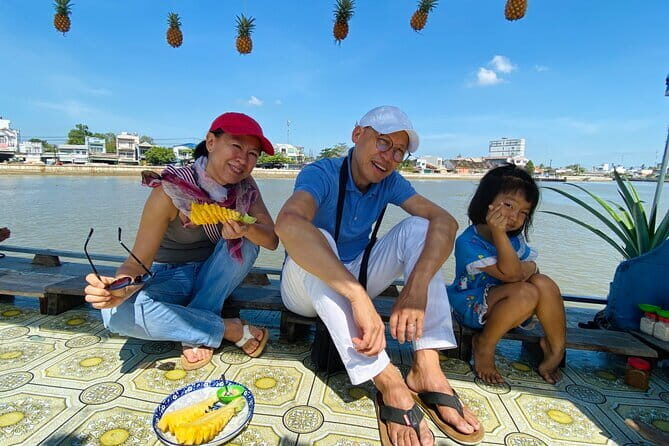
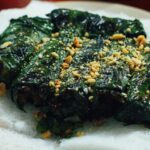
You won’t just look at food—you’ll eat it. During the floating market segment, you’ll enjoy breakfast served right on the boat as you drift through the market. The menu options are noodle soup or bánh mì, plus Vietnamese coffee.
This is one of those details that makes a tour actually feel efficient. In many markets, you spend time searching for food while everyone else watches and leaves you behind. Here, you eat as part of the flow. It’s also a nice way to slow down after the first burst of visuals.
If you’re the type who likes to try local breakfast without committing to a full restaurant meal, this is a good fit. And because it’s served on the boat, you don’t have to stop your river time to hunt for a table.
One practical tip: bring your phone with a strap or secure it well. You’ll be on a boat, and the combination of movement and morning excitement can make devices easy to drop. Also, eat early while you still feel calm—by the time the day gets hot, you’ll appreciate that you already handled breakfast.
Lò hủ tiếu Chín Của: hands-on glass noodle making
After the floating market, you’ll travel by boat for about 10 minutes to Lò hủ tiếu Chín Của, a noodle house. You’ll spend about 50 minutes here.
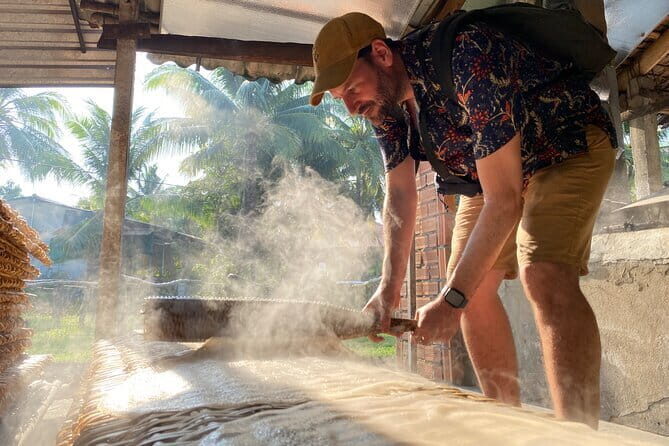
This is the stop that turns the tour from sightseeing into something personal. You’ll learn about traditional noodle making with a family-run setup that has over 40 years of history. Then comes the hands-on part: you’ll try your hand at making glass noodles.
Why this matters: in many cultural stops, you watch. Here, you participate. Even if your first attempt isn’t perfect, you’ll get a real sense of texture, timing, and technique. That’s the difference between tasting food and understanding how it gets made.
You might also notice how the noodle house blends routine and skill. The process is specific, and that specificity is where the education is. If you like food culture—how ingredients turn into daily staples—this portion is likely to be your favorite.
Possible drawback: hands-on activities can feel rushed if you’re expecting a slow, workshop-style pace. This is still a tour schedule with a tight morning flow. The upside is you don’t need prior experience; the goal is participation, not perfection.
Back toward Cai Rang, plus the pineapple window
There’s a short transition segment where you travel back toward Cai Rang. The plan includes a stop for pineapple fruit for about 20 minutes. It’s described as skippable if you’re not into pineapple.
This is a useful moment to reset. Pineapple is common across the Mekong Delta, and a fruit stop like this often shows you what people snack on and buy casually—not just what appears in tourist-friendly markets. If you like tropical fruit, it’s worth taking the quick walk and having a taste. If you don’t, skipping keeps the tour aligned with your preferences.
Either way, the pineapple stop is short enough that it doesn’t hijack the rest of your morning.
Other hidden-canal small-boat tours we've reviewed


Cai Rang land market: produce, fruit, and daily snack logic
Next up is Cai Rang land market, where locals shop daily for fresh produce. You’ll spend about 1 hour 50 minutes here, after traveling by boat for about 10 minutes from the noodle house.
This land market is important because it adds context. Floating markets can make you think everything happens on boats. The truth is more balanced: many families still do big buying on land, then move goods by water when it makes sense.
What you’ll see here is the same ecosystem, just from the other side. Expect tropical fruits and Mekong snacks—the kinds of items locals pick up without making it a big event.
This stop is also where you can use good travel judgment. If you’re thinking about bringing something home, this is usually where you’ll find items that are easier to transport than fragile prepared foods (though the tour description doesn’t specify what’s packaged vs. sold fresh). If you want souvenirs that make sense, look for snacks and fruit products that appear practical to pack.
Practical tip: bring small cash or coins if you plan to buy anything. The tour runs on a river schedule, and you don’t want to spend your limited market time searching for an ATM.
Quiet canals: why the calm parts are the point
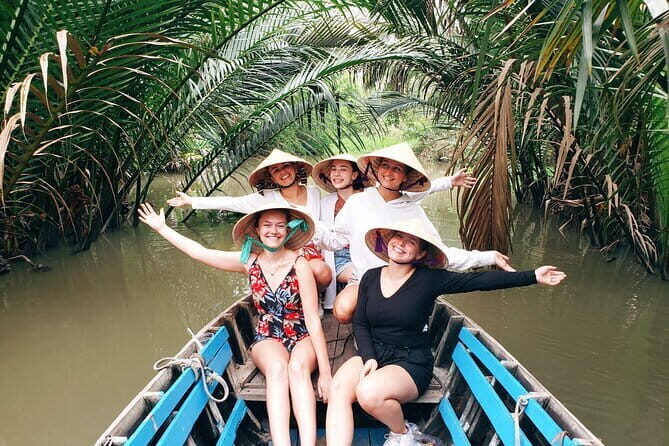
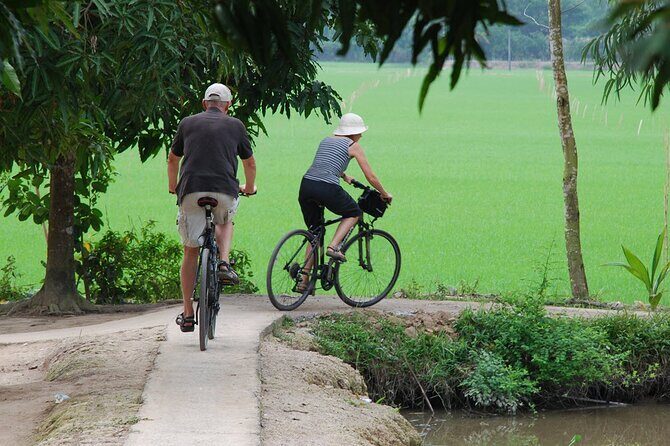
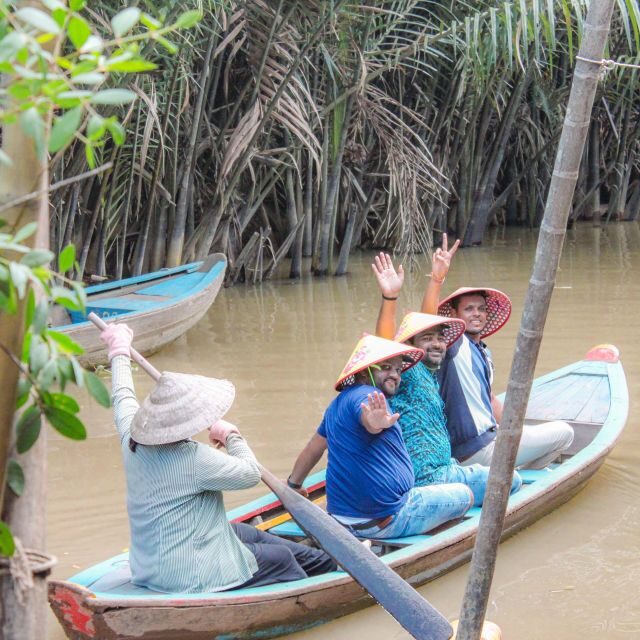
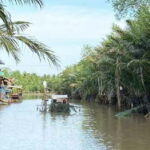
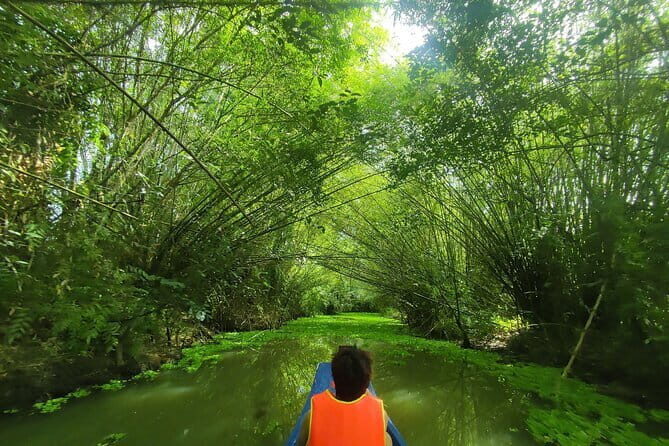
The name is Floating Market & Hidden Canals, and that second half matters. After the busier market moments, you’ll drift through peaceful small canals, far from the crowds, to experience quieter river life.
This is where you get a different sensory picture of the Mekong Delta. Instead of focusing only on the market’s commercial energy, you see the everyday river environment—how water life sits alongside homes, routines, and the slower pace of canal travel.
Why I think this is valuable: a lot of people come to Can Tho expecting only the headline floating market. The canals help you understand the larger system. It’s also a welcome break after hours of looking up at boats and down at trading activity.
If you’re the type who likes photos, this is often where you can get calmer shots—less jostling, fewer big group interruptions, and more natural “drift” views.
Price and value: $28 for a full morning of food plus craft

The price is $28 per person for a tour that runs about 4 to 5 hours. That may sound modest, especially considering you’re getting:
- Boat time on the river
- A floating market visit
- A family noodle-making experience, including hands-on glass noodle making
- Breakfast on the boat (noodle soup or bánh mì plus Vietnamese coffee)
- A land market visit
- Additional short stops, like pineapple (skippable)
In other words, you’re not just paying for transportation to a viewpoint. You’re paying for guided transitions, scheduled river time, and included food plus activity. That’s the core value equation.
Also, this is a maximum of 6 travelers, which supports a higher-quality feel. With fewer people, it’s easier to move with the guide, ask questions, and not spend the morning stuck waiting your turn at each moment.
The standout praise is consistent: this tour is highly recommended, and the guide experience gets the nod—friendly, helpful, and willing to share knowledge. That kind of guidance makes food and market watching way more satisfying because you understand what you’re seeing instead of just scanning for sights.
Who this tour is best for (and who should rethink)
This tour fits best if you:
- Want a real morning in the Mekong Delta, not a late-day souvenir scramble
- Like food culture enough to enjoy breakfast on the boat
- Enjoy hands-on learning, especially with food preparation
- Prefer small groups and calmer pacing
It may not be ideal if you:
- Hate early starts (5:45am is early)
- Want a long, slow workshop experience (the noodle-making stop is about 50 minutes)
- Get easily bothered by busy market movement, even though the group is small
Overall, it’s a great match for couples, friends, and solo travelers who want a structured morning with authentic river rhythm—floating market drama, then craft, then land-market context, then quiet canals.
Should you book Floating Market & Hidden Canals with this small-group format?
Yes—if you want one Can Tho morning that covers the Delta’s “big idea” in a smart order. This isn’t only about seeing Cai Rang; it’s about understanding how water trade connects to food making and daily buying on land.
I’d book it if you care about:
- Food you can eat while you travel
- A family-run noodle stop where you actually try the process
- The calmer payoff of hidden canals after the main market
Before you decide, do one quick check: you’re comfortable with a 5:45am start, and you’re okay with a schedule that moves between boats, markets, and short stops. If both are true, this is strong value for a morning that feels both practical and genuinely local.
FAQ
What time does the tour start?
The tour starts at 5:45am.
How long is the Floating Market & Hidden Canals tour?
It runs for about 4 to 5 hours.
How much does it cost?
The price is $28.00 per person.
Where is the meeting point?
The tour meets at Mixue Hai Bà Trưng (bến Ninh Kiều), 142 Đ. Hai Bà Trưng, Tân An, Ninh Kiều, Cần Thơ 900000, Vietnam.
Is this a small group?
Yes. The tour has a maximum of 6 travelers.
Is breakfast included, and what do you eat?
Breakfast is served on the boat and includes noodle soup or bánh mì, plus Vietnamese coffee.
What happens at the noodle house stop?
You visit Lò hủ tiếu Chín Của, where you’ll learn about traditional noodle making and try making glass noodles. The stop lasts about 50 minutes.
Is there a pineapple stop?
Yes, there’s a pineapple fruit stop for about 20 minutes, and it’s skippable if you don’t want it.
FAQ
Is the tour ticket mobile?
Yes, the tour includes a mobile ticket.
Do the market and noodle house stops require separate admission tickets?
The stop details list admission ticket free for the included visits.
What if the weather is poor?
The experience requires good weather. If it’s canceled due to poor weather, you’ll be offered a different date or a full refund.
How much advance notice do I need for free cancellation?
You can cancel up to 24 hours in advance for a full refund. Cancellation less than 24 hours before the start time is not refundable.