REVIEW · CAN THO
Mekong Delta Tour 2-Day (SaDec – Can Tho – My Tho – Ben Tre)
Book on GetYourGuide →Operated by VIET FUN TRAVEL COMPANY LIMITED · Bookable on GetYourGuide
Two days in the Mekong feels like a postcard. I really liked the Sa Dec flower village stop along the river, and you’ll also get a morning Cai Rang floating market boat experience that shows how everyday commerce actually works in the West. The tour also packs in several distinct cultural sights, from pagodas to a riverside merchant house with an unusual design story.
One thing to consider: the itinerary can feel fast and hot, and there have been last-minute changes reported on some dates, including situations where certain stops were skipped or the group format shifted. So if Sa Dec is a must for you, I’d ask for a clear confirmation before you hand over your final plans.
In This Review
- Key points to clock before you go
- Day 1 coach to Sa Dec: flower lanes, pagodas, and a merchant’s house
- Can Tho night: what you gain from sleeping in the Delta
- Day 2 breakfast and Cai Rang floating market by boat
- My Tho and Ben Tre: Phoenix Island, Unicorn Island, coconut life
- What you’re really paying for: value of 2 lunches, hotel, and boat time
- Guides, group size, and the one risk to plan around
- Who this tour suits best
- Should you book Mekong Delta Tour 2-Day (Sa Dec – Can Tho – My Tho – Ben Tre)?
- FAQ
- How long is the Mekong Delta Tour 2-Day and when does it start?
- Where do I stay overnight?
- What meals are included?
- Are boat trips part of this tour, and are safety items provided?
- What are the main stops on the itinerary?
- How big is the group and what languages are available?
Key points to clock before you go
- Sa Dec flower village area and river setting: set about 3 km from Sa Dec city, spread over 313 ha and shaped by both the Tien and Sa Dec rivers for easy movement by road and water
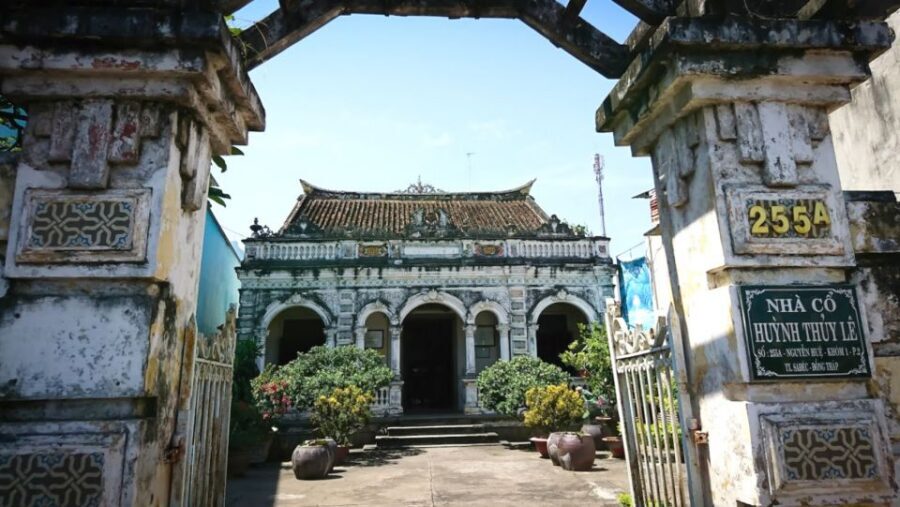
- Huynh Thuy Le Ancient House design puzzle: wood house origins, reconstructed in 1917, with French-style look outside and Chinese influence inside
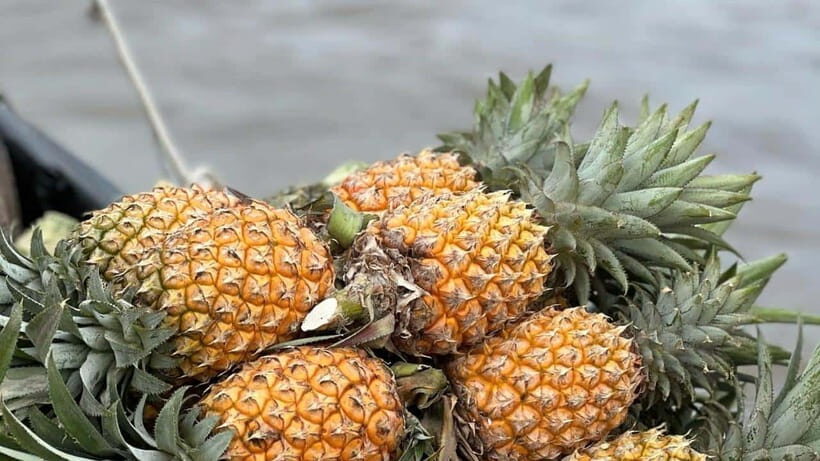
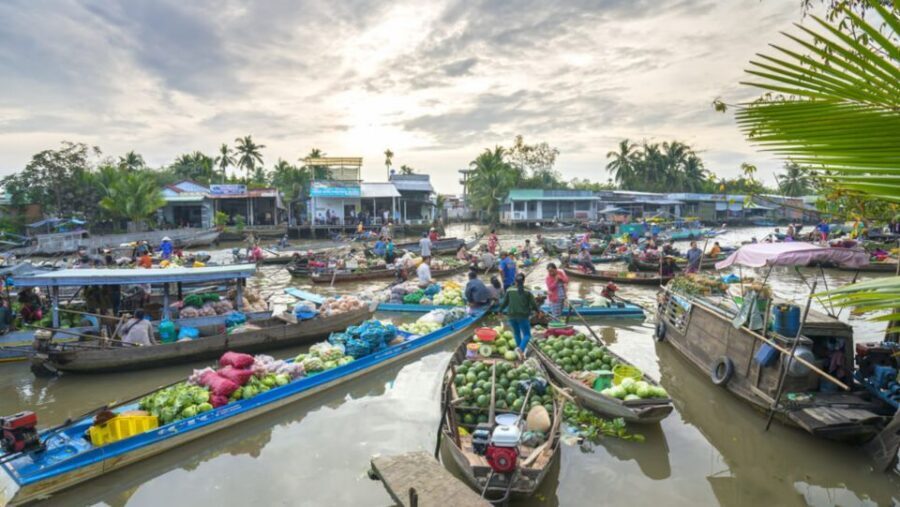
- Cai Rang floating market timing: early morning start from Can Tho by boat, with a chance to board a merchant boat selling pineapples
- My Tho and Ben Tre by water: Phoenix Island coconut-religion stop, Unicorn Island creeks with stilt houses, plus canal cruising and fruit/garden breaks
- Food and small comforts: honey tea, fruit time, 2 lunches + 1 dinner + 1 breakfast, and 1 night in Can Tho with entrance fees included
- Small group approach: limited to 15 participants, guided in English (and Vietnamese)
Day 1 coach to Sa Dec: flower lanes, pagodas, and a merchant’s house
Your day starts in Ho Chi Minh City with an air-conditioned coach pickup. The standard departure time is listed as 7:30am (5 minutes later for higher hotel grades), so build in some buffer for traffic and the midday heat later.
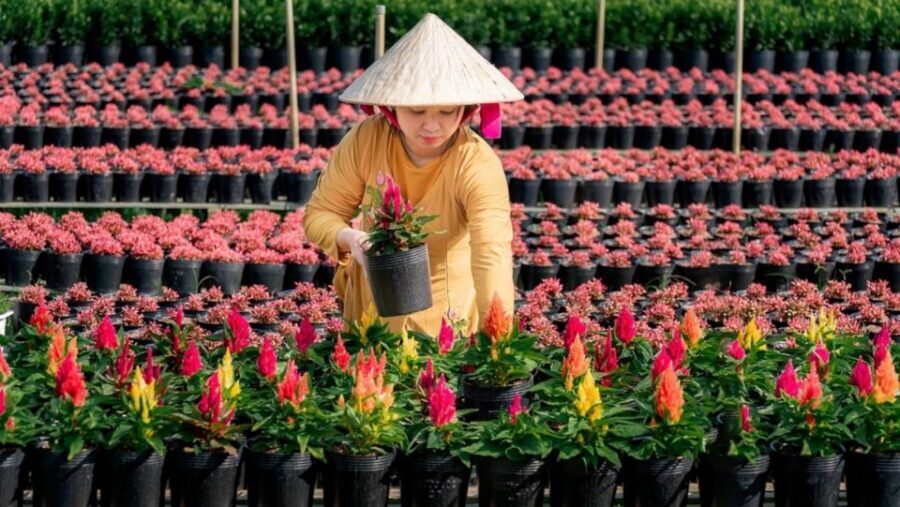
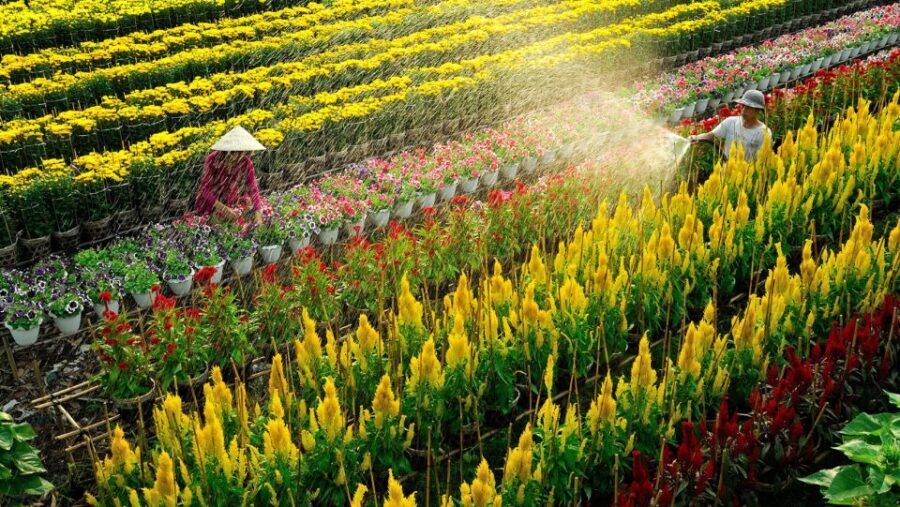
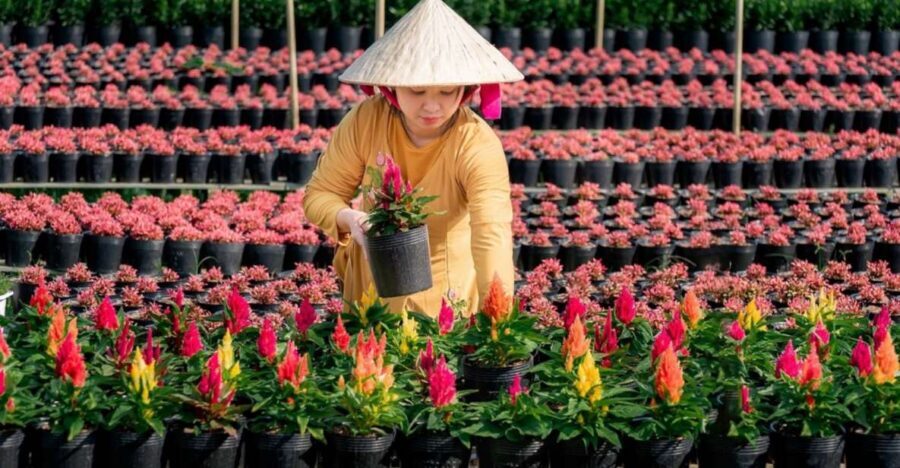
The first big stop is Sa Dec’s ornamental flower village, about 3 km from town center. You’re not just seeing flowers. You’re seeing how the village was planned: it’s a large area (313 ha) with 1,968 households, and it sits on both sides near the Tien and Sa Dec rivers. That matters because it explains why water transport still plays a role, even when you’re moving by road.
A fun add-on here is Happy Land Hung Thy Sa Dec, described as a rustic tourist resort created in the flower village with river nature in mind. If you like small, local-feeling photo stops and don’t mind a few tourist touches, this one usually works well in the flow of the day.
Next comes lunch at a restaurant before you shift from the garden world into Sa Dec’s religious landmarks. You’ll visit Kien An Cung Pagoda, also known as Ong Quach Pagoda. The key detail I find useful is the backstory: it was built by Chinese immigrants from Fujian, connected to workshop ancestors and community organization, then completed between 1924 and 1927. It’s a good reminder that the Mekong Delta’s culture isn’t only Khmer or Vietnamese. It’s also Chinese-Vietnamese in places where trading history runs deep.
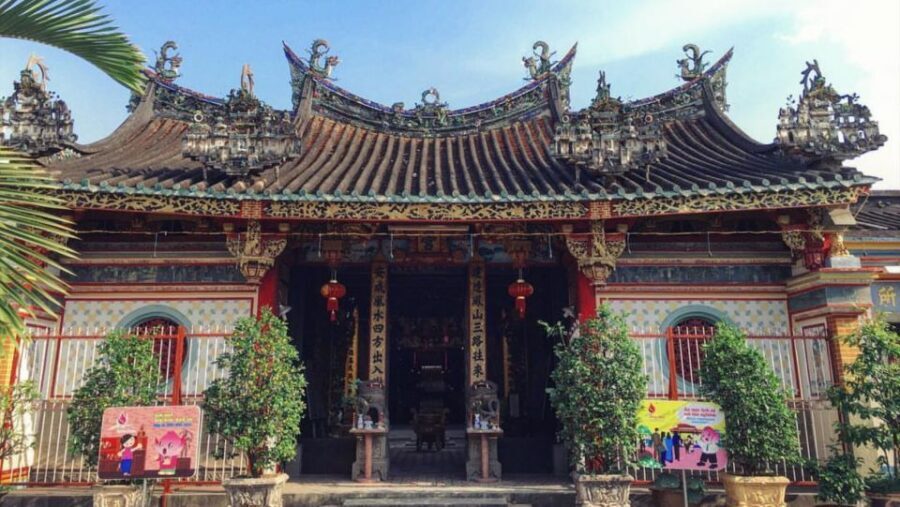
Then you’ll get to the tour’s standout story location: Huynh Thuy Le Ancient House. The house is tied to the merchant Huynh Thuy Le’s father, Huynh Cam Thuan, who was known as a famous merchant in Sa Dec port. The construction details are the hook: the structure is mostly wood with a traditional Southern house shape. Later, in 1917, the owner reconstructed it by filling gaps inside with solid bricks. The result is described as French-looking outside with Chinese-style details inside. Even if you don’t care about architecture, that mix gives you a tangible, walkable version of cross-cultural trade and change.
You’ll round out Sa Dec with more pagoda visits. Phuoc Kien Pagoda is known for a legend of a crane or a turtle, and it’s also famous for a “giant lotus” feature called giant lotus nia. The day ends with La Sen Pagoda as well, described as a unique sight you’ll admire.
After all that, you’ll move on to Can Tho. You check into your hotel, have dinner, and sleep overnight. That hotel night is important because it keeps the tour from becoming a 48-hour sprint without rest.
Other Can Tho tours we've reviewed

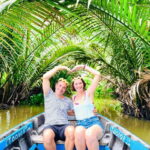
Can Tho night: what you gain from sleeping in the Delta
This itinerary is built around one night in Can Tho. That’s not always the case with Mekong tours. Here, it gives you a real break between the two busy halves.
Dinner is included, so you don’t have to solve food logistics after a long day. And the Can Tho base makes the next morning’s boat time feel earlier and less stressful. If you’ve ever taken a day-trip market tour and arrived too late, you’ll appreciate having a night to reset.
If you’re the type who likes to see how people live beyond the highlights, Can Tho is also the right kind of setting. You’re in the Delta “capital” area, and the next day’s Cai Rang floating market ride makes much more sense after you’ve already slept there.
Day 2 breakfast and Cai Rang floating market by boat
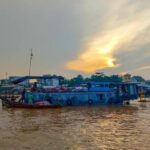
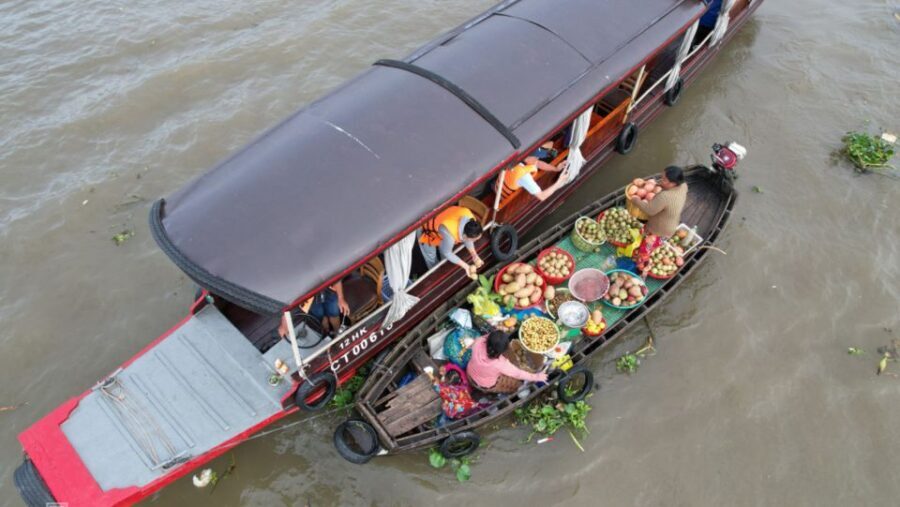
Day 2 starts with breakfast at 7:00am, followed by a boat ride of about 40 minutes to Cai Rang floating market. This timing is one of the main quality points of the tour. Floating markets are not a static museum. They move with daily routines, so being there earlier is usually the difference between watching commerce and seeing the market wind down.
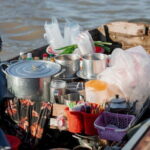
Cai Rang is described as the largest floating market type in the whole Mekong Delta. During the stop, you may board a merchant boat that sells pineapples from Can Tho City. Even if you’re not buying anything, this is a practical way to understand how vendors package and transport fruit through water-based routes.
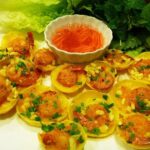
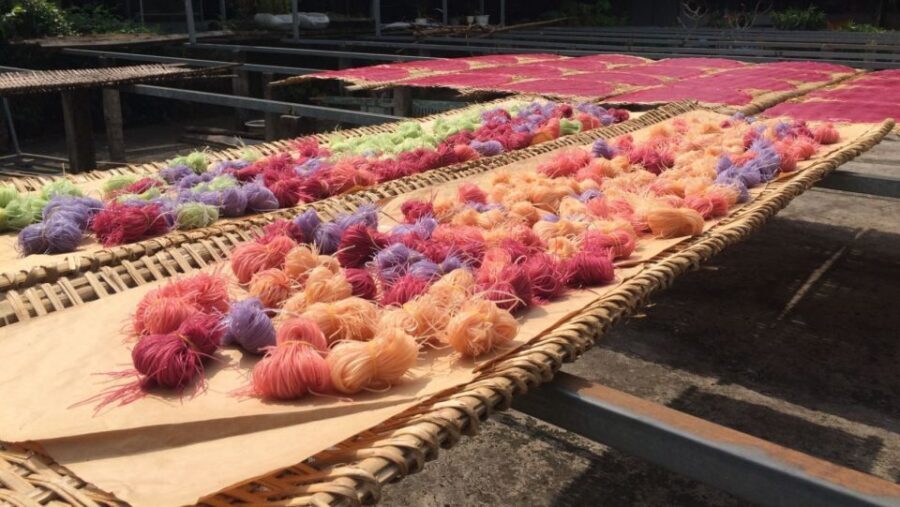
After the market, you visit a noodle and a rice paper factory. This kind of stop is often either too quick or overly salesy on other tours. Here, it at least fits the theme: you’re moving from the boat economy into the food-production side. You’ll likely get a better appreciation for how rice products reach shops and kitchens, not just how they look on a table.
Then you continue to My Tho, where the waterways take over.
My Tho and Ben Tre: Phoenix Island, Unicorn Island, coconut life
In My Tho, you take a boat to Phoenix Island for a stop focused on coconut religion. The phrase is broad, but the practical value is clear: you’re learning how everyday life and belief systems connect to local crops, especially coconut. If you’re used to tourism that only explains food, this adds a cultural angle.
Lunch is included in this section, which helps you avoid the common problem of Mekong itineraries running you to hunger at the exact moment the day is hottest.
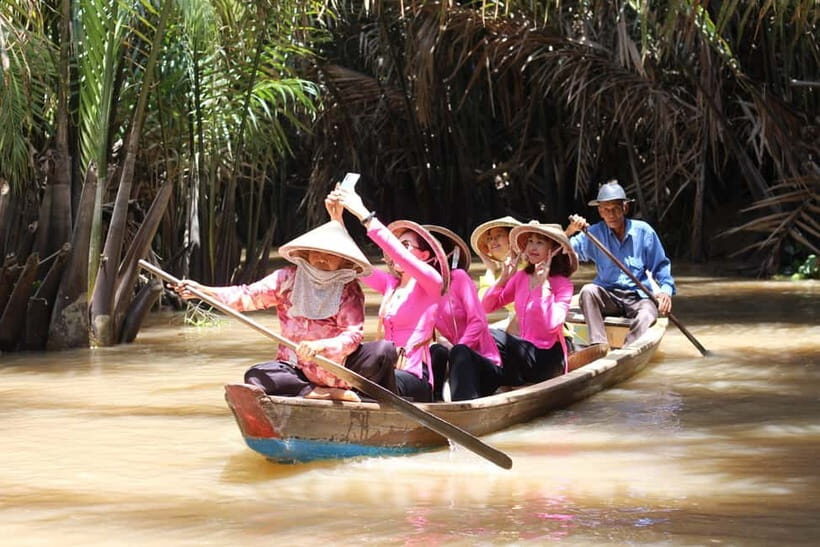
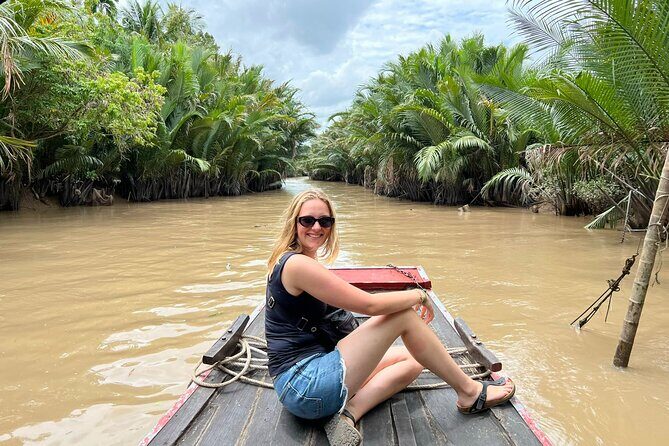
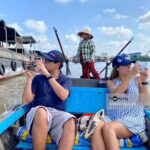
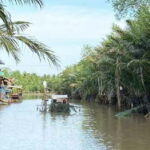
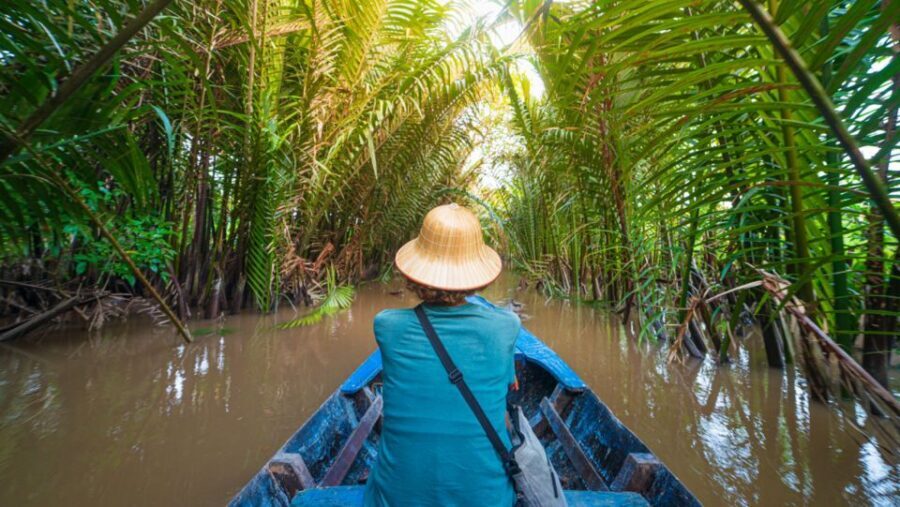
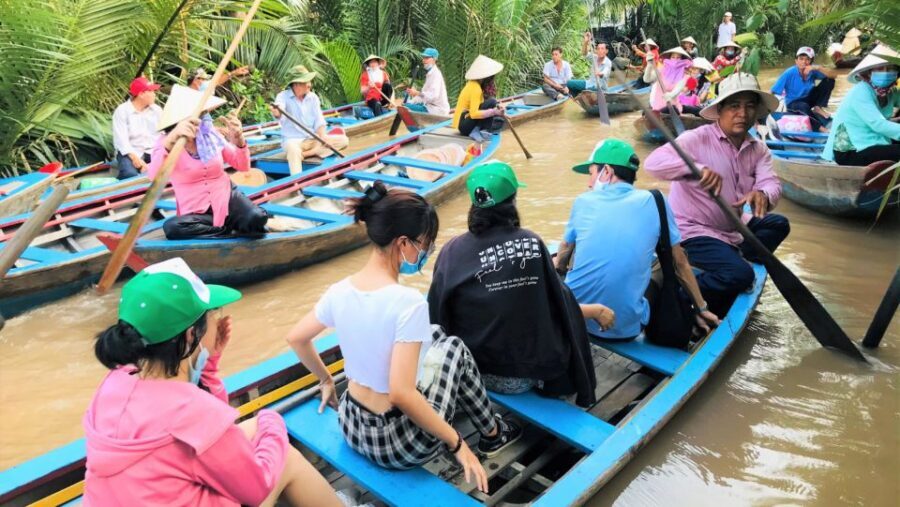
After lunch, the itinerary shifts toward Ben Tre-style scenery and small-water-channel cruising. You board a wooden motor boat to Unicorn Island. Along the river bank you pass through natural creeks, fisherman’s ports, and stilt houses. This is one of those “slow down and look” moments. When you see houses on stilts and small boats threaded through waterways, you get a better sense of why the Mekong Delta developed a strong boat-and-canal way of life.
Next is a bee farm stop, where you can taste honey tea. It’s a simple add-on, but it’s also a good break from heat and walking. From there, you get back on the water with a small row boat. You cruise along a canal with coconut trees and fresh air, then move toward orchards.
A key cultural detail comes when the tour heads to a village where coconut candies are made. You’ll get the sensory cue first. You’ll be able to smell coconut candy production, then see small shops crafting coconut-based items. The tour also mentions handcrafted goods made from coconut trees of the Mekong Delta. If you like buying small, food-focused souvenirs, this is the part of the day where you’re most likely to find edible gifts rather than generic trinkets.
There’s also a seasonal fruits garden stop. You can sample different tropical fruits and listen to folk music typical to Southern Vietnam. That mix of tasting plus music is a good closing note because it feels like a local afternoon, not a checklist.
By late afternoon, you return to Ho Chi Minh City, arriving between 6:00pm and 7:00pm. That timing matters if you’re planning onward travel the same night.
What you’re really paying for: value of 2 lunches, hotel, and boat time
At $92 per person for the standard 2 hotel option, you’re paying for more than transport. This package includes:
- Air-conditioned coach between cities
- A hotel night in Can Tho
- Boat trips and other water-based transport, with life jackets provided for everyone
- Entrance fees
- English-speaking guide
- Meals: 2 lunches, 1 dinner, 1 breakfast
- Fruits and honey tea
- Mineral water (2 bottles per person over 2 days)
When you break it down, the money mostly goes into the logistics: coach, boats, entrance tickets, and one overnight stay. The entrance fee inclusion is also a nice touch because it reduces surprise costs.
The tradeoff is pacing. This is a tight itinerary with many stops, especially on Day 1 with flower village plus multiple pagodas plus the Huynh Thuy Le house. If you want long, slow museum-style time in one place, this tour may feel like a series of quick encounters.
Also pay attention to the hotel grade differences. The listed pricing changes with hotel level: 2 (starting 7:30am), 3 (starting 7:35am), and 4 (starting 7:40am). So you’re not only paying for comfort. You’re also buying a slightly different daily rhythm.

Guides, group size, and the one risk to plan around
This tour is set up as a small group: up to 15 participants. That’s a meaningful difference versus mega-coach groups. You can usually hear the guide better and get moving without getting stuck behind a wall of people.
The guide is listed as English speaking (and Vietnamese also available). One detail that sticks from past experiences is that a guide named Kim was described as empathetic and friendly. You might get a guide with that same tone, but I’d treat it as a bonus, not a guarantee.
Now the caution. There have been reported instances of last-minute changes. In one case, Sa Dec was reportedly not done even though it was paid for. In another, the tour format shifted from a group tour to a more individualized setup after the fact, including mention of extra cost and a more relaxed feel overall.
You can’t control whether that happens. But you can control how prepared you are. If Sa Dec, Huynh Thuy Le, or Cai Rang are your top reasons for booking, ask the operator to confirm what’s locked in for your departure date and what flexibility exists on their side.
Finally, remember the heat factor. The itinerary includes a lot of outdoor walking, plus early morning market time and daylight boat cruising. Bring water, wear light clothes, and use sun protection. You’ll be happier moving fast when you’re not fighting the sun.
Who this tour suits best
This Mekong Delta tour fits you if you want a well-organized 2-day sampler of Sa Dec + Can Tho + My Tho + Ben Tre without having to plan boat routes yourself.
It’s also a good choice if you like:
- Cultural stops tied to real local stories (like Huynh Thuy Le’s house)
- Food production and daily-life visits (rice paper, noodle factory, coconut candy village)
- Water-based touring with enough structure to make the day easy
You might want to look elsewhere if you:
- Hate a fast pace and prefer one or two areas with long stops
- Are very sensitive to heat and long outdoor segments
- Need absolute certainty that every listed stop will run exactly as written
Should you book Mekong Delta Tour 2-Day (Sa Dec – Can Tho – My Tho – Ben Tre)?
I think it’s worth considering if you want strong value for money and you’re okay with an itinerary that moves. For $92, you get a hotel night, major boat time on the Delta, multiple included meals, and entrance fees. That’s the practical reason it works.
Just go in with eyes open. Confirm your departure details before the day starts, especially for Sa Dec. Pack for sun and plan to go with the flow on timing. If you do, you’ll likely leave with two kinds of memories: the story-driven buildings of Sa Dec and the boat-and-coconut daily life that makes the Mekong Delta feel real.
FAQ
How long is the Mekong Delta Tour 2-Day and when does it start?
It runs for 2 days. The listed weekly start time depends on the hotel grade: standard 2 starts at 7:30am, 3 at 7:35am, and deluxe 4* at 7:40am. Check availability to see starting times.
Where do I stay overnight?
You stay 1 night in Can Tho at the included hotel.
What meals are included?
The tour includes 2 lunches, 1 dinner, and 1 breakfast.
Are boat trips part of this tour, and are safety items provided?
Yes. You take multiple boat trips in the Mekong Delta, and the boats include enough life jackets for everyone.
What are the main stops on the itinerary?
Key stops include Sa Dec ornamental flower areas and attractions like Huynh Thuy Le Ancient House, Can Tho’s Cai Rang Floating Market, plus My Tho and Ben Tre visits including Phoenix Island and Unicorn Island.
How big is the group and what languages are available?
The group is limited to 15 participants. The tour is guided in English, with Vietnamese also available.