REVIEW · HO CHI MINH CITY
Ho Chi Minh: 3-Day Mekong Delta & Optional Exit to PhnomPenh
Book on GetYourGuide →Operated by MILLENIUM TRAVEL CO.,LTD · Bookable on GetYourGuide
One day in the Delta changes your pace forever. I like how a guide (Tuco is one example I’ve heard about) connects Cai Rang Floating Market with the quieter Tra Su Mangrove rowing, so you experience southern Vietnam from both water and village lanes. You also get built-in context as you move from orchards to temples to Cham life, not just photo stops.
The trade-off is a tight schedule and early mornings. If you want lots of slow, unscheduled time, this route may feel like it’s always on the move. Also, pagoda visits require shoulders and knees covered, so plan your outfit for humidity and heat.
In This Review
- Key highlights you’ll actually feel
- Why this Mekong Delta route makes sense
- Day 1 from Ho Chi Minh City to Cai Be: river cruise and garden life
- Cai Be food, folk music, cycling, and coconut treats
- Day 2 in Can Tho: Cai Rang Floating Market and noodle workshop morning
- Chau Doc and Tra Su: rowing through mangroves and wildlife habitat
- Day 3 floating villages and the optional exit to Phnom Penh
- Hotels, meals, and what you’re really paying for
- Transportation and timing: what to expect in the real world
- Price and value check: $261 for three days plus an exit option
- Who this tour is best for (and who should skip it)
- Should you book this 3-day Mekong Delta tour to Phnom Penh?
- FAQ
- What does the tour cost and how long is it?
- Where do we meet in Ho Chi Minh City?
- Does pickup include all hotels in Ho Chi Minh City?
- What’s included in the price?
- Is a Cambodia transfer included if I choose the Phnom Penh option?
- Do I need visas for Vietnam and Cambodia?
- What should I wear for temple visits?
- What’s not included besides visas and drinks?
Key highlights you’ll actually feel
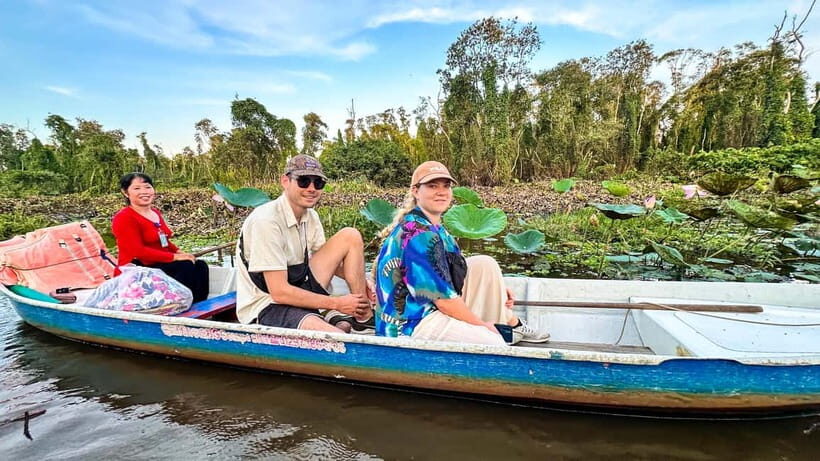
- Cai Be by Tien River cruise with orchards, villages, and historic houses
- Cai Rang Floating Market in the morning plus a family-run noodle workshop
- Munir Ansay Pagoda for Khmer culture context in Can Tho
- Tra Su Mangrove Forest by rowing boat for close-up nature viewing
- Optional Phnom Penh exit by speedboat (or bus) to save time and reduce stress
Why this Mekong Delta route makes sense
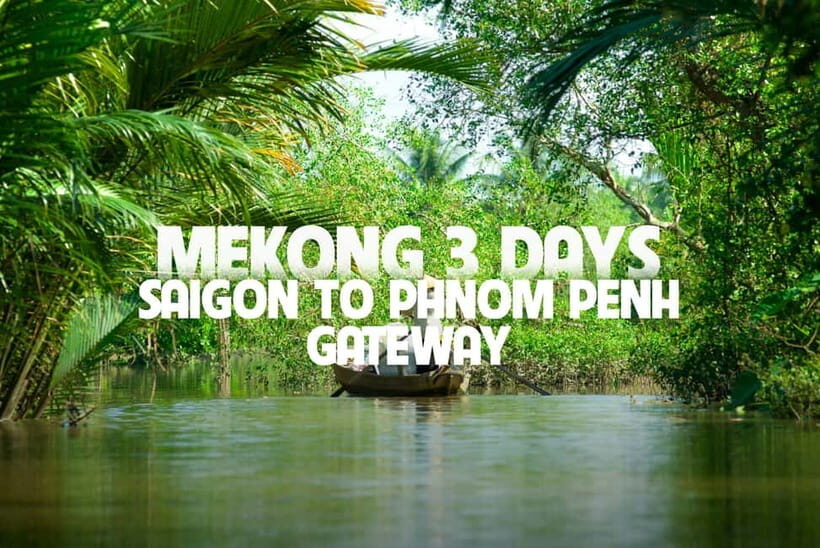
This tour is built for one core idea: the Mekong Delta isn’t something you see well from one road. You get water travel (boats, canals, floating markets) and then land time (villages, temples, gardens). That mix is what turns the Delta from a distant postcard into something real.
I also like the pacing because it avoids the common problem of “one big highlight and then waiting.” Here, you’re continuously switching scenes—river calm, market noise, orchard shade, temple steps—so the days don’t blur together. And with an English live guide, you’ll get the why behind what you’re seeing, not only what it looks like.
One more practical win: the optional exit to Phnom Penh means you’re not doing the awkward in-between travel on your own. The speedboat transfer (subject to conditions) is included, so you keep momentum.
Other Mekong Delta tours from Ho Chi Minh City we've reviewed
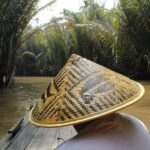
Day 1 from Ho Chi Minh City to Cai Be: river cruise and garden life
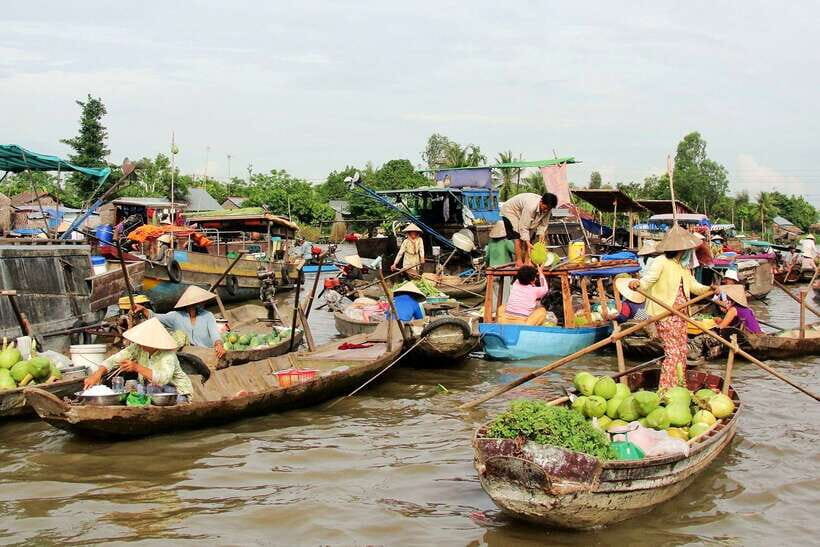
You start with hotel pickup only in central District 1 areas, then meet the guide at 112 Tran Hung Dao Street (Ben Thanh Ward) if you’re outside that pickup zone. Either way, you’re heading out of Ho Chi Minh City early, because this plan depends on daytime river activity.
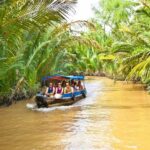
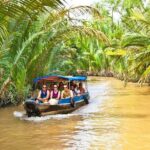
Cai Be is your first base of calm. You cruise along the Tien River, where the Delta’s flat waterways make everything feel close: homes, plantations, small businesses, and the thin lines of boats moving in different directions. It’s not about speed. It’s about watching how everyday life works when water is the main highway.
Then the day shifts from river to human scale. You explore orchards and villages, including traditional houses such as Ba Kiet’s historic house. This is where the tour becomes more than scenery; it gives you a sense of how families sustain themselves—fruit trees, small workshops, and the rhythms of local neighborhoods.
Cai Be food, folk music, cycling, and coconut treats
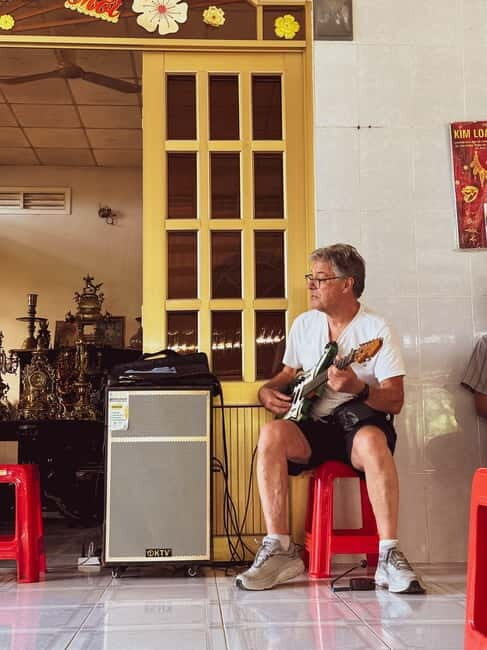
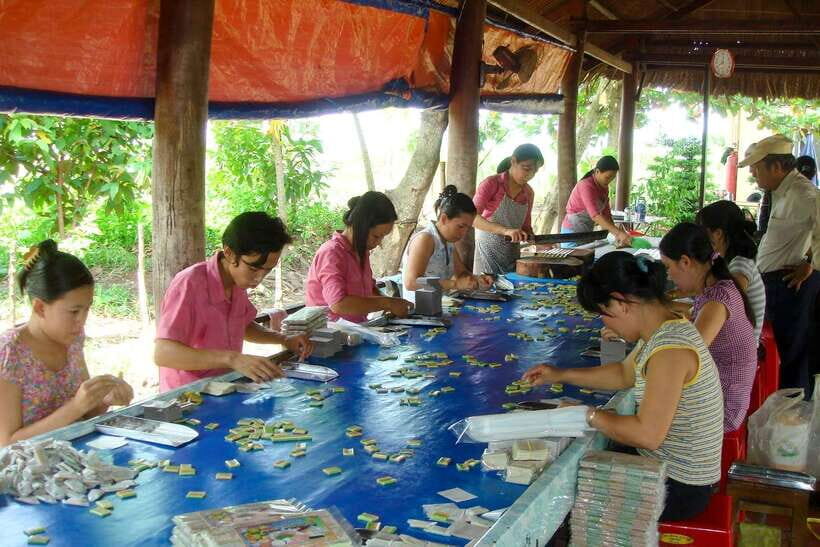
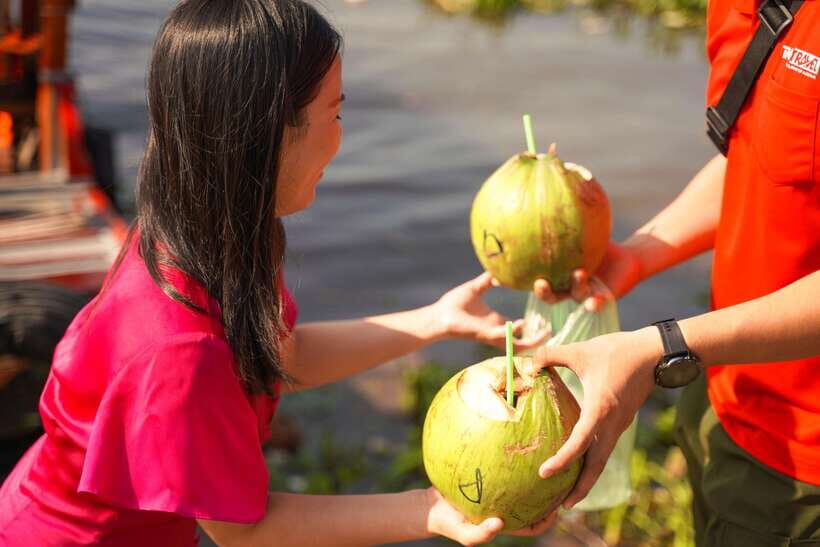
This is one of the most enjoyable parts of the whole trip because it’s hands-on, not just pass-by sightseeing. You’ll sample local flavors like coconut fudge, and you may catch Southern Vietnamese folk music during your village time. It’s the kind of detail that makes the day feel lived-in.
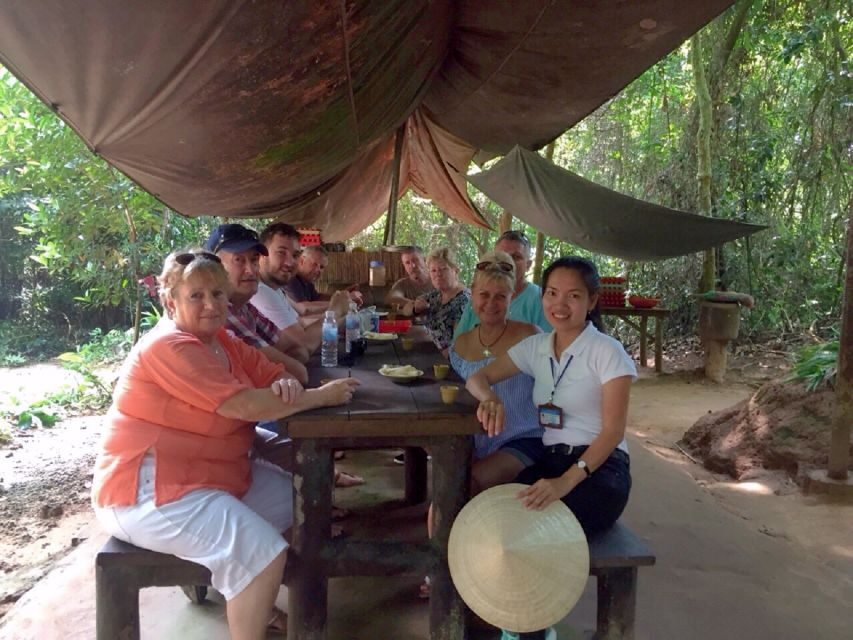
Next comes a cooking experience in a local garden setting. You’re not just eating a meal; you’re getting a closer look at ingredients and the way people combine them. After lunch, the tour often includes island time by bicycle, which helps you see farther without burning out your legs in the heat.
Practical note: bring comfortable shoes and expect sun. Even with shade from orchards, you’ll feel the day. This route rewards you if you pack lightly and move at the pace of the Delta instead of trying to rush ahead.
Day 2 in Can Tho: Cai Rang Floating Market and noodle workshop morning
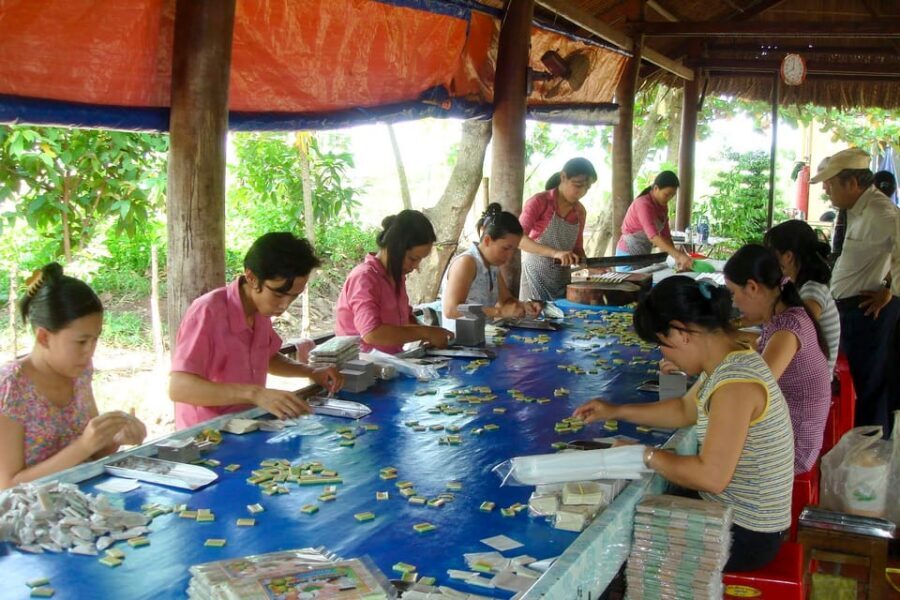
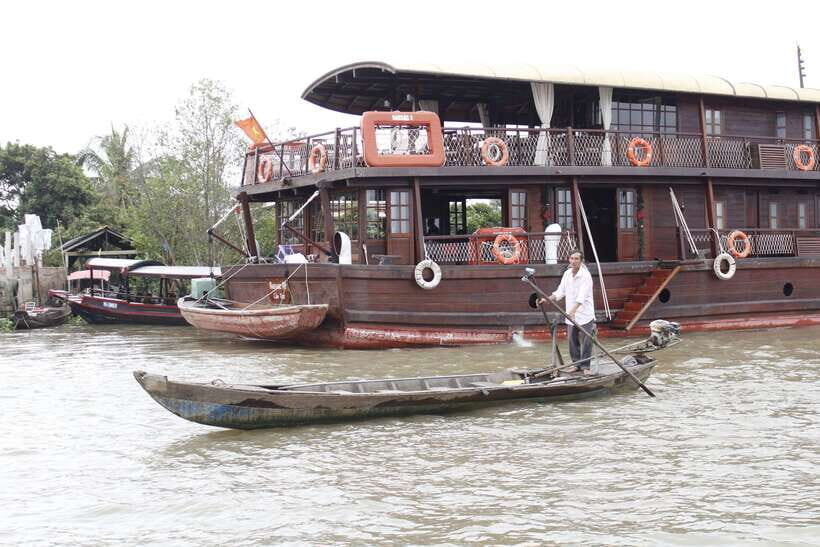
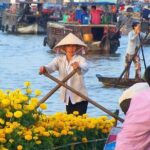
The second day starts with one of the Delta’s most famous scenes: Cai Rang Floating Market. Going early matters here. You get the lively boat traffic while the market still feels focused, not chaotic. It’s also when you can better understand who’s selling what and why certain boats are so busy.
After that, the tour includes a family-run noodle workshop/factory experience. This part is valuable because it turns a familiar food (noodles) into a local process. You’ll see how simple ingredients become something much more specific once families specialize over years.
Then comes culture in a quieter form: Munir Ansay Pagoda in Can Tho. This stop adds the Khmer lens to the Mekong story, so your Delta tour isn’t only Vietnamese food and waterways. Remember the pagoda dress rule—cover shoulders and knees—so you won’t be stuck at the last second.
The day also includes fresh fruit time at a plantation, and then you travel on to Chau Doc for your mangrove and Cham heritage experiences.
Chau Doc and Tra Su: rowing through mangroves and wildlife habitat
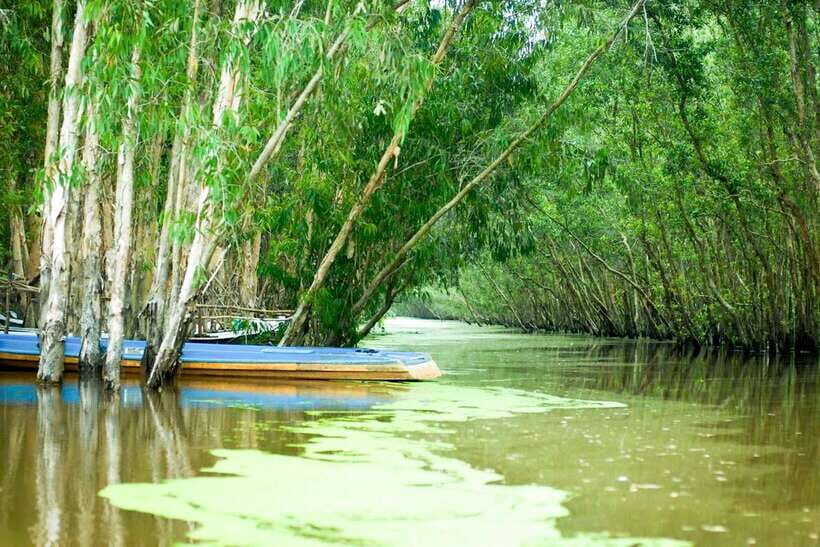
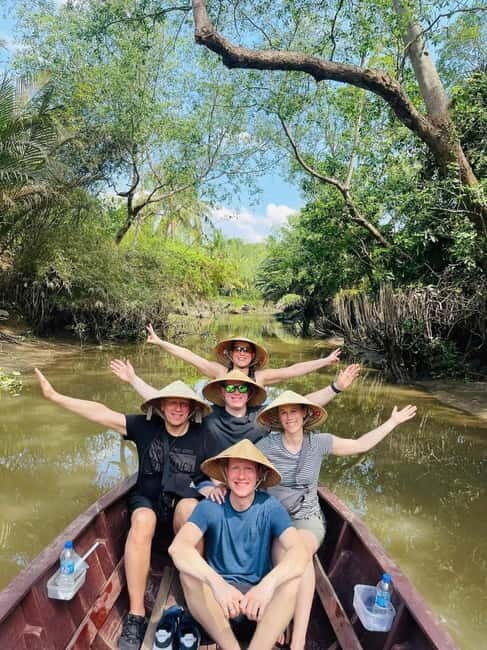
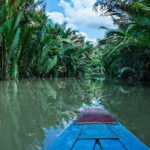
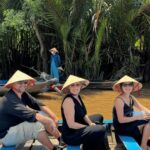
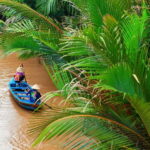
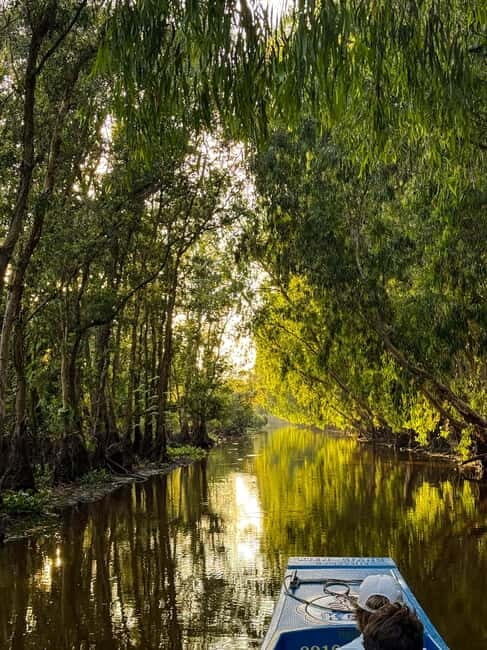
Chau Doc is where the tour gets more nature-heavy. Your big moment here is Tra Su Mangrove Forest, visited by rowing boat. That quiet setup changes the feeling instantly. You’re moving slowly through narrow channels where birds and wildlife are easier to spot because you’re not blasting through the habitat.
Tra Su is the kind of place where small details matter: the way the mangroves frame the water, the light that filters through leaves, and how still everything seems when the boat glides forward. You’ll get dinner as well, with a set menu that keeps the evening simple after a full day.
Chau Doc also adds human texture through floating village views and Cham heritage. The tour’s goal isn’t to turn Cham culture into a show. It’s to help you notice differences in daily life and traditions across the Mekong border regions.
Other Saigon-to-Phnom Penh Mekong cruises we've reviewed
Day 3 floating villages and the optional exit to Phnom Penh
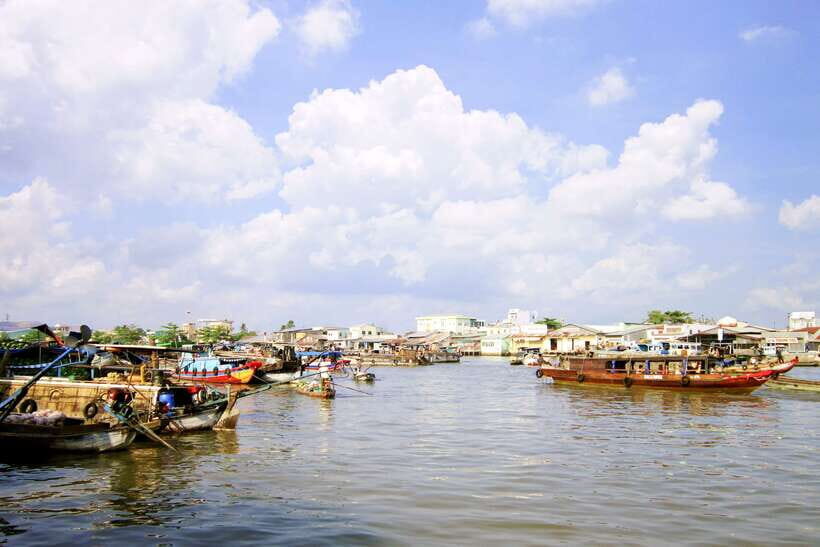
Your final day focuses on the floating villages and Cham Village experience. This is where the tour ties the last threads together: not only how people live with water, but how culture survives and adapts in a watery landscape.
Then you face a choice. You can return comfortably toward Ho Chi Minh City, or you can take the included transfer onward to Phnom Penh. If you choose Cambodia, you’ll typically do it by fast boat; if conditions require, the transfer may switch to a bus.
Either way, you’re cutting down the “figure it out yourself” part of crossing borders. Many people appreciate that the speedboat staff and the trip team handle the procedures so you can focus on staying organized and getting yourself to the next step. Also, the boat ride has been reported as straightforward, and motion sickness seems not to be a big issue for most people on this route.
Hotels, meals, and what you’re really paying for
This tour includes twin or double shared 3-star hotels. In Can Tho, it’s West Hotel or similar. In Chau Doc, it’s Paris Hotel or similar. You get 2 hotel breakfasts, 2 lunches, and 1 dinner with Vietnamese cuisine as a set menu.
Meal variety here is one of the strengths. You get Delta flavors through snacks and tastings, plus sit-down meals that keep things easy after long travel days. For people with dietary needs like vegetarian preferences, some guides have been able to adapt meals when you communicate clearly in advance, but you should still double-check your requirements with the provider before you go.
What you should budget outside the package: drinks and additional meals. There are plenty of local restaurants, so you’re not trapped with only one option—but you’ll want cash on hand for personal spending.
Transportation and timing: what to expect in the real world
You travel by air-conditioned bus or van, plus boat trips throughout the Delta. That matters because the Delta is not a place where you want to spend extra energy getting yourself from one stop to another. A guided route helps you hit the best timing for floating markets and river cruising.
Also, the tour starts with a morning meeting window (guide waiting at the sign), and it’s strict about punctuality. This is important for your comfort. If you’re late, you risk missing the schedule that makes the trip work.
One more logistics note: pickup is optional and limited to central District 1 hotel areas (Saigon, Ben Thanh, and Cau Ong Lanh wards). If your hotel is outside those central zones, you’ll go to the meeting point instead.
Price and value check: $261 for three days plus an exit option
At $261 per person for 3 days, the value comes from what’s bundled. You’re not just paying for sightseeing. You’re paying for:
- air-conditioned transport between regions
- multiple boat rides in the Mekong Delta
- a professional English-speaking guide
- entry fees
- a large chunk of meals (2 breakfasts, 2 lunches, 1 dinner)
That’s the key. Without a guided format, you’d spend extra money and time piecing together transport, river segments, and market timing. And if you opt for the Phnom Penh exit, the included fast boat (subject to availability) is a major value add because it keeps you moving toward Cambodia without requiring separate planning.
If you only care about Cai Rang Floating Market and nothing else, then this might feel like more tour than you need. But if you want river life, village culture, and nature moments in the same trip, it’s a fair deal.
Who this tour is best for (and who should skip it)
This experience fits best if you like structured days but still want authentic local scenes. You’ll probably enjoy it if you’re curious about how life works around waterways—markets, orchards, pagodas, and Cham heritage.
It may not suit you if you have mobility challenges or medical concerns. The tour is listed as not suitable for pregnant women, people with mobility impairments, people with heart problems, wheelchair users, or people over 70. That’s worth respecting, because days include boat time and uneven ground.
Should you book this 3-day Mekong Delta tour to Phnom Penh?
I’d book it if you want a strong mix: Cai Be river life, Cai Rang market energy, Tra Su nature quiet, and Cham cultural context, all tied together with a guide and transport that actually makes sense. The optional Cambodia exit is a smart extra if Phnom Penh is on your plan, because it saves you from planning the harder parts of the border leg.
I wouldn’t book it if you’re the type who hates early starts or wants long, free afternoons. This tour is schedule-driven, and it moves through several regions in a short window.
If you go, pack light, wear breathable clothes, and bring a hat and sunglasses. And for pagodas, plan outfits with covered shoulders and knees. Do that, and you’ll get real Delta moments instead of fighting logistics.
FAQ
What does the tour cost and how long is it?
The tour is $261 per person and lasts 3 days.
Where do we meet in Ho Chi Minh City?
Meet your guide between 07:30 and 07:45 AM at 112 Tran Hung Dao Street, Ben Thanh Ward, District 1, Ho Chi Minh City. Look for the TNK Travel sign.
Does pickup include all hotels in Ho Chi Minh City?
Pickup is optional and only available for hotels located in central areas of District 1 (including Saigon Ward, Ben Thanh Ward, and Cau Ong Lanh Ward). Some streets/areas are excluded, and if your hotel is outside the pick-up zone, you’ll need to go to the meeting point.
What’s included in the price?
Included items are air-conditioned bus/van transport, Mekong Delta boat trips, a professional English-speaking guide, entry fees, 2 hotel breakfasts, 2 lunches, and 1 Vietnamese set-menu dinner, plus a fast boat or bus ticket to Phnom Penh (subject to availability).
Is a Cambodia transfer included if I choose the Phnom Penh option?
Yes. The transfer to Phnom Penh is included as a fast boat ticket, though it may be replaced by a bus transfer depending on real-time conditions.
Do I need visas for Vietnam and Cambodia?
Yes. Vietnam and Cambodia entry visas are not included.
What should I wear for temple visits?
For pagoda visits, you should dress with shoulders and knees covered.
What’s not included besides visas and drinks?
The tour excludes drinks and additional meals, and a single supplement may apply if you need a single room.