REVIEW · CAN THO
floating market boat trip everyday
Book on GetYourGuide →Operated by TPN EDUCATION INVESTMENT AND DEVELOPMENT CORPORATION · Bookable on GetYourGuide
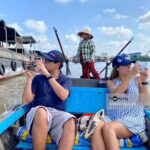
Dawn on the Mekong is a cheat code for photos. This early-morning ride on a wooden boat brings you right to Cai Rang floating market, with sunrise views and daily life on the water.
I love two things most: the up-close food moments (like shaking rice noodle soup and drinks on the boat) and the hands-on stops where you actually see how local staples get made, from rice noodles to garden fruit picking.
The only real downside is the early start. You’ll be up before the sun, and the payoff comes from being there while the market is still waking up.
In This Review
- Key things to know before you go
- How the 4-hour morning works: pickup and timing that actually matters
- Cai Rang floating market from the river: bamboo racks, sunrise light, and real work
- Rice noodles on the way: the workshop stop and the shaking-soup payoff
- Through small canals: water-coconut, ducks, and a village walk that teaches by senses
- Fruit garden and the cocoa/ancient-tool chocolate story
- Guide quality: English support and close attention on a private group
- Price and value: $80 per group up to 2 people
- What to bring for a morning on the water
- Should you book this Mekong Delta boat trip?
- FAQ
- How long is the boat trip?
- What time do we start?
- Does the tour include pickup from my hotel?
- What language will the guide speak?
- Is Cai Rang floating market the main stop?
- Do we try food or drinks during the tour?
- Is the group private?
- What should I bring?
- Is free cancellation available?
Key things to know before you go
- Cai Rang at dawn: See the floating wholesale market while boats are still arranging produce.
- Boat-level market viewing: Bamboo display racks make shopping easy to understand from the river.
- Traditional rice noodle making: Watch old-style, hand-finished steps and try the snack side of it.
- Small canals with animals and plants: Expect water-coconut, ducks, and nature explanations meant for locals.
- Fruit garden + cocoa story: Learn how gardens work, pick fruit, and hear the ancient-tool chocolate method.
- Private group feel: You’re not stuck in a huge crowd, and the guide works closely with you.
How the 4-hour morning works: pickup and timing that actually matters
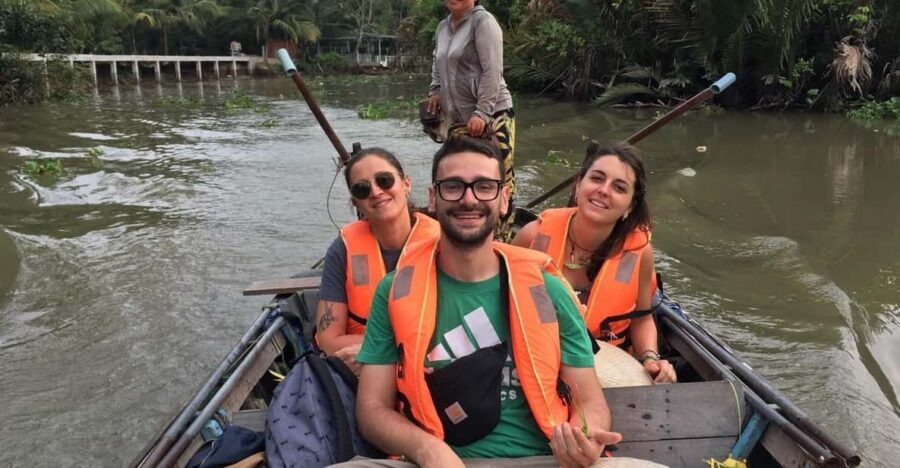
This trip is built around one simple idea: get to the river early enough to see the market when it’s functional, not just scenic. You start extremely early (you may be told to be ready around 5:30 a.m., and some departures can feel even earlier), and the timing lets you catch sunrise over the Mekong Delta waterways.
Pickup is part of the value. Your guide can pick you up from a long list of Can Tho hotels, hostels, and landmarks. You’ll also get a message beforehand via WhatsApp/Zalo/Viber, so you can avoid the usual morning scramble.
Two practical notes:
- Pickup isn’t automatically free in every area. Ninh Kieu District pickup is specifically called out as not included as a free option, and other locations may involve a pickup fee.
- This is a private group experience, and the tour runs about 4 hours, so you’ll move at a steady pace. Think of it like a guided morning expedition, not a slow cruise.
If you hate getting up early, this might sound like punishment. If you like being where the action actually begins, it’s the best kind of inconvenience.
Other Mekong floating market tours we've reviewed

Cai Rang floating market from the river: bamboo racks, sunrise light, and real work
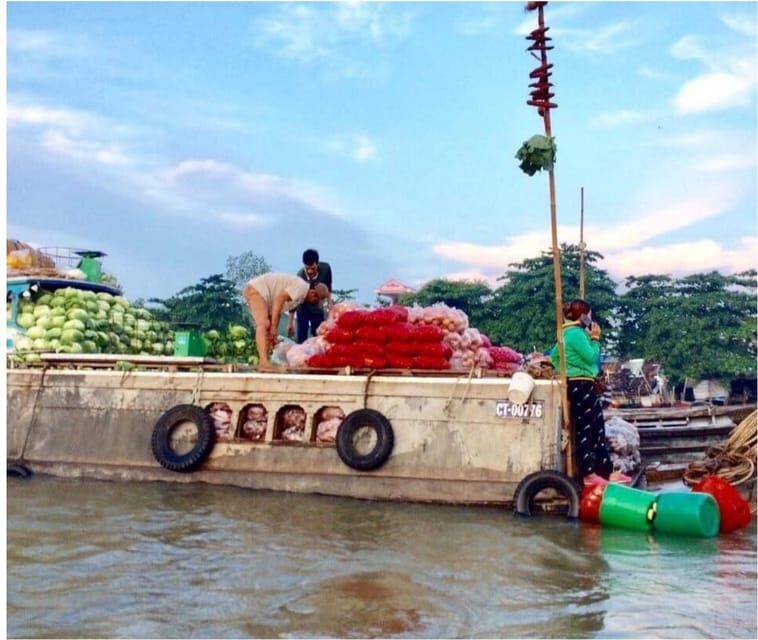
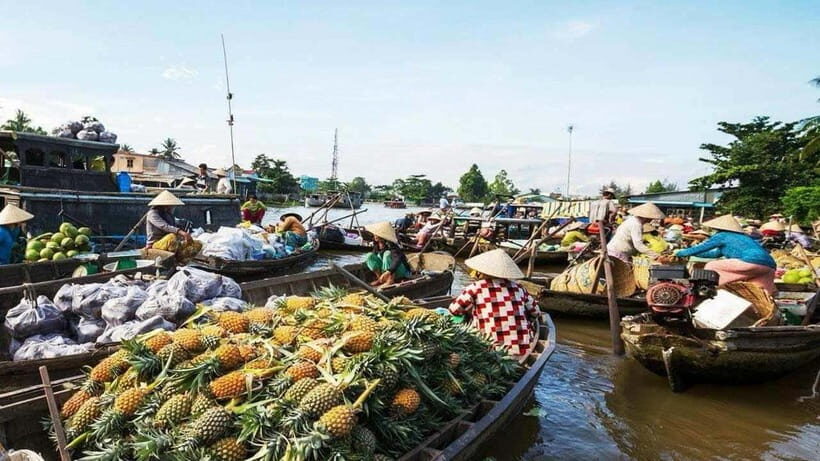
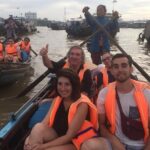
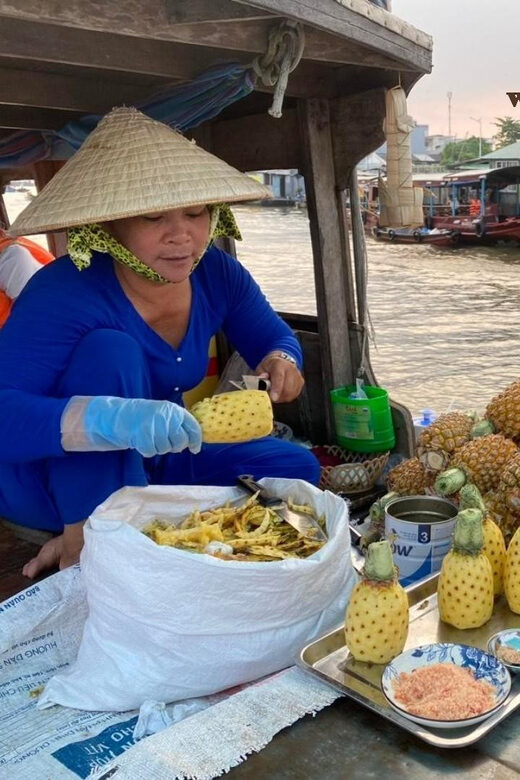
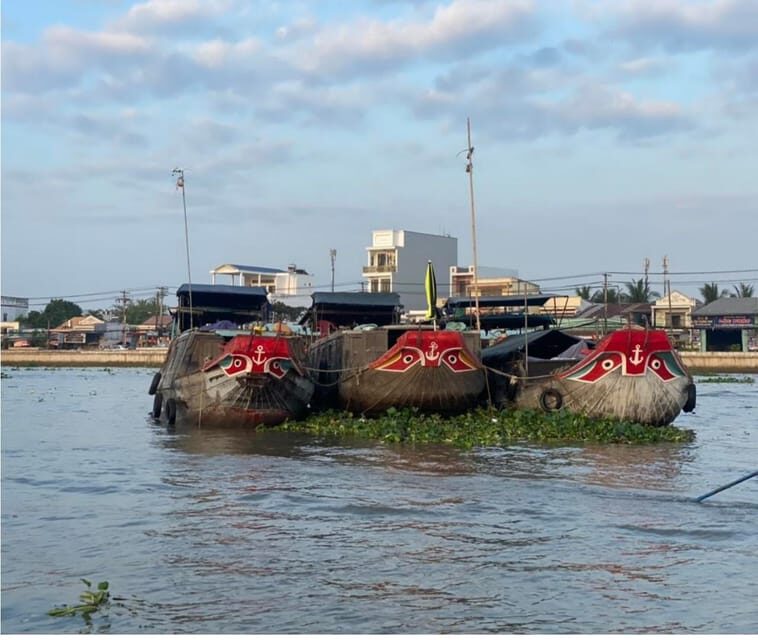
Cai Rang isn’t a theme park. From the boat, you watch the floating market as a working system—boats moving, sellers arranging items, and buyers scanning options from the water.
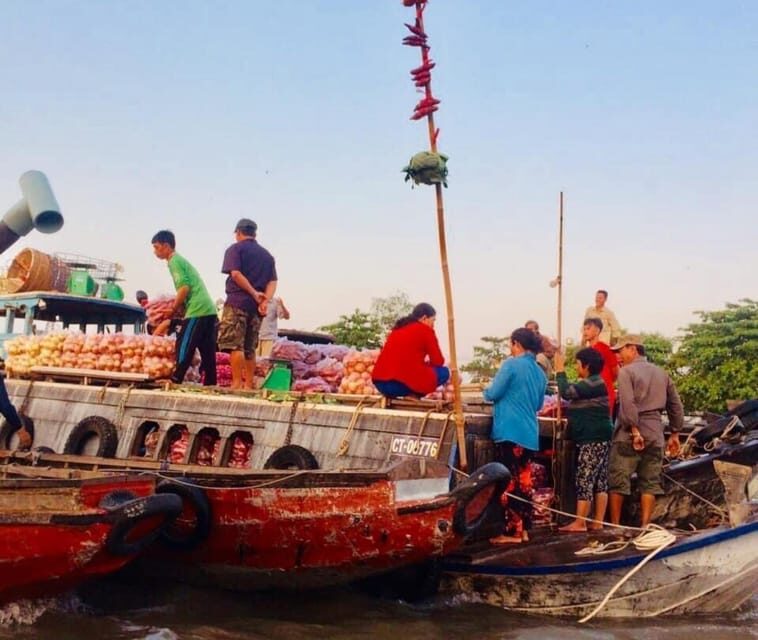
What makes it easy to follow is how sellers display products. Many boats set up long bamboo in front and hang goods on top, so customers can skim along and pick what they want. It’s a clever, practical setup, and seeing it from river height makes the logic click fast.
You’ll also see why Cai Rang is famous: heaps of produce moving through the wholesale trade. Depending on season, boats may carry things like mango, watermelon, turnip, pineapple, jackfruit, sweet potato, yam, pumpkin, cabbage, tomatoes, carrots, and water chestnuts. The point isn’t memorizing every item—it’s realizing how much food logistics happens right here.
And yes, the sunrise part is real. Being on the water when it’s just starting to brighten changes the mood. You see soft light on the river, and the market feels less like a show and more like morning labor.
A few details that add texture:
- Many sellers manage tight living spaces on the boat, including areas used for sleeping, cooking, washing clothes, and drying laundry.
- During the rainy season, you might spot fish jumping out of the water, which turns an ordinary canal moment into something you can actually react to.
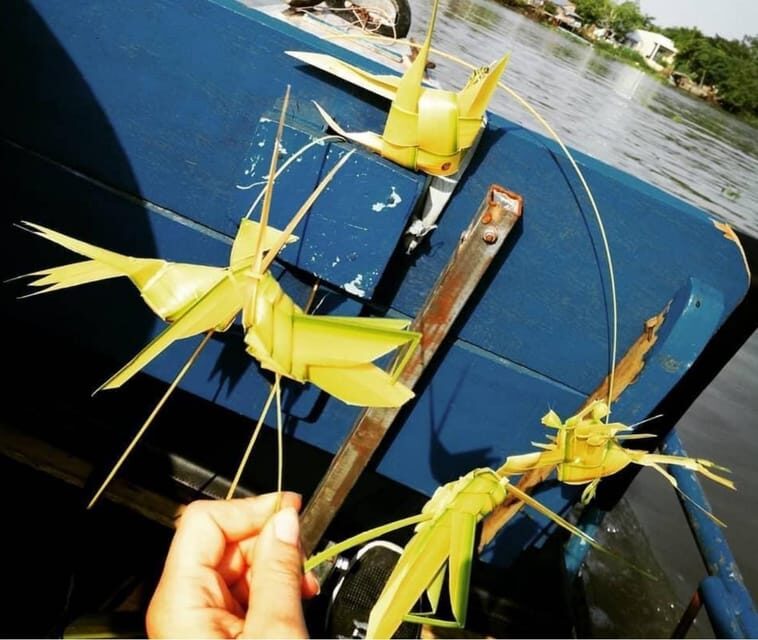
- Some boats and waterways also show handmade touches made from local materials like water-coconut leaf, including fun little animal and flower shapes.
If you’re hoping for a calm, sleepy river moment, this stop is active. But it’s the kind of active that feels authentic because you can see how people earn their day.
Rice noodles on the way: the workshop stop and the shaking-soup payoff
After Cai Rang, the trip shifts from market trade to kitchen craft. The traditional rice noodle workshop is a key reason this tour feels more than just sightseeing.
In the factory area, you’ll see families still keeping old methods. Many steps are hand-made, and you’ll learn how rice turns into noodle forms. The tour also sets you up to understand how rice paper connects to the final noodle experience—this is where a lot of visitors say the routine suddenly makes sense.
Food doesn’t stop at watching, either. You may be offered a grilled banana pancake alongside the noodle experience, which is a nice way to keep energy up during the morning.
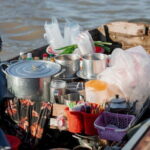
Then there’s the food moment on the boat: shaking rice noodle soup. It’s not fancy plating. It’s something practical and local, served in the context of the market and river life. If you’re the type who likes to eat what you’re learning about, this stop is a big win.
One more detail worth knowing: you’ll likely try Vietnam coffee and green tea during the trip. Even if you’re not a huge coffee person, it’s a quick way to slow down, sit back, and watch the river again between activities.
Through small canals: water-coconut, ducks, and a village walk that teaches by senses
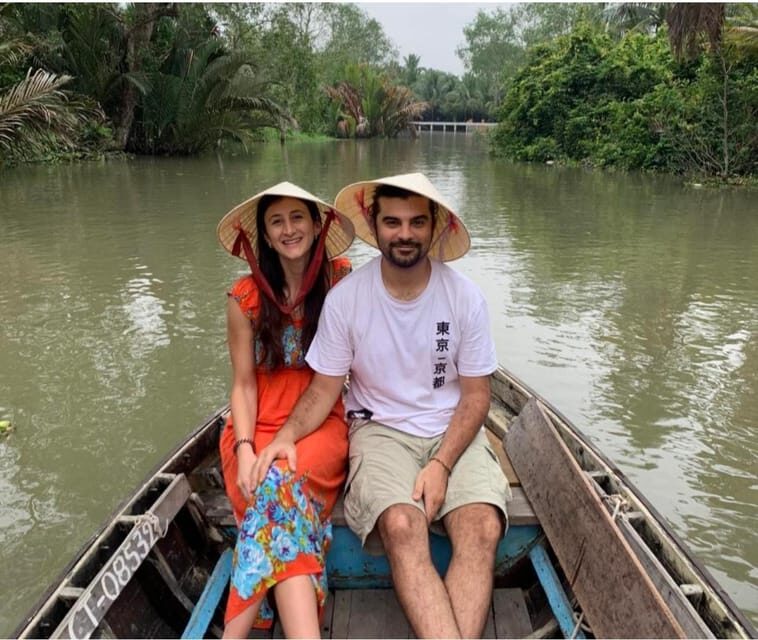
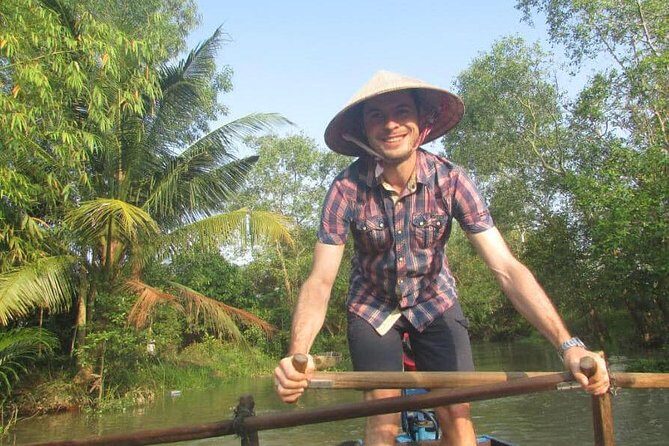
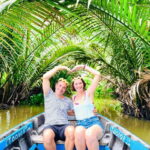
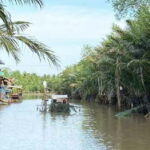
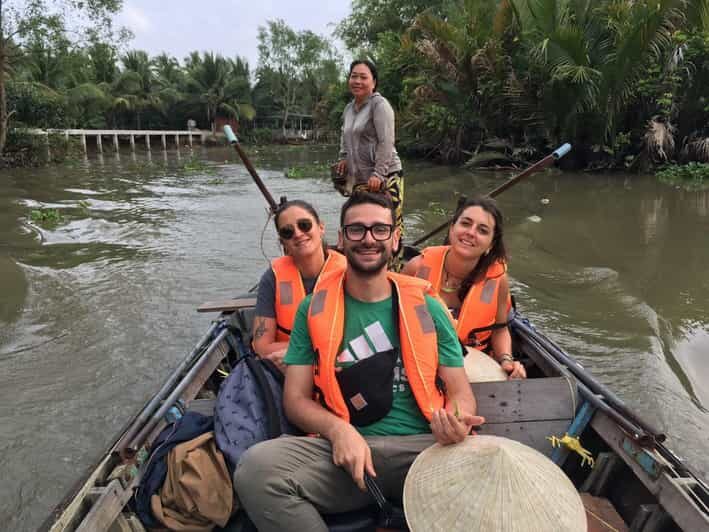
The second half of the boat experience is quieter, slower, and more nature-focused. Your boat driver moves through smaller canals at a pace that lets you actually notice what’s growing and what animals are doing.
Along the canal, you’ll see water-coconut growing along both sides of the waterway. This plant isn’t just decorative—your guide can point out how it links to cooking and everyday life. You might also hear about vegetables used for sour soup, and how some local craft ideas (like leaf-made decorations) come from what grows nearby.
Animal spotting can happen, too. Sometimes you’ll see ducks swimming around in search of fish or snails. It’s not guaranteed in every moment, but the canal route makes it more likely you’ll see those everyday ripples up close.
Then you switch to land for a village walk. This part is surprisingly educational because it focuses on hands and senses:
- You might learn how banana grows and how pineapple grows up.
- You’ll be shown how to distinguish herbs and trees by smell, not just by looks.
- You may taste fruit like bilimbi star-fruit.
- You can enjoy honey directly from a flower.
- You’ll see water-lily and likely cross a simple monkey-bridge.
Walking here isn’t long-distance hiking. It’s a gentle way to connect the river life you saw earlier with how people garden, forage, and farm in daily practice.
If you like tours where you come home with mental pictures of how locals live, not just postcard moments, this canal-and-village section is where the tour earns its keep.
Fruit garden and the cocoa/ancient-tool chocolate story
The tour doesn’t treat sweetness as an afterthought. It leans into gardens—what people grow, how they pick, and what you can taste on-site.
In the fruit garden stop, you can learn how people create new plants and then pick fruit to enjoy under the shade. That’s a fun rhythm shift after the early-morning boat: you get movement, explanations, and direct tasting without having to search for snacks all day.
There’s also a cocoa garden element, including the story of making chocolate using an ancient tool method. Even if you don’t get the full technical breakdown, you walk away with the bigger picture: local ingredients aren’t just bought and shipped. They’re transformed through methods passed along over generations.
This part works especially well if you’re traveling with curiosity. It’s not only about seeing places. It’s about understanding why the Mekong Delta feeds itself.
Other boat tours in Can Tho
Guide quality: English support and close attention on a private group
The guide makes a noticeable difference on this kind of tour because you’re moving fast, visiting multiple activity zones, and everything is happening in Vietnamese river rhythms.
This experience includes a live guide who can speak English (along with French and Vietnamese). There’s also an English audio guide included, which is helpful if you want extra support while you’re sitting in the boat or listening during the workshop.
In real terms, you want someone who explains what you’re seeing in a way that connects to daily life. Guides such as Thu and Nhu have shown up on these tours with strong English and a calm, helpful attitude—staying with you throughout the day and answering questions as they come up.
Also, because pickup is handled through messaging apps like WhatsApp/Zalo/Viber, you’re less likely to get lost on the morning logistics side. You get that small peace of mind that matters when you’re leaving before sunrise.
One more useful note: the trip is marked wheelchair accessible. That doesn’t guarantee every river surface will feel easy, but it does mean the operator intends to accommodate guests appropriately.
Price and value: $80 per group up to 2 people
At $80 per group (up to 2 people), the value depends on your group size.
- If it’s two of you, the math gets friendly. You’re splitting the cost and still getting a private group guide plus boat-based experiences that would be harder to piece together yourself.
- If you’re traveling solo, you’re effectively paying the full slot price. In that case, it’s worth deciding whether you want a private morning with pickup and guide support, or if you’d prefer a cheaper group option elsewhere.
What you do get for that price is clear and practical:
- Cai Rang floating market time at dawn
- Boat-based tasting such as shaking rice noodle soup
- Vietnam coffee and green tea
- Exotic fruit sampling
- Traditional rice noodle workshop time
- English speaking guide and English audio support
- Pickup from many listed places (with possible extra fees outside certain zones)
- Private group setting for a more personal pace
Not included items are mostly about pickup location fees. Food and tastings tied to the tour are included, which is exactly what you want on an early start day—you don’t want to budget on the fly before you’ve even had your coffee.
What to bring for a morning on the water
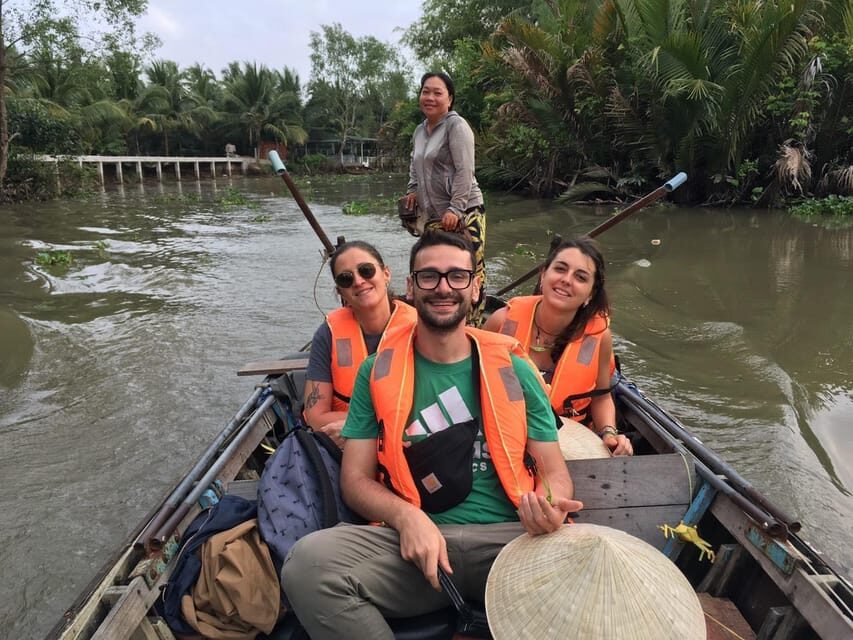
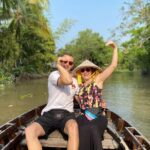
The tour gives you a simple prep list: bring sunglasses and a sun hat. That’s the right duo for Mekong sun and reflection off the water, especially early when you’re still figuring out the light angle and shade.
Also wear clothing you’re comfortable moving in. You’ll do a village walking segment and you’ll be on a boat for a long morning stretch.
Should you book this Mekong Delta boat trip?
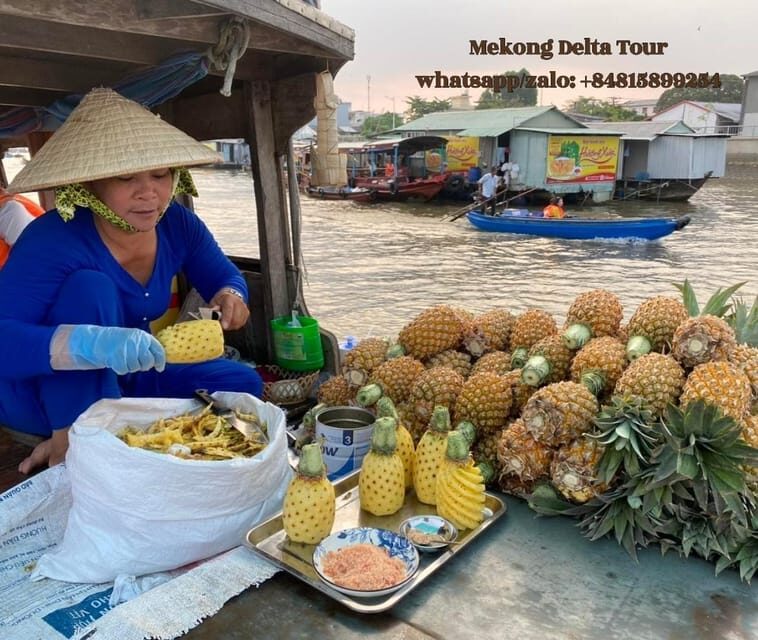
Book it if you want the Mekong Delta the way it actually works: dawn market activity, craft food learning, canal nature time, and garden tastings—within a 4-hour guided format.
Pass or reconsider if you hate early wake-ups or you’re looking for a relaxing, slow cruise with minimal movement. This one is active by design, and the best moments happen because you arrived early enough to see the market and neighborhoods in their working phase.
My take: if you’re in Can Tho with a morning free and you’d rather learn how people live than just tick off a floating market photo, this is a solid choice—especially for two people sharing the group cost.
FAQ
How long is the boat trip?
The duration is about 4 hours.
What time do we start?
You’ll start very early for dawn, with timing that can vary by departure. The experience notes getting up around 5:30 a.m, and it also says starting times depend on availability.
Does the tour include pickup from my hotel?
Yes, pickup is included and the guide can pick you up wherever you stay from many listed locations. Pickup may not be free in Ninh Kieu District, and other areas may have an additional pickup fee.
What language will the guide speak?
The live tour guide is available in English, French, and Vietnamese, and English audio guidance is included.
Is Cai Rang floating market the main stop?
Yes. The trip is designed to reach Cai Rang floating market at dawn so you can see the market’s activity on the river.
Do we try food or drinks during the tour?
Yes. You can enjoy shaking rice noodle soup, taste Vietnam coffee and green tea, and try items like grill banana pancake plus exotic fruit.
Is the group private?
Yes, this is listed as a private group.
What should I bring?
Bring sunglasses and a sun hat.
Is free cancellation available?
Yes, you can cancel up to 24 hours in advance for a full refund.