REVIEW · CAN THO
Can Tho: Peaceful Private Boat Ride on the Mekong(No Guide).
Book on GetYourGuide →Operated by Mekong By Local · Bookable on GetYourGuide
Silence on the Mekong is a reset button. I love how this is a private boat ride with no staged stops, so the river time feels real and unhurried. You also get a direct connection to daily Mekong life—fishermen, gardens, and kids on their way—guided only by a friendly local boatman.
My second favorite part is the community-based approach: after taxes and operating costs, revenue is paid directly to the boatman, with no middlemen. One thing to keep in mind: the Mekong in this area can be polluted, and you may see plastic or trash in the water, sometimes even needing to be cleared for the boat’s safety.
In This Review
- Key things that make this Mekong boat ride worth your time
- Can Tho’s quiet side: what a no-guide Mekong ride really changes
- Timing and flow: 3 hours, sunrise or sunset, and why it feels different
- What you’ll actually see: canals, stilt houses, fruit gardens, and school life
- Your boatman is the whole show: local skill, personal care, and English support
- The real Mekong expectation: pollution, trash, and what you should be mentally prepared for
- No tourist stops: why the “absence” is the point
- Price and value: how $20 stacks up against the experience you get
- Who should book this, and who should skip it
- The call: should you book this Mekong private boat ride?
- FAQ
- How much does the Mekong private boat ride cost?
- What’s included in the $20?
- Is there a guide on the boat?
- Does the boat stop at tourist attractions?
- Can I choose a sunrise or sunset trip?
- How long is the experience?
- Where is the meeting point, and how do I confirm it?
- Is the boatman able to speak English?
- Is it refundable if I cancel?
- Is the experience wheelchair accessible?
Key things that make this Mekong boat ride worth your time
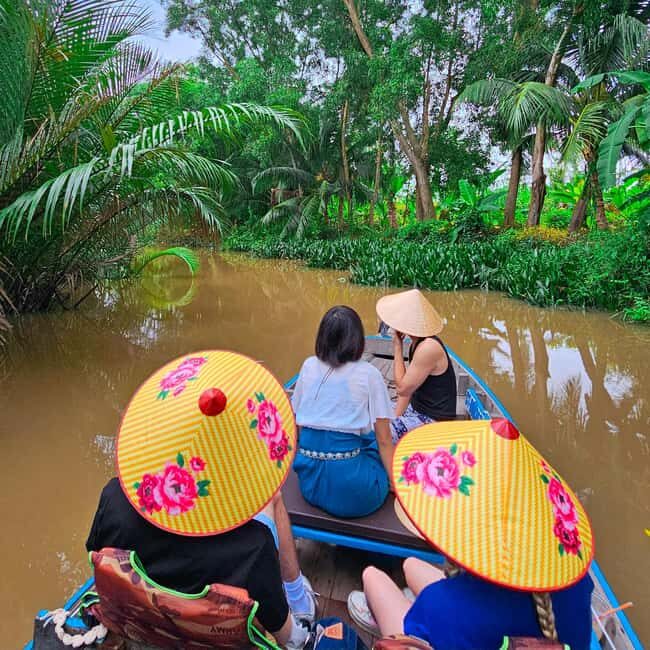
- Private and no-guide format: You float with a local boatman, not a commentary schedule.
- Sunrise or sunset options: Choose the light you want—soft mornings or glowing evenings.
- No tourist stops: The trip focuses on the river itself, not crowded attractions.
- Direct support for local boatmen: 100% of revenue (after taxes/operational costs) goes to the boatman.
- Expect real river conditions: Pollution and debris can be part of what you see and sometimes what the boatman handles.
Can Tho’s quiet side: what a no-guide Mekong ride really changes
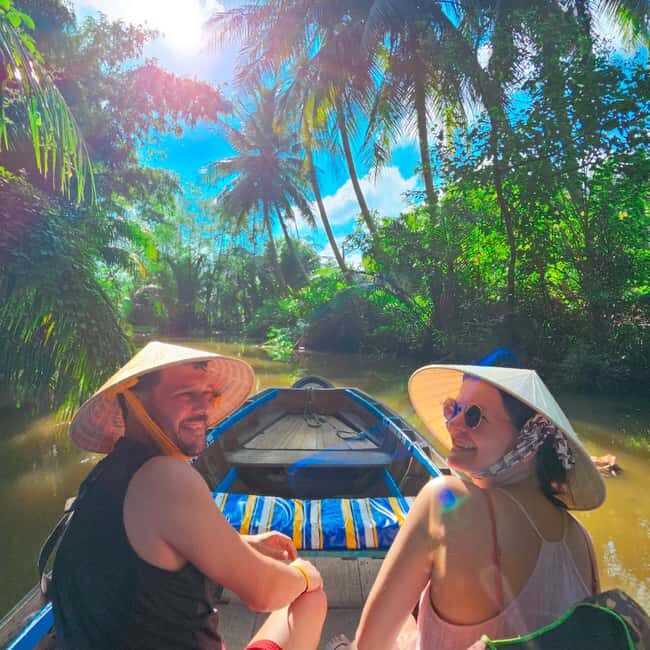
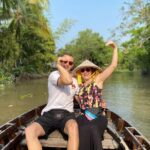
This is the Mekong Delta the calm way. Instead of following a bus-tour script, you go out for a slow, personal ride where the pacing is set by the river and your boatman’s knowledge of the waterways.
That no-guide setup matters more than it sounds. With no tour leader, you’re not being herded from one “must-see” stop to the next. You’re just watching how life runs when nobody is performing for cameras—houses along canals, small daily routines, and the long open horizon that makes the region feel bigger than it looks on a map.
I also like how the route starts with a quick contrast: you begin from Can Tho’s more modern riverside area with tall buildings, then gradually move into quieter neighborhoods where the houses and river life feel older and more familiar. That “city to backwater” shift gives the trip a natural arc even without a formal itinerary.
Other Can Tho tours we've reviewed

Timing and flow: 3 hours, sunrise or sunset, and why it feels different
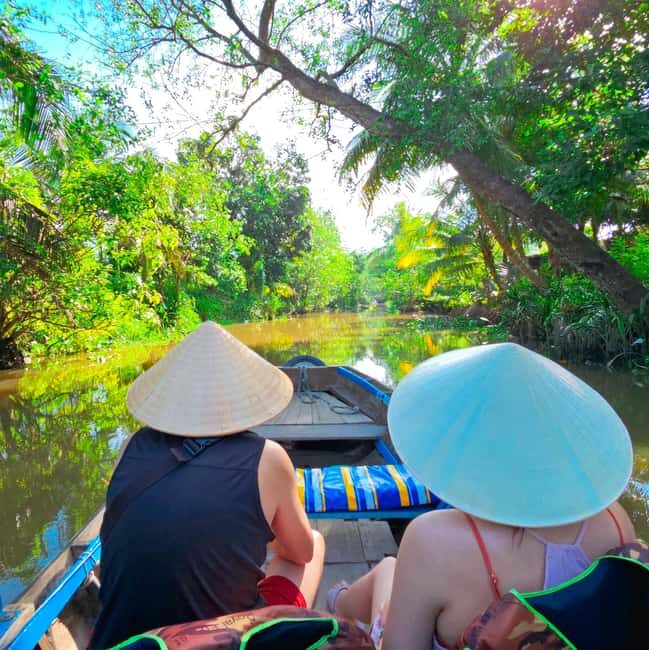
The ride is designed for a 3-hour window. In real life, some people find it can run a bit longer, depending on weather and how the boatman plans the best light and waterways for your group. Either way, you should plan to settle in and let the experience be unhurried.
Here’s the big choice you’ll make upfront: sunrise or sunset.
- A sunrise trip gives you that early-morning hush when the water still looks smooth and the sky is doing the quiet work of turning dark to light.
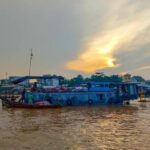
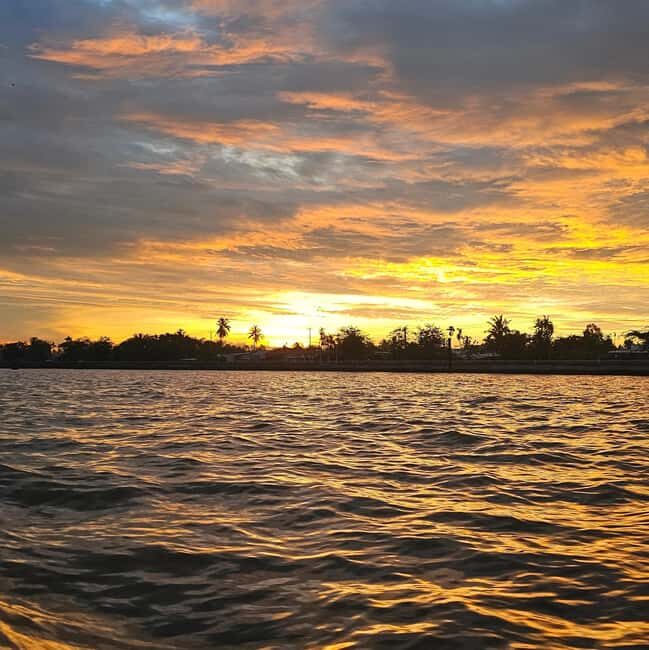
- A sunset trip leans more romantic and colorful, especially when the light hits the canals and fruit-garden edges like a filter.
Because you’re on a private boat, you’re not forced into a single photo moment. If you want a few extra minutes for the light to change, a good boatman can usually make it happen, and the ride stays focused on the river rather than a checklist.
What you’ll actually see: canals, stilt houses, fruit gardens, and school life
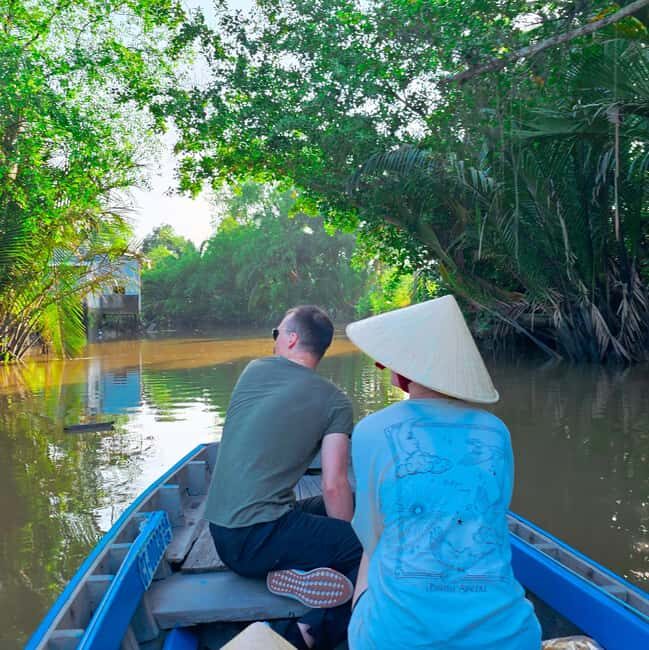
This trip isn’t built around big monuments. It’s built around everyday scenes—simple ones you’d miss if you only visited official tourist stops.
As you move from the wider river toward quieter canals, expect to see:
- Stilt houses along the banks
- Fruit gardens and greenery that look planted for daily use, not decoration
- Locals working at a pace that feels steady and familiar to them
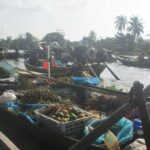
You may also catch those small moments that make the Mekong Delta feel like a living place, not a backdrop. The ride can include sights like fishermen casting nets and children traveling by boat on their way to school. This is one of the reasons the no-guide setup works so well: you’re not watching actors. You’re watching a real river rhythm.
One practical note: early on, especially when leaving Can Tho, the water can show more debris and industrial runoff effects. You might find the first 1–2 hours are the stretch with the most visible pollution, then the vibe shifts toward calmer canal scenery.
Your boatman is the whole show: local skill, personal care, and English support
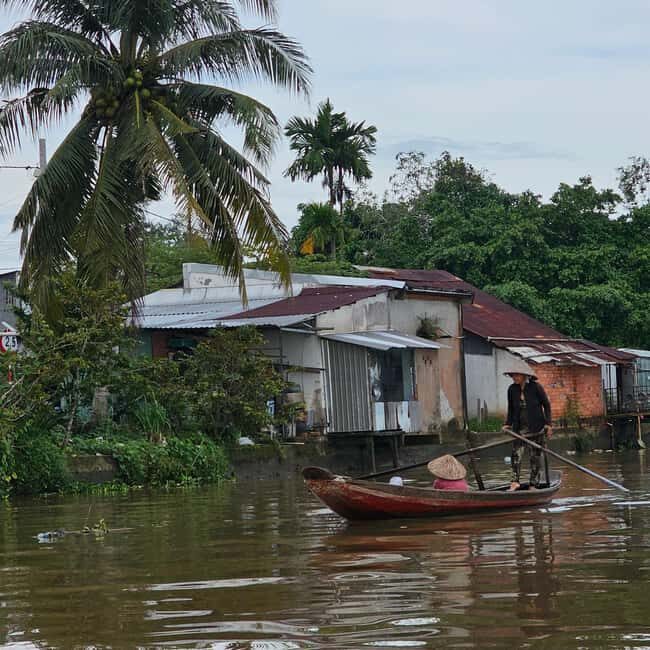
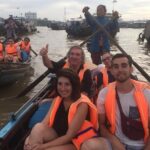
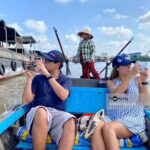
This experience is private, and the local boatman is your main companion on the water. Many trips feel like a friendly conversation where you learn in small moments rather than through a formal lecture.
Safety and handling matter here. People consistently praise how skilled and careful the boatmen are at navigating the waterways. When you’re on a canal with bends and changing river conditions, good control makes the ride feel smooth instead of tense.
Language is handled in a practical way. The tour information indicates the driver is English-speaking, but real-world communication can still be more visual than word-heavy. If English is limited on a particular day, you’ll often still be able to understand through pointing, simple explanations, and visual materials. Either way, you don’t need to be fluent to get value from the ride—you’ll be watching the same scenes the boatman knows well.
Food and small gestures can be part of the experience too, though they’re not guaranteed as a formal “included” item. Some boatmen have offered things like fresh fruit, water, banh mi, handmade leaf crafts, and even flowers or origami-style mementos. If you’re the type who enjoys small kindnesses and local touches, this can add real warmth to an otherwise quiet ride.
The real Mekong expectation: pollution, trash, and what you should be mentally prepared for
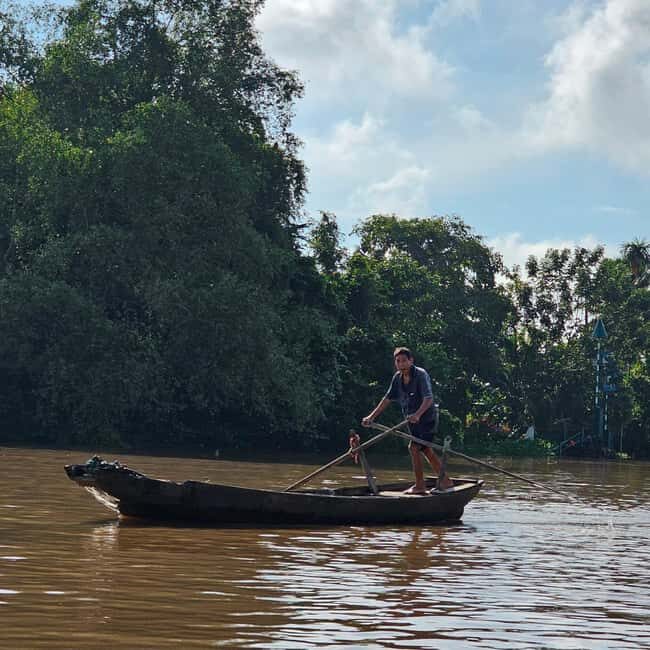
This is important. The Mekong in this region can be polluted, and that can affect what you see during the ride. Several experiences describe seeing trash being dumped into the river, including plastic that can drift near the boat’s path.
In at least some cases, the boatman needed to stop to retrieve plastic that had tangled around the boat’s screw. That’s not a tour-company failure so much as the reality of a massive river system under strain. If you come in expecting pristine water and postcard-perfect canals, you’ll be disappointed.
But if you come in expecting the truth—life as it is right now—you’ll likely find this boat ride even more meaningful. You’ll see the contrast: gentle daily routines happening beside environmental problems. And you’ll also see the local boatman doing what they can in the moment to keep the trip safe and running smoothly.
Other private Mekong Delta tours we've reviewed

No tourist stops: why the “absence” is the point
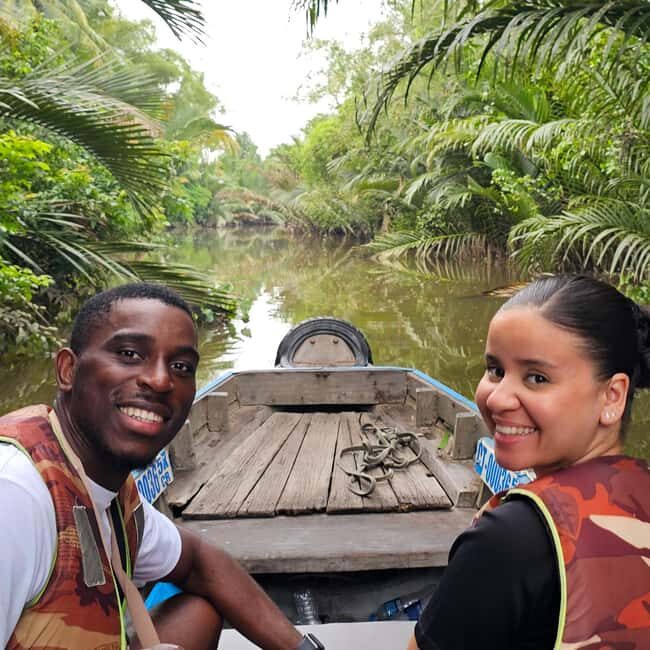
A lot of Mekong Delta tours feel like a schedule. You’re on the river, yes—but you’re still doing stops designed for photos, shops, and time-boxed sightseeing.
Here, the whole idea is different: you won’t stop at crowded tourist attractions. That means your attention stays on the moving scenes in front of you. The river becomes the attraction, not the next “thing.”
That also makes the ride better for couples and solo travelers who want quiet time. You don’t have to talk over a group. You don’t have to feel rushed through a landmark you only half understand. You just sit, watch, and let the river do the storytelling.
If you like photography, this helps too. Without constant docking and new crowds, you can work your shots at your own pace and wait for light to hit the canals just right.
Price and value: how $20 stacks up against the experience you get
At $20 per person for about three hours on a private boat, the value is strong—especially because you’re not paying for a guide, transportation between multiple sites, and entry-like fees to attractions you don’t really want.
What really justifies the price is the labor model. This is a community-based initiative where, after taxes and operational costs, 100% of the revenue goes directly to the local boatman. That’s a big deal in a region where many boatmen earn low, unstable income from short crossings or limited morning tourism work.
So you’re not just buying a ride. You’re supporting someone who actually knows the waterways you’re traveling. And you’re doing it without a middle layer taking most of the money.
Who should book this, and who should skip it
This is a great fit if you:
- Want a quiet Mekong experience without a tour guide pushing a script
- Prefer local life and river scenery over tourist stops
- Enjoy sunrise or sunset light and want time to simply watch
- Like the idea of a private boat ride where the boatman can adjust the pace
It may not be your best choice if you:
- Need a wheelchair-accessible option (this experience is not suitable for wheelchair users)
- Want a heavy, structured commentary tour
- Are very sensitive to seeing pollution and floating debris
Also, it’s romantic in a low-key way. Nothing is flashy. It’s the kind of calm that lets you feel like you’re alone on the water.
The call: should you book this Mekong private boat ride?
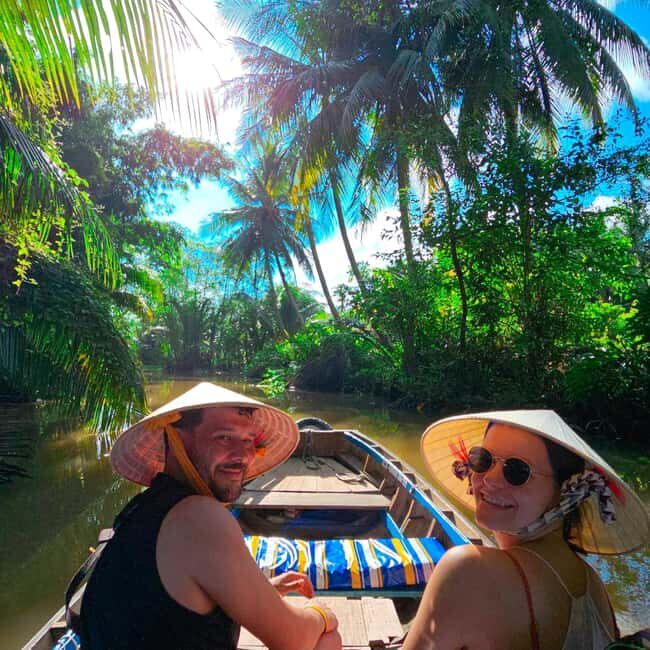
I’d book this if you’re trying to experience the Mekong Delta as real life—not as a theme park. The no-guide format, the private pacing, the choice of sunrise or sunset, and the community-first pay model make it feel like both a personal experience and a responsible one.
Before you commit, set expectations on two things. First, plan for a quieter ride with less “structured teaching.” Second, be mentally ready for real river conditions—yes, that can mean seeing pollution and trash.
If those points fit your travel style, this is one of the best ways to spend a few hours in Can Tho’s river world.
FAQ
How much does the Mekong private boat ride cost?
The price is $20 per person.
What’s included in the $20?
The included items are the private boat trip on the Mekong River and a local boatman.
Is there a guide on the boat?
No. The experience does not include a guided tour. You’ll ride with a local boatman, and there is no tour guide.
Does the boat stop at tourist attractions?
No. The trip is designed without tourist stops, so it focuses on staying on the water rather than visiting crowded attractions.
Can I choose a sunrise or sunset trip?
Yes. You can select either a sunrise or sunset trip depending on your preferred time and the weather.
How long is the experience?
The duration is 3 hours.
Where is the meeting point, and how do I confirm it?
You provide your WhatsApp number when booking, and WhatsApp is the only way the operator contacts you regarding meeting time and location.
Is the boatman able to speak English?
The driver is listed as English-speaking.
Is it refundable if I cancel?
Yes. You can cancel up to 24 hours in advance for a full refund.
Is the experience wheelchair accessible?
No. It is not suitable for wheelchair users.
If you tell me your travel dates and whether you prefer sunrise or sunset, I can help you plan what time of day makes the most sense for your schedule and comfort.