REVIEW · CAN THO
Can Tho: Explore Craft Village & Lung Ngoc Hoang Nature Reserve
Book on Viator →Operated by Serene Wanderlust Tour · Bookable on Viator
Birds sing above quiet Mekong canals. That’s the feel of this Can Tho eco-tour, with a traditional sampan glide through mangroves plus a climb to a 25-meter observation tower—and after that, a visit to Ngã Bảy’s bamboo craft village. I love the calm, bird-filled boat time and the chance to get hands-on with bamboo weaving. One thing to plan around: the tour depends on good weather, and you’ll also spend about an hour in the car each way from the city.
This is built for people who like real routines, not a checklist. You’ll move between wetlands and crafts at an easy pace, and the whole day stays small-group and private for your group.
I also like that the guide support can really matter here. One guide named Nhung is repeatedly praised for clear English and personable explanations that help you understand what you’re seeing, especially on the wetland side.
In This Review
- Key highlights to know before you go
- Getting There from Can Tho: The Drive Shapes the Day
- Lung Ngọc Hoàng Nature Reserve: Sampan Time in Protected Wetlands
- The 25-Meter Observation Tower: Views You Can Orient With
- Optional Up-to-1.2-km Trek or a Second Sampan Ride
- Ngã Bảy Bamboo Craft Village: Basket Weaving, Not Just Watching
- Guide Quality: What Nhung’s Name Signals About the Day
- Price and Value for a 4–5 Hour Private Small-Group Tour
- What You’ll Actually Experience, Step by Step
- Who This Tour Suits Best (and Who Might Want to Skip)
- Should You Book This Can Tho Eco Tour?
- FAQ
- How long is the tour?
- Where does the tour start and end?
- Do I get pickup?
- What’s included in the price?
- Are meals included?
- What happens at the Lung Ngọc Hoàng Nature Reserve?
- What happens at the bamboo craft village in Ngã Bảy?
- Is the observation tower admission included?
- What should I do if the weather is bad?
- Is this tour private?
Key highlights to know before you go
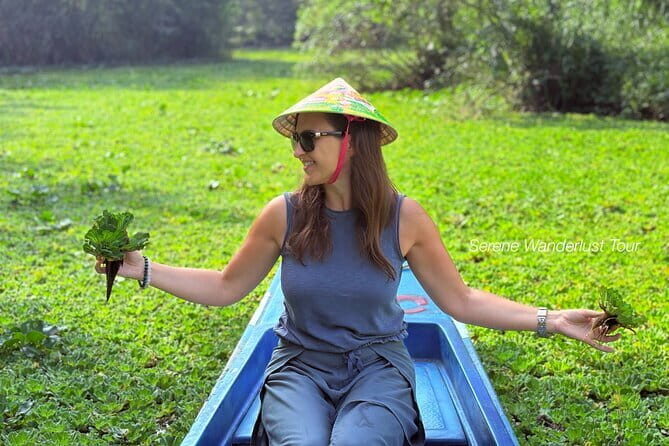
- Sampan through mangroves where bird calls carry over the water
- 25-meter observation tower for wide views of wetland forest and seasonal rice fields
- Light trekking option up to about 1.2 km if you want a closer bird look
- Bamboo craft practice in Ngã Bảy including basket weaving hands-on time
- Included access and water so you’re not hunting for tickets or bottles mid-day
- Private small-group format that keeps the pace more personal
Getting There from Can Tho: The Drive Shapes the Day
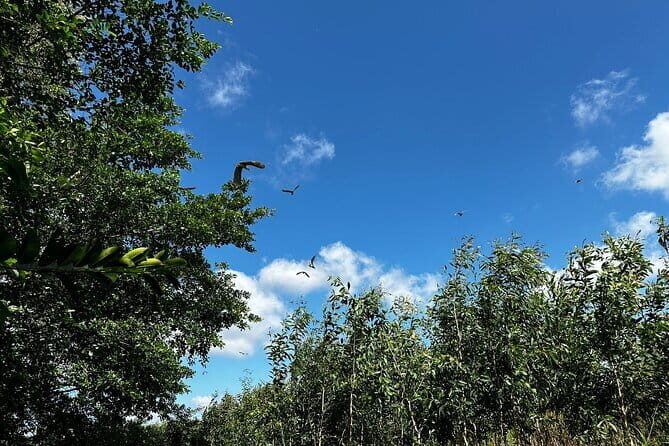
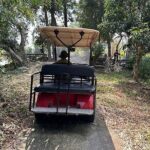
The day starts in Can Tho, and you’ll leave the city for the Lung Ngọc Hoàng Nature Reserve area by air-conditioned vehicle. Plan on at least about 1 hour of driving from Can Tho’s hotel/meeting area before you even reach the wetlands.
That matters because this isn’t a quick “half hour outside the city” outing. You’re doing two separate experiences—wetland nature first, then the bamboo craft village—so the car time is part of the rhythm. If you dislike long rides, it’s worth mentally budgeting energy for the drive.
The tour ends back at the meeting point. Pickup can be offered, which helps a lot if you’re staying near the city center. Either way, you should expect the schedule to feel like a full morning-to-early-afternoon block rather than a short detour.
Other Can Tho tours we've reviewed


Lung Ngọc Hoàng Nature Reserve: Sampan Time in Protected Wetlands
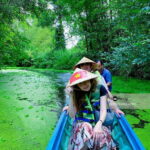
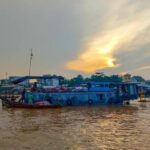
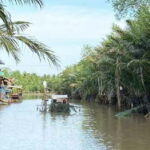
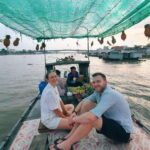
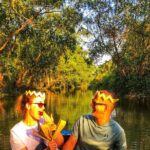
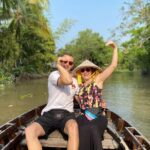
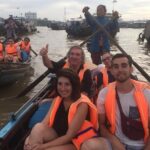
Stop 1 is the Lung Ngọc Hoàng Nature Reserve, where the main event is a traditional sampan ride through mangroves and narrow canals. This is the “quiet Mekong” kind of experience—still water, bird calls, and the feeling that you’re seeing the wetlands the way locals experience them.
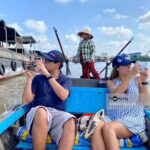
On the sampan, you’ll get to watch birds and native wildlife (you won’t be herded or forced into constant talking). Even if you’re not a bird expert, you’ll notice how different the soundscape is compared with the city—more calls, less engine noise, and plenty of moments where you just watch the shoreline move slowly past.
The reserve visit is about 3 hours, and it’s structured so you have both motion (the boat) and stillness (the views and optional walking). This balance is what makes it work: you don’t just sit on a boat, and you don’t just walk in a forest with no context.
Practical note: your camera will feel useful here, but try not to treat it like a photo safari. The best moments are usually the quiet ones when you’re actually looking and listening.
The 25-Meter Observation Tower: Views You Can Orient With
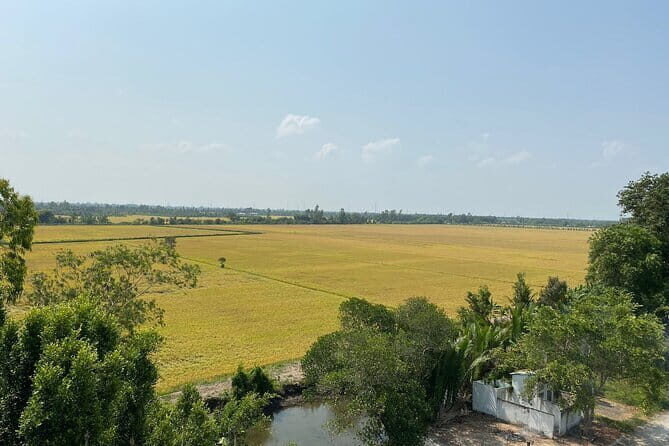
After the sampan cruising, you’ll climb a 25-meter observation tower. This is a huge part of why the tour feels complete, because it gives you a “big picture” view of wetland forest and seasonal rice fields.
From up there, you can start making sense of what you saw on the water. Canals and vegetation that looked separate from the boat become connected patterns from above. You’ll also see how the wetlands shift with the seasons, which is important in the Mekong Delta where the land-water mix changes over time.
One consideration: you’ll be outside and on stairs. The tour says most people can participate, but if you have mobility issues, you should think about whether a tower climb fits your comfort level. The tower access is included, so it’s not something you can skip without affecting the timing.
If you go in with the goal of “getting oriented,” the tower pays off quickly. If you go in expecting only wildlife close-up, you might be a little less impressed. The value here is the perspective.
Optional Up-to-1.2-km Trek or a Second Sampan Ride
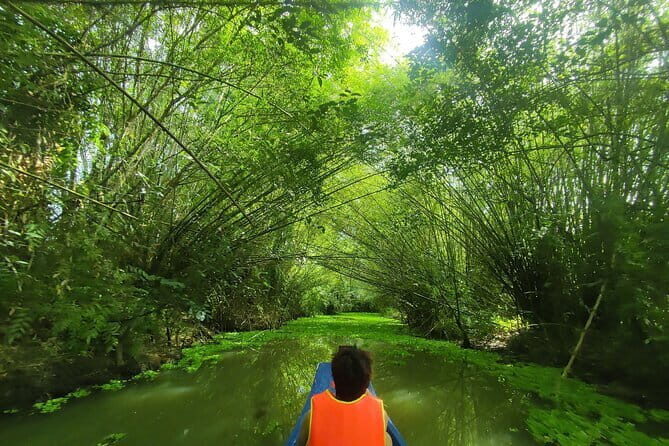
After the tower, you’ll choose between a gentle walking option or a second calmer boat ride back to the station.
The trek is described as a light adventure up to about 1.2 km, with the idea of observing native birds in their natural habitat. This is not presented as a strenuous hike, but it still involves time on foot in a wetland setting. If your energy runs low after the boat and tower, that option gives you permission to slow down.
The alternative is a relaxing sampan ride. That’s a smart choice because it keeps you in the environment where you already know you’ll get the best “what’s alive here” feeling—quiet water, mangrove edges, and the chance to see birds without adding walking time.
This flexible design is a quiet win for the tour. You can match the day to your body and your interest level in bird spotting. If you’re the kind of person who likes one short walk for photos and then back to comfort, you’ll probably be happy either way.
Ngã Bảy Bamboo Craft Village: Basket Weaving, Not Just Watching
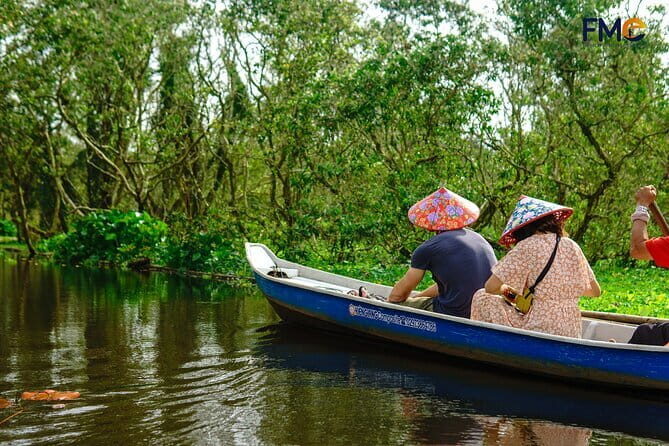
Stop 2 is Ngã Bảy, where you visit a traditional bamboo craft village. This part shifts from nature to culture, but it still connects to the wetland story—bamboo work is one of the local skills that makes delta life practical.
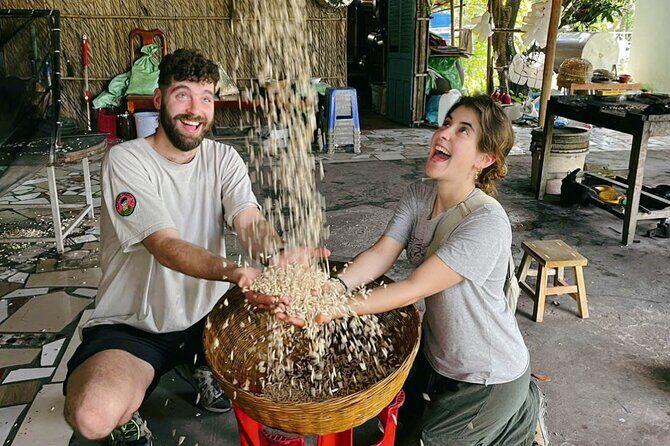
You’ll explore how locals weave and shape bamboo techniques that have been passed down through generations. The format isn’t just a sit-and-watch lesson. You can even try basket weaving yourself, which turns the experience from observation into participation.
This is where I think the tour gives good value. A craft village visit can sometimes feel like a quick showroom stop. Here, the hands-on element means you leave with a better understanding of the skill, and you’ll likely remember the motion and the materials, not just the location.
Timing here is about 2 hours, which is enough to learn the basics and get a real feel for the work without rushing. Admission ticket is listed as free, so you’re not paying extra to see the craft area.
If you want a small “souvenir that isn’t mass-produced,” bamboo work is one of the best bets. It’s also a good way to slow down after the wetland driving and boat time.

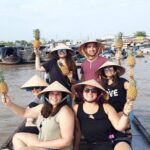
Guide Quality: What Nhung’s Name Signals About the Day
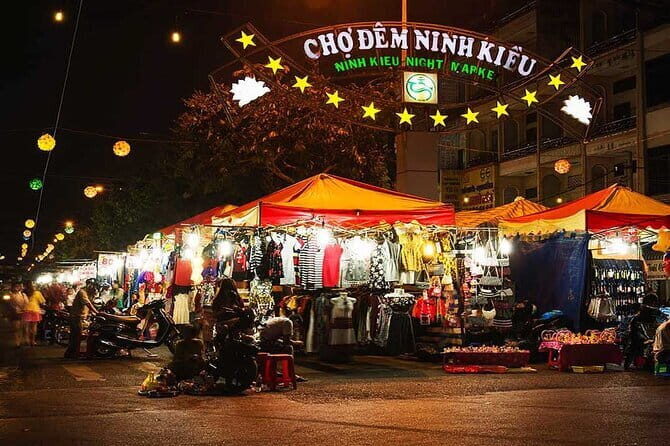
A tour’s success in places like these often comes down to explanation. On this one, a guide named Nhung is specifically praised for being knowledgeable and personable, with strong English and a knack for sharing context about what you’re seeing.
You don’t need a technical lecture to enjoy the wetlands, but good guiding helps you notice what matters. It’s the difference between seeing mangroves as “green trees” versus understanding why they matter and how the wetland functions.
The same goes for the craft village. When someone can translate the purpose behind weaving techniques, you get more out of the time at the baskets and mats.
Also, pickup and on-time coordination are important when you’re leaving the city and returning on a fixed schedule. Nhung is mentioned as someone who picks people up at the hotel and knows the area well, which is the kind of smooth logistics that keeps the day feeling relaxed instead of stressful.
Price and Value for a 4–5 Hour Private Small-Group Tour
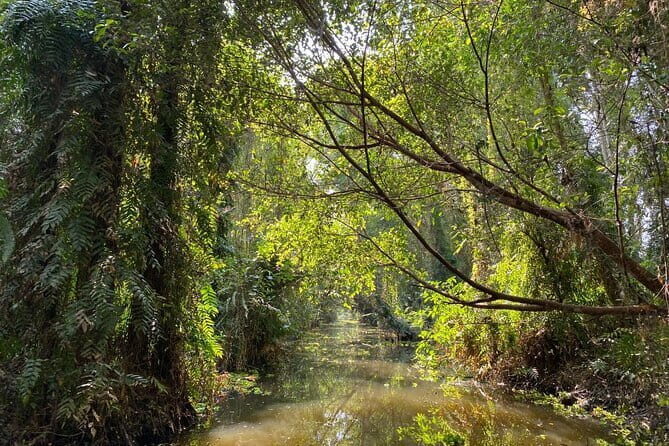
At $46 per person, this tour is priced in a way that feels fair for what’s included. The big reason: you’re not just paying for the boat and a view. You also get air-conditioned transport, bottled water, access to the 25-meter tower, and the craft village time.
There are also group-rate options depending on how many adults are in your group. For example, adult pricing shifts from $59 for 2 pax down to $39 for 9–10 pax. Child pricing is $29.
That means the tour can be a good deal if you’re traveling as a group, but it can be a bit pricier if you’re only two adults. Still, the “private tour/activity” setup—just your group participating—usually offsets the higher per-person cost by keeping things orderly and personal.
One cost you should plan for: meals are not included. You’ll likely want a snack or a proper lunch before or after, especially since you’re spending several hours away from the city and doing outdoor activities.
When you add it up, this feels like solid value for a structured half-day that mixes nature, views, and hands-on culture—without forcing you to manage tickets or transport.
What You’ll Actually Experience, Step by Step

Here’s how the day tends to flow so you can picture your time:
First, you ride out from Can Tho to Lung Ngọc Hoàng. Then you’ll cruise by sampan through mangroves and small canals while bird calls and wetland sounds set the tone. After that, you climb the observation tower for wide views of wetlands and seasonal rice fields.
Next comes the decision point: a light walk up to about 1.2 km for bird watching, or a second calmer sampan ride back to the station. After you’ve finished the nature segment (about 3 hours total there), you head to Ngã Bảy for about 2 hours at the bamboo craft village.
Finally, you return to the meeting point by car, with another stretch of driving back toward Can Tho.
This pacing is what makes it work for different interests. If you like wildlife, you get boat time and an optional walk. If you prefer culture, you get the bamboo village plus the chance to weave and basket weave yourself.
Who This Tour Suits Best (and Who Might Want to Skip)
I’d put this tour on your short list if you want a calm, nature-and-craft day in the Mekong Delta and you like seeing how people live with local materials. It’s also a good pick if you appreciate guided explanations in English, especially since a guide like Nhung is known for being personable and clear.
You might want to choose a different activity if you hate driving time outside the city or if you can’t comfortably climb a tower. The schedule also depends on weather, so if you’re traveling in a week of unstable conditions, keep a flexible mindset.
Also, if you’re coming purely for “big wildlife moments,” this is more about wetlands atmosphere, birds you might spot, and native habitat rather than guaranteed sightings of rare animals. You’ll get the setting and the chance to look; you won’t be guaranteed specific species.
Should You Book This Can Tho Eco Tour?
Yes, you should book it if you want quiet wetland time plus a hands-on bamboo craft stop in one smooth package. The included tower access and boat-focused nature element make it feel complete, and the bamboo weaving part gives you something real to take away beyond photos.
Before you commit, check your own preferences: are you okay with about an hour of driving each way, and do you feel fine with a tower climb? If yes, this is one of the more balanced ways to experience Can Tho’s area—nature first, culture second, and a pace that doesn’t feel rushed.
FAQ
How long is the tour?
The tour runs about 4 to 5 hours (approx.).
Where does the tour start and end?
It starts at 02 Hùng Vương, Thới Bình, Ninh Kiều, Cần Thơ, Vietnam, and ends back at the same meeting point.
Do I get pickup?
Pickup can be offered, and the tour includes an air-conditioned vehicle for the drive to and from the reserve area.
What’s included in the price?
The tour includes all fees and taxes, air-conditioned vehicle transport, access to the observation tower, and bottled water.
Are meals included?
No. Meals are not included.
What happens at the Lung Ngọc Hoàng Nature Reserve?
You travel there by car, then cruise through mangroves and small canals by sampan, climb the 25-meter observation tower, and choose either a light trek (about 1.2 km) for birds or a relaxing sampan ride back to the station.
What happens at the bamboo craft village in Ngã Bảy?
You visit a traditional bamboo craft village and explore local bamboo craftsmanship, including basket weaving for yourself.
Is the observation tower admission included?
Yes. Observation tower access is included, and admission tickets are listed as free.
What should I do if the weather is bad?
The experience requires good weather. If it’s canceled due to poor weather, you’ll be offered a different date or a full refund.
Is this tour private?
Yes. This is a private tour/activity, and only your group participates.