REVIEW · HO CHI MINH CITY
From Ho Chi Minh: 3-Day Mekong Tra Su Forest exit Phnom Penh
Book on GetYourGuide →Operated by Dragon Sea Travel & Du Lịch Rồng Biển · Bookable on GetYourGuide
Three days, and the Mekong changes pace. This 3-day Mekong Delta exit from southern Vietnam to Phnom Penh mixes big sights with small-boat moments, from Vinh Trang Pagoda to sunrise at Cai Rang. You’re also moving with the river itself, so the whole trip feels practical and alive, not like checklists in a van.
I love the way this itinerary balances water time and land time. The coconut-lined canals by traditional rowing boat and the quieter Tra Su Cajuput Forest motorboat ride give you two very different kinds of Mekong nature. I also like the small-group feel (up to 14 people), which helps the English-speaking guide keep things organized when you’re switching boats and schedules.
One thing to consider: the trip involves lots of boat travel plus some walking in heat. If you have back issues, limited mobility, or you’re traveling with very small children, this one may feel like too much. And on the value side, remember the Cambodia visa fee is not included ($40), plus meals outside the plan are on you.
In This Review
- Key highlights to look for on this Mekong Delta exit
- From My Tho to Ben Tre: Vinh Trang Pagoda and the Mekong’s everyday river life
- Can Tho pacing: Sunrise at Cai Rang plus the rice noodle workshop
- Tra Su Cajuput Forest: slow motorboat travel in a bird-and-water world
- Chau Doc to Phnom Penh: border crossing plus a fast boat arrival
- Guides make a difference: Emma, Ry, and Lanc as a real example of value
- Price and value: what $276 buys, and what to budget on top
- What to pack and how to stay comfortable on all the boats
- Who should book (and who should skip) this Vietnam-to-Cambodia river route
- Should you book this Mekong Delta exit to Phnom Penh tour?
- FAQ
- How long is the tour, and when does it finish in Phnom Penh?
- What meals are included?
- What boat trips are included during the 3 days?
- Do I need a visa for Cambodia?
- How big is the group?
- Are there any activities besides sightseeing?
- Is there any walking or physical activity?
- What should I bring for this trip?
Key highlights to look for on this Mekong Delta exit
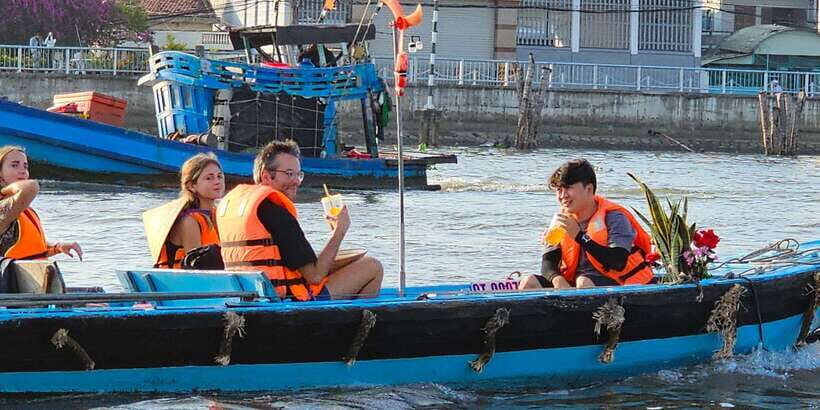
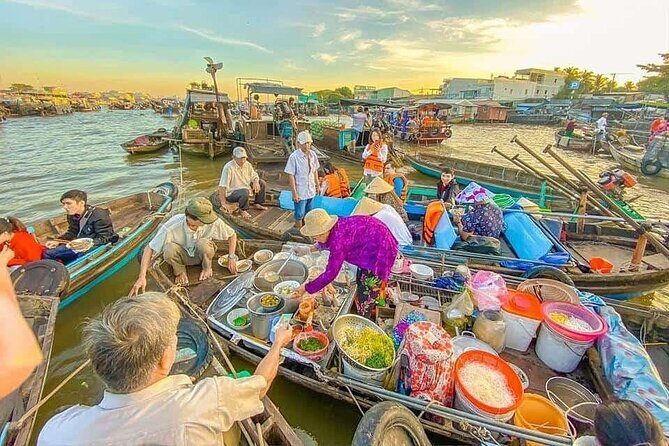
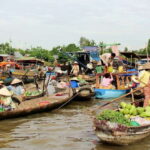
- Cai Rang Floating Market sunrise with traders selling right from river boats
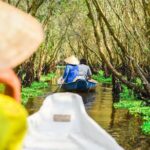
- Tra Su Cajuput Forest by motorboat for bird life and calm waterways
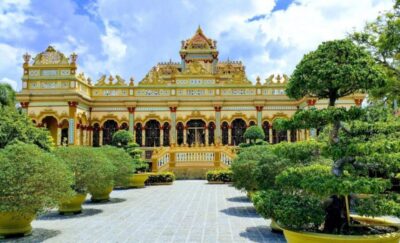
- Vinh Trang Pagoda—a major Mekong Delta landmark with iconic temple architecture
- Ben Tre coconut experiences including a coconut candy workshop and tastings
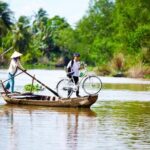
- Traditional rowing boats in coconut canals for a slower, more local river feel
- Fast boat to Phnom Penh with border procedures handled as part of the day’s flow
From My Tho to Ben Tre: Vinh Trang Pagoda and the Mekong’s everyday river life
Day 1 starts early, with pickup around 7:30 AM from central Ho Chi Minh City (243 De Tham Street or your hotel in District 1). Then you ride by air-conditioned bus toward My Tho, watching the countryside shift into river-and-field scenery. This part matters because it sets the tone: the Mekong Delta is not one dramatic stop. It’s lots of small places tied together by water.
In My Tho, you visit Vinh Trang Pagoda, described as the largest and most iconic Buddhist temple in the Mekong Delta. It’s the kind of place where the scale helps you understand the region. You’re not just seeing a “temple stop.” You’re getting an anchor point for how Buddhism shows up in daily life across the delta.
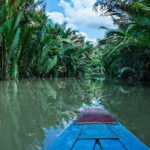
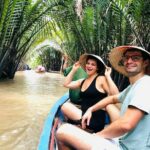
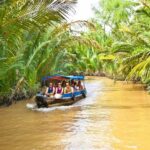
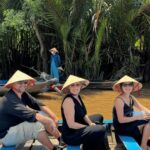
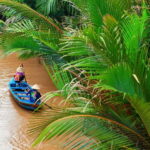
Next comes a classic Mekong rhythm: cruise along the river past floating houses and fish farms, then switch to a hand-rowing boat. That rowing-boat segment is one of the reasons I like this itinerary. It’s slower than most boat tours, and you’ll feel the canal width and coconut shade in a more direct way. The boats thread through coconut-lined canals where the river looks more like work than sightseeing.
A fun, hands-on stop follows in Ben Tre. You visit a traditional coconut candy workshop on a coconut island and sample what’s freshly made. It’s not just tasting sugar. It’s watching how one product turns into a whole local economy, from processing to craft. If you like food that has a story, this is an easy win.
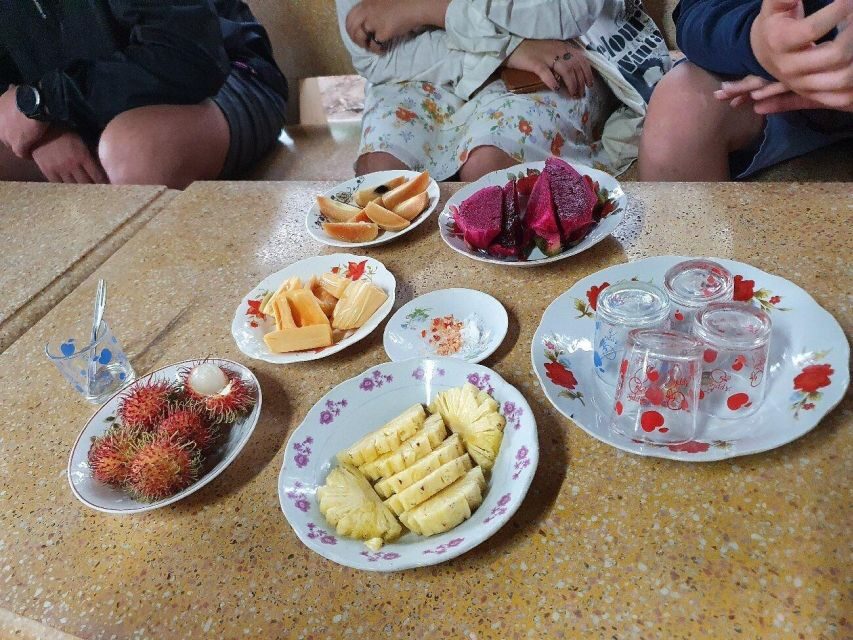
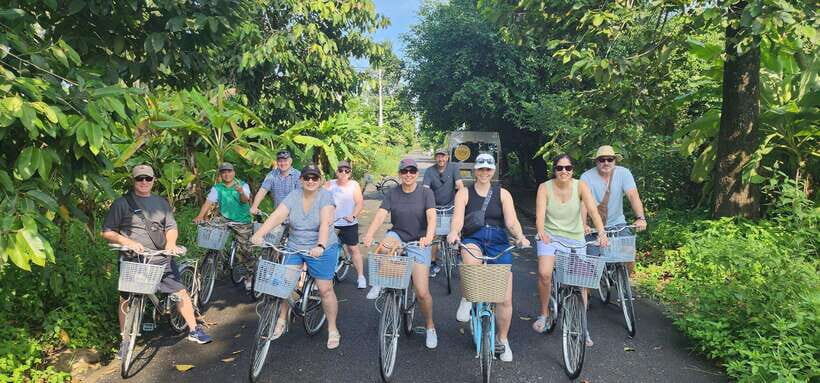
Then the day adds more cultural texture: biking on Unicorn Island and music time with seasonal tropical fruit sampling. The itinerary also includes a bee farm experience with honey tea, plus a cooking class. Even if you don’t think of yourself as a cooking-person, these kinds of included activities help you leave with something concrete from the delta—skills, flavors, and context, not just photos.
Lunch is included in a garden-style setting, and you get time in the afternoon to stroll around the village or cycle along quiet countryside paths. That’s a smart buffer. It gives you breathing room before you cross over by ferry and continue toward Can Tho.
Other Chau Doc and floating village tours we've reviewed
Can Tho pacing: Sunrise at Cai Rang plus the rice noodle workshop
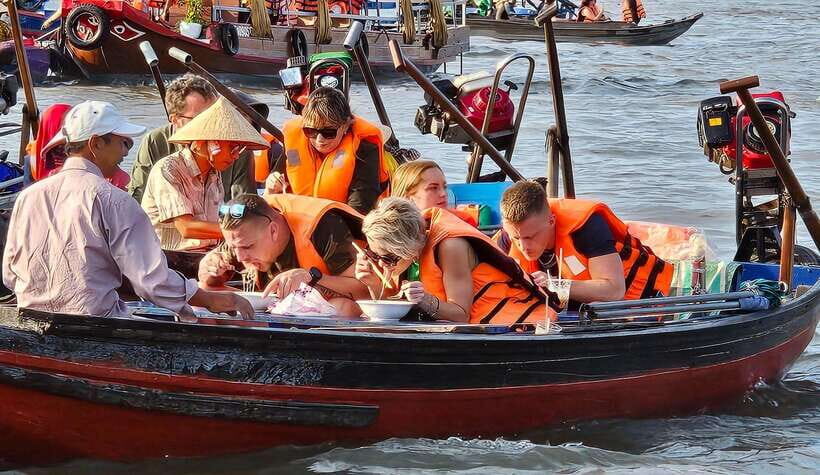
Day 2 begins around 6:30 AM with breakfast at your hotel in Can Tho, then you head out by boat to Cai Rang Floating Market. The timing is the big deal here. Sunrise at Cai Rang means you see traders setting up and moving goods in a way that feels more “in action” than “already wrapping up.”
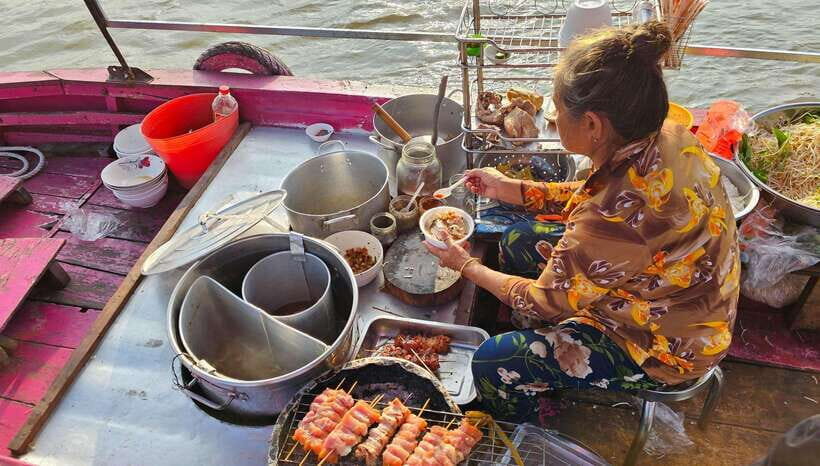
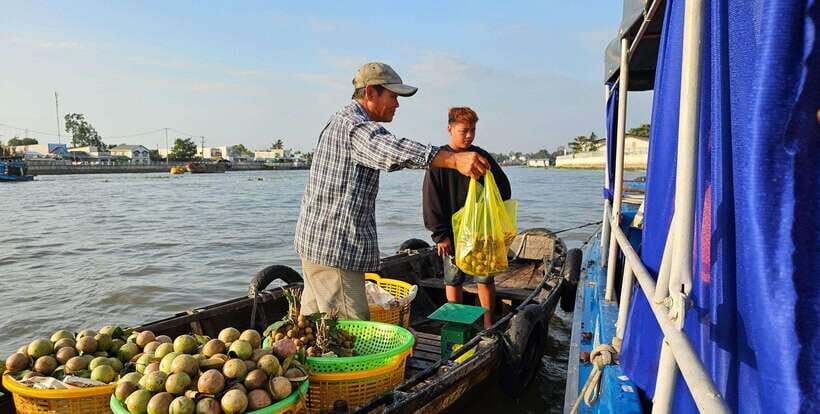
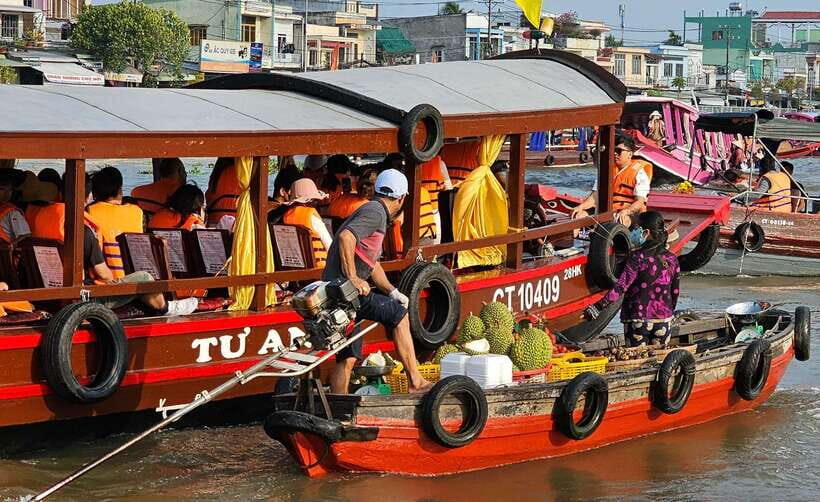
Cai Rang is famous, but the practical value is what you’ll notice from the boats: fruits and everyday items sold directly from river vessels. It’s the delta’s supply chain on the water. You’ll also get close enough to understand the way boat geometry and daily routine fit together—what people sell, how they maneuver, and how quickly everything shifts.
After the floating market, you’ll stop at a traditional rice noodle workshop. This is a quieter kind of insight, and it pairs well with the morning water scene. Rice noodles are basic, but the process can be surprisingly detailed, and the included activity makes it more than a quick photo stop.
Then you’re back on the move: there’s a boat ride with fresh pineapple tasting and a transfer to Chau Doc, with lunch included en route. You finish Day 2 in Chau Doc by around early evening and get free time for dinner on your own plus an overnight.
This is the “transition day” in a way. You’re moving from the more market-and-city rhythm of Can Tho into a quieter border-region style of travel. If you’re tired of constant motion, this day still keeps moving—but it does it with enough variety to stay interesting.
Tra Su Cajuput Forest: slow motorboat travel in a bird-and-water world
The main nature highlight is on Day 2 afternoon: Tra Su Cajuput Forest. You’ll head out from Chau Doc, and instead of big sightseeing boats, you explore the waterways by motorboat through the forested area.
Why this stop works: Tra Su is a different mood from the Mekong’s busier market scenes. The itinerary specifically calls out rare birds and more than 70 bird species, including Indian storks. Even if you don’t spot every bird on your visit, you’ll still experience the feeling of a wetland environment where land and water merge into one working landscape.
The forest is best thought of as a “habitat visit.” It’s not a zoo and it’s not a dramatic lookout tower. You’re experiencing it by water travel. That’s also why comfortable shoes and insect repellent matter here. Wetland areas can be buggy and warm, and you’ll be outside long enough to feel it.
You get the rest of the evening in Chau Doc with time to eat at your own pace. I like leaving a full evening after a nature stop. It lets the sights settle and gives you time to reset before the border-and-fast-boat day.
Chau Doc to Phnom Penh: border crossing plus a fast boat arrival
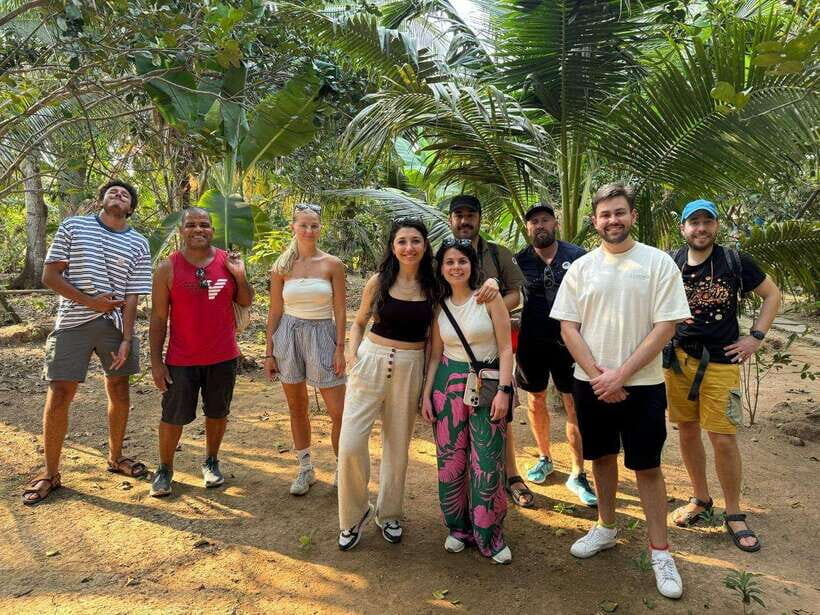
Day 3 is built around an early start. You’ll have breakfast around 6:00 AM, then transfer to the border for ticketing and immigration procedures. The itinerary states that you board a fast boat to Phnom Penh and arrive around 1:30 PM.
This matters for two reasons.
First, you’re not left guessing how the border day will work. The tour handles the flow: border procedures, then boat boarding, then the river crossing. Even if you’re an organized traveler, border logistics can be stressful when you’re doing everything on your own.
Second, a fast boat day is where good timing saves your afternoon. Arriving around 1:30 PM gives you enough daylight to get oriented in Phnom Penh—grab a meal, check your bearings, and move on.
One practical note for the visa side: the Cambodia visa fee ($40) is listed as not included. Bring your passport and plan for the fact that payments may not work like typical card travel. One traveler shared that currency/payment timing at the visa stage led to a small extra loss through exchange-rate differences. I can’t tell you exactly what you’ll face, but I’d treat this as a cash-and-flexibility day. Have passport details ready and be prepared for border-day friction.
Guides make a difference: Emma, Ry, and Lanc as a real example of value
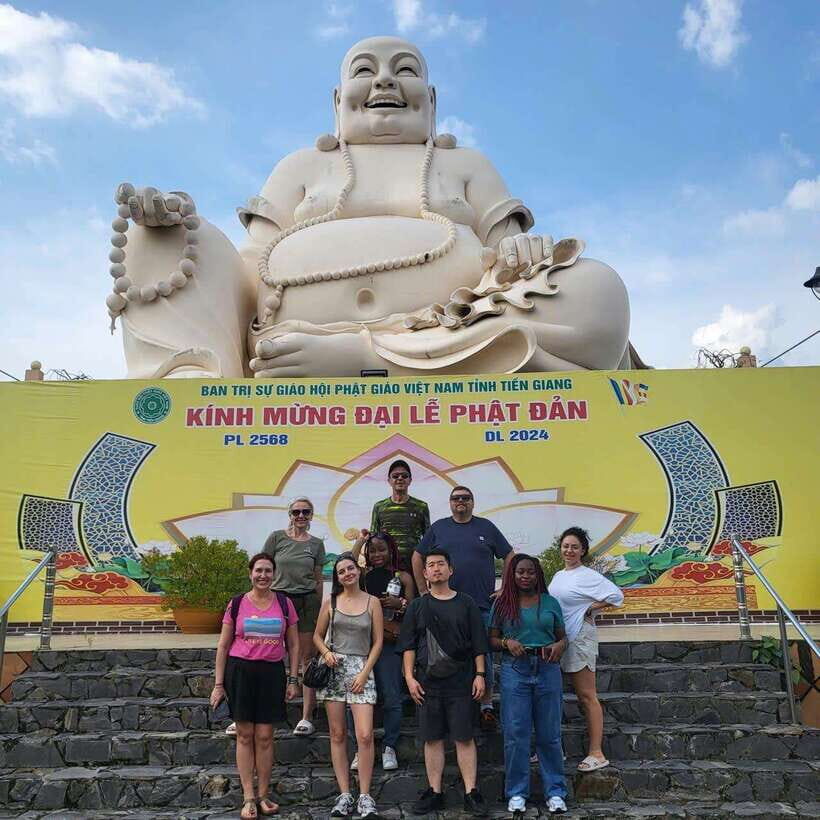
This kind of tour lives or dies by the guide. The itinerary includes an English-speaking guide, and the most positive experiences came down to how well the guide kept the day moving while still explaining what you’re seeing.
One highlight from guest feedback was Emma, described as an entertaining host and guide whose energy made the day feel easy—even with lots of boat switching and active stops. Another positive note singled out Ry, praised for speaking excellent English and sharing interesting details. There was also strong mention of Lanc being attentive and helpful with details about life in Vietnam.
Why that matters for you: when schedules compress (sunrise floating market, forest timing, border procedures), you want someone who can translate the moment. A good guide also helps you avoid wandering into the wrong place during quick transfers. In a trip like this, that’s not a small benefit—it’s how you enjoy it without stress.
Other Mekong Delta tours from Ho Chi Minh City we've reviewed

Price and value: what $276 buys, and what to budget on top
At $276 per person for 3 days / 2 nights, the value comes from the structure: you’re paying for transport, guide support, multiple boat rides, entrance fees, and specified meals. That typically adds up fast if you try to piece it together yourself.
Here’s what’s included based on the plan:
- Air-conditioned bus transportation segments
- Entrance fees
- 2 lunches and 2 breakfasts
- Boat trips as mentioned (including Tra Su boat time)
- Traditional rowing boat and other listed river/water rides
- English-speaking tour guide
- Mineral water
- Biking on Unicorn Island
- Boat transfer to Phnom Penh
Not included costs to plan for:
- Meals not specified (like most dinners)
- Personal expenses (drinks, phone, laundry)
- Single room supplement (if you need your own room)
- Cambodia visa fee ($40)
So is $276 worth it? For me, it is when you value convenience: you’re traveling across regions, switching boat types, and hitting sunrise timing without handling the logistics. If you’d rather control everything yourself, the included parts may feel limiting. But if you want a smooth Mekong-to-Phnom Penh handoff, this price looks like it’s paying for that.
What to pack and how to stay comfortable on all the boats
This is a boat-and-walk itinerary, so pack like you’re going to be outside a lot. The plan recommends:
- Passport (for Cambodia entry)
- Comfortable shoes
- Sun hat
- Camera
- Sunscreen
- Water
- Insect repellent
Also follow the on-the-ground rules: no smoking, no littering, and no alcoholic drinks in the vehicle. For temple time at Vinh Trang Pagoda, dress modestly so you’re not scrambling for a cover-up.
If you’re sensitive to heat, you’ll feel it most on travel days between boats. Bring water and use sunscreen early. Shade comes and goes fast in canal areas.
Who should book (and who should skip) this Vietnam-to-Cambodia river route
This tour is a strong fit if you want a classic Mekong Delta story arc: pagoda landmark → river cruise → canals → coconut crafts → floating market sunrise → wetland forest → border crossing → Phnom Penh.
You’ll likely enjoy it if you:
- Like water travel and don’t mind changing boat types
- Want cultural stops (pagoda, workshop, cooking class) mixed with nature
- Prefer a small group of up to 14 with an English-speaking guide
You should consider skipping if you have:
- Back problems (the itinerary involves boat time and some walking)
- Limited mobility or wheelchair use
- Pregnancy (not suitable per the plan)
- Very young children (not suitable for children under 3)
Should you book this Mekong Delta exit to Phnom Penh tour?
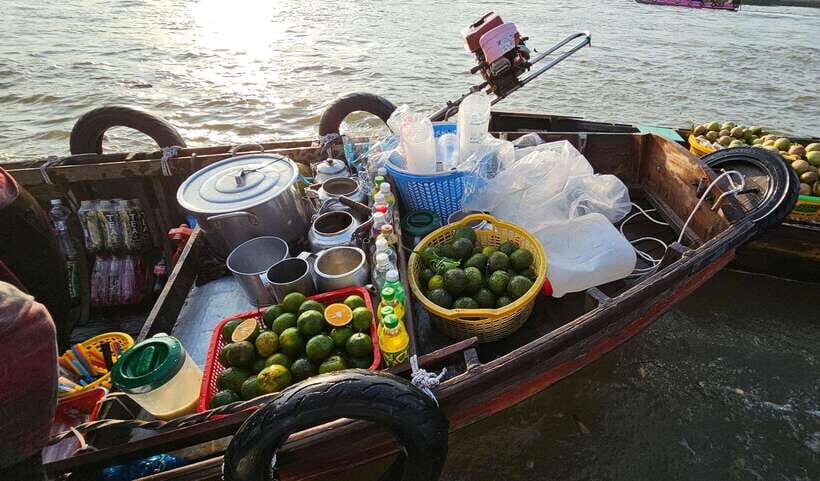
If your main goal is to go from the Mekong Delta to Phnom Penh without wrestling logistics, I think this is a good booking choice. The day-to-day rhythm is strong: you get Vinh Trang Pagoda, Cai Rang at sunrise, and Tra Su Forest by motorboat, all wrapped into a timeline that ends in Phnom Penh around early afternoon.
Book it if you want value through included transport and guide-led organization, and you don’t mind a full, active 3 days. Skip it if you’re looking for a slow, low-effort vacation, or if boat-and-walking movement would be uncomfortable.
If you decide to go, the smartest preparation is simple: have your passport ready, bring cash for the Cambodia visa fee ($40), and pack for sun and insects. That’s how you turn this river route into a smooth, memorable trip instead of a checklist you survive.
FAQ
How long is the tour, and when does it finish in Phnom Penh?
The tour lasts 3 days (2 nights). It starts with pickup in Ho Chi Minh City on Day 1 and ends in Phnom Penh on Day 3, with an arrival time around 1:30 PM.
What meals are included?
You get 2 breakfasts and 2 lunches included in the itinerary. Dinner and other meals are not included unless they’re specifically listed.
What boat trips are included during the 3 days?
The plan includes several water experiences: a Mekong River cruise, traditional rowing boat canal travel, Cai Rang Floating Market by boat, Tra Su Cajuput Forest explored by motorboat, and a fast boat transfer to Phnom Penh.
Do I need a visa for Cambodia?
Yes, the Cambodia visa fee is listed as not included ($40), and the itinerary includes border ticketing and immigration procedures.
How big is the group?
The tour is a small group with a limit of 14 participants.
Are there any activities besides sightseeing?
Yes. You’ll have biking on Unicorn Island, plus experiences like a coconut candy workshop and a cooking class.
Is there any walking or physical activity?
There is some walking and you’ll be moving between boats and stops. The tour also specifies it is not suitable for people with back problems and for wheelchair users.
What should I bring for this trip?
Bring your passport, comfortable shoes, sun hat, sunscreen, water, insect repellent, and a camera. Local currency is also helpful for personal expenses.