REVIEW · HO CHI MINH CITY
From Ho Chi Minh: 2-Day Mekong Delta to Phnom Penh by Boat
Book on GetYourGuide →Operated by Dragon Sea Travel & Du Lịch Rồng Biển · Bookable on GetYourGuide
Two days. Two countries. One long river line. This trip is interesting because you get Mekong Delta river life by boat, then handle the practical step of getting to Chau Doc and onward to Phnom Penh.
I really like the Day 1 mix of hands-on culture: Vinh Trang Pagoda, a coconut candy workshop in Ben Tre, and a cooking class with local instruction. You also get real variety instead of repeating the same “market photo stop.”
One possible drawback: the day can feel schedule-tight, with longer temple/transfer stretches than you might expect, so your river time can shift later in the day depending on pacing and the group plan.
In This Review
- Quick hits you’ll feel right away
- From Ho Chi Minh Pickup to My Tho: setting the day up right
- Vinh Trang Pagoda and the Mekong cruise: what you’re actually buying
- Ben Tre’s coconut canals by boat: the slow, quiet part
- Coconut workshops, Đờn ca tài tử, and a real cooking class
- Lunch, free time, and how to use the garden stop well
- The 4-hour drive to Chau Doc: pacing and what it means for comfort
- The fast boat and border crossing into Cambodia
- Price and value: is $228 fair for Ho Chi Minh to Phnom Penh?
- What to bring (and what not to) for the boats and cars
- Who should book this Mekong-to-Phnom Penh route
- Should you book? My decision checklist
- FAQ
- How long is the tour from Ho Chi Minh City to Phnom Penh by boat?
- Where is the pickup in Ho Chi Minh City?
- What major places does the tour visit?
- Is the Cambodia visa included in the price?
- What meals are included?
- Where do I stay overnight?
- Do I need to swim for this tour?
- Is this tour good for people who get seasick?
- What should I bring?
- What time do you arrive in Phnom Penh?
Quick hits you’ll feel right away
- Vinh Trang Pagoda: a huge, iconic stop that sets the tone for Mekong Delta Buddhism
- Hand-rowed canal ride in Ben Tre: quiet, shaded, slow-moving river scenes
- Ben Tre coconut candy + fruit breaks: you see the process and then get to taste it
- Unicorn Island folk music (Đờn ca tài tử): a classic Southern Vietnamese sound paired with seasonal fruit
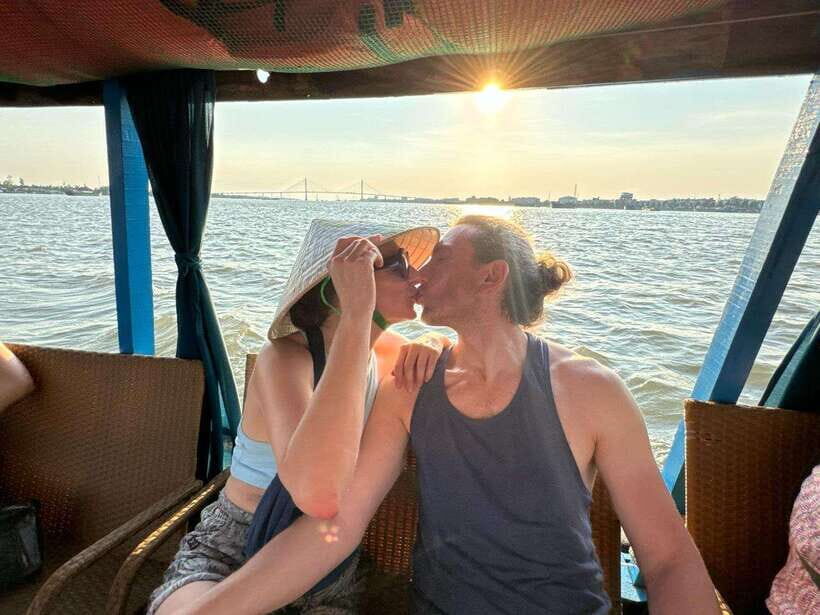
- Chau Doc overnight: a calmer base near the Vietnam–Cambodia border
- Fast boat border crossing to Phnom Penh: quick transit with guide support so you’re not doing it alone
From Ho Chi Minh Pickup to My Tho: setting the day up right
This starts with a convenient pickup at 243 De Tham Street or your hotel in central District 1. Then you slide out of the city by air-conditioned tourist bus, with countryside views along the way—rice paddies and green stretches that make the Mekong feel real, not just scenic on a postcard.
Right away, you’re on a “travel rhythm” day. That’s a good thing for value: you’re paying for movement plus guided stops, not just sitting on a boat. It also means you should treat comfort as a priority. Wear shoes you can walk in even if schedules compress.
Once you arrive in My Tho, the first big cultural anchor is Vinh Trang Pagoda. It’s the kind of temple stop where you’ll want to pause and look—arches, statuary, and the sense of a living place that’s bigger than a quick photo moment.
Other Mekong Delta tours from Ho Chi Minh City we've reviewed
Vinh Trang Pagoda and the Mekong cruise: what you’re actually buying
You’re not just sightseeing here—you’re doing two different ways of seeing the same region. Vinh Trang Pagoda is the land-based start: a major Buddhist site that frames the area’s spiritual life. Then the cruise flips you back onto water.
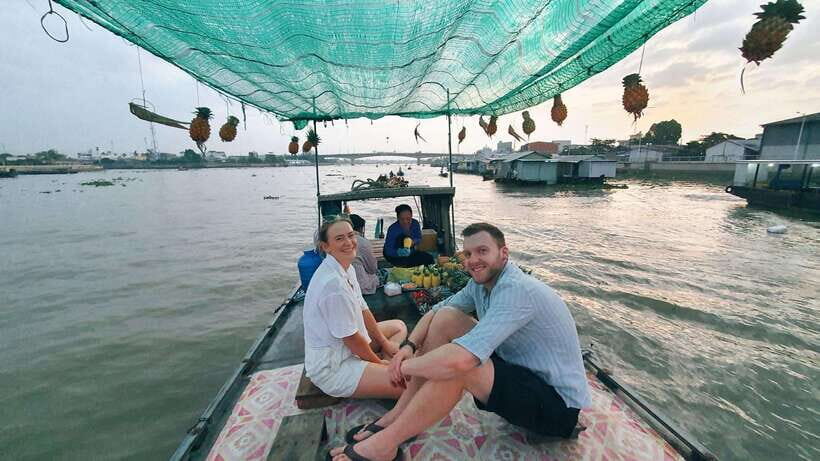
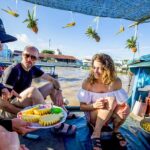
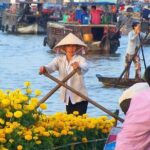
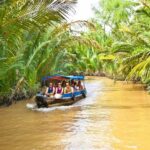
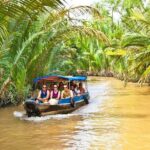
On the river cruise, you pass floating houses and fish cages, the kind of details that explain how people earn a living here. It’s the difference between seeing water and understanding a working river. If you’re the type who likes to connect the view to daily life, this portion lands.
One thing to keep in mind: on some departures, pacing can run tight. That means the route can spend longer at temples or transfers than you might imagine, even while the plan still includes the river portion. If river time is your #1 goal, build in flexibility and don’t expect every minute to be perfectly even.
Also, you’ll likely have an English-speaking guide throughout the Mekong portion. In prior runs, guides such as Quoc have been praised for clear explanations and getting everyone handled smoothly.
Ben Tre’s coconut canals by boat: the slow, quiet part
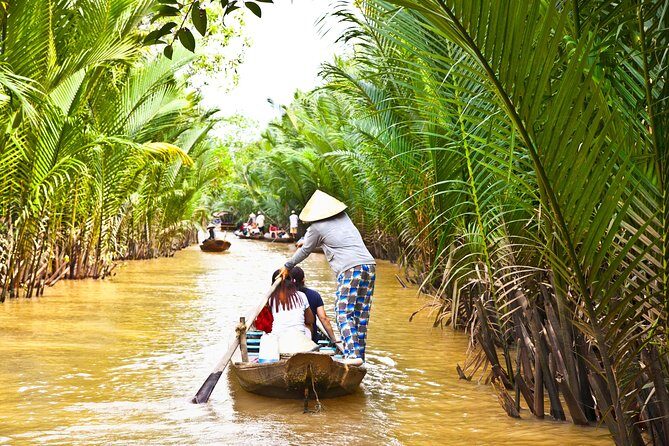
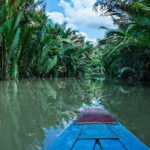
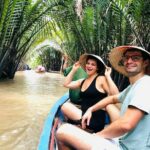
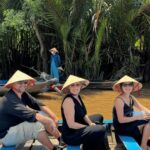
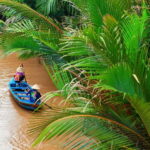
After the Mekong cruise, the itinerary shifts to something more hands-on: a small hand-rowing boat through canals shaded by coconut trees. This is one of the most “stay-in-the-moment” segments of the whole trip. You’re moving slowly, so you can actually watch how the canal edges feel—wood, water plants, and the lived-in calm of rural river paths.
Ben Tre is known for coconut, and this is where the “coconut” theme stops being a marketing word. You’ll see that coconut trees line the water and shape daily life in the delta. You’ll also start to understand why this region works best at a slow pace, not a rushed sightseeing sprint.
Then comes the Ben Tre break on land: a coconut candy workshop on a coconut island. The best part here is that you don’t only get a product—you get the handmade process. You’ll have the chance to try samples right after the workshop, which keeps it from feeling like a scripted stop.
Photo tip: bring your camera, but also put it away sometimes. The canal ride is one of those moments where you get more by watching with your own eyes than by chasing a perfect shot.
Coconut workshops, Đờn ca tài tử, and a real cooking class
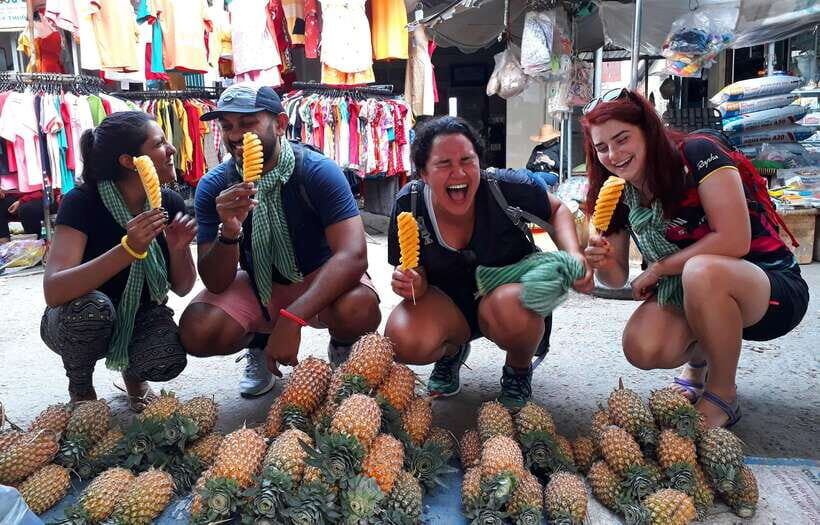
Day 1 keeps building. You’ll continue to Unicorn Island by motor cart, where you get traditional Southern Vietnamese folk music: Đờn ca tài tử. It’s not background noise. It’s part of the experience—music tied to the region’s identity, played while you taste seasonal tropical fruits.
Next, you move into food and local production territory again: a bee-keeping farm with natural honey tea, plus time exploring a typical Mekong Delta house. This is a smart use of time because it connects your earlier river scenes with how people survive on the delta’s resources.
Then you get to the hands-on moment that many people remember most from this kind of tour: a Vietnamese cooking class where you learn to prepare a local dish with guidance from hosts. This is practical value. You’re not just collecting memories—you’re taking home a skill you can repeat.
If you’re worried about being “stuck in tourist zones,” this day still helps because the food and music segments are tied to real local crafts, not just a showroom. And since it’s all guided, you’ll know what you’re looking at instead of guessing.
Lunch, free time, and how to use the garden stop well
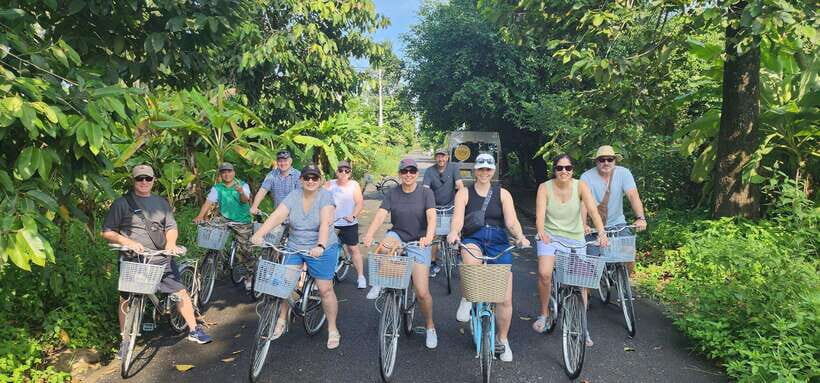
After all that, you’ll have lunch in a garden setting. This is an important reset point. You’ve been on the move since the morning, and lunch gives you a chance to refuel without rushing through a buffet-style line.
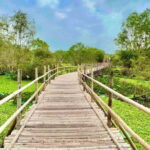
Once you’re done eating, you usually get some flexibility: you can stroll around the village area or take a short bicycle ride through quiet countryside paths. This is one of the best “you time” windows of the day because it’s not another lecture or a set-piece photo stop.
If you want to make this portion work for you, pack your energy for the bike ride. Wear comfortable shoes and keep your water bottle handy. The sun in the delta region can be sneaky—even when the schedule feels shaded by trees earlier in the day.
One note: based on how tours can run, the overall itinerary can feel a bit temple/transfer heavy for some departures. So use the free time to do something grounding, like a short walk, rather than trying to cram in extra sightseeing.
Other Saigon-to-Phnom Penh Mekong cruises we've reviewed
The 4-hour drive to Chau Doc: pacing and what it means for comfort
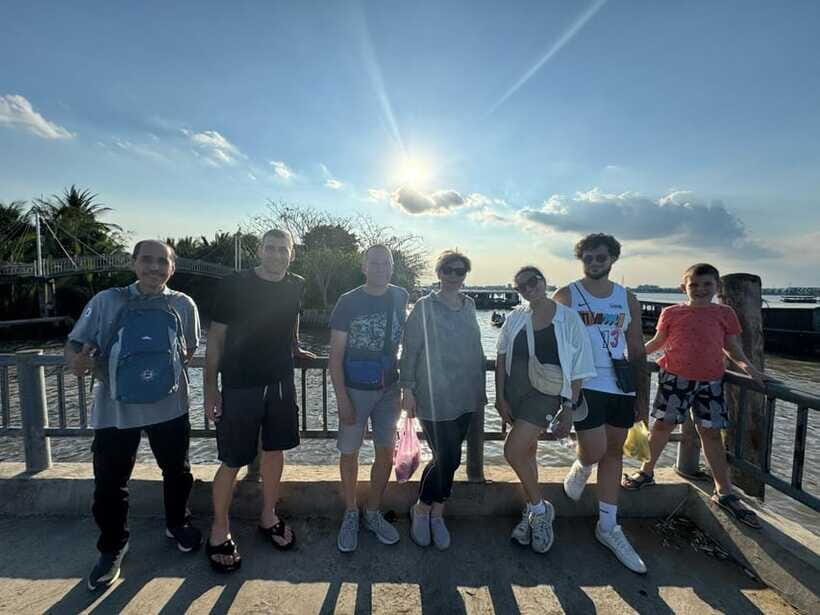
In the afternoon, you return by boat to My Tho, then you transfer by private car (no guide). The drive to Chau Doc takes around 4 hours and drops you near the Vietnam–Cambodia border.
This is where you should manage expectations. You’re moving across a wider region, and road time is part of the deal when you don’t fly. The upside is that you’re still getting a guided “corridor” experience rather than having to figure it out yourself.
You’ll overnight in Chau Doc at a 3-star hotel. The tour provides 1 breakfast for Day 2, and you’ll have the evening free for dinner on your own. In prior experiences, some people have mentioned the quality can vary a bit between properties, so if you’re picky about room standards, it’s worth having a little buffer.
If you want an easy evening: walk for something simple near your hotel, keep hydration up, and sleep early. Day 2 moves fast.
The fast boat and border crossing into Cambodia
Day 2 starts with breakfast, then you head to the boat station (around 7:00 AM). From there, you take a fast boat along the Mekong, crossing the border into Cambodia and continuing to Phnom Penh.
The timing is a big selling point. You arrive around 12:30 PM, which means you’re basically turning this into a same-day transition into the Cambodian capital. That’s a rare convenience when you travel overland plus a border.
This part is also where being prepared matters most. You need your passport on hand, and you should avoid bringing anything messy or non-compliant. The experience is also not a great fit if you get seasick easily—fast boats mean quick motion on the water.
In past runs, Diu has been praised for keeping things safe and running smoothly, including competence with border formalities. That’s the hidden value of choosing a guided cross-border boat: you’re not doing paperwork under stress.
Price and value: is $228 fair for Ho Chi Minh to Phnom Penh?
At $228 per person for 2 days, you’re paying for more than a “boat tour.” You’re buying a whole transportation chain: bus from Ho Chi Minh to My Tho, boat segments and canal rowing, an overnight in Chau Doc, plus the fast boat into Phnom Penh.
Look at what’s included:
- English-speaking guide
- 1 breakfast and 1 lunch
- All necessary entry tickets for the stops
- Overnight in Chau Doc (3-star)
- 2 bottles of Aquafina water per person
What’s not included:
- Cambodia visa ($40)
- Drinks during meals (like beer/soft drinks)
- Single room option (if you need your own space)
- Personal expenses
So the value question is simple: do you want the hard part handled? If you’re crossing from Vietnam into Cambodia and you’d rather not coordinate every transport link plus border logistics, this can be a smart deal. If you’d rather travel independently, you might find cheaper transport, but you’ll be doing more planning and risk more confusion.
For me, the best value element is the border transition with guide support. It saves time and stress, which is often what people end up paying for anyway.
What to bring (and what not to) for the boats and cars
This kind of tour is active, sun-exposed, and water-based. Pack like you mean it:
- Passport
- Comfortable shoes
- Hat, sunscreen
- Water (even though you’ll have some provided)
- Insect repellent
- Camera
Also respect the rules:
- No smoking
- No plastic bottles
- No littering
- No alcoholic drinks in the vehicle
Practical tip: even if you hate carrying things, you’ll be glad you have sunscreen and repellent. After the canal ride, you’ll feel the difference.
Who should book this Mekong-to-Phnom Penh route
This tour is a good match if you want:
- Real river life scenes (floating houses, fish cages, canal rowing)
- A mix of hands-on cultural stops (coconut candy, folk music, cooking class)
- A guided Vietnam to Cambodia transition without doing it all alone
It’s not suitable for wheelchair users, non-swimmers, or people prone to seasickness. If any of those apply, you’ll want a different itinerary with gentler water segments or more land time.
If you’re traveling as a couple or small group and you like organized pacing, this works well. If you’re the type who hates structured days and wants total freedom, the schedule may feel tight.
Should you book? My decision checklist
Book it if:
- You want a guided boat-based Mekong experience and a fast route into Phnom Penh
- You value having support with the cross-border portion
- You like practical cultural stops like food workshops and a cooking class
Skip it or double-check expectations if:
- You mainly want long, uninterrupted river cruising and less temple/transfer time
- You get seasick easily or you’re not comfortable with boat travel
- You’re very sensitive to comfort changes, since the overnight is listed as 3-star but quality can vary by property
If you’re flexible and like learning by doing, this route is a solid way to connect Vietnam and Cambodia in just two days—without flying and without doing the border logistics by yourself.
FAQ
How long is the tour from Ho Chi Minh City to Phnom Penh by boat?
The tour lasts 2 days.
Where is the pickup in Ho Chi Minh City?
Pickup is available at 243 De Tham Street or from your hotel in central District 1.
What major places does the tour visit?
You’ll go through My Tho, Ben Tre (including coconut canals and islands), then Chau Doc, and finally arrive in Phnom Penh after the boat ride and border crossing.
Is the Cambodia visa included in the price?
No. The Cambodia visa ($40) is not included.
What meals are included?
You get 1 lunch and 1 breakfast during the tour.
Where do I stay overnight?
You stay overnight in Chau Doc at a 3-star hotel.
Do I need to swim for this tour?
Yes—this tour is not suitable for non-swimmers.
Is this tour good for people who get seasick?
No. It is not suitable for people prone to seasickness.
What should I bring?
Bring your passport, comfortable shoes, hat, camera, sunscreen, water, and insect repellent.
What time do you arrive in Phnom Penh?
You arrive in Phnom Penh around 12:30 PM on Day 2.