REVIEW · HO CHI MINH CITY
Mekong Delta 3-Day: Saigon to Phnom Penh Gateway
Book on Viator →Operated by TNK Travel · Bookable on Viator
Three days from Saigon to Cambodia’s gateway. This Mekong Delta trip strings together boat rides, village stops, and temple visits before ending with an easy link toward Phnom Penh. You’ll move through quiet canals and famous waterways while your guide explains everyday life in the delta.
I like the way this tour uses real Mekong travel style—paddling and cruising rivers, not just staring out a van window. I also appreciate that the price covers transport, a guide, and most meals, so you’re not stuck micromanaging your day. The main drawback: it’s a full schedule with early starts and short stop times, plus there can be some shopping and tipping moments along the way.
In This Review
- Key points before you go
- From District 1 pickup to the Mekong’s first boat day
- Cai Be and Tan Phong: canals, sweets, and a bike through fruit groves
- Cai Rang Floating Market plus Khmer temples: learning the delta’s blend of cultures
- Tra Su Bird Sanctuary and Nui Sam temples: nature breaks inside a packed schedule
- Chau Doc, Sam Mountain at Hang Temple, and the link to Phnom Penh
- Price and value: what $261 buys you (and what it doesn’t)
- The guide, the pacing, and the “tour moments” you should expect
- Should you book the Mekong Delta 3-Day: Saigon to Phnom Penh Gateway?
- FAQ
- What time does the tour start?
- Do I get hotel pickup in Ho Chi Minh City?
- Are meals included?
- Is a guide provided?
- How does the tour handle going to Phnom Penh?
- Do I need a Cambodia visa?
Key points before you go
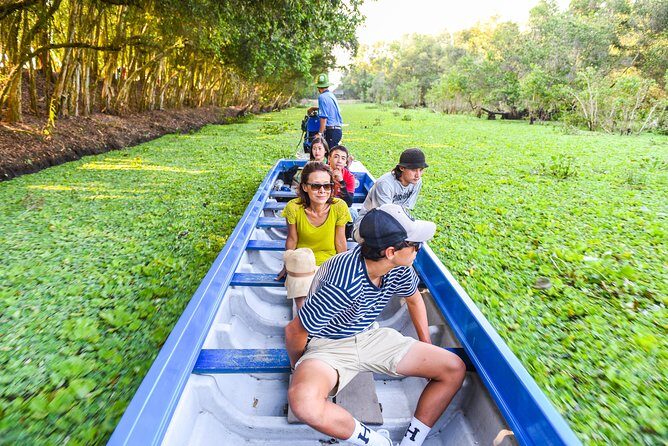
- Small groups (max 25) keep the day feeling manageable even when it’s packed.
- Cai Be + Tan Phong mixes river views, an antique house, coconut sweets, and a bike ride through countryside lanes.
- Cai Rang Floating Market comes with a noodle-making stop that adds context beyond the photos.
- Tra Su Bird Sanctuary is the most nature-forward stretch, with mangrove forest and birds as the focus.
- Chau Doc + Cham Village adds cultural variety, including Sam Mountain views from Hang Temple area.
- If you’re continuing to Phnom Penh, you’ll likely do a fast boat or bus transfer depending on availability.
From District 1 pickup to the Mekong’s first boat day
The day starts early (pickup is set for 7:45 am) from centrally located hotels in District 1—with the note that some wards aren’t included. If you’re staying outside the pickup zone, you’ll want to confirm your meeting plan before you go so you don’t waste time trying to locate the group. The vibe is organized right away: air-conditioned vehicle for the long roads, then boat time as soon as you hit the waterways.
On the first leg, you’ll head toward Cai Be, where the Mekong Delta starts feeling less like a postcard and more like how people actually live. Cai Be’s draw is the way rivers shape trade. Even when markets are quieter than the peak stories you might hear, the river still does the work—moving goods, connecting villages, and putting everyone on the same shared timetable.
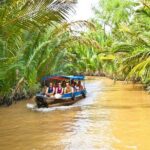
Then you get your first taste of “how the delta works” from the water. You’ll take a boat journey on the Tien River and see how local commerce has changed over time. It’s not just scenic. It helps you understand why floating trade mattered, why it shifted, and why the river is still the main road for a lot of daily life.
Other Mekong Delta tours from Ho Chi Minh City we've reviewed
Cai Be and Tan Phong: canals, sweets, and a bike through fruit groves
Cai Be isn’t one stop—it’s a set-up for understanding the delta’s layers. After the river cruise, you’ll visit Nhà cổ Ông Kiệt, a well-preserved antique house. For me, these older homes are where you can spot the region’s “rules” in woodwork, layout, and the way architecture responds to heat and flooding. It’s short, but it’s more meaningful than a quick photo stop if you pay attention to details.
Next comes Tan Phong, which shifts the tone from history to everyday skills. You’ll see a family-run confectionery making coconut sweets and rice popcorn using time-honored methods. This is one of those stops that can feel touristy on other tours. Here, it works better because it’s about process—hands-on craft rather than only selling final products.
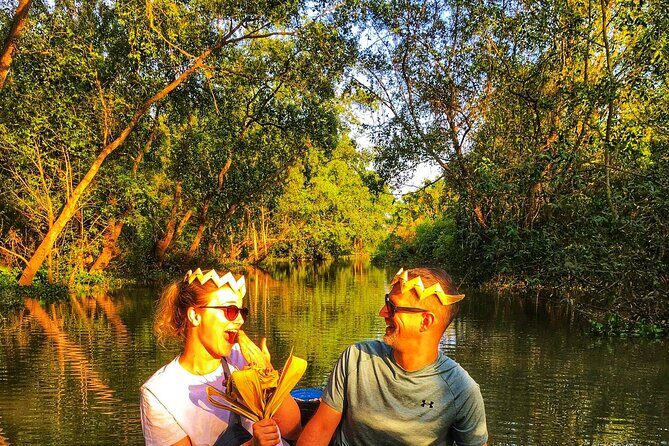
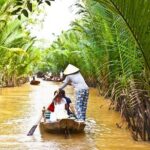
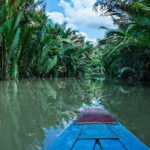
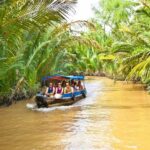
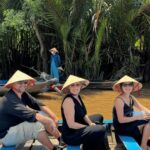
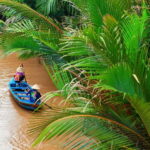
You’ll also get the canal experience: narrow waterways with coconut palms and water lilies float by in a slower, quieter rhythm. This is where you can mentally switch gears from “travel day” to “river day.” The boat and canal pacing are gentler, and you’ll likely feel it in your legs after sitting in a vehicle earlier.
Lunch is served at a garden setting with tropical fruits and herbs mentioned as part of the experience. I’d treat this as a chance to refuel and reset rather than a fine-dining promise. Some meals on these kinds of tours can land cold or “tour buffet style,” so it’s smart to bring a small snack you trust, just in case.
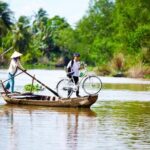
Then comes the part many people remember: a bicycle ride on dirt trails. You’ll pedal through island countryside with rice paddies and fruit groves around you. If you’re comfortable on uneven paths and you don’t mind mixing with rural roadways, this is a great way to feel the place rather than just pass through it.
The day closes with a boat ride back near sunset, followed by transfer toward Can Tho City, where you check in for the night. Your accommodation choice can include a more basic option (some people opt for a homestay-style experience). Either way, this is the day that uses the most “transport-and-see” energy, so don’t plan other activities after you arrive.
Cai Rang Floating Market plus Khmer temples: learning the delta’s blend of cultures
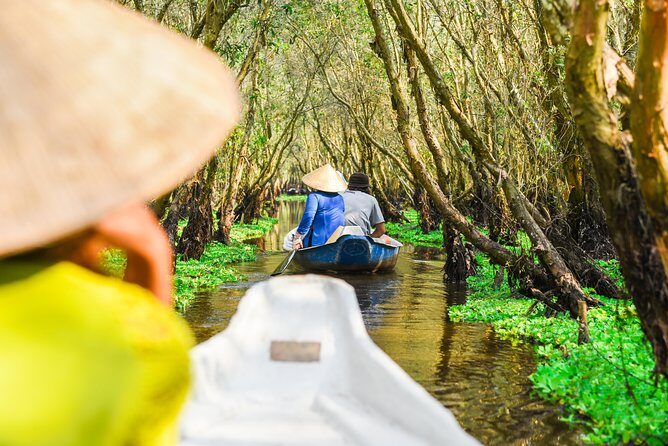
Day two starts with breakfast, then you’ll head out on the water along the Bassac River (a Mekong tributary). The point isn’t just to watch boats. It’s to see how the delta wakes up—how movement on the river ties into trade, food, and daily schedules.
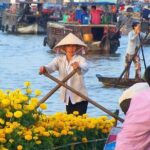
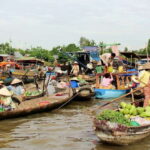
Then you’ll reach Cai Rang Floating Market, one of the delta’s most famous scenes. It’s busy in the sense that it’s active with loading and selling, but the best part is that it feels like a system, not a performance. You’ll follow the flow of boats along the river channels and get a close-up view of how vendors operate.
Next is a stop that adds real context: a noodle factory, where you’ll see rice noodles made from raw ingredients to finished product. I like this more than generic “shopping stops” because it explains why you see certain foods everywhere in this region. If you’re a foodie, it also helps you recognize what you’re eating later in the tour.
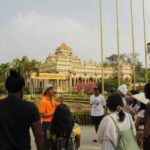
After the food-and-trade stops, you shift to culture with Munir Ansay Pagoda, a Khmer Buddhist temple. The value here is contrast: Vietnam’s delta life shares space with Khmer heritage, and temples are where that blend shows up in artwork and worship traditions. You don’t need long to get the message—just enough time to look closely at murals and temple design.
From there, you’ll head to Cồn Sơn, with a boat journey tied to community-led, eco-conscious tourism. This is a reminder that not all river activities are about maximum volume. Some are about keeping local livelihoods and ecosystems in balance, even if the “eco” label is more complicated in practice than the brochure.
Then you continue toward nature and spirituality.
Tra Su Bird Sanctuary and Nui Sam temples: nature breaks inside a packed schedule
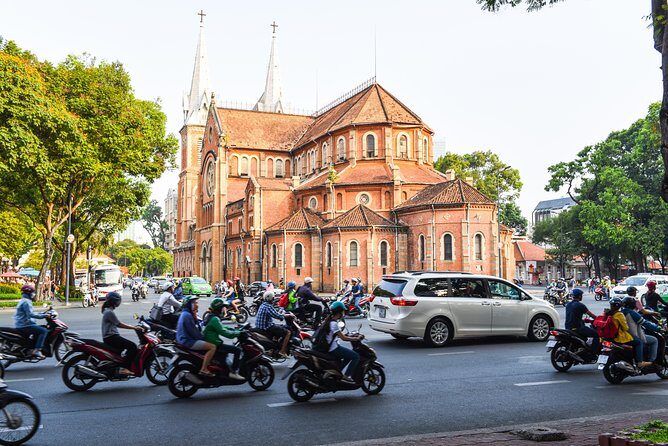
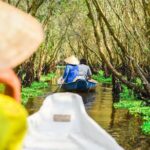
After midday, your itinerary takes you into Tra Su Forest near Châu Đốc for the Tra Su Bird Sanctuary. This is the nature-heavy highlight. Expect mangrove forest feel and bird-focused views rather than just river cruising. If you’ve been spending hours on roads and on boats, this stop gives your eyes somewhere to rest—through dense greenery and quiet water textures.
You’ll also visit Mieu Ba Chua Xu Temple at Núi Sam. This is a pilgrimage stop tied to a protective deity, so it’s about more than scenery. Even if you’re not religious, temples like this help you understand what people look to for comfort, protection, and meaning—especially in a place where weather and river changes are part of life.
Day two is also where you’ll feel the rhythm of “see a lot, move often.” That’s not a problem if you’re mentally ready for a long day. If you prefer slow travel, I’d treat this as a tour for checklists and orientation, not a deep immersion style experience.
The most practical thing you can do: wear comfortable shoes, keep water handy (you get one bottle per day included), and pace yourself during transitions so you’re not rushing through every photo moment.
Chau Doc, Sam Mountain at Hang Temple, and the link to Phnom Penh
Day three is where the tour becomes a gateway. You’ll be in Châu Đốc, and for people continuing onward, there’s a designated stop at the boat meeting point for the route toward Phnom Penh.
If you’re staying only within Vietnam, you’ll still get the cultural and scenic stops first. Hang Pagoda (Chua Hang) is on Sam Mountain. You’ll climb a path through greenery to reach the temple area. This is one of the few parts that asks for some actual effort—so if your mobility is limited, it’s worth planning accordingly.
Then you’ll explore the floating village and Cham Village area. This part gives you another cultural layer: Cham heritage alongside delta life. Even within short time windows, the point is clear—people adapt to water and geography, and culture grows in the spaces between land and river.
You’ll also stop for a meal in the region—Long Xuyên cuisine served at a local restaurant is included as part of the day’s eating plan. As with other meals on the tour, keep expectations practical. You’re paying for transport, guides, and included entries; meals are part of the package, not a restaurant itinerary.
For the Phnom Penh move: the tour includes a fast boat to Phnom Penh if you choose the optional exit, and it also includes either fast boat or bus ticket depending on real-time availability. You’ll want your documents ready, and the tour specifically asks for a passport photo to complete the boat service booking. Also note: Cambodia visa is not included, so have that sorted before you travel.
Other Saigon-to-Phnom Penh Mekong cruises we've reviewed
Price and value: what $261 buys you (and what it doesn’t)
At $261 per person, this is priced like a “buy the whole day” package. You’re not just paying for sites. You’re paying for logistics: hotel pickup in the eligible areas, an air-conditioned vehicle, local English-speaking guide, boat trips, entrance fees, and transfers toward the Cambodia gateway.
Included extras that matter in real life:
- Accommodation based on twin/double share in a 3-star hotel or similar (with choice that may include a more basic homestay-style option)
- Most meals: dinner included, plus two breakfasts and two lunches (other meals not listed are on you)
- Bottled water (one per day)
- Group size cap at 25 pax, which usually means less chaos than big coach tours
What’s not included:
- Cambodia visa
- Tips/personal expenses and travel insurance
- Any meals outside what’s listed
Where value can be mixed is the trade-off between time and comfort. You get a lot of stops, which can mean shorter visits at each place. If you’re the type who likes to linger—one museum, one neighborhood, one perfect meal—you might feel rushed. If you prefer a well-driven route that gets you from Saigon to Phnom Penh with minimal planning, this price starts to make sense fast.
The guide, the pacing, and the “tour moments” you should expect
The quality of your day can hinge on the guide. Names that came up strongly include Sunny, Tom Cruz, John, Alex, and Gordon—and they were described as funny, energetic, and genuinely helpful. That matters, because on a tour like this, your guide is doing more than pointing at buildings. They’re translating the why: why people trade this way, why Khmer and Vietnamese sites sit side by side, and why certain river areas are visited.
That said, you should be ready for a packed pace. Reviews and real-world tour patterns line up: early departures, then a series of short outings that add up quickly. Some stops can feel like “20–60 minute breaks,” which is enough to see highlights but not enough for deep conversation.
You should also know that money-trap style moments can happen on Mekong tours. You might be offered candy or small purchases, and you could be expected to tip boat drivers/rowers depending on the situation. I handle this by setting a personal rule before I go: carry a small amount for genuine moments (a drink, a quick snack), but don’t hand over cash because someone looks disappointed. If you want to tip, tip because it feels fair—not because you feel cornered.
Finally, accommodation expectations should stay realistic. Some places included are described as basic, and not every option has the same comfort level (especially with homestay-style nights). If you hate surprises, choose the 3-star hotel option rather than the basic one.
Should you book the Mekong Delta 3-Day: Saigon to Phnom Penh Gateway?
Book it if you want:
- A time-efficient route from Ho Chi Minh City toward Phnom Penh
- A guided intro to the delta’s mix of waterways, markets, and temples
- A tour that handles transport and entries so you can focus on seeing and learning
- Small-group energy (max 25 pax)
Skip it or adjust your expectations if you:
- Hate long travel days and prefer slow, stand-alone sightseeing
- Really want to avoid any shopping or tipping pressure
- Need lots of downtime after meals or you dislike short stop windows
My practical advice: if you’re doing Phnom Penh anyway, this tour is a smart way to kill two birds—Mekong scenery plus a forward transfer. If you’re mainly chasing the most peaceful, unstructured river experience, you might be happier building your own days with fewer stops.
If you want my simple rule: go if you’re okay with a packed itinerary and you’ll treat meal and shopping stops as optional add-ons. Don’t go if your ideal trip is one place, one pace, lots of breathing room.
FAQ
What time does the tour start?
The tour start time is 7:45 am.
Do I get hotel pickup in Ho Chi Minh City?
Yes. The tour includes hotel pickup for centrally located hotels in District 1, except Tan Dinh ward and Da Kao ward.
Are meals included?
Yes. The tour includes dinner, two breakfasts, and two lunches. Other meals are not included.
Is a guide provided?
Yes. You’ll travel with a local English-speaking tour guide.
How does the tour handle going to Phnom Penh?
If you choose the optional exit, the tour includes a fast boat to Phnom Penh if available, or fast boat or bus ticket depending on real-time availability. A passport photo is requested to complete the boat booking.
Do I need a Cambodia visa?
Yes. Visa to Cambodia is not included, so you’ll need to handle it separately.