REVIEW · MY THO
Vietnam Mekong Delta: 2-Day Cai Rang & River Adventure HCM
Book on GetYourGuide →Operated by Enni tour · Bookable on GetYourGuide
There’s something about boat time that makes everything feel slower. This Mekong Delta 2-day trip puts you on the river early, then shifts you through villages, pagodas, and the big one—Cai Rang Floating Market. I really like the mix of hands-on stops (coconut candy tasting on a Ben Tre island) and big visual moments (the market boats at Cai Rang). One thing to consider: depending on the group, the boat ride experience can include loud karaoke, and that may not be your vibe.
I also like that the tour uses real river sights, not just photos: fish cages, floating houses, and the canal ride under overhanging coconut trees. You’re not stuck looking at water from shore the whole time. The one drawback is the pace: two packed days with early mornings means you’ll want comfy shoes and a little patience between stops.
In This Review
- Key things I’d bet you’ll notice fast
- Mekong Delta by the water: what this 2-day plan feels like
- Starting from HCM City at 7:40: route and pace you should plan for
- My Tho and Ben Tre: coconut island walks and honey-tea pauses
- Vinh Trang Pagoda and Cồn Thới Sơn (Unicorn Island): culture plus a break from the road
- Ferry and bus to Can Tho: your overnight base and why it helps
- Cai Rang Floating Market: how to enjoy it without getting overwhelmed
- Truc Lam Phuong Nam Monastery and Can Tho on land: a calmer end to the trip
- Price and value: is $88 fair for two days in the Mekong Delta?
- Who this trip suits best (and who should think twice)
- Should you book this tour?
- FAQ
- How long is the tour?
- Where does pickup happen in Ho Chi Minh City?
- What are the main stops on Day 1?
- What happens on Day 2?
- Is hotel included?
- Are meals included?
- Is there an English-speaking guide?
- What is not included in the price?
Key things I’d bet you’ll notice fast
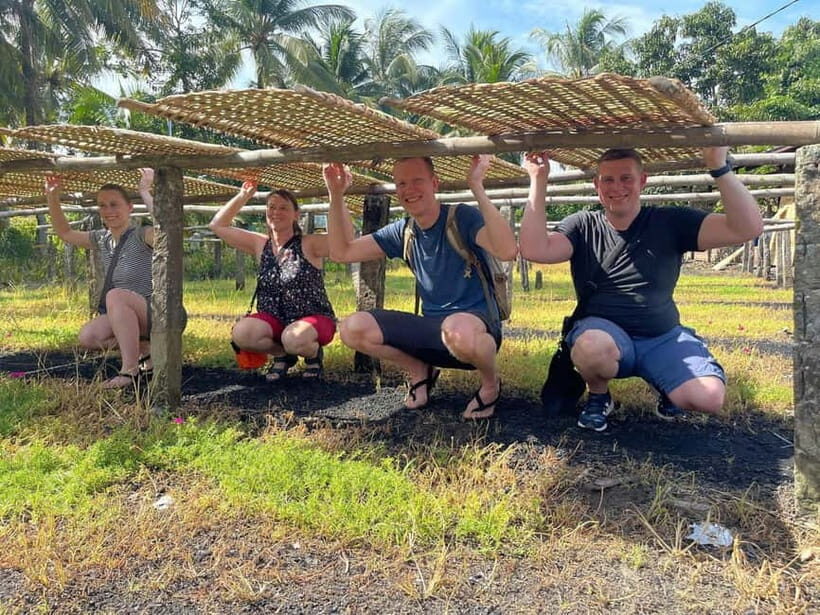
- Cai Rang Floating Market early in the morning, when the boats are still moving and the action is easiest to follow
- Ben Tre coconut island time, with coconut candy tasting plus a short walk in a village setting
- Music and fruit breaks on Cồn Thới Sơn (Unicorn Island), with seasonal tropical fruit and a honey-tea stop
- Can Tho at night as your base city, with free time to wander after you check in
- Truc Lam Phuong Nam Monastery for a calmer break from market bustle
Mekong Delta by the water: what this 2-day plan feels like
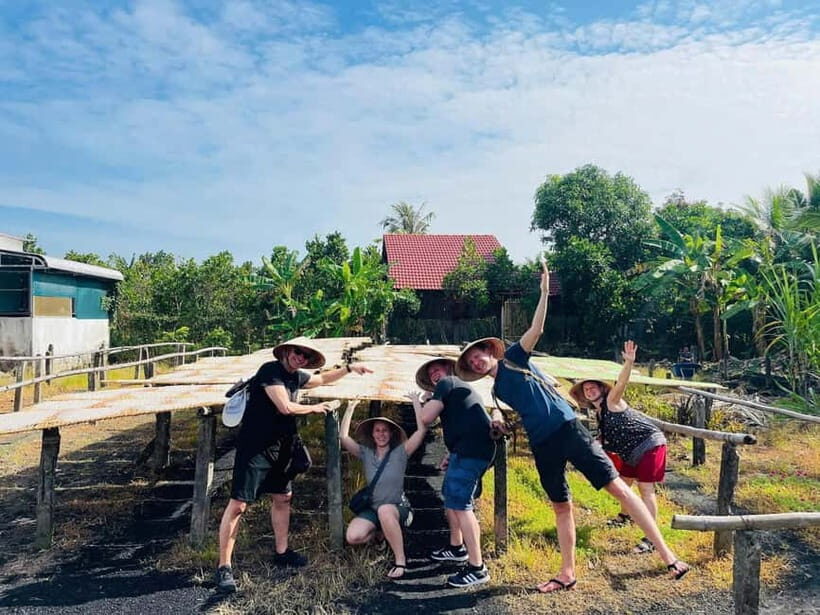
This is a classic Southern Vietnam circuit built around how people actually live: on boats, along canals, and through food trades that start before sunrise. You’ll move from Ho Chi Minh City out to the Mekong’s side channels, then land in Can Tho for your overnight. The best part is that you’re not only looking—you’re eating (fruit, pineapple, lunch), watching (market routines), and getting short cultural stops that add context.
I like that the tour gives you both styles of Mekong life. Daytime is river-and-market energy, but you also get quieter moments like the Truc Lam Phuong Nam Monastery and the big pagoda stop at Vinh Trang. It helps the trip feel balanced rather than just a long day of boats and photos.
If you're still narrowing it down, here are other tours in My Tho we've reviewed.
Starting from HCM City at 7:40: route and pace you should plan for
The day starts at 7:40 AM, with pickup from your hotel in Ho Chi Minh City or a meeting point at 243 De Tham St, District 1. That early start matters. Floating markets work best when you arrive while things are still setting into motion. If you’re used to later starts, you’ll need to accept that you’re trading sleep for a better view of daily river routines.
From there, the plan is a steady flow: road travel to the first river area, then motorboat time, then smaller boats through narrower creeks. Expect a mix of sitting in transit and standing/walking during short village segments. It’s not a marathon, but it’s not slow tourism either. If you get cranky when schedules slip, this kind of tour can feel tight—so keep expectations realistic.
My Tho and Ben Tre: coconut island walks and honey-tea pauses
This part of the trip is where the Mekong stops being just scenery and starts becoming a daily rhythm you can understand.
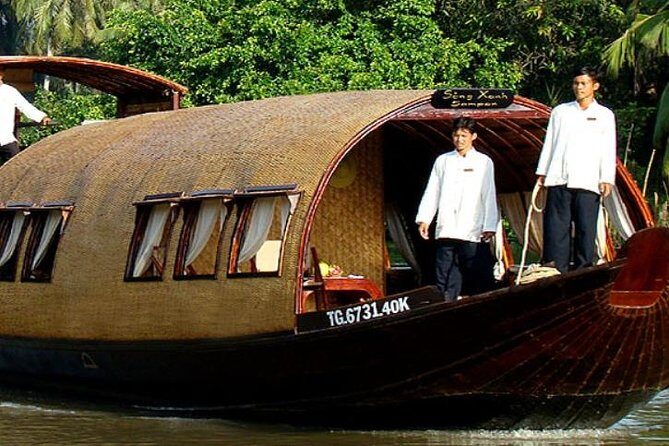
You’ll head from Ho Chi Minh City toward My Tho, then take a boat trip along the Mekong River where you can see fish cages and floating houses. Even if you’ve seen river life photos online, it hits differently when you’re moving past it. It’s also a good introduction before the market day, because it explains why people built livelihoods around water routes.
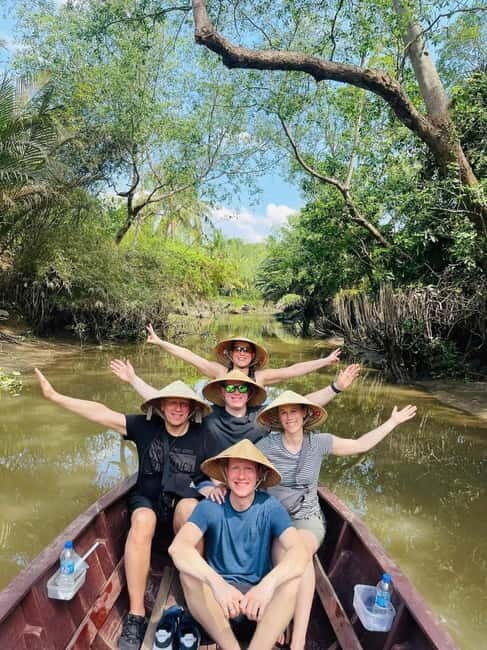
Then comes one of my favorite segments: the smaller-boat cruise through a creek with overhanging coconut trees. The shade and the narrow canal feel like you’ve stepped into a different scale of life—smaller, quieter, more intimate than the big river.
In Ben Tre, you disembark at a coconut island and learn how coconut candy is made. You even get to sample the candies. If you like food stops that are more than a sales pitch, this is the kind of short, structured tasting that feels worth the time. After that, there’s a village walk, and if you want movement, the plan includes the option for a short bike ride around the island.
The honey stop is another good “value for time” moment. You pass a bee-keeping farm and enjoy honey tea. It’s not the kind of thing you’d naturally seek out on your own from a map, and that makes it a smart inclusion for a two-day tour.
Vinh Trang Pagoda and Cồn Thới Sơn (Unicorn Island): culture plus a break from the road
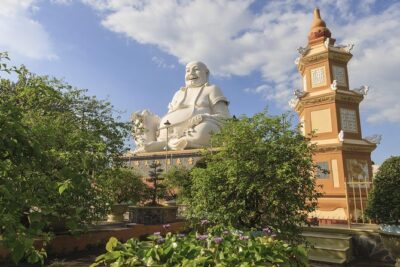
The trip includes Vinh Trang Pagoda, often described as one of the biggest pagodas in the Mekong Delta. Even if you’re not a “pagoda person,” you’ll likely appreciate this stop as a contrast to the water-and-market focus. Big religious sites in Vietnam also tend to be visually striking and help you understand the spiritual side of daily life.
After the Ben Tre segment, the route continues to Cồn Thới Sơn (Unicorn Island). Here you’ll ride by motor car to a performance area where you can hear Vietnamese traditional music, and you’ll taste seasonal tropical fruit. This is basically your built-in recovery from the long travel day. You sit, listen, eat, and reset.
One practical note: performance and fruit stops are timed, so you’ll want to keep water handy and don’t plan on disappearing for long bathroom breaks. But as a recharge moment, it works well.
Ferry and bus to Can Tho: your overnight base and why it helps
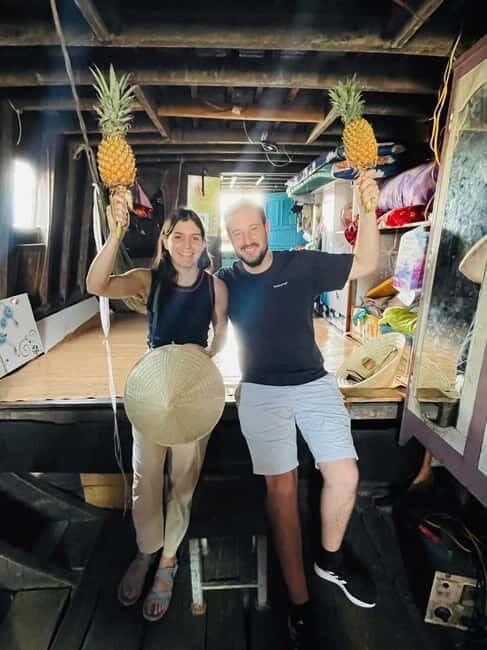
After lunch on Day 1, you travel by ferry and bus to Can Tho, which is the heart of the Mekong Delta for a lot of practical reasons. It’s where you can conveniently reach the floating market area and still have enough services for an overnight stay.
You check in to your included hotel, then you get free time to explore the city. This free window is important. Without it, market trips can feel like a constant blur. With it, you can grab something to eat, walk around, and decide how you want your evening to feel—quiet, casual, or food-focused.
Also, being based in Can Tho helps you catch Cai Rang with less hassle. You’re not trying to do the big market then immediately return to Ho Chi Minh City. Instead, you sleep once, then go back out early.
Cai Rang Floating Market: how to enjoy it without getting overwhelmed
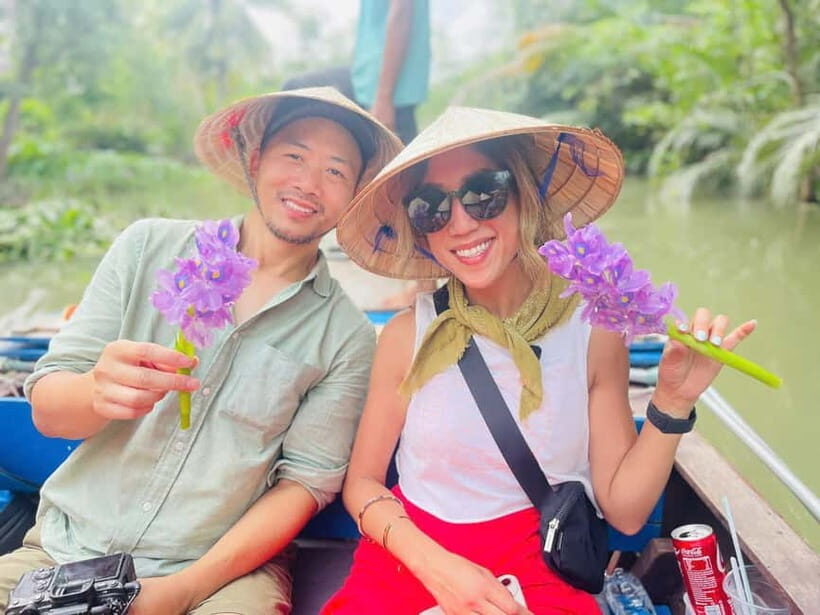
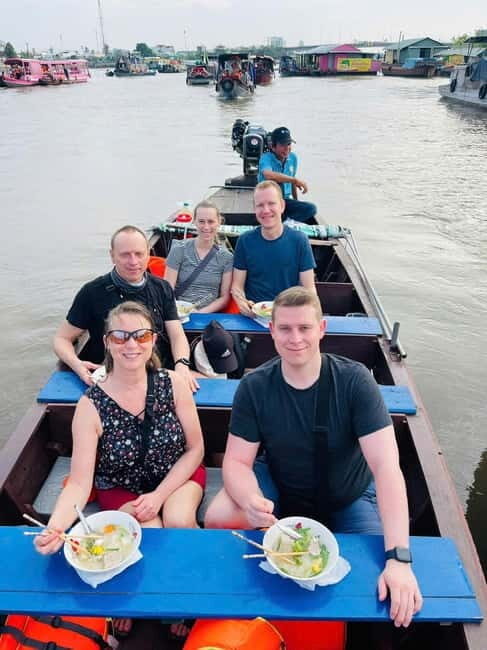
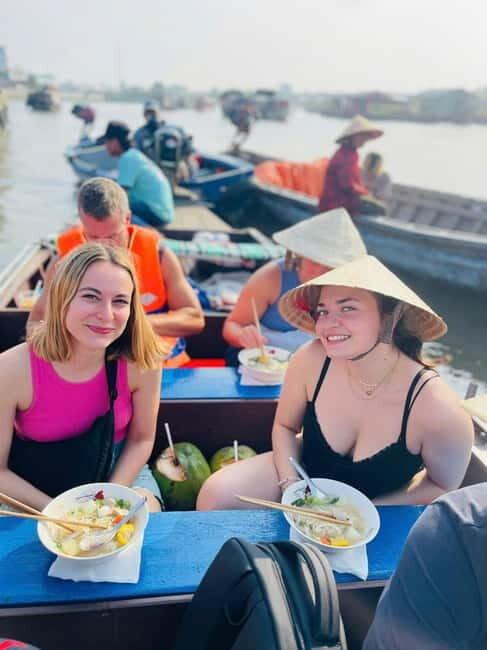
This is the star of the show on Day 2. After breakfast, you go by motorboat to Cai Rang Floating Market, described as the biggest floating market in the Mekong Delta. It earns that reputation. The boats are clustered, trade is visible, and you can actually see how goods move through the water network.
The tour then helps you do two useful things:
1) See the market at close range
2) Understand it through quick supporting food and shop stops
Once you’re back, you roam through a village area and see a rice noodles making shop. That’s a smart pairing with the floating market. You’re looking at what people buy and sell on the water, then you get a glimpse of what’s being processed behind the scenes.
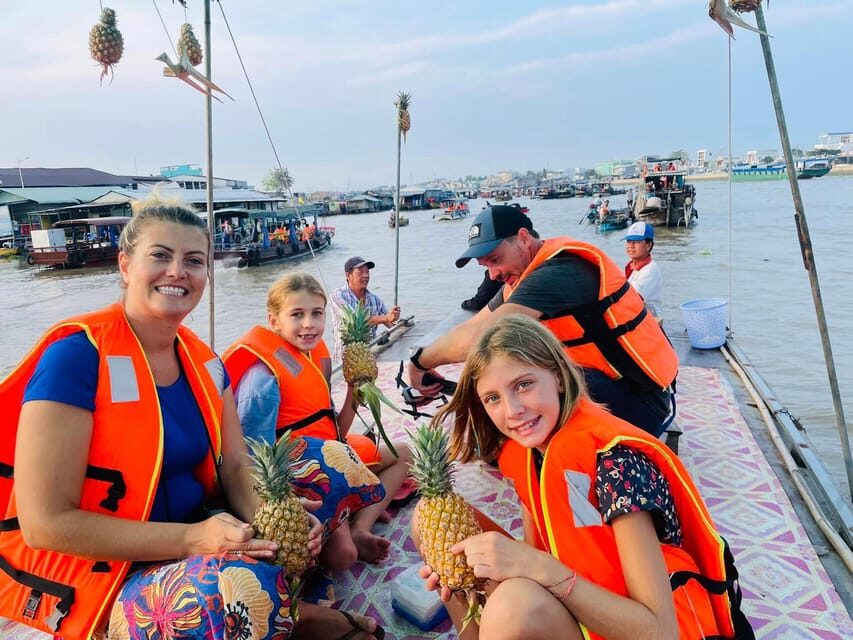
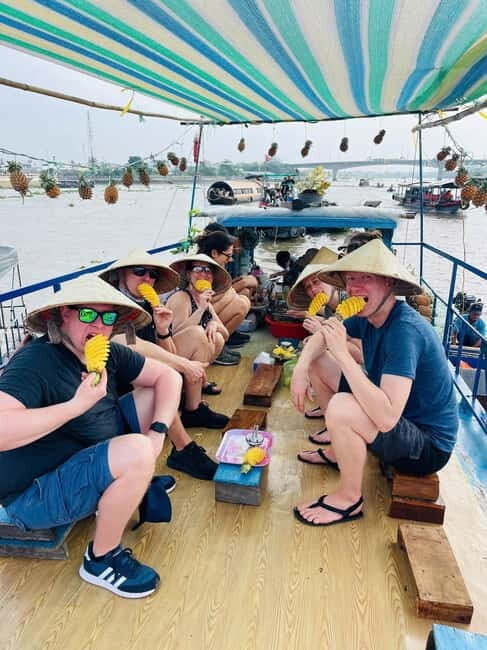
You’ll also get boat time for eating pineapple. Simple, but it fits the setting. You’re not just watching commerce—you’re eating in it.
Next, you visit a traditional market on the shore. This is a good reality check. Even if the floating market is the headline, many day-to-day transactions happen on land too. The shore market lets you compare the two styles and understand how people shift between water and street selling.
If you want the most enjoyable experience, arrive ready to focus. Cai Rang can feel visually busy, so keep your phone for short bursts and spend more time noticing routines—how boats pull in, how people interact, and what items are being handled.
Truc Lam Phuong Nam Monastery and Can Tho on land: a calmer end to the trip
After the market segment, you switch gears. The tour visits Truc Lam Phuong Nam Zen Monastery, which is a helpful counterbalance to the busy water scenes. Monasteries usually slow you down by design: fewer crowds in the same way as markets, more space to look, and a different rhythm to how people move through the site.
Lunch is at My Khanh restaurant. Then you walk in a tourist village area where you can see interesting games played by local people. This part is more informal and playful. It’s the sort of activity that can feel a little “performative” depending on your expectations, but it’s also a chance to interact with everyday local pastimes rather than only viewing monuments.
Finally, you head back toward Ho Chi Minh City, arriving at 5:30 PM. That return time matters. It gives you a full travel day, but you still end with enough daylight that you can transition back to normal city life without feeling completely wiped out.
Price and value: is $88 fair for two days in the Mekong Delta?
At $88 per person for a 2-day / 1-night experience, this price can make sense—especially because the major costs are already handled for you.
Here’s what’s included in a practical sense:
- Transportation with an English-speaking tour guide
- Entrance fees
- Meals (lunches), plus breakfast on Day 2 per the schedule
- Tropical fruit and a bottle of water
- Hotel for the overnight in Can Tho
Where your money likely goes is time-saving logistics. You’re crossing water and moving between different zones—My Tho, Ben Tre, then Can Tho, then Cai Rang—without having to organize separate tickets, boats, and timing yourself. For many people, that’s the true value of a two-day group tour: less planning stress, more coherent flow.
What’s not included is also worth noting:
- Drinks
- Any holiday surcharges in Vietnam
- Single room surcharge if you’re traveling alone
- The listing also flags boat ride as not included, even though you do have multiple boat segments described. If you want zero surprises, confirm with the provider what’s covered by your ticket.
Overall, I’d call the value fair if you want guided structure and you’ll actually use the included meal and hotel components. If you’re the type who only wants the floating market and nothing else, then you might feel the rest of the stops are “extra.” But if you like a full Mekong sampler, it’s a strong deal.
Who this trip suits best (and who should think twice)
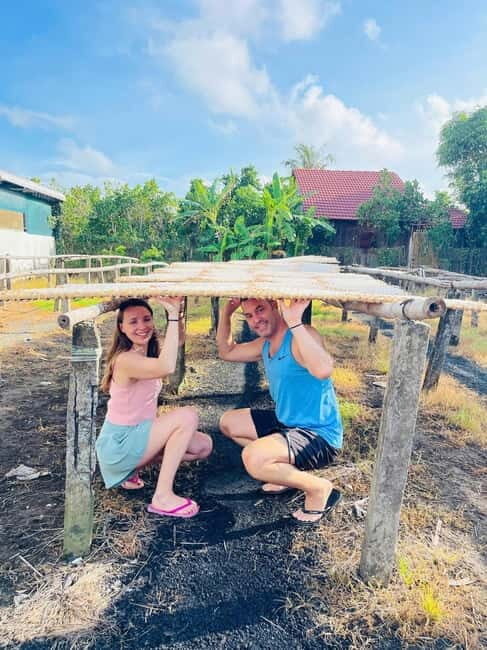
This tour fits best if you:
- Want Cai Rang Floating Market plus a Ben Tre coconut island experience in one trip
- Prefer a guide who keeps the timing organized and helps you connect the dots between water trading and food production
- Don’t mind early mornings for better market views
It might not be ideal if you:
- Get easily bothered by loud audio on boats (one experience noted karaoke on the boat being too much)
- Prefer a slower, more open-ended itinerary with less switching between boats and buses
- Have limited stamina for short walks and frequent transitions
Should you book this tour?
If you’re planning only two days in the region and you want the Mekong Delta to feel real—not just a single market photo session—this is a smart booking. I especially like the way it layers experiences: river life in the My Tho area, food-focused coconut and honey moments in Ben Tre, then the big headline market at Cai Rang, finishing with a more peaceful temple visit at Truc Lam Phuong Nam.
One last thought before you commit: if you’re sensitive to noise, be ready for the possibility of karaoke during boat time. For many people it’s part of the group atmosphere, but if you’d rather avoid that, plan for a low-stimulation moment or bring something like ear protection.
If that doesn’t bother you, you’ll come away with a very complete two-day feel for the Mekong Delta—water, food, and culture in the same package.
FAQ
How long is the tour?
It runs for 2 days, including an overnight in Can Tho, starting at 7:40 AM and returning at 5:30 PM the next day.
Where does pickup happen in Ho Chi Minh City?
Pickup is available from your hotel in Ho Chi Minh City, or you can meet at 243 De Tham St, District 1.
What are the main stops on Day 1?
Day 1 includes the trip from Ho Chi Minh City to My Tho, a boat ride on the Mekong River, a canal ride through coconut trees, a coconut island in Ben Tre for coconut candy and village time, lunch, and onward travel to Can Tho.
What happens on Day 2?
Day 2 starts with breakfast, a motorboat trip to Cai Rang Floating Market, stops including a rice noodles making area and pineapple eating on a boat, a traditional market on the shore, and a visit to Truc Lam Phuong Nam Zen Monastery before returning to Ho Chi Minh City.
Is hotel included?
Yes. The tour includes an overnight hotel stay in Can Tho.
Are meals included?
Lunch is included, and Day 2 also includes breakfast per the schedule. Drinks are not included.
Is there an English-speaking guide?
Yes, the tour includes an English-speaking tour guide.
What is not included in the price?
Drinks are not included. The tour also notes possible holiday surcharges in Vietnam, and a single room surcharge if you travel alone. The listing also flags boat ride as not included, so it’s worth confirming what boat segments your ticket covers.