REVIEW · HO CHI MINH CITY
From Ho Chi Minh: 3-Day Mekong Tour&Cai Rang Floating Market
Book on GetYourGuide →Operated by Travel over the world · Bookable on GetYourGuide
A river trip in the Mekong Delta hits different. This 3-day route from Ho Chi Minh City strings together Cai Rang Floating Market, the Tra Su Forest, and the sights around Chau Doc and Sam Mountain, with plenty of boat time and hands-on village life. I especially love how the days mix food, culture, and nature, not just photo stops, and how the pacing gives you real contact with local routines.
Two things stand out right away: the tour consistently pairs you with friendly guides such as Vi, Daisy, Lâm, or Leo, and the experiences feel varied, from coconut candy demos to temple caves. One possible drawback: mornings are early (often around 6:00), and accommodation is not included in the base $189 price, so you’ll want to plan your lodging separately.
In This Review
- Key things to know before you go
- Cai Rang and Chau Doc feel like Mekong life, not a postcard
- Day 1: Cai Be by Tien River, orchards, village houses, and snack stops
- Day 2: Cai Rang Floating Market morning, Khmer pagoda, and Tra Su’s mangrove row
- Day 3: Cham village life, Chau Doc Market, Sam Mountain temples, and lotus photos
- Price and logistics: is $189 good value for what you get?
- Who should book this tour, and who should think twice?
- Small but important booking checks before you pay
- Should you book this 3-day Mekong and Cai Rang tour?
- FAQ
- How long is the Ho Chi Minh to Mekong Delta tour?
- Does the tour include Cai Rang Floating Market?
- Do you visit Tra Su Forest?
- Which markets and villages are included in Chau Doc?
- Are boat rides included?
- Is bicycle rental included?
- What meals are included?
- Is accommodation included in the price?
- What about solo travelers needing a single room?
- Is the guide English-speaking?
Key things to know before you go
- Cai Rang is a morning priority: you’ll get time to see the floating market early, plus a noodle factory stop nearby.
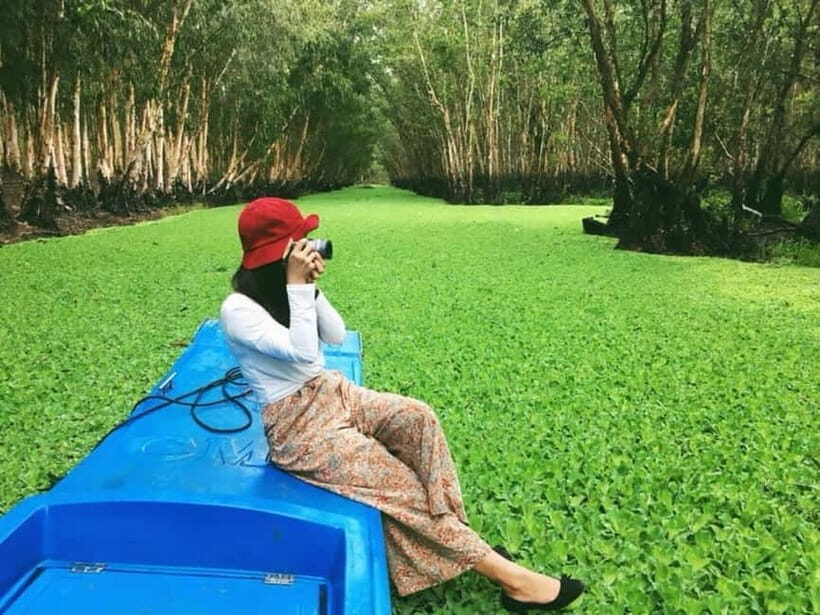
- Tra Su is best on a rowing boat: the mangrove forest portion is about quiet movement through the green waterways.
- Your day includes real village stops: orchards, canals, ancient houses, and family-run food production show up more than once.
- Chau Doc adds temples and markets: expect Khmer and Buddhist sites plus a market where you’ll see local produce and Cambodian imports.
- Comfort depends on your room plan: the tour includes a Can Tho overnight, but your lodging cost may be separate from the $189 rate.
Cai Rang and Chau Doc feel like Mekong life, not a postcard

This tour is built around places where the river still matters for daily work. You’ll spend real time on boats and along channels, then switch gears to markets, pagodas, and village culture. That mix is what makes the Mekong Delta click, because you see how people eat, trade, pray, and travel all in the same few days.
I like that you’re not stuck in one theme. Day 1 leans toward countryside routines and fruit culture in and around Cai Be, Day 2 is about floating market energy plus the mangrove calm of Tra Su, and Day 3 turns toward cultural sites around Chau Doc and Sam Mountain. It’s also a good match if you want strong structure without feeling locked in.
The main thing to weigh is that the schedule moves. You’ll be up early and switching locations often, so if you hate early mornings or long ride days, this route may feel like a lot.
Other Cai Rang floating market tours we've reviewed

Day 1: Cai Be by Tien River, orchards, village houses, and snack stops
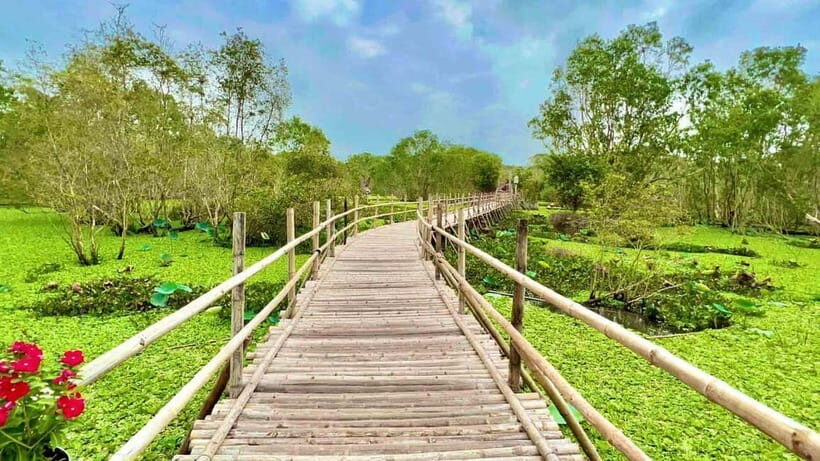
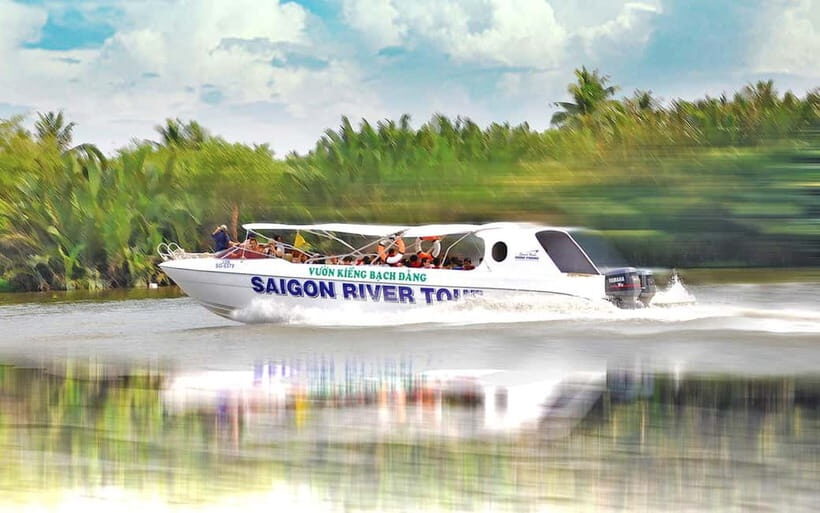
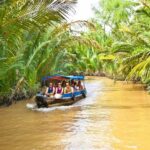
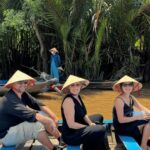
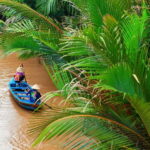
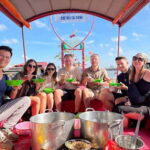
Your day starts with a 07:30 pickup in Ho Chi Minh City and a ride out to Cai Be. Once there, you get boat time on the Tien River, which is the right first move for the Mekong Delta: it gets you into the water-and-channel mindset immediately.
In Cai Be, the tour focuses on what the area is known for: orchards and villages along the Lower Mekong. You’ll explore fruit-garden scenery, pass through charming villages, and get to see ancient houses such as Ba Kiet’s ancient house. There’s also a stop tied to local food production, including a family business making coconut fudge and crispy rice popcorn—exactly the sort of detail you remember later.
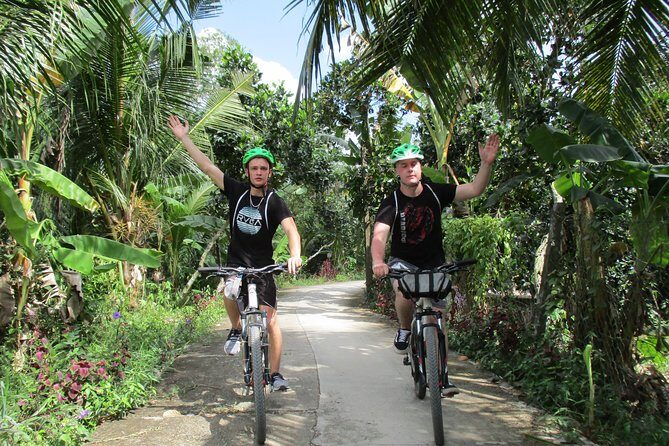
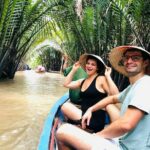
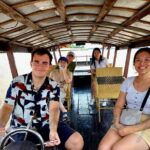
A few parts of Day 1 feel especially practical for first-time visitors. You’ll taste fresh fruit, hear Southern Vietnamese folk music, and then do some paddling through scenic canals in the Upper Mekong Delta. You also get bicycle time to cycle through orchards and interact with islanders about daily life, which is a far more grounded way to understand the region than just watching from the roadside.
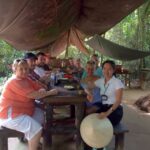
For lunch, you’ll eat Vietnamese specialties in a local garden setting. This is one of those moments where the tour quietly pays off: you’re not just transported to lunch, you’re in the place where food and daily routine happen. Then you return by boat to Cai Be before continuing to Can Tho for the overnight stay.
Heads-up about lodging: the overnight in Can Tho is part of the trip, but accommodation is listed as not included in the $189 price. The reviews mention hotels chosen by the company being comfortable with strong breakfasts, so in practice you may still end up with a booked hotel—just confirm how your exact booking prices the room.
Day 2: Cai Rang Floating Market morning, Khmer pagoda, and Tra Su’s mangrove row
Day 2 starts early, with breakfast at the hotel followed by a boat ride to explore tributaries of the Hau river. The timing matters here. You’ll head out before the day’s crowds fully build, which makes Cai Rang Floating Market feel less chaotic and more like a working river scene.
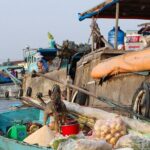
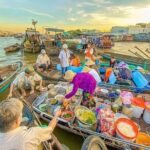
When you reach Cai Rang, you’ll experience the market from the water—boats lined up, sellers doing business, and everyone moving with the flow. It’s not just about taking photos; you also get context. You’ll do a walking tour of a local noodle factory, then visit Munir Ansay Pagoda, a well-known Khmer temple with unique architecture. That pagoda stop adds a different layer to the day because you’re seeing how Khmer heritage shows in the Mekong region.
Next, the tour shifts to Con Son tourist area for a fruit plantation and seasonal fruits. This part works well if you like tasting and seeing food at the source, not just eating it after it’s been processed.
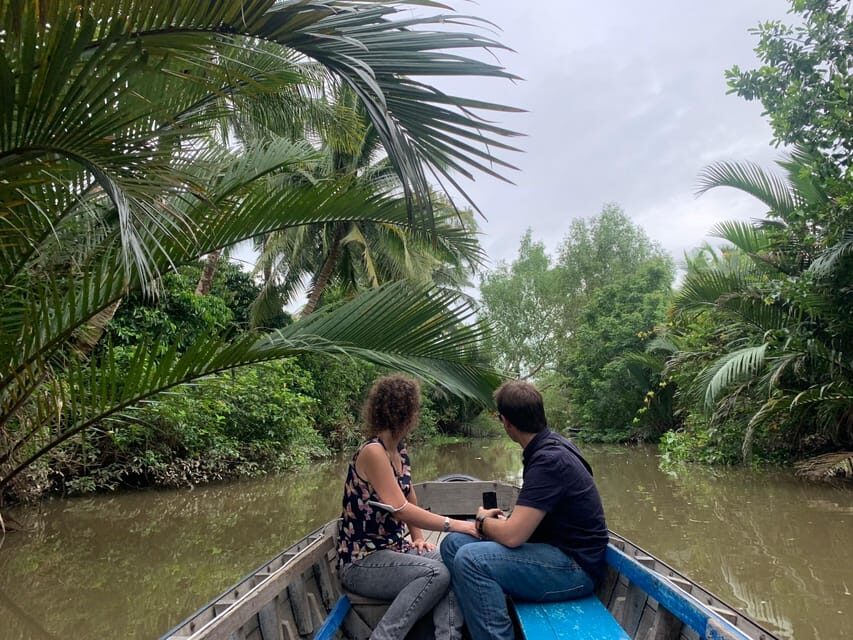
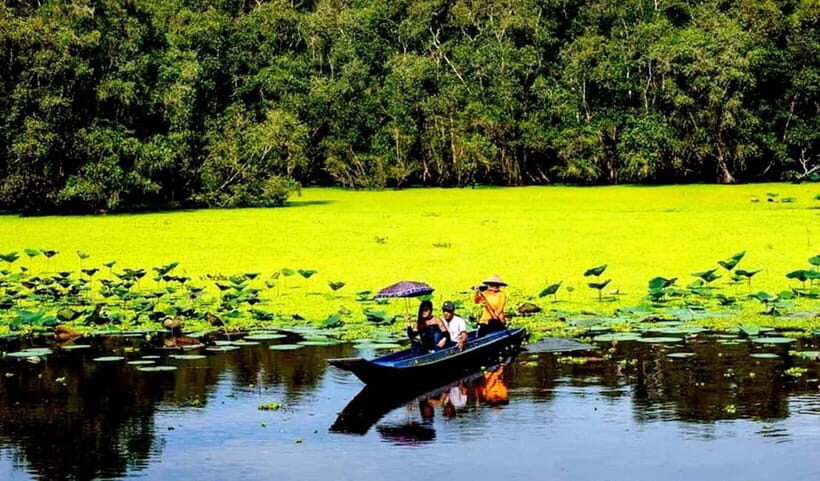
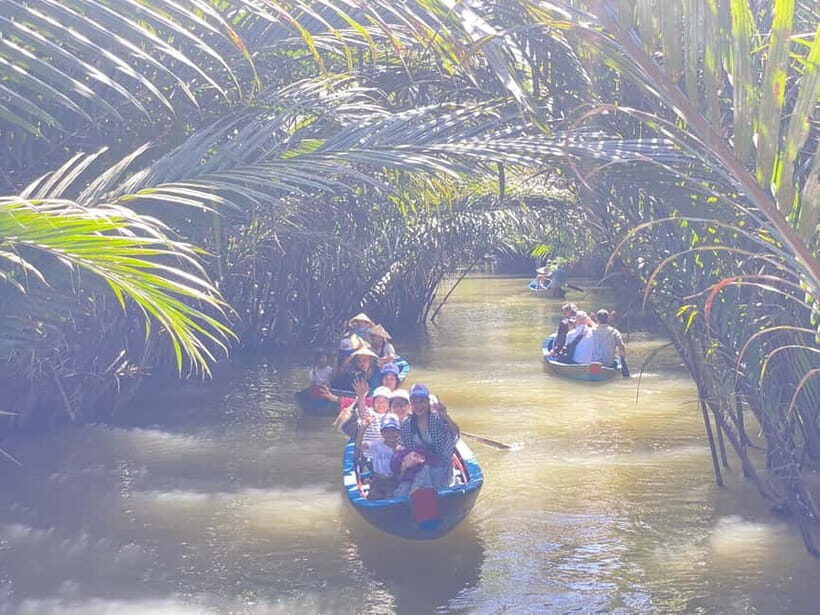
You’ll have lunch, then travel to Chau Doc, where the pace slows for nature. The big highlight is Tra Su Forest in An Giang, known for its mangrove ecosystem and diverse plant and animal life. Here you’ll take a rowing boat journey through the forest, which is a real change from the busy river activity of Cai Rang. It’s the sort of contrast that makes the whole route feel balanced.
After Tra Su, you check in and end with dinner at a local restaurant. In other words: Day 2 gives you both motion and quiet—market energy in the morning, then a slower, greener experience later.
One practical note based on the schedule logic: if you’re the type who most wants floating markets, prioritize the morning Cai Rang slot. The trip design already does that for you, and it’s the one part that really benefits from early timing.
Day 3: Cham village life, Chau Doc Market, Sam Mountain temples, and lotus photos
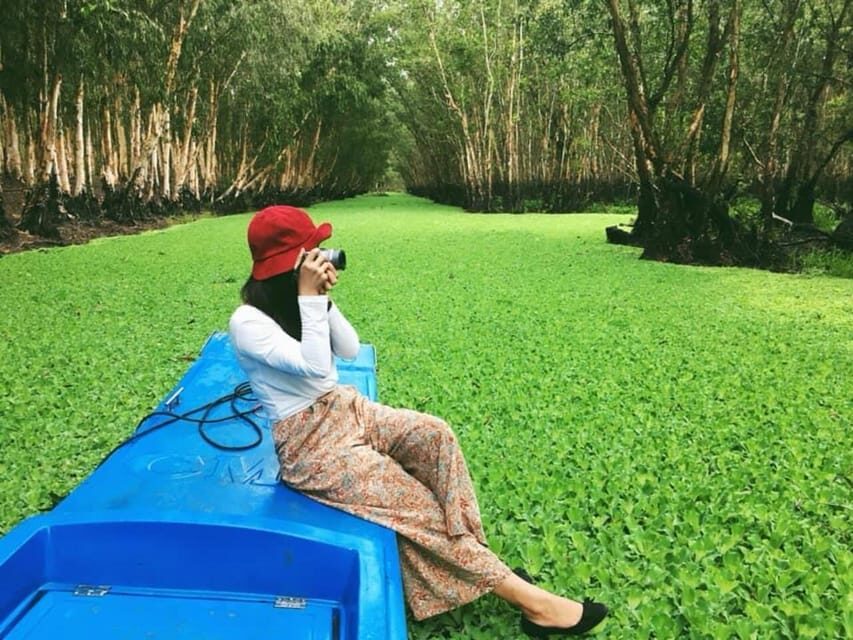
Day 3 also begins around 6:00, with breakfast and then a visit to the floating village and the Cham Village. This is one of the most meaningful stops on the tour because it highlights cultural heritage shared between the Cham people and the Mekong Delta region. Even if you only spend a short time here, it helps you connect the food-and-trade story from earlier days to community life and identity.
Then you head to Chau Doc Market, which is where the tour turns fully into everyday browsing. You’ll see fresh produce, handcrafted goods, and even Cambodian imports. If you like markets, you’ll appreciate that it’s not just souvenirs. You’ll also have time to smell the local delicacies and soak up the energy of the place.
After lunch time at a restaurant, the tour climbs into temple country with a visit to Hang Temple on Sam Mountain. You’ll follow a path surrounded by greenery and then reach a quiet sanctuary inside a cave. The highlight here is the intricate Buddhist sculptures, which give you something crafted and detailed after all the movement of markets and boats.
From there, you pay respects at Ba Chua Xu Temple. This is a sacred site locals revere, and you can offer prayers for good fortune. The emotional tone shifts here again, from shopping and sightseeing to reverence and reflection.
Then comes one of the photo-friendly parts of the day: time to capture lotus fields in full bloom. Finally, you visit Go Thap, a historical site in the Dong Thap area. It’s a fitting last stop because it adds a sense of place and time depth before you head back toward Ho Chi Minh City.
Price and logistics: is $189 good value for what you get?
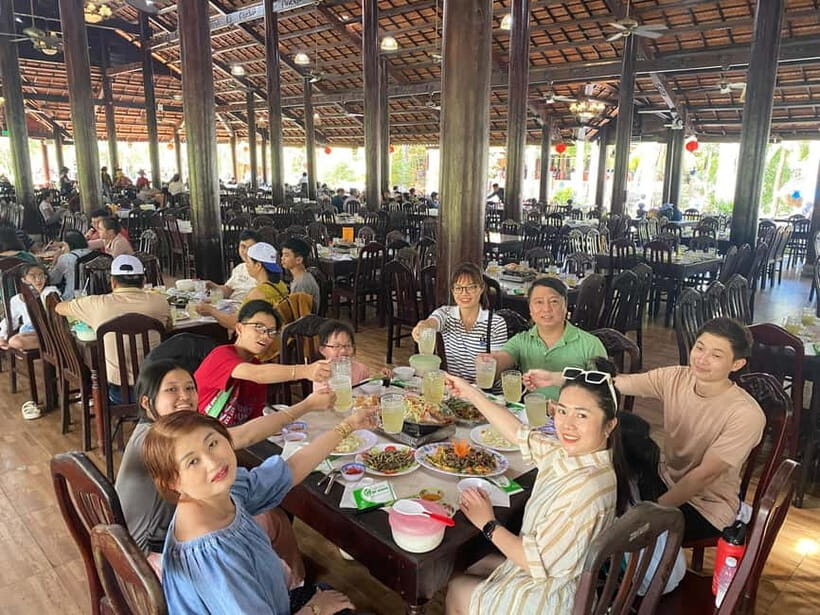
At $189 per person, the headline value is the amount of included transportation and guided time for only three days. You’re getting transfers, boat rides, bicycle rental, entrance fees to all sites, and an English-speaking guide. That matters in the Mekong Delta because self-arranging boats and multi-site routing can quickly become messy and time-consuming.
The biggest cost clarifier is accommodation. Your base rate is listed without lodging, and there’s also a note that if you travel alone and need an extra single room, it’s 900,000 VND. So the true total depends on whether your booking bundles the hotel stay. The itinerary includes an overnight in Can Tho, so you should expect to pay for that bed one way or another.
Where this tour feels like a good deal is the mix of included activities. You’re not paying extra line by line for boats, pagodas, markets, orchards, and entry fees. The group setup also helps you avoid timing headaches—especially on days like Day 2, where Cai Rang morning timing and the Tra Su row-boat experience both matter.
If you want maximum value, the best strategy is simple: go with the schedule and let it do the routing work for you. If you start skipping pieces, you lose the “bundle effect” that makes the price feel right.
Other Mekong floating market tours we've reviewed
Who should book this tour, and who should think twice?
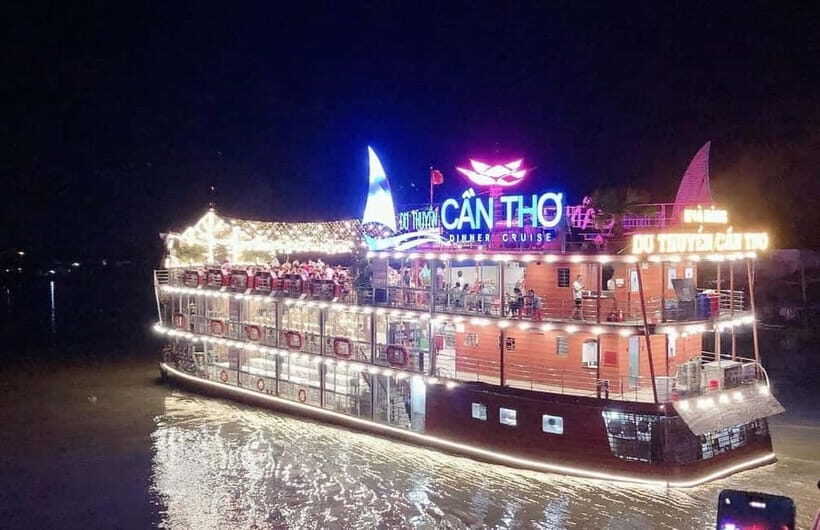
This is a strong choice if you want an organized, English-guided introduction to the Mekong Delta that still includes hands-on moments. It fits couples, solo travelers, and small groups who enjoy markets, food, temples, and water-based sightseeing in a tight time window. It also sounds like a good fit for people planning to continue onward, because one review mentioned the guide reorganized the schedule when everyone was going to Cambodia afterward so key items weren’t missed.
It may be less ideal if you prefer slower travel with fewer transfers. The early starts are real, and the days are packed with different kinds of activities: boats, bicycles, walking tours, temple visits, and market time.
Also consider your comfort with mornings. If you’re the kind of person who hates getting out of bed early on vacation, you might find the 6:00 starts on Day 2 and Day 3 harder than expected.
Small but important booking checks before you pay
Before you confirm, I’d check three things:
- Whether your booking price includes the Can Tho overnight or if you’re expected to pay lodging separately.
- Whether you’ll need a single room supplement (the extra single room cost is listed as 900,000 VND for solo travel).
- What you like most: floating markets and river scenes, mangroves, or temple caves. This tour does all three, but your enjoyment will depend on what you care about most.
The guide support is another reason to book with confidence. Reviews highlight guides such as Vi, Daisy, Lâm, and Leo as friendly and responsive, and that English support can make a difference when you’re trying to understand Khmer temples, Cham heritage, and what you’re seeing in the market.
Should you book this 3-day Mekong and Cai Rang tour?
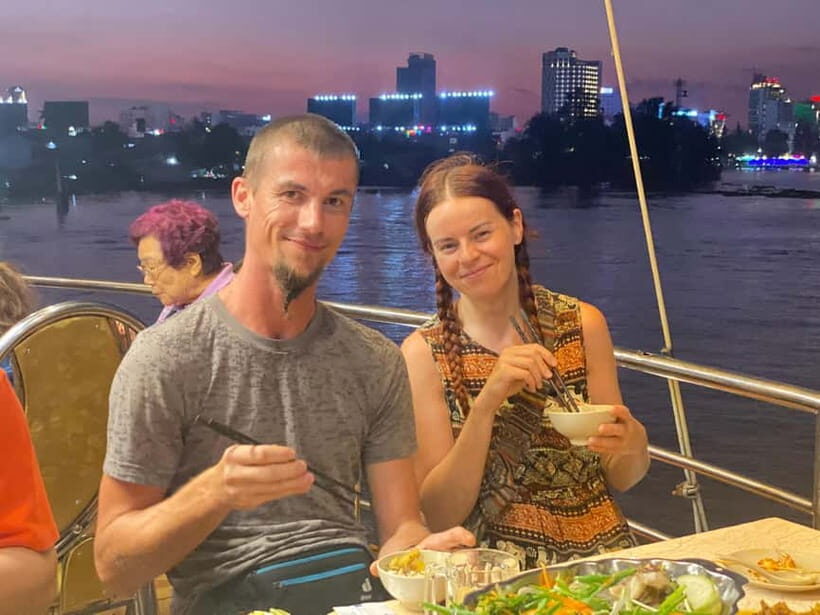
Yes, if you want a well-paced introduction to the Mekong Delta that covers the big emotional hits: river life at Cai Rang, the quiet mangrove row at Tra Su, and Chau Doc’s cultural sites. The tour’s value comes from how much is included—boat time, entrances, bicycle rental, and an English-speaking guide—without nickel-and-diming you for the core experiences.
I’d say think twice if you’re a slow-travel person who wants long stretches of free time, or if you’re sensitive to early starts. This trip is structured on purpose, and it moves.
If you do book it, lean into the day rhythms: take the early Cai Rang morning as your anchor, enjoy the contrast of Tra Su’s mangroves later, and plan for a temple-heavy final day around Sam Mountain and Chau Doc.
FAQ
How long is the Ho Chi Minh to Mekong Delta tour?
It runs for 3 days, visiting Cai Be and Can Tho, then Cai Rang Floating Market and Tra Su Forest, and finally Chau Doc and Dong Thap before returning toward Ho Chi Minh City.
Does the tour include Cai Rang Floating Market?
Yes. You’ll visit Cai Rang Floating Market on Day 2 during a morning boat ride and market exploration.
Do you visit Tra Su Forest?
Yes. On Day 2 you’ll go to Tra Su Forest in An Giang and take a rowing boat journey through the mangrove forest.
Which markets and villages are included in Chau Doc?
On Day 3 you’ll visit Chau Doc Market, plus the floating village and the Cham Village.
Are boat rides included?
Yes. Boat rides are included, including a Tien River ride on Day 1 and river boat travel and market access on Day 2.
Is bicycle rental included?
Yes. Bicycle rental is included during the Day 1 orchard and village area portion.
What meals are included?
Lunch and dinner are included on selected days. Day 2 is listed as B/L/D, and Day 3 as B/L.
Is accommodation included in the price?
Accommodation is listed as not included. The route includes an overnight in Can Tho, so you’ll need to plan lodging separately or confirm what your booking includes.
What about solo travelers needing a single room?
There is an extra single room cost listed as 900,000 VND when you travel alone.
Is the guide English-speaking?
Yes. The tour includes an English-speaking guide and entrance fees for all sites.