REVIEW · HO CHI MINH CITY
Mekong Delta 2 Days: Floating Markets & Cultural Exploration
Book on GetYourGuide →Operated by MILLENIUM TRAVEL CO.,LTD · Bookable on GetYourGuide
Two days in the Mekong Delta makes it feel real fast. I like the combo of boat time in Cai Be canals and hands-on village activities that go past photos. I also love the Cai Rang Floating Market on Day 2 because it shows how locals shop and trade. One thing to keep your expectations grounded: some meals can land as just okay, not amazing.
What makes this itinerary work is the rhythm. You start with river life in the Upper Mekong, then sleep in Can Tho, then return with a calmer, more focused route for the Lower Mekong and its signature sights.
The practical side is solid too. You get an English-speaking guide, entrance fees, and meals (1 breakfast, 2 lunches), plus an overnight stay so you are not rushing every hour. If you hate early mornings or want a perfectly smooth return time, plan around traffic because the pickup timing for the end of the tour can vary.
In This Review
- Key Things To Know Before You Go
- Why This 2-Day Mekong Delta Route Works
- Meeting Point, Pickup Options, and Getting Oriented Fast
- Day 1: Cai Be Canals, Old Trading Habits, and Tan Phong Island Pace
- Paddling Through Small Canals and the Garden Lunch You Help Cook
- Cycling Orchards and Visiting Ba Kiệt’s Ancient House
- Day 2: Cai Rang Floating Market in the Morning, Plus Noodle Factory and Fruit
- Munir Ansay Pagoda and a Khmer Temple Stop That Adds Real Culture
- Price and Value: What $112 Covers (and Where Costs Can Surprise You)
- Guide Quality: Why Names Like Lilly, Peter, and Yudi Matter
- Who Should Book This, and Who Should Skip It
- Practical Tips: What to Bring, Temple Dress, and Staying Comfortable
- Should You Book This Mekong Delta 2 Days Tour?
- FAQ
- How long is the Mekong Delta tour?
- What is the meeting point in Ho Chi Minh City?
- Does the tour include hotel pickup?
- Is there an overnight stay included?
- What meals are included?
- Are entrance fees included?
- Are boat trips included?
- What language is the guide?
- What should I wear for the pagoda visit?
- Who should avoid this tour?
Key Things To Know Before You Go
- Cai Be first, Can Tho overnight: the route uses an overnight stop so you see more than just a day-trip loop
- Family workshops and orchard time: you are not only on boats; you cycle and learn how locals make food
- Ba Kiệt’s ancient house: a direct look at traditional village life and daily rhythms
- Coconut fudge and crispy rice popcorn: small tastings help you connect the story to real local snacks
- Cai Rang Floating Market: it is the headline market, plus a Khmer pagoda and more fruit/river visits
- Guide quality matters: the best parts of the trip hinge on the guide, and names like Lilly, Peter, and Yudi come up in feedback
Why This 2-Day Mekong Delta Route Works
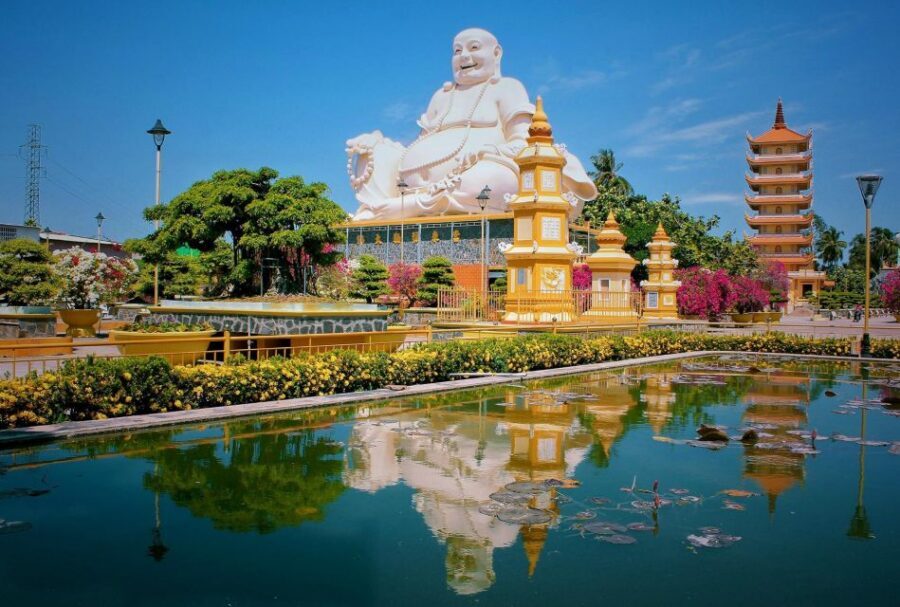
This is a classic Vietnam river experience, but it is built with variety. Day 1 leans into quiet canals, orchards, and village craft. Day 2 leans into the famous floating market area plus cultural stops around Can Tho.
I like that you get real “how people live” moments, not just a checklist. You paddle through smaller canals, watch local food making, and even cook part of your lunch in the garden setting. Those details matter because the Mekong Delta is not one big river show. It is orchards, family businesses, and daily transport on water.
The overnight in Can Tho also changes the feel. Instead of finishing the whole trip and driving back the same day, you reset. Reviews specifically call out that the Can Tho accommodations help you feel better for Day 2, which is a big deal when you start early.
Other Mekong floating market tours we've reviewed
Meeting Point, Pickup Options, and Getting Oriented Fast
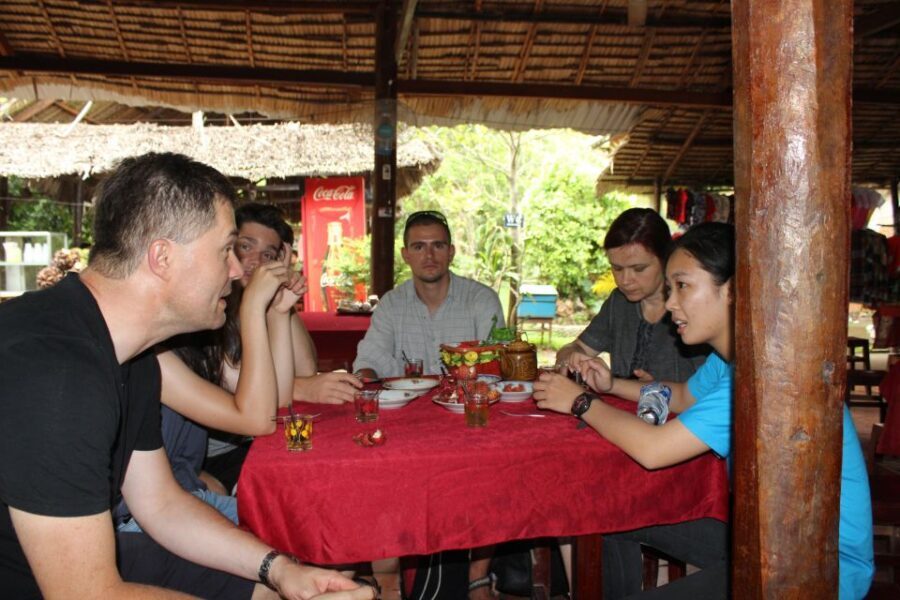
Most people will meet at 112 Tran Hung Dao Street, Ben Thanh Ward, District 1, Ho Chi Minh City at 07:30. Arrive at least 10 minutes early. If you are using the self-arrival option, that’s your main anchor point for timing.
Pickup is optional if you stay in central District 1 areas, including Ben Thanh Ward, Cau Ong Lanh Ward, and part of Saigon Ward. If your hotel is on streets like Nguyen Binh Khiem Street, Nguyen Huu Canh Street, or in Tan Dinh Ward, that pickup service is not included. When you book, you are asked to provide your hotel name and address for the pickup arrangement.
One more timing reality: the return time is subject to traffic conditions, and the local operator is not responsible for delays. In practice, that means your end-of-day plan in Ho Chi Minh City should stay flexible.
Day 1: Cai Be Canals, Old Trading Habits, and Tan Phong Island Pace
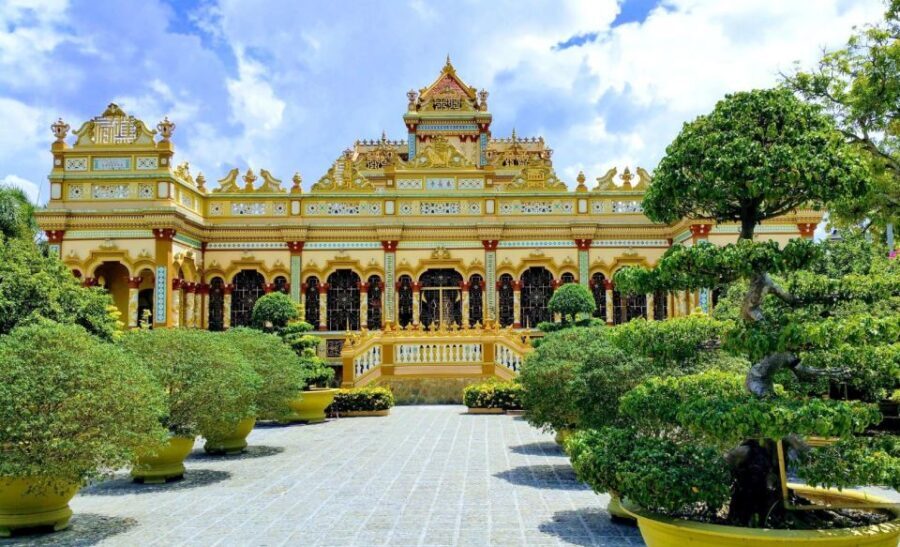
Day 1 starts with a pickup from your Ho Chi Minh City hotel (or you reach the meeting point), then the drive toward Cai Be. Once you arrive, you go by boat to see a former site connected to a well-known wholesale floating market on the Tien River. The point here is not a museum stop. It is a way to understand how trade and daily movement changed as more land transport and modern agriculture took over.
Then the itinerary slows down into small villages and family life. You will pass through areas where orchards shape the view, and you can feel why this region is often described as the fruit basket of the lower Mekong system. In a place like this, timing is everything—being there earlier in the day tends to make the canals feel less rushed and more watchable.
You also get a short family business visit, where locals make coconut fudges and crispy rice popcorn. I find these stops useful because they connect the Mekong Delta to the food you actually see at markets later. Small tastings are more valuable than long speeches.
Paddling Through Small Canals and the Garden Lunch You Help Cook
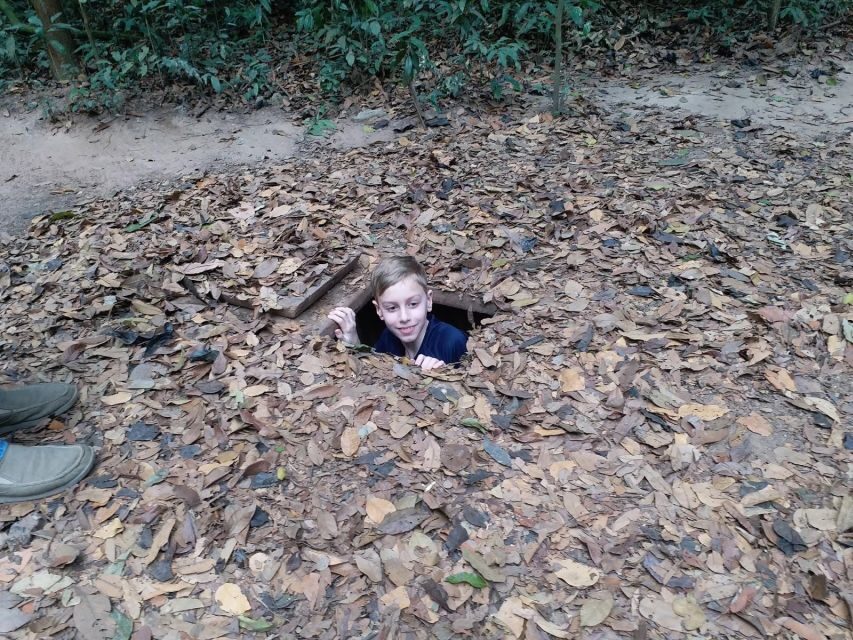
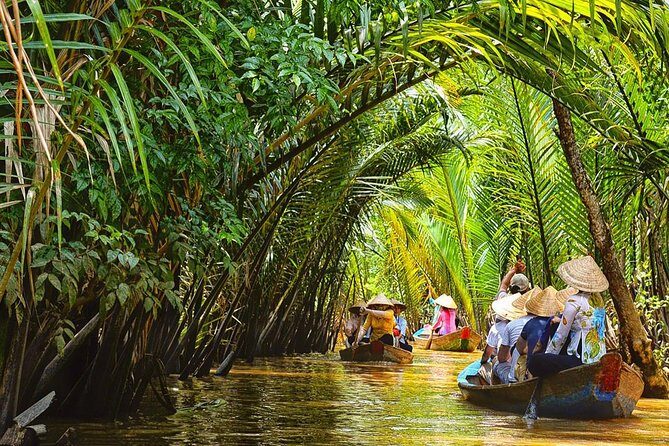
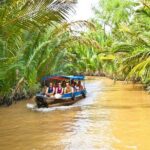
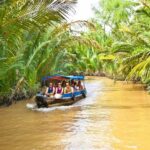
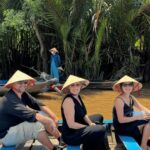
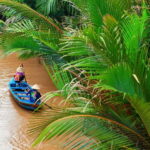
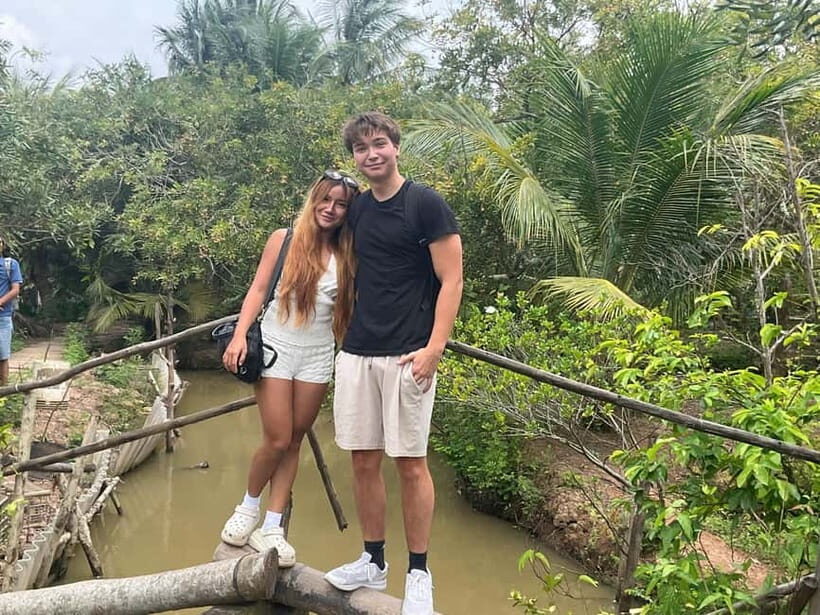
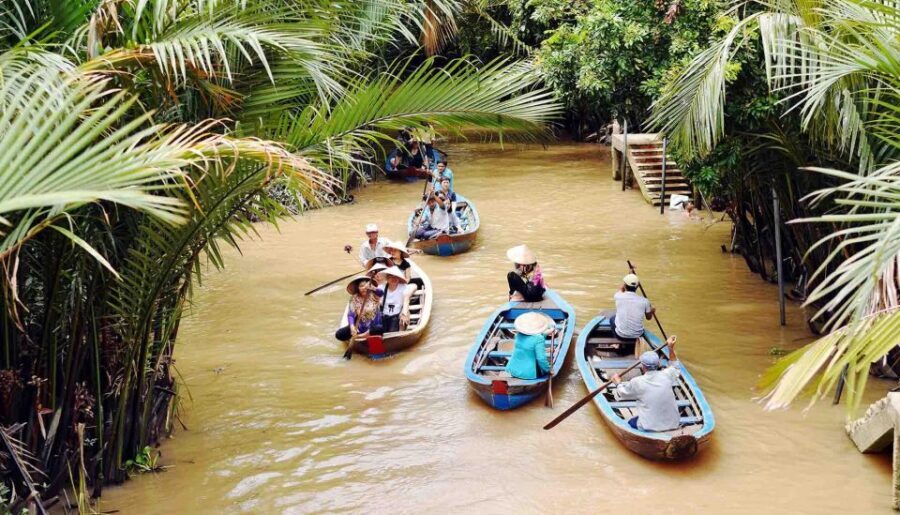
After the village walking, you move into the canals by sampan and small waterways. This is one of the most “you are inside the delta” parts of the trip. You look around, unwind, and get a sense for how close homes, gardens, and water routes really are.
Music and food both show up here. The plan includes time with Southern Vietnamese folk music as part of the slower rhythm of the area. It is not just background noise. It helps you understand that daily life on the river comes with its own tempo, and that tempo is different from busy city Vietnam.
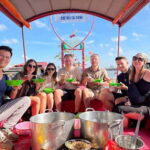
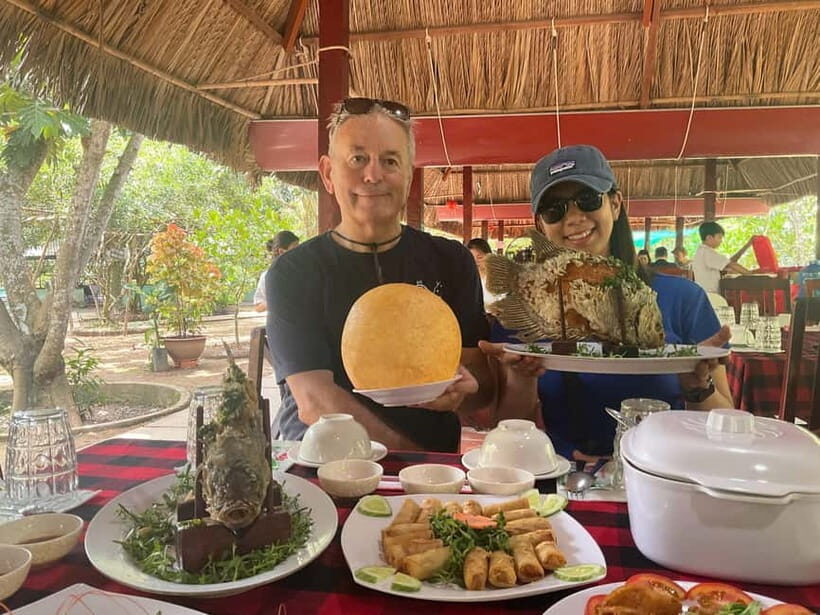
Lunch is a standout in the itinerary. It is cooked on your own and served in the heart of a local garden. You are not just eating; you are doing. That hands-on element makes the meal feel personal, even if you are not a chef.
Reality check: reviews include at least one note that the food can feel mediocre. So I would treat lunch as part experience, part meal, not a guarantee of a five-star spread. Still, cooking it yourself usually makes the difference between forgetting it and remembering it.
Cycling Orchards and Visiting Ba Kiệt’s Ancient House
Midday continues with cycling on village paths through orchards. This is not only for photos. It gives you physical context for what people mean when they talk about “fruit in every direction.” You move at a human speed that lets you notice homes, workspaces, and the structure of island life.
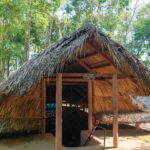
Then you visit Ba Kiệt’s ancient house. This is your cultural anchor on Day 1. You get a look at traditional village architecture and learn about village life in a way that feels connected to daily routines rather than theory.
You also meet local islanders and hear about day-to-day living in the Mekong Delta. That matters because the delta is not one uniform experience. Some areas focus on agriculture, others trade, others on family workshops. When you can ask questions in simple, practical ways, you leave with a better mental map.
Later, you return by boat to Cai Be, then switch over to your bus for the ride to Can Tho. You sleep in Can Tho, which sets you up for a more direct Day 2.
A few more Ho Chi Minh City tours and experiences worth a look

Day 2: Cai Rang Floating Market in the Morning, Plus Noodle Factory and Fruit
Day 2 begins with breakfast at the hotel, then a leisurely boat ride to explore tributaries of the Lower Mekong River (Bassac River). This portion is designed for views and observation. It is a chance to see the delta’s flow patterns and understand why floating markets developed as practical trading points.
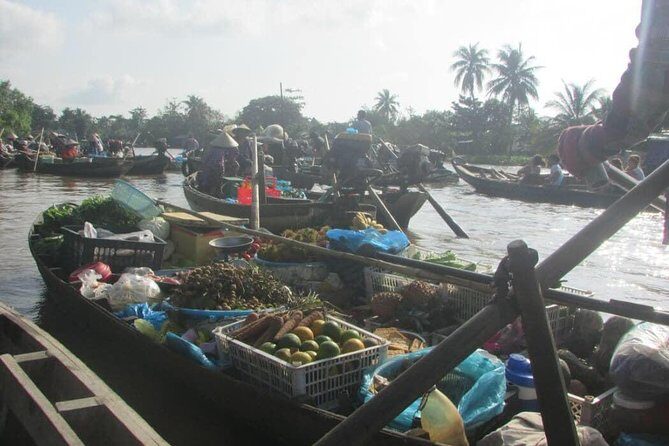
Then comes the main stop: Cai Rang Floating Market, described as the most vibrant floating market in the area. Here’s the key for your expectations. Some feedback notes a disappointment that there are not many boats at the market at certain times. So if you are imagining a picture-perfect wall of boats, know that density can vary. Go with curiosity, not a demand for crowds.
After the market, you get a walking tour of a local noodle factory. It is a good contrast to the water-based trading, and it gives you another angle on local food systems—how ingredients and processing tie into what people buy and eat.
Munir Ansay Pagoda and a Khmer Temple Stop That Adds Real Culture
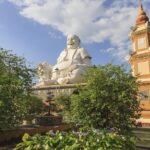
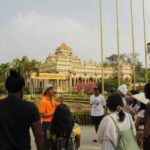
Next is Munir Ansay Pagoda, a Khmer temple. This is an important cultural balance point in the itinerary. The Mekong Delta is not only Vietnamese cultural life; the region also includes Khmer heritage, and a temple visit is one of the easiest ways to understand that blend.
Dress matters. Shoulders and knees must be covered for temple entry. If you show up in shorts and a tank top, you can expect a problem or a quick fix.
After that, you go by boat to visit a fruit plantation and enjoy seasonal fruit. This is the practical side of the orchard story you started on Day 1. You see and taste what the delta produces, then you carry that flavor memory into the rest of the day.
After lunch, you return to Ho Chi Minh City and finish the experience.
Price and Value: What $112 Covers (and Where Costs Can Surprise You)
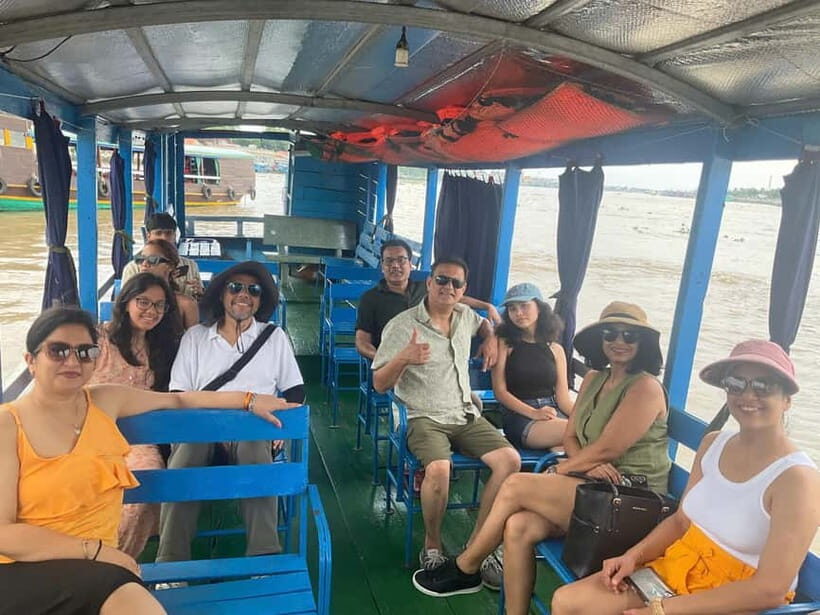
At $112 per person for a 2-day package, the value is mainly in what you do not have to arrange yourself. You get transportation across the long day routes, a guide, boat trips, entrance fees, and meals. You also get one overnight stay in Can Tho in a twin/double shared room.
This matters because DIY planning for the Mekong Delta is where costs and time can creep. You would need separate transport, multiple bookings, and a plan for where you sleep. This package groups the key pieces—Cai Be, the orchards and workshops, Can Tho, Cai Rang, and a Khmer pagoda—into one flow.
Still, you should expect extra spending for personal costs. The package does not include personal expenses, and tips are not included either. If you like small snack stops or want more drinks during long stretches, set aside some cash.
One small planning note from feedback: there can be confusion around accommodation details. The package states twin/double shared rooms, so if your comfort depends on room setup, double-check what you booked.
Guide Quality: Why Names Like Lilly, Peter, and Yudi Matter
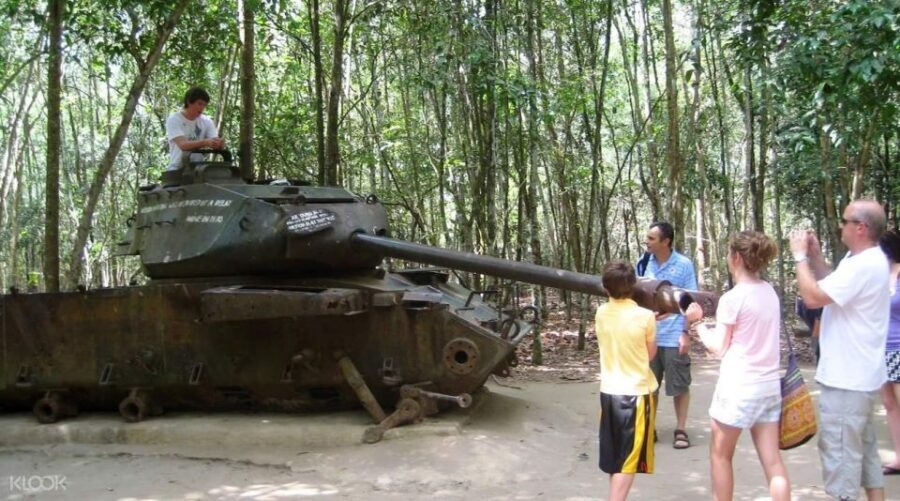
A Mekong Delta tour lives or dies by the guide. This itinerary includes an English-speaking guide, and multiple reviews praise specific people such as Lilly, Peter, and Yudi. What those compliments tell me is that the best version of this trip includes explanations that make each stop click.
If you care about culture and not just sightseeing, pick the option where you want real guidance. The village visits, the noodle factory, and the Khmer pagoda only become meaningful when someone explains what you are seeing in plain terms.
Who Should Book This, and Who Should Skip It
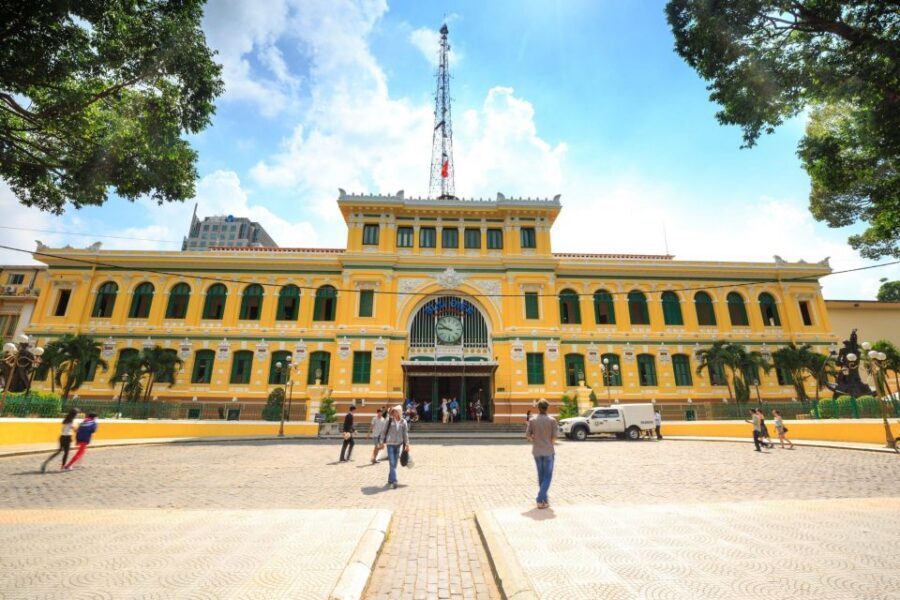
This tour suits you if you want a structured way to see both the Upper and Lower Mekong Delta. It also fits well if you like hands-on activities like cooking lunch and cycling through orchards.
It is not suitable for people with limited mobility, heart problems, wheelchair users, or pregnant women. The route involves boats, walking, cycling paths, and temple visits with appropriate dress rules, so it is best to match it to your physical comfort level.
If your main goal is a super-crowded floating market scene, go in with flexibility. Some feedback points to fewer boats than expected during the market segment, likely tied to timing and conditions.
Practical Tips: What to Bring, Temple Dress, and Staying Comfortable
Bring:
- Passport or ID card
- Comfortable shoes for walking and cycling paths
- Sunglasses and a sun hat
Not allowed:
- Pets
- Oversize luggage
- Smoking
For temple visits, plan clothing with covered shoulders and knees. That rule is straightforward, but it can be the difference between getting through a pagoda stop smoothly versus needing a quick workaround.
Also remember the tour duration is two days with an early start. If you tend to feel drained quickly, pack for heat and sun. The delta day is outdoors more than you might expect.
Should You Book This Mekong Delta 2 Days Tour?
If you want a well-paced taste of Mekong Delta life—boats plus orchards plus cultural stops—this is a strong pick. The overnight in Can Tho and the focus on both Cai Be and Cai Rang gives you a bigger picture than a rushed one-day outing. I also think the workshop and garden-lunch parts make this better than a pure sightseeing circuit.
Book it if you:
- enjoy small village stops and learning through food and daily routines
- want a guided, English-speaking itinerary without juggling transport
- can handle early mornings and expect traffic delays on the return
Skip or choose carefully if:
- you need flawless food quality and are disappointed by average meals
- you are hoping for a market packed with boats at the exact moment you arrive
- you have mobility, heart, or pregnancy considerations that make boats and walking difficult
Overall, this is a practical way to see the Mekong Delta beyond postcards. You’ll come away with a clearer sense of orchards, trading culture, and Khmer-influenced places—plus the kind of memories that stick because you helped make part of the day yourself.
FAQ
How long is the Mekong Delta tour?
It runs for 2 days.
What is the meeting point in Ho Chi Minh City?
The meeting point is 112 Tran Hung Dao Street, Ben Thanh Ward, District 1, Ho Chi Minh City, with meeting time at 07:30. You should arrive at least 10 minutes early.
Does the tour include hotel pickup?
Pickup is optional. It includes round-trip pick-up/drop-off from select areas in District 1, including Ben Thanh Ward, Cau Ong Lanh Ward, and part of Saigon Ward. It does not include pickup/drop-off from Nguyen Binh Khiem Street, Nguyen Huu Canh Street, or Tan Dinh Ward.
Is there an overnight stay included?
Yes. You stay overnight in Can Tho.
What meals are included?
The tour includes 1 breakfast and 2 lunches (meals as indicated in the program). Dinner is not listed as included.
Are entrance fees included?
Yes, all entrance fees are included.
Are boat trips included?
Yes, the program includes boat trips on the Mekong Delta.
What language is the guide?
The live tour guide is English.
What should I wear for the pagoda visit?
You should dress appropriately so shoulders and knees are covered.
Who should avoid this tour?
The tour is not suitable for pregnant women, people with limited mobility, wheelchair users, and people with heart problems.