REVIEW · BEN TRE
Cooking class & Vibrant Market by Scooter/Tuktuk (Half-Day)
Book on Viator →Operated by Mekong ZigZag · Bookable on Viator
Scooters and markets lead to real cooking. I love how this Ben Tre class starts with hands-on ingredient shopping at a local market, then flows right into a kitchen lesson. I also like that the menu leans into coconut—the Mekong Delta’s comfort food—and you learn to turn what you bought into actual dishes.
One thing to keep in mind: the exact dishes can shift with what the market has, so if you’re set on very specific recipes, you’ll want to stay flexible.
In This Review
- Key Highlights at a Glance
- Ben Tre Half-Day: Why This Feels Like Local Food Time
- The Scooter/Tuktuk Ride: Fast Getting Around, Better Market Energy
- Market Exploring in Ben Tre: What You’re Actually Learning
- Choosing Your Dishes: The Menu Part That Makes It Personal
- Coconut-Focused Cooking: Turning What You Bought into Flavor
- Street Food Stops and Lunch: How the Eating Fits the Lesson
- Dietary Options: Vegan and Vegetarian Are Not Afterthoughts
- Group Size and Pace: A Small Class You Can Actually Participate In
- Price and Value: Why $49 for 5 Hours Makes Sense
- Who Should Book This (and Who Might Think Twice)
- Should You Book Mekong ZigZag’s Half-Day Cooking Class?
- FAQ
- How long is the Cooking Class & Vibrant Market by Scooter/Tuktuk?
- What does the tour include?
- Can I choose which dishes I cook?
- Is the cooking class suitable for vegan or vegetarian diets?
- Where does the tour start and end?
- Do you pick up from Ho Chi Minh City?
- What is the cancellation policy?
Key Highlights at a Glance
- Shop the market on the route to your meal instead of starting with a pre-made menu
- Choose dishes from a menu (with flexibility based on what you find)
- Pick herbs and taste fruits as part of the learning, not as a side show
- Learn 4–5 traditional Mekong dishes using what you just bought
- Small group size (max 8) for a more hands-on cooking rhythm
- Vegan and vegetarian options are supported alongside non-vegan choices
Ben Tre Half-Day: Why This Feels Like Local Food Time
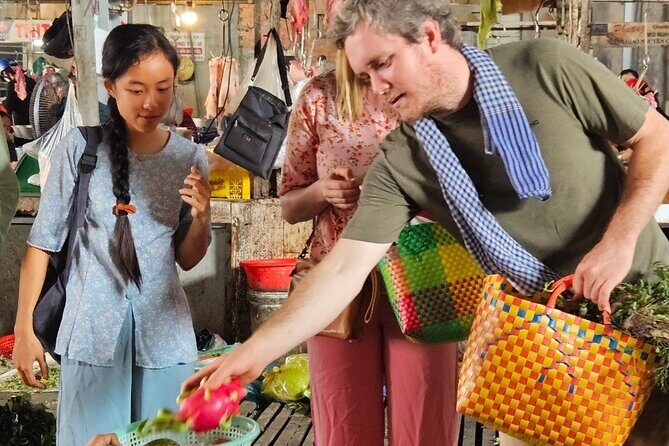
Ben Tre is the Mekong Delta place for coconuts, and this experience leans into that reality. You don’t just eat food and move on—you see where ingredients come from, then you cook them with a local chef-instructor. The whole flow makes food feel less like a performance and more like a normal day in this region.
What I like most is the balance: you get action (market exploring, scooter/tuktuk rides, picking herbs), but you still end with a calm, focused cooking session. You can also expect a learning tone. There’s a menu and ingredient lists plus instructions, so you’re not guessing after the class.
The other big plus: it’s built for different eating styles. You’ll have vegan/vegetarian-friendly options, not just a token adjustment. That matters in Vietnam, where meat, fish sauce, and shrimp paste can show up quickly unless someone plans for alternatives.
If you're still narrowing it down, here are other tours in Ben Tre we've reviewed.

The Scooter/Tuktuk Ride: Fast Getting Around, Better Market Energy
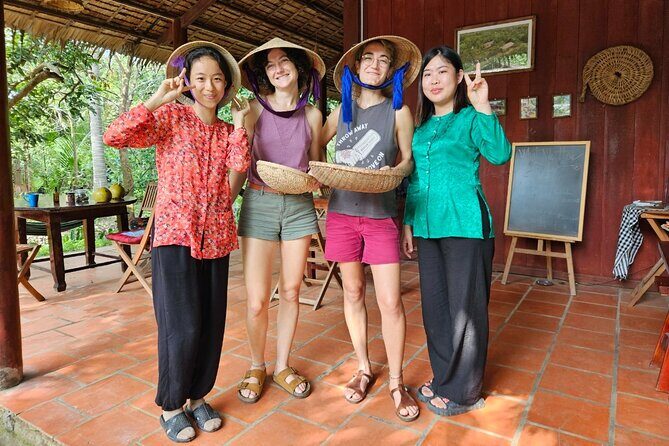
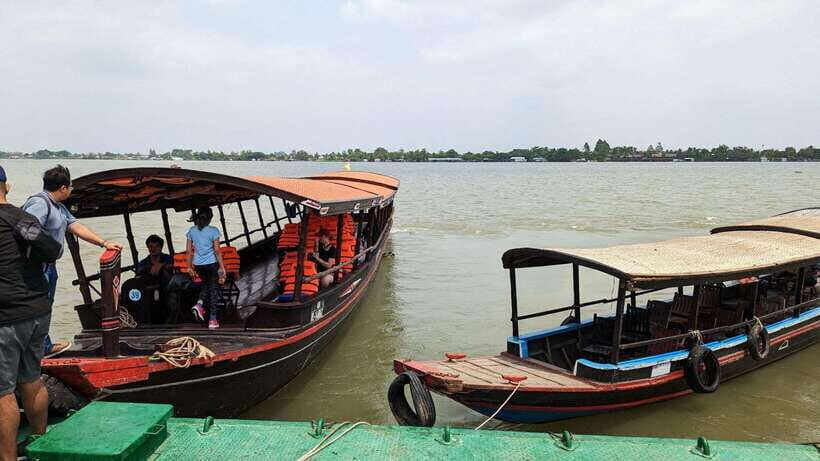
Transportation here is part of the point. You’ll ride by scooter or tuktuk to reach the market area and move between stops. In a half-day format, that keeps the timing tight and gives you more time tasting and cooking instead of sitting around.
Practically, the ride also helps you read the area. You notice how people actually move through Ben Tre—where markets sit, how food stalls cluster, and how daily life shapes what’s for sale. It’s not just scenic transit. It’s the way locals get from point A to point B, which makes the rest of the experience feel more grounded.
One note for your planning: because it’s a 5-hour block, you’ll want to treat this as your main activity that day. Leave extra buffer time if you’re pairing it with another tour, since your return ends back at the meeting point.
Market Exploring in Ben Tre: What You’re Actually Learning
The market is the heart of the experience. This isn’t a quick walk past stalls for photos. You’re there to shop like you mean it—choosing ingredients, tasting what looks and smells right, and learning what each item does in cooking.
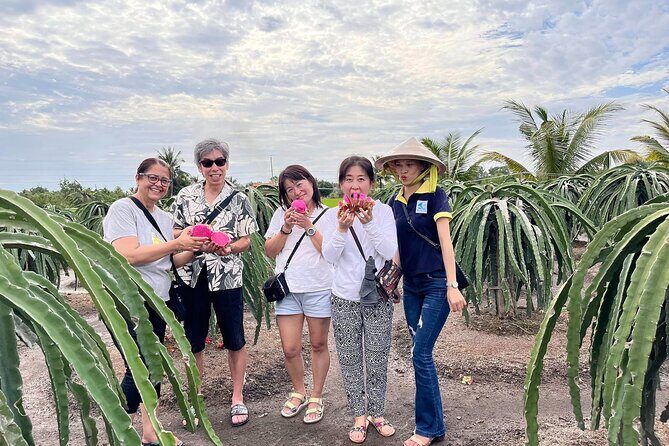
You’ll also get fruit tasting and herb picking along the way. That’s not only fun; it trains your palate. When you later cook, you understand why something is chopped a certain way, why herbs go in at a particular stage, and what flavors you’re building toward.
Here’s the value for you: by the time you reach the kitchen, you have a mental map of your ingredients. You can remember what you tasted—sweet fruit, fragrant herbs, and common cooking staples—and that makes the cooking class feel like a continuation rather than a separate activity.
Choosing Your Dishes: The Menu Part That Makes It Personal
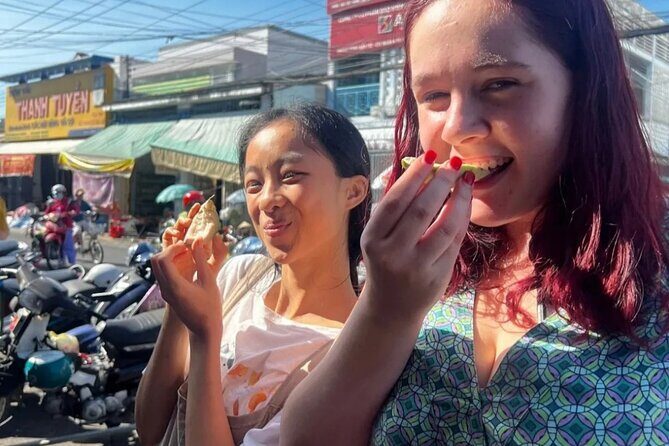
A standout detail: you can choose dishes from a menu. That’s a big deal when you want control over what you’ll eat at the end of a 5-hour tour.
At the same time, the experience is flexible. The cooking menu can depend on what the market brings in. So your choices will likely come with a bit of real-world adjustment, especially for ingredients that can vary day to day.
In my view, this is a good trade for authenticity. You still steer your final menu, but you’re also participating in how ingredient availability shapes cooking in the Mekong Delta. If you’re the type who loves tasting new flavors, you’ll probably enjoy the market’s influence on what you end up cooking.
Coconut-Focused Cooking: Turning What You Bought into Flavor
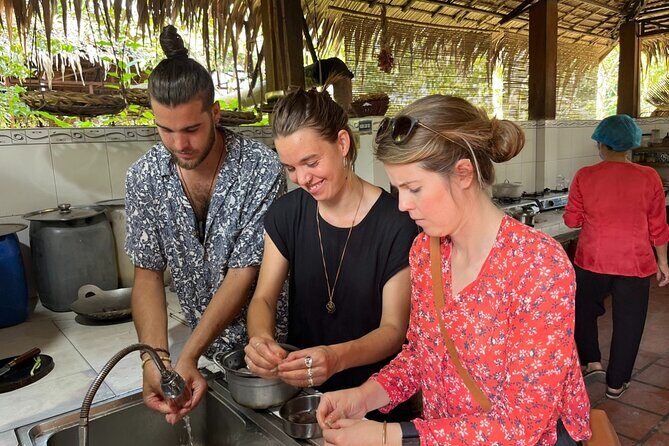
Ben Tre’s coconut identity comes through in the food you cook. You’ll learn how to use coconut milk in dishes, and you’ll see how coconut isn’t just for sweetness—it can add body and balance.
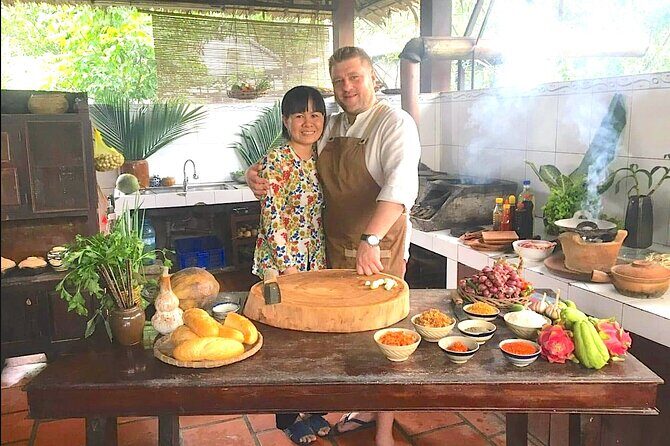
In the kitchen, you’ll cook 4–5 traditional Mekong dishes. The chef-instructor explains the steps, and you’ll use the tools and equipment provided. You also get menu, ingredient lists, and instructions, which helps you recreate the basics later.
What makes this practical is that you’re not only learning recipes. You’re learning technique. When you’ve bought the ingredients yourself, you understand texture, aromatics, and what fresh herbs smell like at the moment they hit the air. That can change how you cook at home, even if you can’t find everything exactly the same.

Street Food Stops and Lunch: How the Eating Fits the Lesson
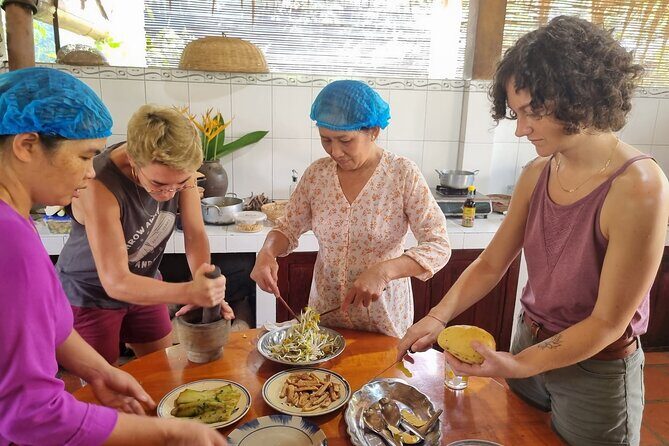
You’ll include some food and tastings during the day. That can include fruit tastings and drinks, plus street-food style breakfast you’ll enjoy on the way in the morning. Then you’ll have a proper lunch that matches what you cooked.
I like this structure because it keeps your energy up while you’re moving and learning. You’re tasting as you go, so by the time you cook, your palate is already warmed up and tuned to the flavors you’re likely to recreate.
Also, the lunch being tied directly to your work adds satisfaction. You don’t leave hungry, and you don’t feel like you paid for a lesson where the food is an afterthought.
Dietary Options: Vegan and Vegetarian Are Not Afterthoughts
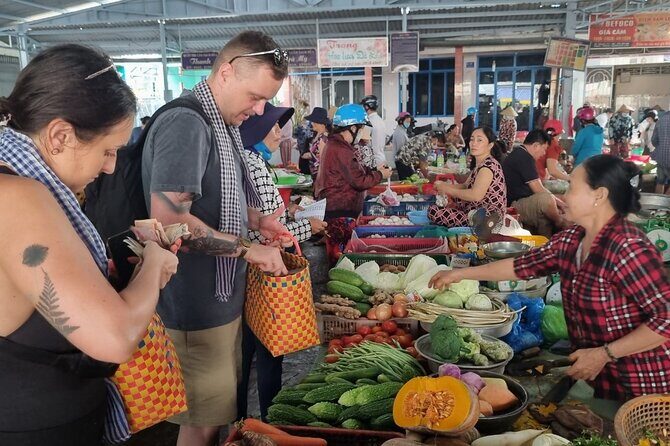
This class explicitly supports Vegan/Vegetarian Mekong Delta cooking, alongside non-vegan options. That means the chef is planning for substitutions and different flavor building blocks, rather than expecting you to skip half the dishes.
If you eat vegan or vegetarian, this is where the experience becomes more than comfort. You get a real education in how Mekong Delta cooking can work without meat and fish-based ingredients. You’ll still learn how herbs, aromatics, and coconut-based flavors can carry dishes when proteins change.
Practical tip: when choosing from the menu, tell your chef-instructor early what you avoid. The experience is short, and clear preferences help them steer you toward dishes you’ll truly enjoy.
Group Size and Pace: A Small Class You Can Actually Participate In
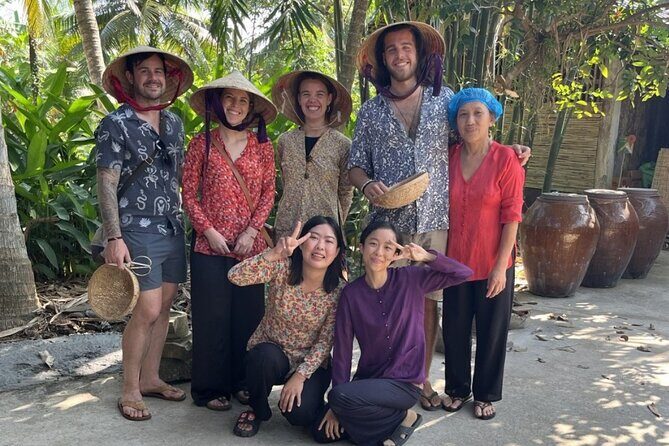
With a maximum group size of 8 travelers, the class stays manageable. You’re not stuck watching from a distance while someone else handles everything. You’ll have time for explanation, plus you’ll likely get hands-on involvement with chopping, mixing, and assembling.
The pace is still energetic because it’s a half-day. Think of it as a compact workshop: market, tastings, then cooking. If you like structured chaos—fast but friendly—this works well.
If you prefer slow travel with lots of downtime, this might feel a little full. But the payoff is clear: you leave with both food and skills, not just a set of photos.
Price and Value: Why $49 for 5 Hours Makes Sense
At $49 per person, you’re paying for more than a “cook and eat” moment. You’re paying for guided market shopping, tastings, scooter/tuktuk transport, and a chef-instructor lesson that results in 4–5 dishes plus lunch.
For Ben Tre, the value is the sequence. The market part is where most classes fall short elsewhere because they treat ingredients like a checklist. Here, ingredient shopping and picking herbs are part of the learning loop. Then the kitchen lesson uses what you selected. That’s the big reason the price feels fair for a half-day.
Also, you get included kitchen tools and equipment, plus menu and instructions. That reduces the friction of trying to cook later. You’re not leaving with vague tips. You have enough guidance to reproduce some of the dishes at home.
Who Should Book This (and Who Might Think Twice)
This tour is a strong fit if you want an authentic-feeling day in Ben Tre that centers on local ingredients. It’s also ideal if you:
- like hands-on cooking instead of watching
- enjoy markets and tasting as a learning tool
- want vegan/vegetarian support that’s built into the experience
- prefer smaller groups
You might think twice if you need exact, fixed recipes every time. Because the market can influence the menu, you should come with flexibility. Also, if your schedule is very tight and you hate structured time blocks, the 5-hour format may feel rushed.
Should You Book Mekong ZigZag’s Half-Day Cooking Class?
Yes, if you want the Mekong Delta through food you can taste and cook with your own hands. This is one of those experiences where the ingredients actually matter, not just the final meal. With a small group, market-first shopping, and a chef-instructor-led kitchen session, it’s a practical way to leave Ben Tre with skills you can reuse.
If you’re on a “just show me the highlights” trip, you might still enjoy it. But the real win here is learning how dishes come together from fresh ingredients—especially coconut-focused cooking.
FAQ
How long is the Cooking Class & Vibrant Market by Scooter/Tuktuk?
The experience lasts about 5 hours.
What does the tour include?
You learn to cook 4–5 traditional Mekong dishes, get pickup and drop-off in Ben Tre city, have some food/fruit tasting/drinks, and use all kitchen tools and equipment. You also get a local chef-instructor, plus menu/ingredient lists and instructions.
Can I choose which dishes I cook?
Yes. You can choose dishes from a menu, and the final menu can still depend on what the market has.
Is the cooking class suitable for vegan or vegetarian diets?
Yes. The class is suitable for Vegan, Vegetarian, and Non-vegan preferences in the Mekong Delta style.
Where does the tour start and end?
It starts at Chợ Nhơn Thạnh (695X+X33, Nhơn Thạnh, Ben Tre) and ends back at the meeting point.
Do you pick up from Ho Chi Minh City?
Pickup and drop-off in Ben Tre city are included. Pickup from Saigon is only mentioned as available if you are staying in Ho Chi Minh city, using a 4-seat or 7-seat car.
What is the cancellation policy?
Cancellation is free. You can cancel up to 24 hours in advance for a full refund, and cancellations within 24 hours of the start time are not refunded.