REVIEW · HO CHI MINH CITY
Private Cu Chi & Mekong Delta Tour: History Meets Nature
Book on GetYourGuide →Operated by MILLENIUM TRAVEL CO.,LTD · Bookable on GetYourGuide
Underground, history still breathes. This private Cu Chi and Mekong Delta trip pairs Cu Chi Tunnels survival stories with a slower day on the waterways around My Tho. You get river time, pagoda architecture, and Southern flavor in the same long but well-paced day.
I especially liked the way English guide Abe keeps things clear and human, answering questions and sharing the small details that make Vietnam feel real. I also like the included food and drinks: cassava and tea with the Cu Chi theme, plus honey tea, seasonal fruit, and even local folk music in the Mekong region.
One consideration: this is not an easy outing for everyone. The tunnel visit involves walking through uneven, tight spaces, and the tour notes it’s not suitable for wheelchair users, people with heart problems, or pregnant women.
In This Review
- Key moments you’ll remember
- From central Ho Chi Minh City to Cu Chi in about 1.5 hours
- Cu Chi Tunnels: living areas, trap logic, and the scale of the network
- Guerrilla food, cassava tea, and the optional shooting range moment
- Lunch on the road: get fuel before the Mekong slows everything down
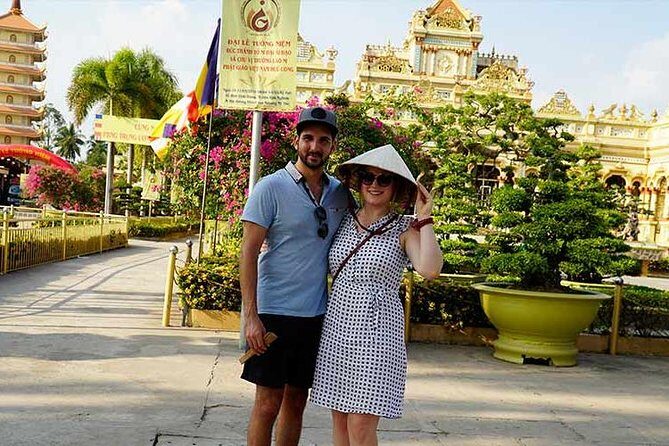
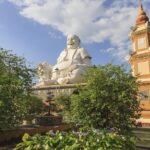
- Vinh Trang Pagoda in My Tho: architecture plus a calmer pace
- Tien River cruise: scenery, breathing room, and river rhythm
- Coconut canals by wooden sampan: candy mill, family business, and local folk music
- Price and value: what $140 gets you for a group of up to 2
- Logistics that affect comfort: what to bring and what to skip
- Who this Cu Chi and Mekong tour fits best
- Should you book this Private Cu Chi & Mekong Delta Tour?
- FAQ
- How much does the tour cost?
- Is this a private tour?
- Where do you pick me up in Ho Chi Minh City?
- How long is the drive to Cu Chi?
- What will I see in the Cu Chi Tunnels?
- Is the shooting range included?
- What Mekong Delta stops are included?
- What time will I return to Ho Chi Minh City?
- What should I bring, and what can’t I bring?
Key moments you’ll remember
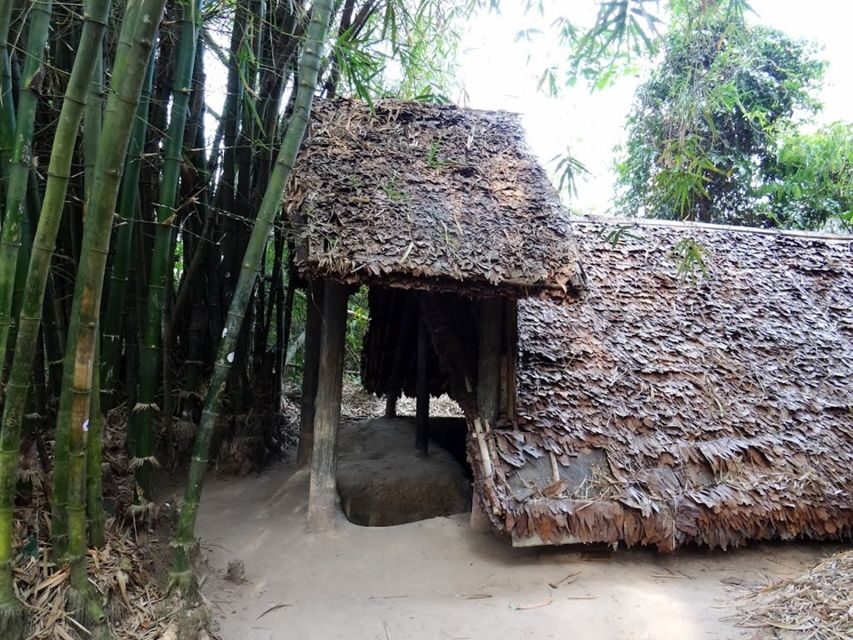
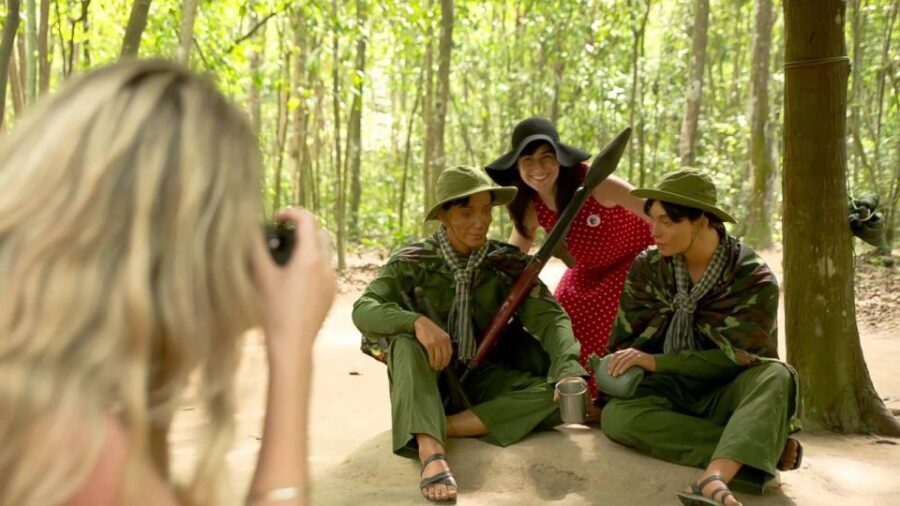
- Cu Chi living quarters, plus kitchens and bedrooms placed side by side within the tunnel areas
- Hidden trap doors and other security tricks explained as part of how guerrillas stayed alive
- Cassava and traditional guerrilla food themes, paired with a special tea stop
- Vinh Trang Pagoda for its distinctive architecture and quiet atmosphere
- Wooden sampan rides through coconut palm waterways on small canals
- Honey tea, seasonal fruit tasting, and local folk music performed by locals
From central Ho Chi Minh City to Cu Chi in about 1.5 hours
This tour starts with a pickup from centrally located areas in Ho Chi Minh City, including Cau Ong Lanh Ward, Ben Thanh Ward, and Saigon Ward. Then you head out toward Cu Chi, and the drive is about 1.5 hours from downtown.
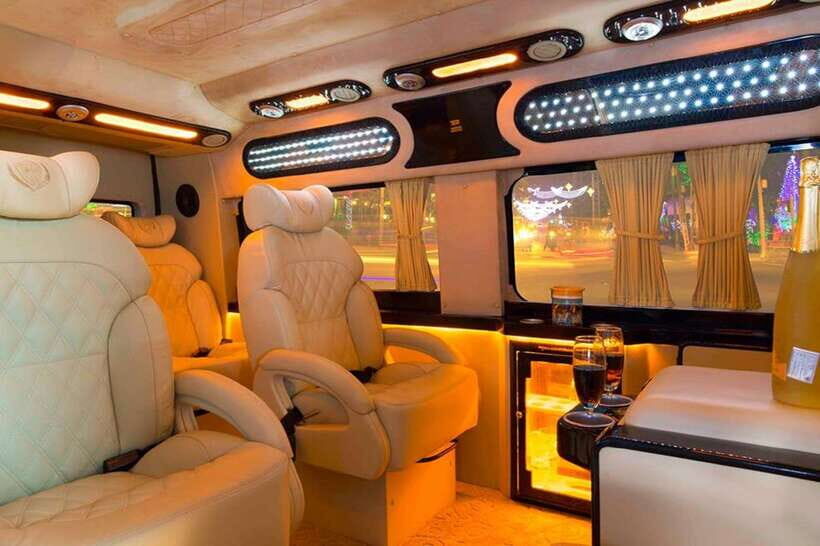
Why that matters: having a private car or van keeps the day from turning into a stressful shuffle. You’re not waiting around with strangers, and you can step on and off on your own schedule as you leave the city and head into the countryside.
Other Cu Chi Tunnels & Mekong Delta combo tours we've reviewed

Cu Chi Tunnels: living areas, trap logic, and the scale of the network
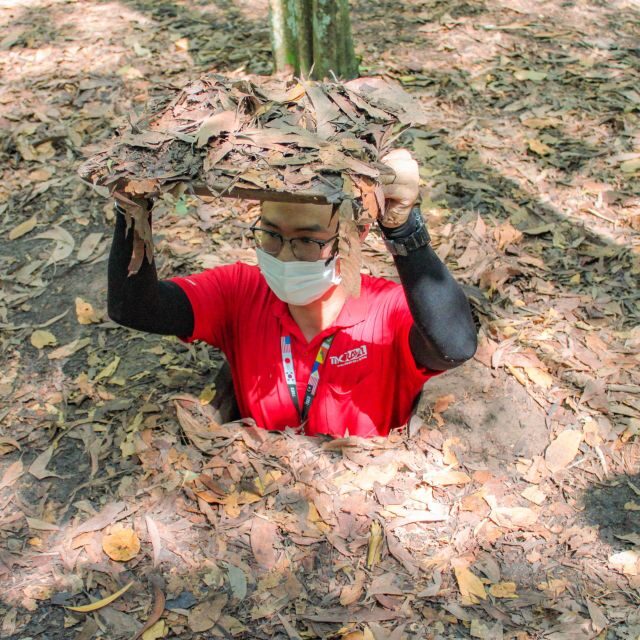
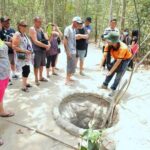
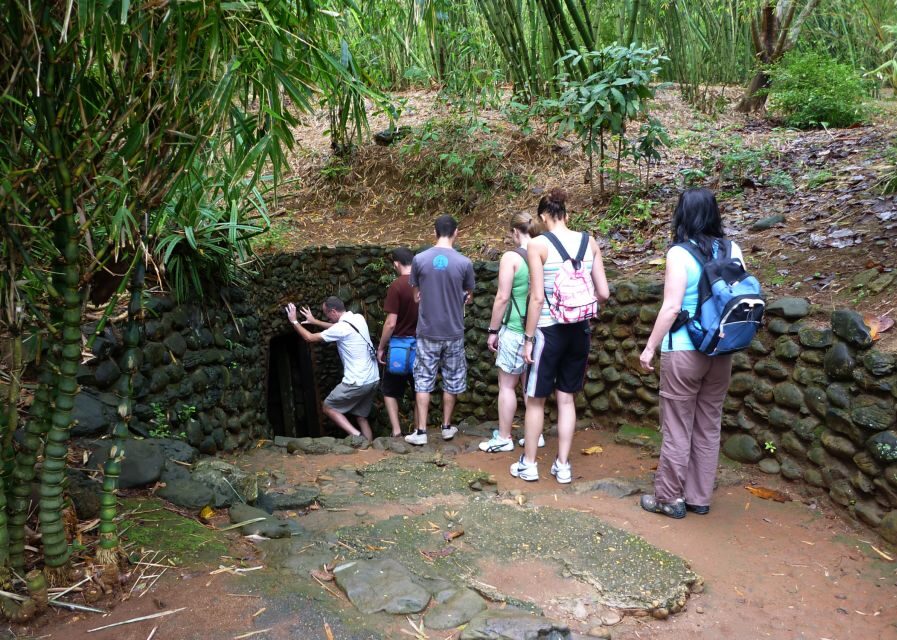
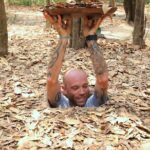
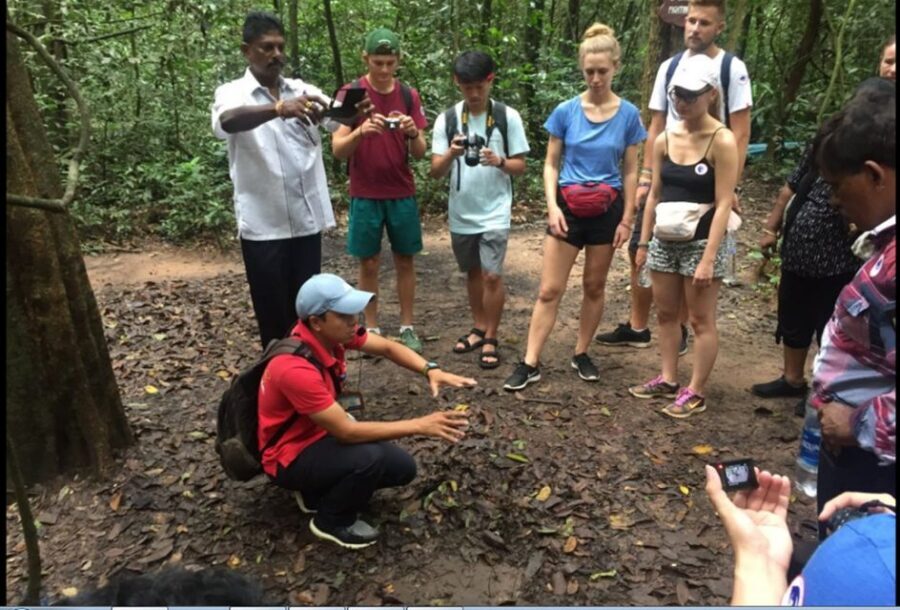
Cu Chi is where the day’s tone changes from city to something darker and more intense. You’ll learn how the tunnels were built during the war, and you’ll get access to remaining sections of the tunnel network—one that connects to areas designed for daily survival, not just hiding.
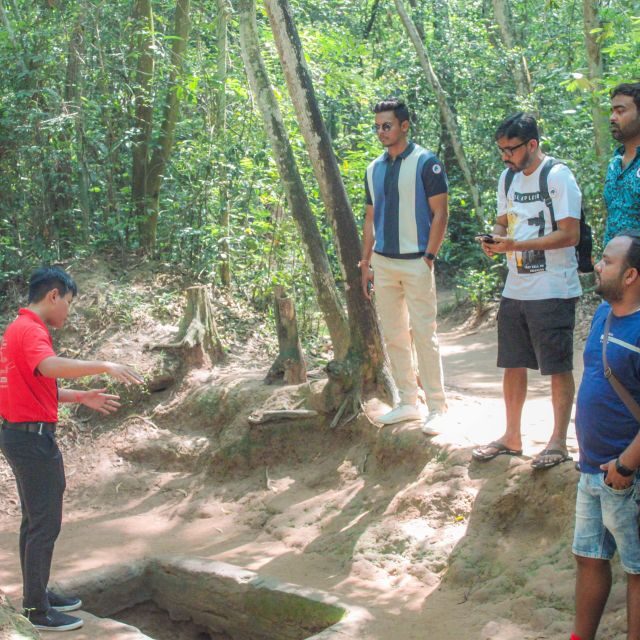
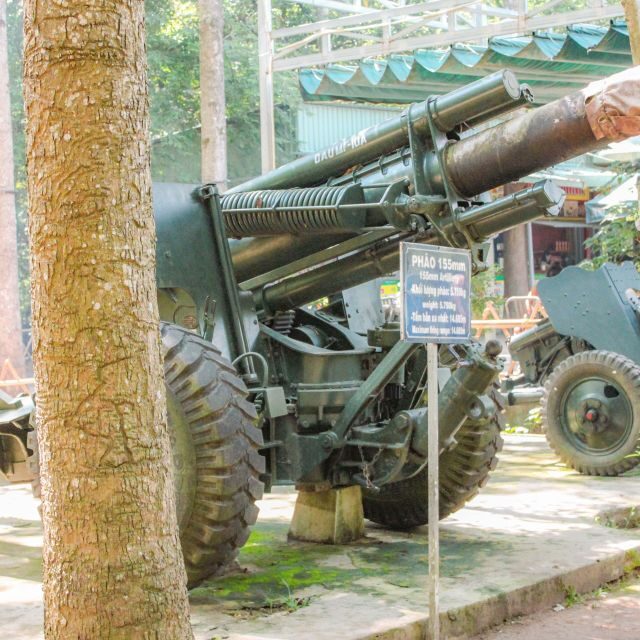
What I like here is the practical breakdown of how people used space underground. You’re taken to see the kind of living setup where kitchens and bedrooms sit close together, plus the martial facilities used for making and moving supplies. The tour also covers the weapon factories, storage areas, command centers, and field hospitals—so you understand that this wasn’t only about hiding. It was about operating a whole system under extreme pressure.
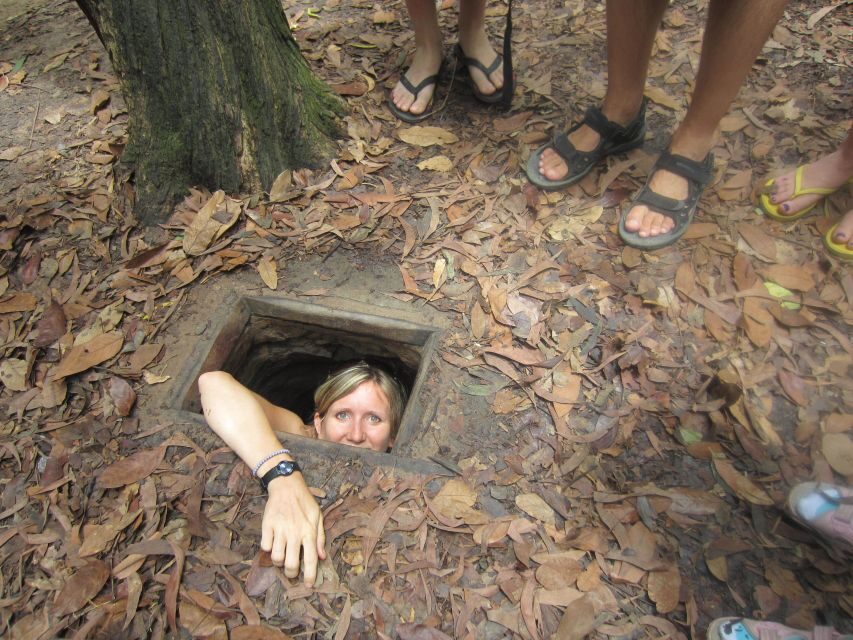
Then comes the part that sticks with you: the explanation of dangerous traps and hidden trap doors inside the maze-like passages. Even if you know the basics, the way these security details are tied to real movement through the tunnels makes it easier to grasp why staying oriented mattered so much.
Practical note: the tunnel spaces can feel tight and physically demanding. Wear comfortable shoes, plan for heat, and take your time. If you’re someone who gets anxious in enclosed, narrow spaces, you’ll want to be honest about that before you go in.
Guerrilla food, cassava tea, and the optional shooting range moment
After the tunnel walk and explanations, the tour shifts from underground survival to the human day-to-day side of the story. You’ll taste a special tea and cassava, described as everyday food for former Vietnamese guerrillas. This is one of those stops where food works like context—you’re not just hearing war facts, you’re tasting a familiar staple tied to that era.
Then you have a choice: relax, or go for an optional shooting range experience with real weapons. The listing frames it as optional, which is important. Some people enjoy the hands-on angle; others would rather keep the day reflective after Cu Chi.
My advice: decide based on what kind of memories you want to carry home. If you came for history and nature together, you might prefer keeping your energy for the Mekong portion, especially the canal time in the afternoon.
Lunch on the road: get fuel before the Mekong slows everything down
On the way from Cu Chi toward the Mekong Delta, there’s a lunch stop along the route. Lunch is included, and it’s at a local restaurant.
This is the practical reset point in the itinerary. Once you’re back on the road, you’ll continue toward My Tho Province, and you still have several stops ahead: pagoda time, a river cruise, and canal/sampan experiences. Going in hungry doesn’t help your mood, and lunch is there to keep the day comfortable.
A small but telling detail: in the feedback I reviewed, the lunch was described as really good and plentiful, with lots of tasty dishes. That lines up with what you want from a tour meal—simple, filling, and worth the time it takes.
Vinh Trang Pagoda in My Tho: architecture plus a calmer pace
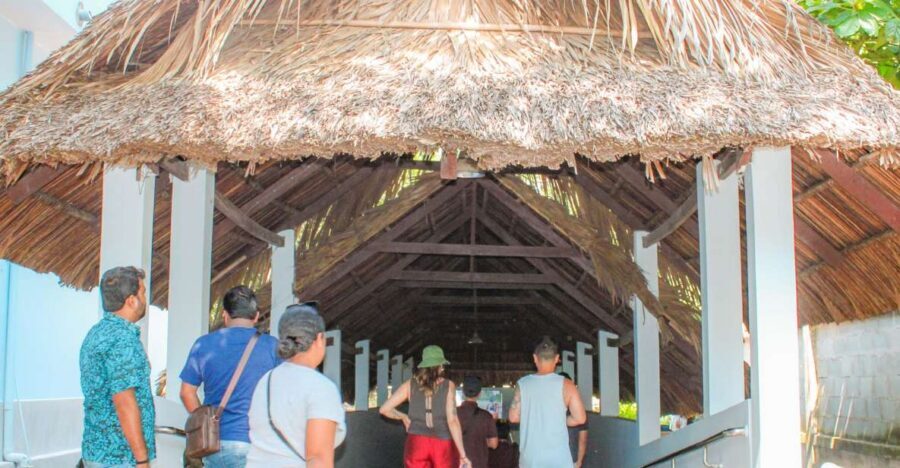
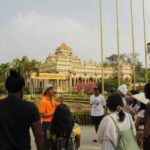
In My Tho Province, you’ll visit Vinh Trang Pagoda. Expect distinctive architectural features and a solemn, quieter atmosphere compared to the intensity of Cu Chi.
Why this stop is valuable: it breaks the emotional pattern of the day. You’re not going from one hard subject to another. You get a change of setting, a chance to look slowly, and a different kind of learning—how religious spaces reflect local aesthetics and values.
If you like photography, this is a strong moment for it. Bring your camera and take time looking at details rather than treating it like a quick photo turn.
Other private Mekong Delta tours we've reviewed


Tien River cruise: scenery, breathing room, and river rhythm
After Vinh Trang Pagoda, the day turns scenic with a cruise along the Tien River. This part is about slowing down and letting the afternoon unfold naturally.
On a private tour, you don’t have to rush to match someone else’s pace. You can sit, watch, and actually enjoy the change from city noise to river views.
Even better, the cruise sets up what comes next: the coconut waterways and the wooden sampans. The river context helps the canals feel like the same ecosystem rather than separate stops.
Coconut canals by wooden sampan: candy mill, family business, and local folk music
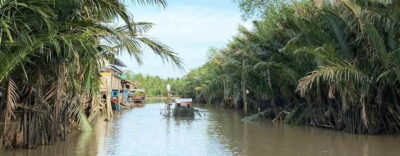
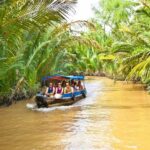
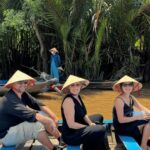
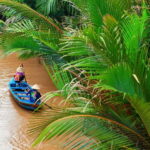
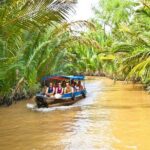
The Mekong portion becomes hands-on here. You’ll visit a coconut candy mill described as a family business, then head down small canals by wooden sampans under coconut palm trees.
This is the “you’re actually in the Mekong” moment. The sampan ride through narrow canals gives you an up-close feel for how life and crops connect with waterways. And because it’s shaded by palms, it can feel like a brief escape from the heat.
The tour also includes tastings and performances: honey tea plus seasonal fruit tasting, and local folk music performed by locals. This combo matters. It’s not only sightseeing—you get sensory context. Sweet tea and fruit tasting anchor the region in everyday flavors, while the music adds voice to the scenery.
A tip for enjoying this section: keep your camera ready, but also pause your phone habit for a few minutes. The canal air and the rhythm of the ride can be the best part.
Price and value: what $140 gets you for a group of up to 2
The price is listed at $140 per group up to 2, which can be a good value if you want a private format and don’t want the day to feel like it’s built around other people’s schedules.
Here’s what’s included that helps justify the cost:
- Private car or van with an English-speaking guide
- Entrance fees
- Lunch at a local restaurant
- Mekong Delta boat trips (including the sampan ride)
- Fruit and honey tea, plus mineral water
- Hotel pickup and drop-off in central Ho Chi Minh City areas
What you don’t pay for (separately) includes travel insurance and personal expenses, plus tips.
Is it expensive compared to a big group bus? In many cases, yes. But if you factor in private transport, English guiding, entrance fees, and multiple timed transport segments (road + river + canals), it often comes out as a fair trade—especially when you’re only one or two people.
For best value, you should like the idea of a structured day. This is a full program, and you’ll get the most from it if you can commit to the full schedule.
Logistics that affect comfort: what to bring and what to skip
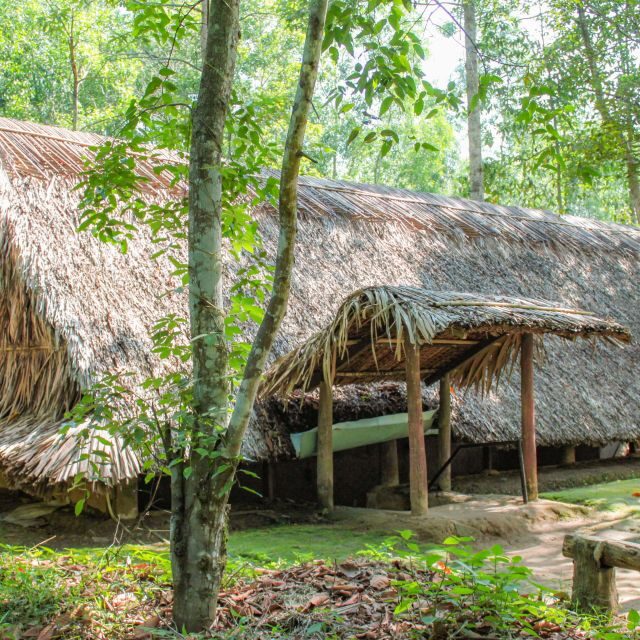
You’ll want to show up ready for a full day outdoors and in a tunnel network. Bring:
- Passport or ID card
- Comfortable shoes
- Sunglasses and a sun hat
- A camera
Avoid large luggage and don’t bring pets. The tour also notes it’s not suitable for people with heart problems, wheelchair users, and pregnant women—so if any of those apply, it’s worth skipping this option.
Also keep in mind timing: you’ll return to Ho Chi Minh City between 7:00 PM and 7:30 PM, and the exact time depends on traffic conditions.
Who this Cu Chi and Mekong tour fits best
This tour is ideal if:
- You only have a short time in Ho Chi Minh City and want a meaningful day outside the city
- You want both Cu Chi Tunnels history context and Mekong nature/culture in the same outing
- You appreciate guided explanations, especially for complex places like the tunnel system
- You’re comfortable with moderate walking and warm weather
It may not be the best match if you need barrier-free accessibility, have heart concerns, or prefer a very slow pace with minimal physical movement.
Should you book this Private Cu Chi & Mekong Delta Tour?
If you want a single-day plan that connects war-era survival details to Mekong canal life, this is a strong choice. The guide quality seems to matter here—Abe was praised for being gentle, prepared, and good at sharing curiosities, and lunch got solid marks too. Add in the included tastings (cassava tea, honey tea, fruit) and the sampan ride, and you get a day that’s more than checkboxes.
Book it if: you’re traveling with one other person, you like structured routes, and you’re ready for the tunnel part of the day. Consider another option if: you want something lighter physically, you’re not comfortable with tight enclosed spaces, or you fall under the tour’s stated health or mobility limits.
FAQ
How much does the tour cost?
It costs $140 per group up to 2.
Is this a private tour?
Yes. You’ll travel by private car or van with an English-speaking tour guide.
Where do you pick me up in Ho Chi Minh City?
Pickup and drop-off are for centrally located hotels in Cau Ong Lanh Ward, Ben Thanh Ward, and Saigon Ward.
How long is the drive to Cu Chi?
The journey takes about 1.5 hours from the heart of downtown Ho Chi Minh City.
What will I see in the Cu Chi Tunnels?
You’ll learn about the tunnels built during the war, explore remaining tunnel areas, and visit parts of the network that include living areas, kitchens and bedrooms, weapon factories, storage, command centers, and field hospitals. You’ll also hear about traps and hidden trap doors.
Is the shooting range included?
Shooting is optional. If you want, you can take time to try shooting a real gun.
What Mekong Delta stops are included?
You’ll visit Vinh Trang Pagoda, take a scenic cruise along the Tien River, visit a coconut candy mill, then ride wooden sampans through coconut palm–shaded canals. You’ll also have honey tea, seasonal fruit tasting, and local folk music.
What time will I return to Ho Chi Minh City?
You return between 7:00 PM and 7:30 PM, depending on traffic.
What should I bring, and what can’t I bring?
Bring your passport or ID, comfortable shoes, sunglasses, a sun hat, and a camera. Pets and luggage or large bags are not allowed.