REVIEW · HO CHI MINH CITY
Mekong Delta 2 Days: Floating Markets & Cultural Exploration
Book on GetYourGuide →Operated by SUN INDOCHINA TRAVEL · Bookable on GetYourGuide
The Mekong Delta wakes up fast in the early morning. This 2-day, 1-night trip is built around floating markets and classic Delta experiences, from Vinh Trang Pagoda to Ben Tre’s coconut candy and the rowboat canals in between. I especially like the way the plan mixes “big sights” with hands-on moments, like fruit tasting and the noodle-making stop on day two.
I also like that you get real structure without feeling trapped: you’re on a boat for the water scenes, then you’re back on land for walking, biking, and lunch breaks. The possible drawback: the pacing is packed, with a lot of driving and several transitions between boats and minibuses, so you’ll want to be comfortable with a busy schedule.
In This Review
- Key highlights worth knowing
- Why this Mekong Delta 2-day plan is a smart use of your time
- Saigon pickup at 8:00 and the comfortable drive to the Delta
- Vinh Trang Pagoda in Tien Giang: more than a quick photo stop
- Cruise from the Tien River to Ben Tre, then the coconut candy factory
- Rowboat canals, nipa palms, and the shade-and-fruit rhythm of the Delta
- Con Phung tourist area: lunch plus countryside time on the island
- Can Tho at night: your hotel base after a full day
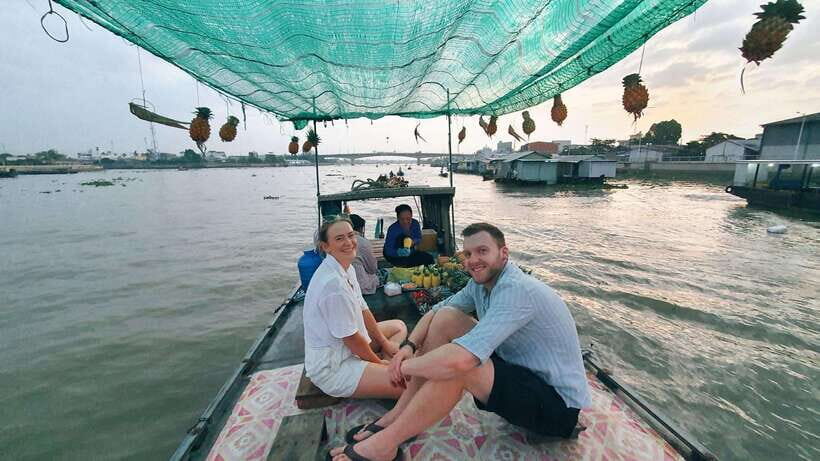
- Cai Rang floating market: how river trade looks from the water
- Seasonal orchard time and the noodle oven moment
- Price and what you actually get for $98
- Group vs private: which one makes sense for you
- Practical tips so the itinerary feels smooth
- Should you book this Mekong Delta tour?
- FAQ
- What’s the duration of the Mekong Delta tour?
- Where does the tour pick up and drop off?
- Which floating market is visited?
- What are the main sightseeing stops?
- What meals are included?
- Is transportation included?
- Is the hotel included?
- What languages are available for the tour?
- Is there a single room surcharge?
Key highlights worth knowing
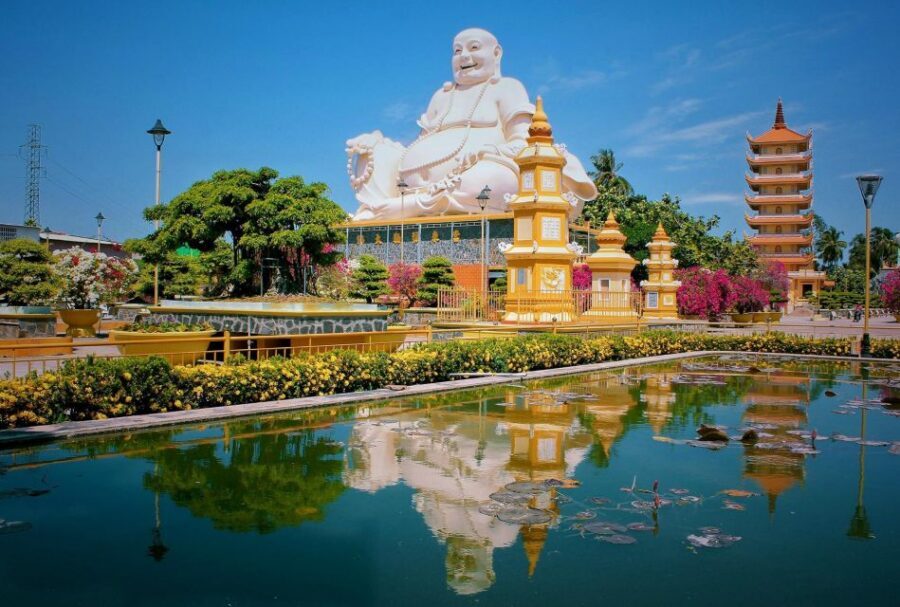
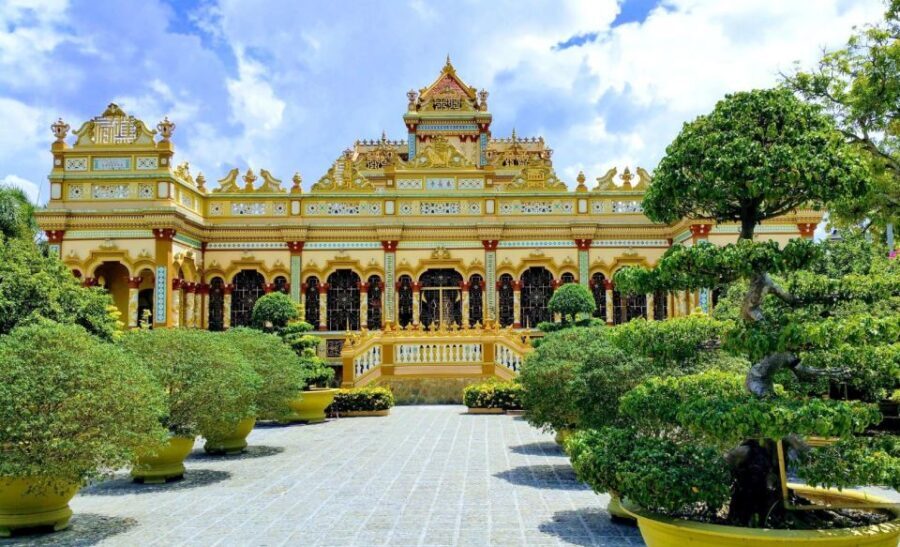
- Vinh Trang Pagoda: a major temple with a mix of Asian and European architectural details
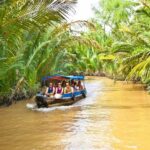
- Rowboat canals in Ben Tre: shade under nipa palms plus a closer look at Delta plant life
- Floating market timing: you hit Cai Rang by boat in the morning for the best trading action
- Coconut candy production: watch how Ben Tre candy gets made, then taste the results
- Noodle oven stop: see noodle-making steps, plus the option to try noodle pizza
Why this Mekong Delta 2-day plan is a smart use of your time
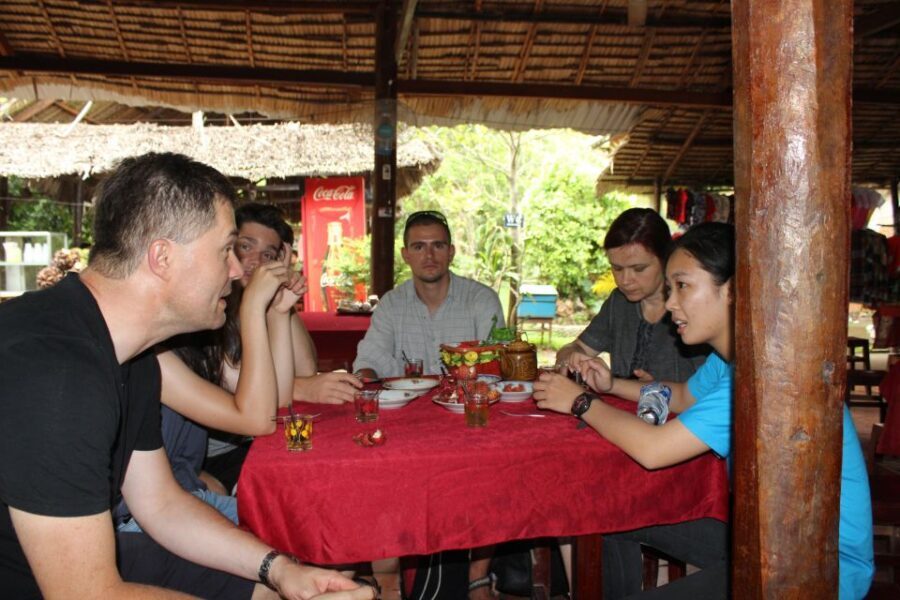
A Mekong Delta trip can feel either too rushed or too slow. This one lands in the middle. You spend the first day working your way from Saigon toward My Tho, Ben Tre, and finally Can Tho, then the second day focuses tightly on Cai Rang floating market and a few grounded, practical cultural stops.
What makes it work for most people is balance: you get the signature water moments (cruise + rowboat + floating market boat) but also enough land time to see how people live and eat—fruit orchards, traditional crafts, and local lunch spots. It also helps that the tour includes a standard hotel in Can Tho, so you’re not scrambling for overnight logistics.
If you’re traveling with kids, this kind of organized flow often matters. One traveler noted the minivan was comfortable and kids-friendly, and that’s exactly what you’re aiming for: fewer stressful decisions, more time watching the scenery.
Other Mekong floating market tours we've reviewed
Saigon pickup at 8:00 and the comfortable drive to the Delta
The day starts early: at 8:00 am, a car or minivan picks you up at a meeting point in central Ho Chi Minh City. The ride is by air-conditioned vehicle with an English-speaking guide, which is a big deal in this part of Vietnam where heat can hit hard.
On this route, most of the “effort” is simply getting out to Tien Giang and the Delta waterways. The good news: you’re not doing it yourself. You’re in a vehicle with a guide, and the plan is sequenced so you reach each stop at the right moment.
Tip: bring a light layer. Air-conditioning can feel icy after outdoor heat, and you’ll have more comfort if you can adjust.
Vinh Trang Pagoda in Tien Giang: more than a quick photo stop
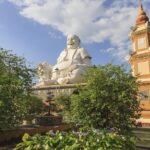
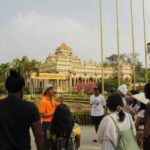
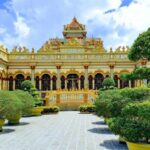
Vinh Trang Pagoda is the largest Buddhist temple in Tien Giang province, and the architectural mix is one of the first things you notice. The temple blends Asian and European-looking elements, so it doesn’t feel like a single-style “copy.” Instead, it gives you a snapshot of how Vietnam’s religious spaces absorbed different influences over time.
This stop is valuable because it sets context. Before you head into the river life and trade culture, you’re reminded that the Delta is also a deeply spiritual region. It’s a calmer pause before the pace picks up again.
Practical note: like many active temples, it’s a place where you’ll want to dress respectfully and move quietly. You’ll get the most out of the visit if you slow down for a few minutes and actually look at the details.
Cruise from the Tien River to Ben Tre, then the coconut candy factory
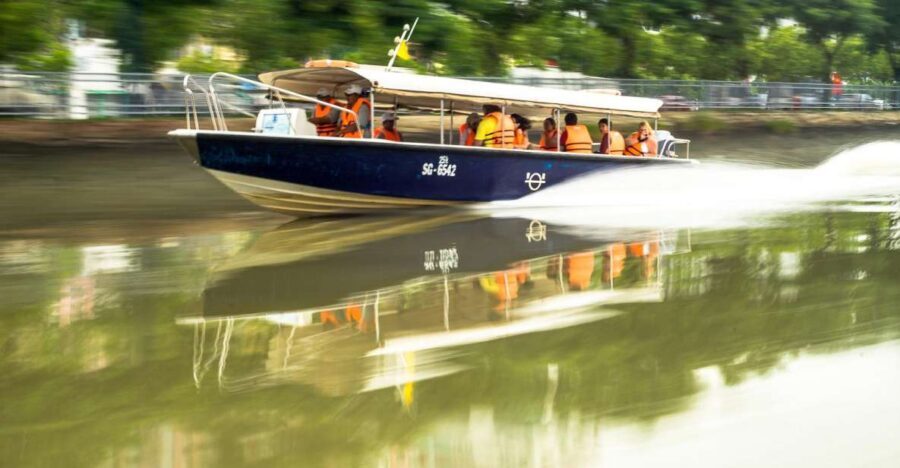
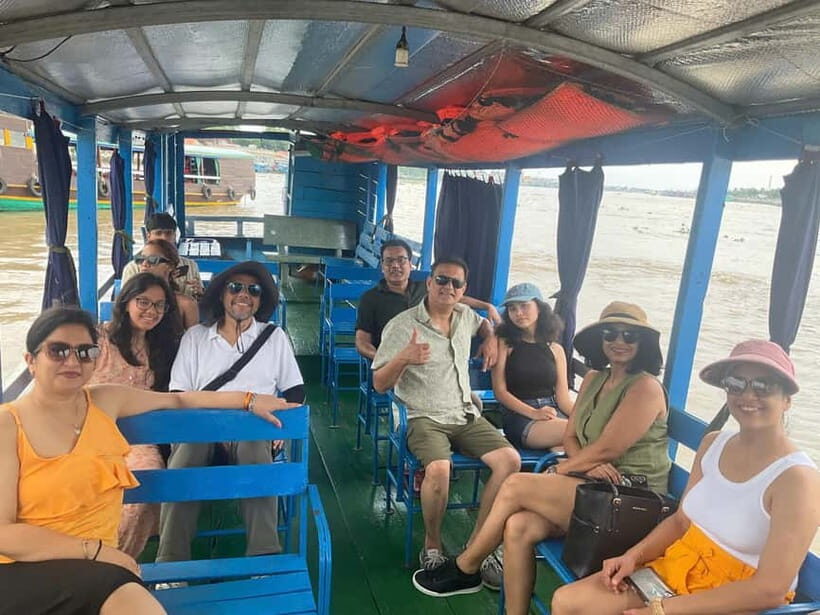
After the pagoda, you go to the pier and board a cruise ship along the Tien River toward Ben Tre. This is a nice transition: the ride shifts you from road scenery to river scenery, and it helps you settle into Delta time.
Ben Tre’s coconut candy stop is one of the most “tactile” parts of the day. You’ll visit a coconut candy production facility, watch how the candies are made, and then enjoy the taste. This matters more than people expect. Coconut candy is not just a sweet snack here; it’s tied to local agriculture and traditional craft work, which is why it’s a popular stop on Mekong tours.
If you like food crafts, focus on the process stage: you’re not just buying a product, you’re seeing how raw materials get turned into something shelf-stable and gift-worthy.
Rowboat canals, nipa palms, and the shade-and-fruit rhythm of the Delta
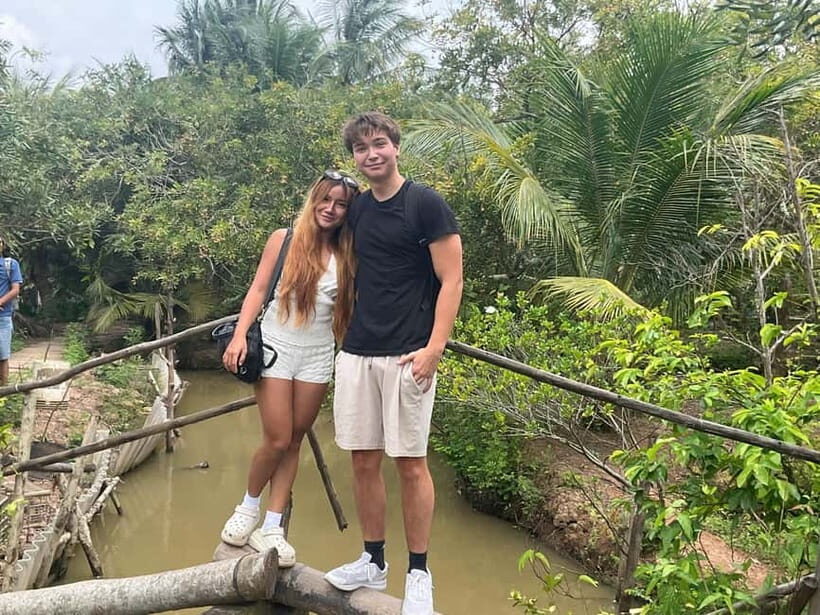
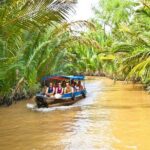
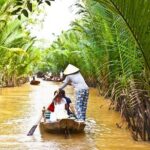
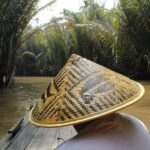
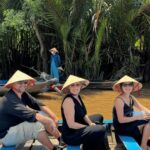
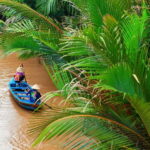
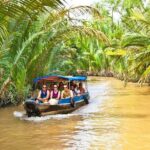
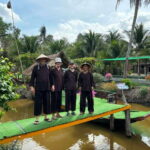
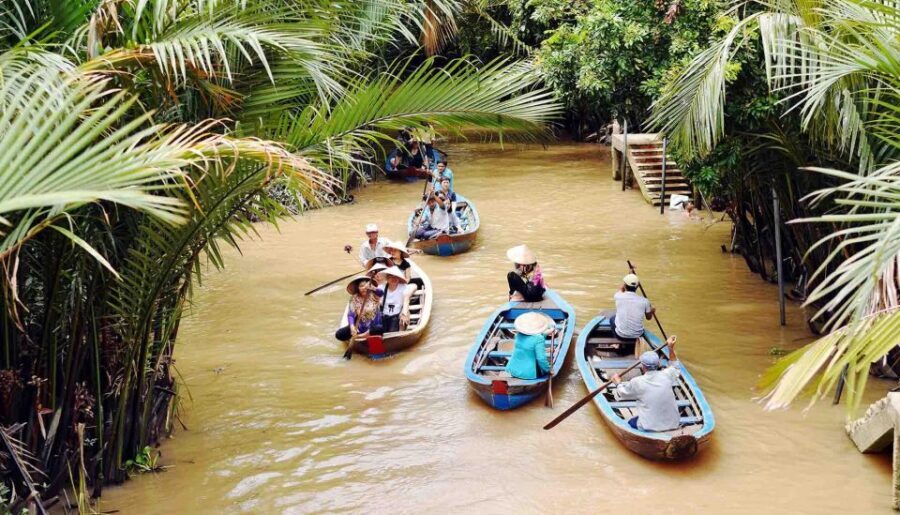
Next comes one of the best “this is why people come” segments: rowing boat travel through small canals. You follow the waterways lined with rows of nipa palms, and you can feel the difference right away. It’s quieter, and the shade makes the whole experience more comfortable.
Your guide may point out different tree species along the route, including Ban trees and Acanthus trees (and you may hear other names during the canal walk). Even if you can’t remember every term, the big idea sticks: the Delta isn’t only boats and houses. It’s a living system of plants that support shade, fruit growth, and daily life.
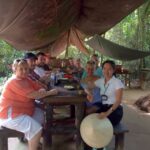
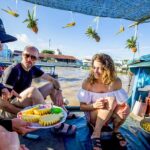
Along the way you’ll also have the chance to enjoy fresh fruit and experience cultural moments tied to the journey, including folk music interaction. A honey tea break is also part of the experience flow, which is welcome after time in the sun.
One small caution: canal segments can involve sitting in a boat for a bit. Bring patience, and don’t fight the rhythm. This is a “watch and relax” part of the itinerary.
A few more Ho Chi Minh City tours and experiences worth a look
Con Phung tourist area: lunch plus countryside time on the island
At noon you visit Con Phung tourist area for lunch. This is a major pivot point in the day: after water travel and canal work, you get a more open-air break.
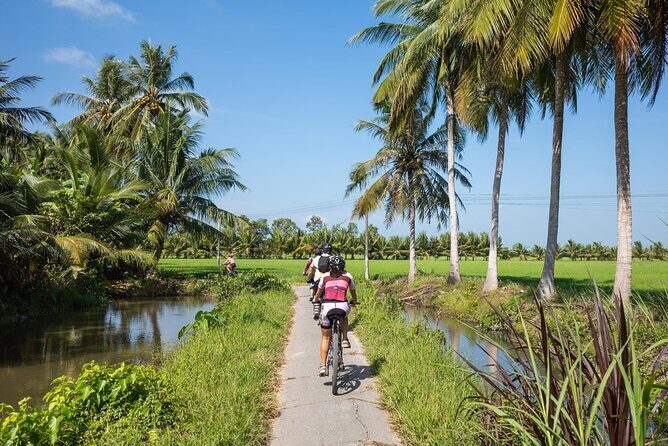
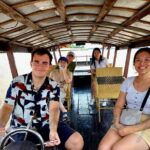
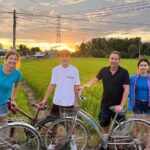
A highlight here is the optional countryside pace. You can ride a bicycle around the countryside on the island, passing fruit orchards. Depending on the season, you may see fruit like longan, mango, rambutan, and plum.
Why this works: it turns the Delta into something you can physically move through. Instead of watching from a boat, you’re traveling slowly by bike, noticing orchard layout, shade patterns, and how close food production is to where people live.
If you choose the bike option, wear sandals or shoes that stay stable, and keep an eye on where the path is uneven. It’s not a cycling race; it’s countryside cruising.
Can Tho at night: your hotel base after a full day
Once you head from My Tho area to Can Tho, you check in to your hotel. Dinner is on your own, which gives you freedom to choose what fits your energy level.
This is a good evening for simple exploration. You’ve already had a long day of boats and lunch stops, so aim for low effort: a walk, a casual meal, and early sleep if you want to feel fresh for Cai Rang the next morning.
If you’re the type who likes photos, daylight-to-night changes can be interesting here too. Just don’t plan anything “must-do” that requires big stamina. Tomorrow is the big market morning.
Cai Rang floating market: how river trade looks from the water
Day two starts with breakfast, then you head to the pier by car and board a boat for Cai Rang floating market. It’s one of the largest floating markets in the Mekong Delta, and the main value is seeing Southern Vietnam’s river trading culture at work.
This is not a museum. Boats float by, sellers organize their goods, and the whole place works as a moving marketplace. What you’ll enjoy most is the flow: products, conversations, and the practical way people run errands and business from the river.
Practical tip: go with the expectation that you’ll spend more time watching than photographing. The best market moments are quick. If you’re always aiming the camera, you might miss the rhythm.
Seasonal orchard time and the noodle oven moment
After the floating market, the tour includes free time at a seasonal orchard, which gives you a break from boat life and a change of scenery. Even though you might not be told every fruit variety in detail, the orchard stop is useful because it’s cooler and slower than the market and river.
Then there’s the noodle oven stop. You’ll see steps of making noodles and then have the option to try unusual noodle dishes, especially noodle pizza—at your own expense.
This is a great stop if you like food demonstrations because it’s simple and visual. You can understand the process even without language skills. If you’re not hungry, you can still watch; if you are hungry, noodle pizza is the kind of fun “try it once” dish that fits the tour theme.
Tip: keep some cash for optional food and snacks, since not everything is included.
Price and what you actually get for $98
At $98 per person, this tour sits in the “good value” zone for a 2-day, 1-night Mekong experience—mainly because key logistics are covered.
What’s included:
- pickup and drop-off at the center of Ho Chi Minh City
- air-conditioned transportation (car/minivan)
- an English speaking guide
- standard hotel (in Can Tho)
- sightseeing tickets for the program
- 2 lunches + 1 breakfast (dinner on day 1 is not included)
- boat ticket for Cai Rang floating market
- mineral water: 2 bottles per day
- travel insurance
What’s not included:
- hotel services and attraction services outside the listed program
- meals outside the included ones
- dinner on day 1
- public holiday surcharge
- single room surcharge: 600,000 VND/person
- any costs for other languages
If you’re comparing options, the biggest value lever is the included overnight plus the guided transport between all the major stops. The included meals also reduce decision fatigue.
Group vs private: which one makes sense for you
You can choose between a group tour or a private tour.
A group tour usually makes sense if you like meeting others and you’re okay with a set schedule. It can also be a budget-friendly way to do the Mekong Delta without managing logistics.
A private tour can fit better if you care about flexibility, have kids who need extra attention, or want quieter pacing. If you’re sensitive to time, private often feels easier because you can ask for small adjustments.
If you’re unsure, decide based on your tolerance for waiting and group timing. Boats and markets have set rhythms, but time on roads and in between stops is where “group vs private” really shows.
Practical tips so the itinerary feels smooth
Here’s how to make this kind of Delta tour feel easy, not exhausting:
- Wear light layers: mornings can start cool-ish, but afternoons heat up fast.
- Bring sun protection: hat and sunscreen matter, especially during canal and orchard time.
- Pack a small snack buffer: included meals are covered, but optional food like noodle pizza is extra.
- Bring cash for add-ons: not everything at the market and noodle stops is included.
- Expect a “move-and-pause” schedule: cruise, rowboat, lunch area, orchard, then hotel, then market morning.
- Stay hydrated: you’ll get bottled water, but you should still drink regularly.
One more tip from how the experience is guided: ask questions early. On day one, our guide Phuoc was described as highly capable and answered questions in detail, though there were moments where the explanation pace felt distracted (like focusing on a map). On day two, Leo was energetic and helped with a younger kid, but the explanations around the coconut candy production can feel more like describing the steps than going deep into context. If you care about more story, it helps to ask direct questions and keep your expectations focused on what you can see.
Should you book this Mekong Delta tour?
If you want a classic, structured Mekong Delta experience in two days with major stops—Vinh Trang Pagoda, Ben Tre coconut craft, rowboat canals, and Cai Rang floating market—this is a strong choice.
Book it if:
- you want guided transport and don’t want to plan boats and timing yourself
- you like a mix of food, culture, and water scenery
- you’re okay with a full schedule and a couple of early starts
Consider skipping or choosing private if:
- you hate busy days and long transitions
- you want deep, uninterrupted commentary at every stop (some parts may be more hands-on than explained)
FAQ
What’s the duration of the Mekong Delta tour?
It runs for 2 days and 1 night, including meals as listed in the package.
Where does the tour pick up and drop off?
Pickup and drop-off are included at the center of Ho Chi Minh City.
Which floating market is visited?
The tour includes a boat visit to Cai Rang floating market on day two.
What are the main sightseeing stops?
Key stops include Vinh Trang Pagoda, a coconut candy production facility in Ben Tre, rowboat canals via small canals, Con Phung tourist area, and the noodle oven.
What meals are included?
You get 2 lunches and 1 breakfast. Dinner on day 1 is not included.
Is transportation included?
Yes. The package includes transportation by air-conditioned car/minivan.
Is the hotel included?
Yes. It includes a standard hotel in Can Tho for the overnight stay.
What languages are available for the tour?
The tour is offered in English, Chinese, French, Japanese, and Spanish.
Is there a single room surcharge?
Yes. A single room surcharge of 600,000 VND/person applies.