REVIEW · HO CHI MINH CITY
Ho Chi Minh: Southern Vietnam 4-Day Authentic Mekong Farm Trip
Book on Viator →Operated by Vietnam To Travel · Bookable on Viator
Mekong life, without the tourist rush. This 4-day southern Vietnam trip is built around farm homestays, slow river moments, and hands-on activities like kayaking and cooking with locals. You start with a detour to Cu Chi Tunnels, then move deep into the Mekong’s countryside—cycling through rice fields, exploring narrow canals, and ending with boat rides and temple stops in Soc Trang.
I love how practical this feels: you’re not just watching from the sidelines. I also like the guide team—Chow and Pablo come up again and again in the feedback for being good-English, question-friendly, and genuinely attentive, with enough humor to keep a busy schedule from feeling like a grind.
One possible drawback: it’s an active itinerary. You’ll be on bikes and boats, and at least parts of it involve hands-on water time (like fishing and even swimming). If you want a mostly sitting-around trip, this may feel like too much.
In This Review
- Key highlights worth planning for
- Why this Mekong trip feels more like daily life than a checklist
- Day 1: Cu Chi Tunnels sets the tone, then you slide into the delta
- Long An Province: cooking, cycling, pagoda, and narrow-canal kayaking
- Day 2 in Ca Mau: sunrise energy, market breakfast, and mangrove water time
- Day 3 in Nam Can: mangrove canals, shrimp farms, and hands-on lunch
- Day 4 in Soc Trang: boats, Tac Say Cathedral, and the Clay Pagoda
- Food, guide style, and the small comfort details that make it workable
- Price and value: is $719 fair for this kind of 4-day Mekong circuit?
- Who this trip is best for (and who should look elsewhere)
- Quick planning tips so your trip goes smoothly
- Should you book this Mekong Farm Trip from Ho Chi Minh City?
- FAQ
- How long is the Ho Chi Minh Southern Vietnam 4-Day Authentic Mekong Farm Trip?
- Is pickup included from Ho Chi Minh City?
- Is this tour private?
- What activities are included during the trip?
- Can the tour accommodate dietary restrictions?
- Does this trip depend on weather?
Key highlights worth planning for
- Hands-on Mekong farm life with cooking, rice-field work, fishing, and local-market visits
- Ca Mau mangroves and river timing, including sunrise-style activities and a sunset motorboat outing
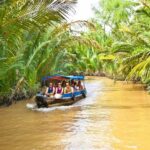
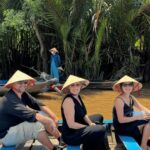
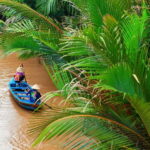
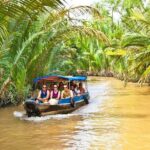
- Kayak and motorboat days that put you in narrow waterways rather than big, tour-bus routes
- Cu Chi Tunnels included, giving you a historical anchor before the delta takes over
- Comfort details that matter, including mosquito-netting in the rooms and A/C where listed
- Dietary needs handled, with options like vegetarian, vegan, and gluten-free noted
Why this Mekong trip feels more like daily life than a checklist
The Mekong Delta gets oversold as scenery. This itinerary leans the other way. You spend most of your time on land that smells like crops and water that feels practical—canals you can kayak, markets where you can pick up ingredients, and family-style meals that connect to what you just did.
What helps is the mix of small, different activities. One day might be cycling through rice-growing areas and then dropping into a narrow canal with a paddle. Another day is all about mangrove navigation by boat, plus aquaculture farms and a market stop before you cook lunch. It’s not random. It’s the delta’s rhythm: food production, river transport, and local craft.
And yes, the guides matter. Multiple guest comments point to Chow and Pablo as energetic, polite, and open with questions, with English strong enough to keep explanations clear. That’s the difference between being taken somewhere and actually understanding what you’re seeing.
The other thing I like: it includes a war-site day up front. That sounds heavy, but it gives your later countryside experience more context. War and rivers are tied together here—people lived, fought, and recovered around these waterways. You don’t have to know the whole history before you go; you just need enough time to absorb it without rushing.
Other Mekong Delta tours from Ho Chi Minh City we've reviewed
Day 1: Cu Chi Tunnels sets the tone, then you slide into the delta
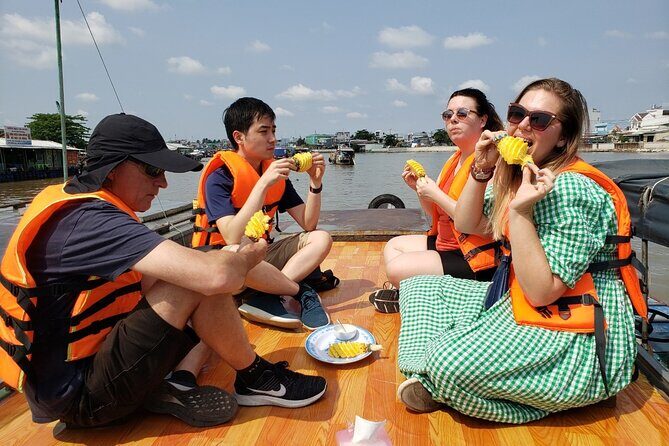
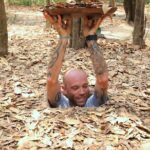
You start with an 08:00 pickup from your hotel and a drive to Cu Chi Tunnels. The focus is the underground system used during the war. It’s listed as having free admission for the included item, and the day is built so you’re not trapped in Ho Chi Minh City all afternoon.
Practically, this is a long day. You do tunnels in the morning, then you head south. The itinerary shows a drive toward the Mekong Delta with a check-in at Family Tiny Garden Homestay around 12:50.
Why that order works: it prevents the trip from turning into pure “nature sightseeing.” Even if you’re not into history museums, Cu Chi is the kind of place that changes how you read Vietnam’s geography. Later, when you’re on canals and mangrove waterways, you’ll likely think about how rivers can be both a lifeline and a line of movement—past and present.
Potential drawback: if you’re sensitive to war content, this is not a soft start. Also, it’s a full swing from a concentrated, indoor-feeling site (tunnels) to countryside travel and check-in. Build in patience for the day’s pacing.
Long An Province: cooking, cycling, pagoda, and narrow-canal kayaking
After the first check-in, the itinerary moves into Long An Province with a big afternoon program. This is where the trip starts feeling like a working landscape instead of a postcard.
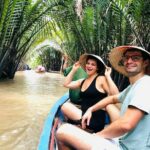
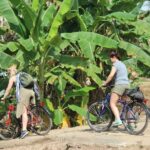
You get a cooking class, plus cycling through rice fields and a visit to Xom Trau Pagoda. The program also includes an underground relic stop, then kayaking through narrow canals. On top of that, it lists rice transplanting and fish catching activities.
That’s a lot in one day, but the variety is the point. You’re not only moving through the area—you’re participating in how the area produces food and how people live alongside the water. Cycling through rice fields gives you the spacing and feel of farm plots. Kayaking then shows you how canals connect those plots to each other.
For your planning, here’s what matters most:
- Expect mud-friendly, active time. Rice-related work can mean wet ground. Plan your footwear like it’s not an airport day.
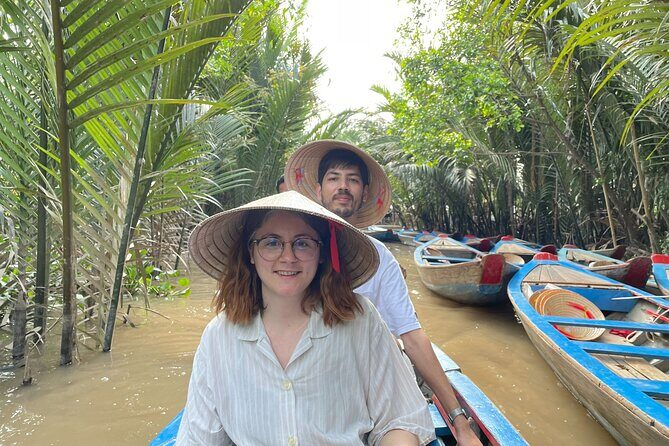
- The kayaking is through narrow canals, so you’ll want to take it slow and watch your footing and balance when stepping in and out.
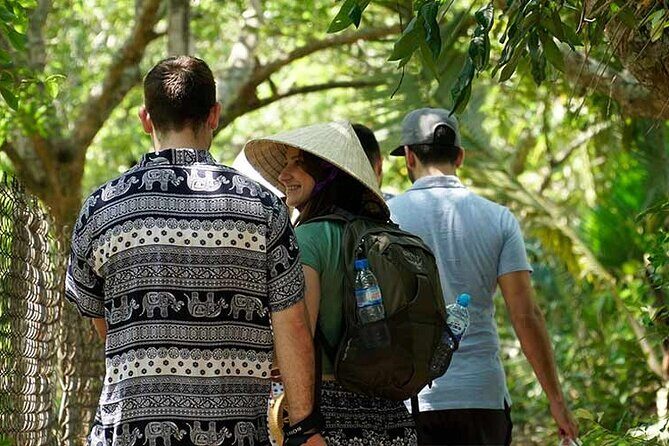
- You’ll likely take photos that look less like “tour group shots” and more like real moments—someone at work, food being prepared, and water routes you can understand.
Also note the tone from the guide feedback: Chow is repeatedly described as question-friendly, and the schedule is reportedly paced without feeling like you’re being rushed out the door every 20 minutes. That helps with a day this packed.
Day 2 in Ca Mau: sunrise energy, market breakfast, and mangrove water time
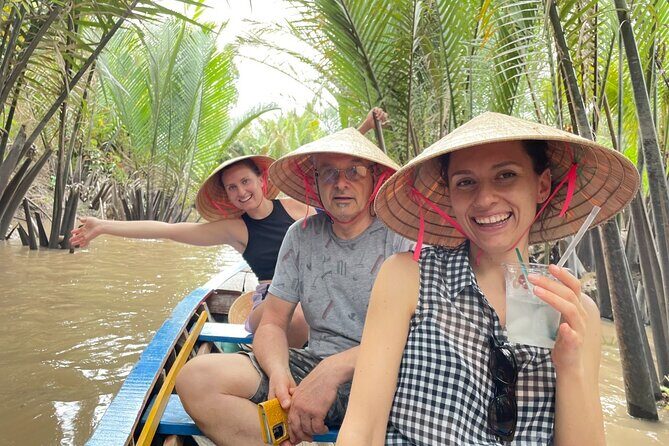
Day 2 begins early, at 06:00 AM, with sunrise cycling or an orchard visit. After that, the program includes a local market stop for breakfast and coffee.
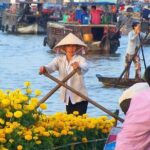
This part is worth taking seriously, because it sets the emotional temperature of Ca Mau. A market before the crowds (or before the day heats up) gives you more than food—it gives you a sense of what people actually buy and eat. Even if you don’t read everything in signage, you’ll feel the place.
Then the day shifts into water mode: 08:00 AM kayaking is on the schedule. Later, you depart for Ca Mau at 09:30 AM, with lunch on the way.
The day ends with a motorboat outing: at 04:30 PM, you go to watch the sunset on Tam Giang (as listed). That’s a nice bookend because it turns the day’s effort into a reward.
What you’ll probably love here is how the itinerary balances “effort” with “view.” Cycling and kayaking can be tiring. The sunset stop helps you decompress.
What to consider: Ca Mau is also where you’re most exposed to weather. The experience is listed as requiring good weather, and that’s not just a legal line. If rains or wind hit, river trips can shift. If you hate plan changes, choose dates with a little flexibility.
Day 3 in Nam Can: mangrove canals, shrimp farms, and hands-on lunch
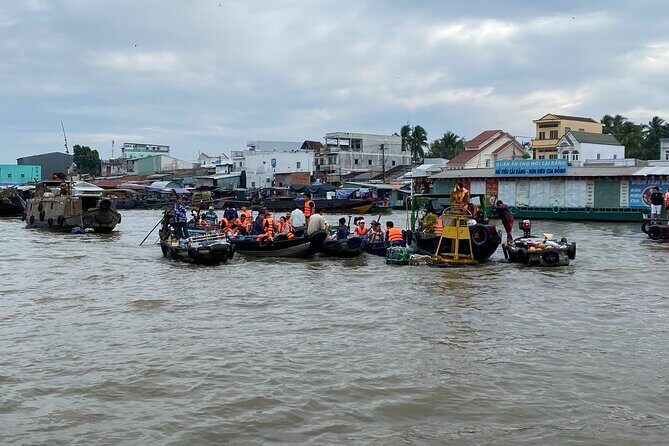
Day 3 is based around Nam Can, and it starts with breakfast before you head out.
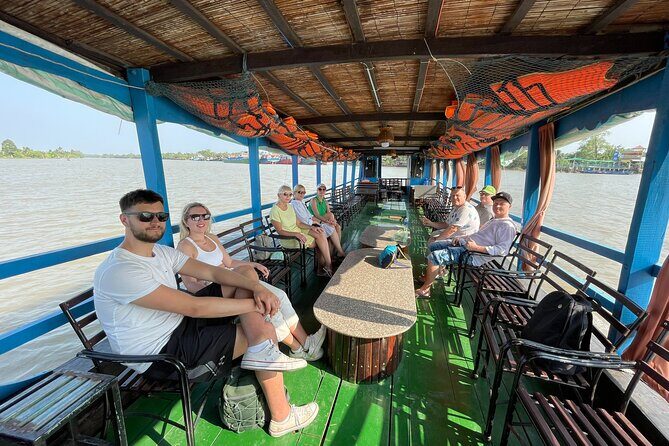
The morning includes a motorboat exploration of mangrove canals and visits to shrimp and aquaculture farms. You also stop at a market, then you cook lunch with locals.
That combination—mangroves + aquaculture + market ingredients + cooking—creates a full loop. You see the environment, you see what the environment supports, then you taste the result. It also helps you understand why mangroves matter beyond “pretty trees.”
In the afternoon, the program leans more physical again. You’ll go fishing, then there’s a water activity listed as swimming to find clams/oysters. The day finishes with a BBQ dinner.
This is the part that most clearly separates this trip from slower Mekong tours. If you’re comfortable with water and you like doing things yourself, it’s a highlight. If you prefer dry-land experiences, you’ll want to go in with a realistic mindset and ask your guide what level of participation is expected for each activity. The data says most travelers can participate, but “most” doesn’t mean “everyone will love every moment.”
What I’d call a practical tip: pack for comfort and keep an eye on footwear and skin protection. Water days mean you’ll deal with sun exposure and dampness.
Other authentic, local-life Mekong tours we've reviewed



Day 4 in Soc Trang: boats, Tac Say Cathedral, and the Clay Pagoda
Your final morning begins at 08:30 AM in Soc Trang Province, with a motorboat → bus transition. That’s a nice reminder that this trip keeps crossing the delta in different ways—small waterways in the earlier days, then a larger transport move as you head toward the end.
You visit Tac Say Cathedral (Father Diep’s Church) and the Clay Pagoda. Then it’s lunch, and at 01:30 PM you drive back to Ho Chi Minh City, arriving around 05:30 PM.
This day feels more “cultural and place-based” than the farm days. It’s also a good way to end without exhausting yourself with one more kayaking session.
Why it works: the earlier days teach you how the region functions. This last block gives you a few anchors—specific religious buildings and distinctive local sites—so the trip ends with more to remember than simply boat routes.
Food, guide style, and the small comfort details that make it workable
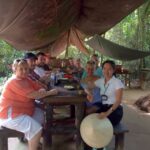
Food is a major component here, but it’s not just “someone cooks for you.” You’re also learning it. The itinerary includes cooking classes in Long An and cooking lunch with locals in Nam Can. Add to that the market visits, and you get ingredients from the places you’re already exploring.
This matters because the Mekong can be easy to misread if all you do is taste. When you cook with local guidance, you understand what people consider normal. It also makes meals feel tied to the day instead of tacked on.
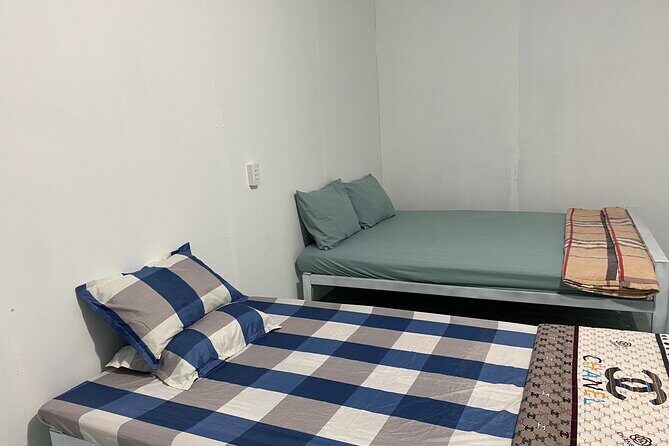
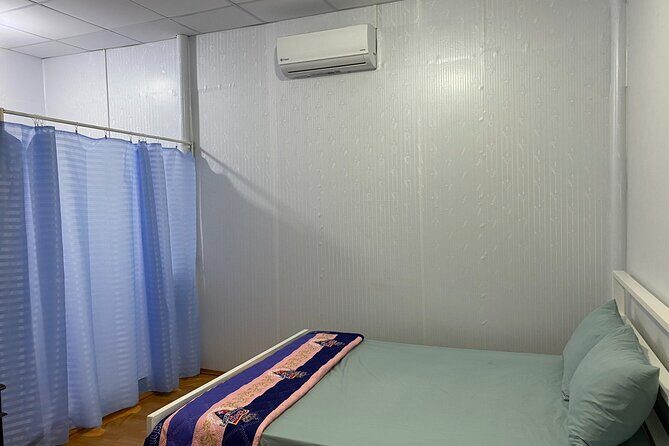
Comfort-wise, the feedback includes mentions of rooms with mosquito nets, plus the tour listing notes A/C. That might sound like a basic detail, but on multi-day trips in warm climates, it’s not trivial.
Dietary needs are also explicitly supported: the experience states you can request vegetarian, vegan, gluten-free, and similar diets. So if you’ve had trouble with food flexibility on other Vietnam tours, this is an area where this one clearly tries to accommodate.
Finally, the guide tone is one of the most praised aspects in the feedback. Chow is described as funny, energetic, and polite—plus attentive to questions. That kind of guide presence can turn a tight schedule into a feel-good day instead of a rushed one.
Price and value: is $719 fair for this kind of 4-day Mekong circuit?
At $719 per person for about 4 days, this isn’t a budget half-day add-on. You’re paying for a package that combines:
- multiple forms of transport (pickup, driving segments, motorboats, kayaking, cycling)
- hands-on farm activities and cooking
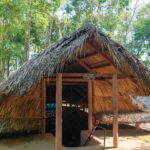
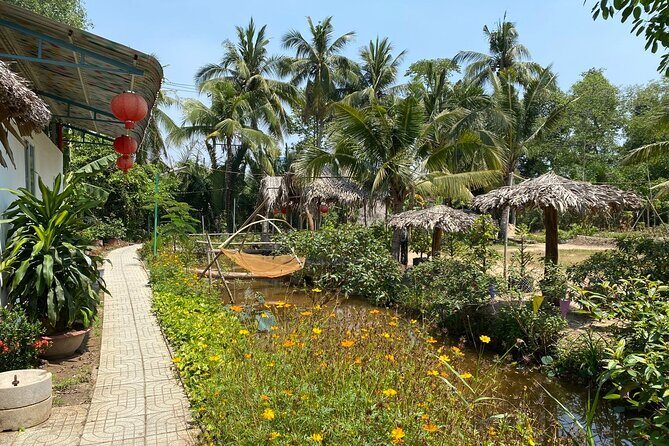
- homestay lodging (Family Tiny Garden Homestay is listed)
- included items that show up as admission tickets free for specific stops
- a private tour setup where only your group participates
The value question depends on what you want from the Mekong Delta. If you want a comfortable, minimal-effort sightseeing tour, there are cheaper options. But if you want real interaction—food prep, market time, paddling canals, and farm-life tasks—this price starts to make more sense.
Also consider timing. It’s listed as commonly booked around 52 days in advance. That suggests demand, which often means the best dates go first. If you know you want this experience, plan ahead rather than assuming you can pick any day at the last minute.
One more reality check: because the itinerary is active and water-based, you’ll get the best value if you’re willing to participate fully and handle weather changes. If the forecast is unstable, the trip can be adjusted or swapped based on weather suitability.
Who this trip is best for (and who should look elsewhere)
This tour is a strong match if you:
- like nature + hands-on activities (cycling, kayaking, fishing, cooking)
- want real countryside contact instead of only viewpoints
- are into photography where you can shoot people-at-work, not just empty scenery
- appreciate a guide who talks through what you’re seeing and answers questions (Chow and Pablo earn strong praise for this)
It’s less ideal if you:
- want a mostly restful pace
- dislike water activities or do not want to swim
- prefer to avoid heavier historical stops like Cu Chi Tunnels
For fitness expectations, the experience says most travelers can participate. Still, “can” and “will enjoy” aren’t the same. Plan on being active for several hours on multiple days.
Quick planning tips so your trip goes smoothly
Based on what’s actually scheduled, I’d plan for a trip that includes sun, water, and hands-on farming. A few practical things help:
- Bring swim-ready gear if you want to take part in clams/oysters time and kayaking comfortably.
- Wear shoes you don’t mind getting wet during canal and fishing moments.
- Use insect protection. Even with mosquito nets at the homestay, daytime outdoors can still be buggy.
- Keep a simple mindset about pacing. This itinerary moves fast, but it’s designed so each activity connects to the next.
And don’t overpack. You’ll be doing a lot with your hands and moving between boat, bike, and meals. Light and sensible wins.
Should you book this Mekong Farm Trip from Ho Chi Minh City?
If your dream Mekong Delta trip includes boats, bikes, cooking, and farm work, I think this is worth serious consideration. It’s not just a tour route through the countryside. It’s built as a sequence of experiences that help you understand how people live with rivers and mangroves.
I’d only hesitate if you’re looking for a slow, comfort-first vacation or if water activities are a hard no. Also, remember Day 1 includes Cu Chi Tunnels, so it’s emotionally more intense than a pure nature-only itinerary.
If you go with the right expectations—active, outdoorsy, and curious—this is the kind of Mekong trip that tends to stay with you.
FAQ
How long is the Ho Chi Minh Southern Vietnam 4-Day Authentic Mekong Farm Trip?
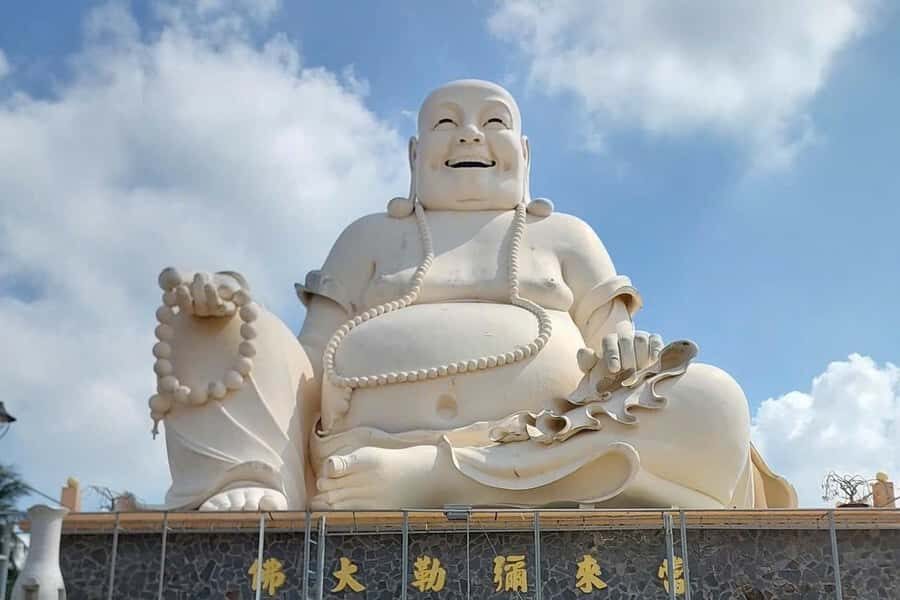
It runs for 4 days (approximately).
Is pickup included from Ho Chi Minh City?
Yes. Pickup is offered from your hotel area.
Is this tour private?
Yes. It’s listed as a private tour/activity, meaning only your group participates.
What activities are included during the trip?
The program includes a mix of kayaking, cycling, cooking with locals, fishing, and other farm-style activities such as rice transplanting and fish catching. It also includes mangrove exploration in the Ca Mau area and visits to Cu Chi Tunnels and sites in Soc Trang.
Can the tour accommodate dietary restrictions?
Yes. The experience states it can accommodate dietary needs such as vegetarian, vegan, and gluten-free. You should indicate requirements when booking.
Does this trip depend on weather?
Yes. It’s listed as requiring good weather. If canceled due to poor weather, you’ll be offered a different date or a full refund.