REVIEW · HO CHI MINH CITY
Ho Chi Minh: Adventurous Mekong Delta Full Day Tour
Book on GetYourGuide →Operated by Vietnam Travel Group VNTG · Bookable on GetYourGuide
The Mekong Delta is a full reset from the city. This day trip mixes rivers, pagodas, hands-on coconut work, and Southern folk music, all for a price that won’t scare your budget. Ho Chi Minh City fades behind you fast, replaced by canals, coconut shade, and slow river life.
Two moments I really liked were the wooden boat cruise on the Tien River and the Don Ca Tai Tu performance in the afternoon. The day isn’t just sightseeing; you also get tasting stops and a peek at how people actually live along the waterways.
One drawback to consider: it’s a full day with long drives and multiple rides on water, so it’s not the best fit if you have motion sickness. Plan for heat, insects, and a long stretch without much control over timing once you’re out on the route.
In This Review
- Key highlights you’ll actually feel during the day
- From Ho Chi Minh City to the Mekong: why this day works
- Morning transfer: your 7:00 AM start and what changes on the road
- Vinh Trang Pagoda: architecture you can’t fake with a photo
- Qui Islet (Tortoise Island): the calm green break you need
- Tien River wooden boat cruise: stilt houses, fishing boats, and real rhythm
- Bao Dinh Canal to Ben Tre: canal time plus the farming system lesson
- Ben Tre coconut candy workshop: tasting something you can track to the tree
- Honey tea, tropical fruit gardens, and lunch: keep your energy steady
- Don Ca Tai Tu: Southern folk music with an audience-friendly payoff
- Sampan rowing: slow water, close views, and a bit of physical movement
- Price and value: how $26 adds up when transport and guide are included
- Who this tour fits best (and who should skip it)
- Practical tips that make this day smoother
- Should you book this Mekong Delta day tour from Ho Chi Minh?
- FAQ
- What time is pickup on this Mekong Delta full day tour?
- Where are the pickup and drop-off locations?
- How long is the tour?
- What is the price of the tour?
- Is the tour guide available in English?
- What’s included in the tour price?
- What is not included?
- What activities are part of the day?
- What should I bring or prepare before the tour?
- Is this tour suitable for everyone?
- What is the cancellation policy?
Key highlights you’ll actually feel during the day
- Wooden boat time on the Tien River with stilt houses and riverside villages passing by
- Vinh Trang Pagoda with Vietnamese, Khmer, and Chinese architectural styles
- Qui Islet (Tortoise Island) as a calm green break in the middle of the trip
- Ben Tre coconut culture including a coconut candy workshop and tasting
- Garden–Pond–Cage farming system that shows how locals plan for food and livelihood
- Don Ca Tai Tu folk music performance, a real slice of Southern Vietnam
From Ho Chi Minh City to the Mekong: why this day works
Ho Chi Minh City is fast. This tour gives you the opposite tempo. You start early and head toward My Tho and the Mekong region, watching urban scenery turn into rice paddies, village roads, and river views.
What I like about this format is that it’s structured like a journey, not a checklist. You get several “micro-worlds” in one day: a major pagoda, a quiet island stop, canal and river riding, then farming and food culture in Ben Tre. By late afternoon, you’re still moving, but it feels like you’ve transitioned fully into Southern Vietnam.
And for $26, the value comes from packing in transport, an English-speaking guide, and multiple guided stops. It’s hard to match that price if you’re trying to DIY the same route with separate boats and admissions.
Other Mekong Delta day trips we've reviewed

Morning transfer: your 7:00 AM start and what changes on the road
Pickup starts around 7:00 AM from your hotel in District 1 (and also District 3 and 4), or you may meet at Ben Van Don in District 4. The ride out is done in a clean, air-conditioned limousine, and you’ll get cool towels and mineral water along the way.
Why this matters: when it’s hot and humid (and it usually is), small comfort items make a big difference. Cooling down your face and neck helps you stay focused on what you’re seeing, instead of just thinking about getting out of the heat.
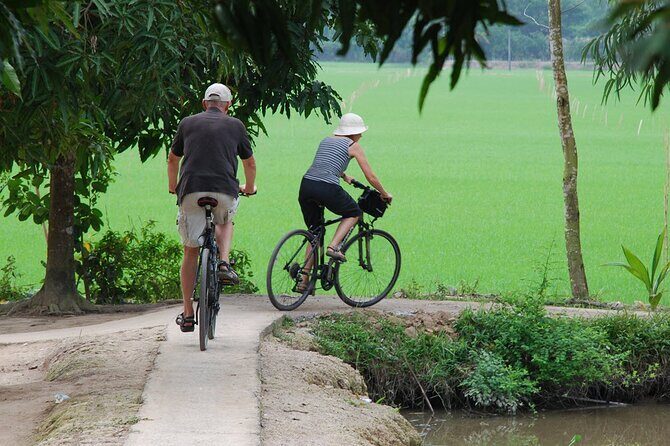
You’ll also notice your environment shifting as you move away from the city. The view changes from concrete and traffic to rice fields and smaller village scenery. Even if you’ve been to the Mekong before, this early leg helps you build momentum for the day ahead.
Vinh Trang Pagoda: architecture you can’t fake with a photo
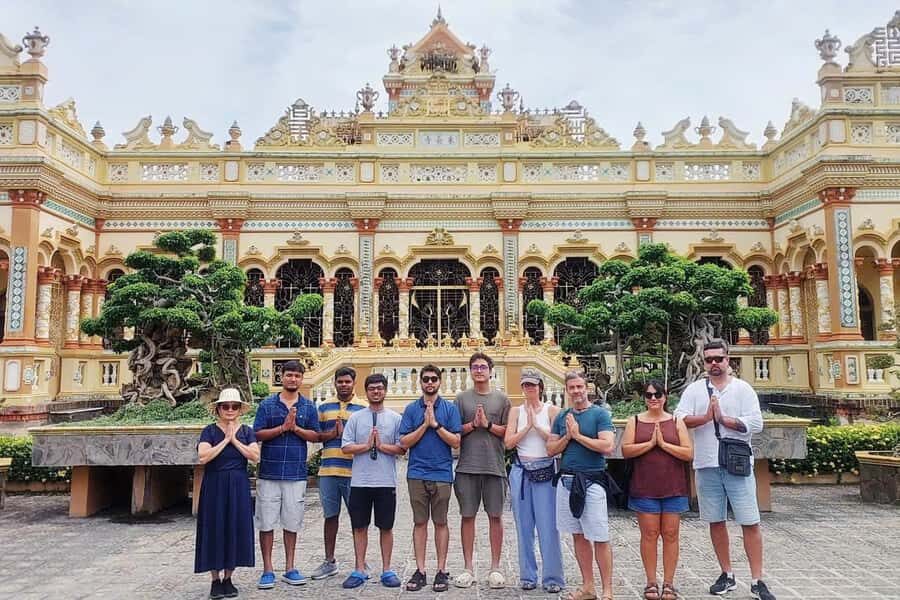
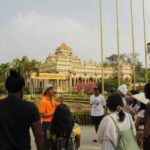
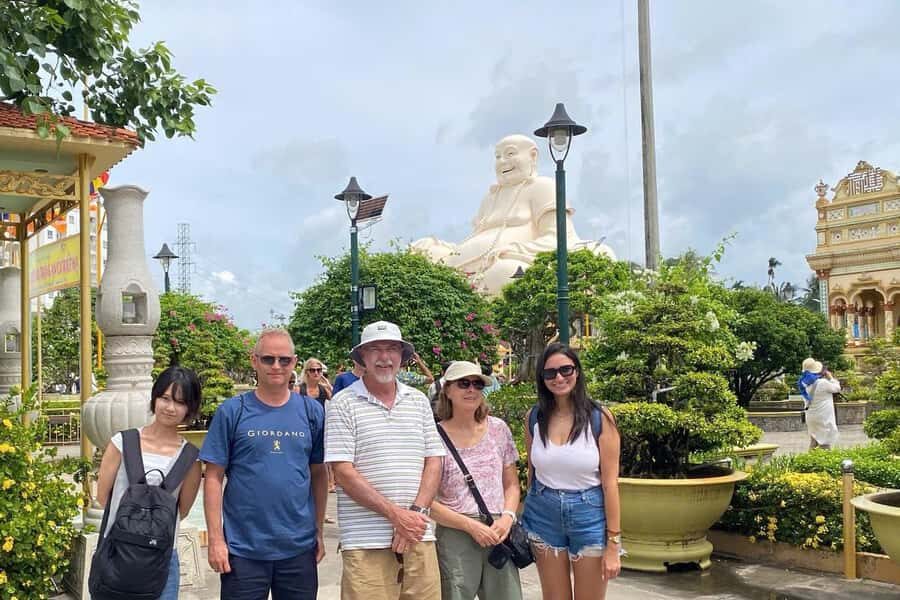
The first big cultural stop is Vinh Trang Pagoda. It’s known for blending Vietnamese, Khmer, and Chinese architectural styles, which makes it more than just a pretty entrance for your camera roll.
I like this kind of stop because it gives you context for what you’re about to see on the water and in the countryside. When you understand the religious and cultural mix in the region, the rest of the day feels less random. You’re watching a living culture, not just passing through.
Practical note: pagodas can involve walking paths and stairs. It’s worth wearing comfortable shoes, and you’ll want to keep an eye on insects and sun exposure as the day goes on. If you have a sensitive stomach, avoid rushing meals right before you start exploring.
Qui Islet (Tortoise Island): the calm green break you need
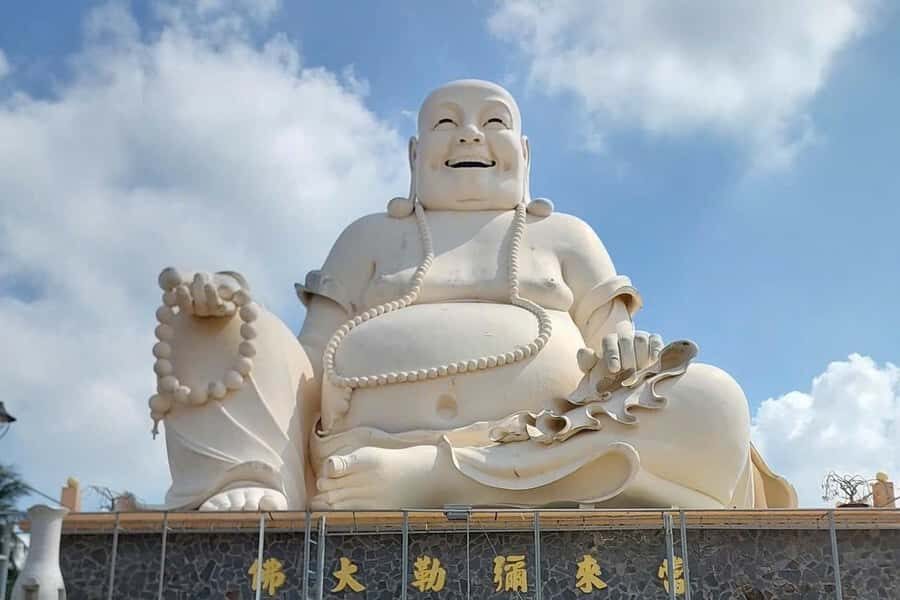
After the pagoda, you head to Tortoise Islet (Qui Islet). This stop is essentially your reset button: a peaceful green oasis where the pace slows down a notch.
This is valuable because the Mekong day includes both busy moments and quiet ones. The island stop helps you recharge before you go deeper into canal riding and Ben Tre Province activities. It also gives you a chance to look around and notice how river life sits alongside greenery.
The only “watch-out” here is time and weather. If it’s very sunny, spend short, sensible chunks outside and keep drinking your water. The tour includes mineral water, but you’ll still feel better if you pace yourself.
Tien River wooden boat cruise: stilt houses, fishing boats, and real rhythm
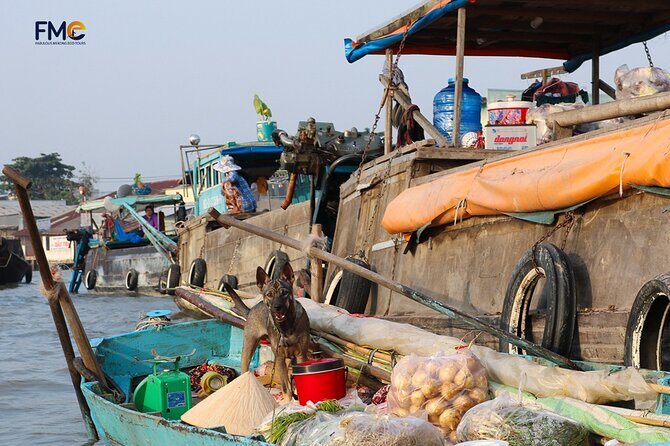
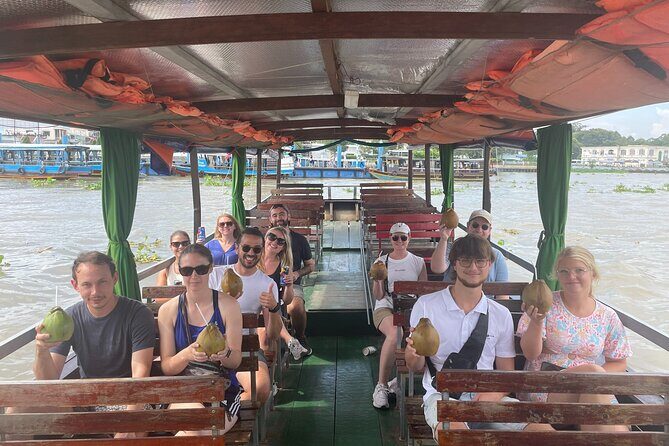
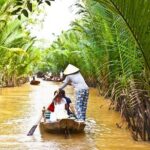
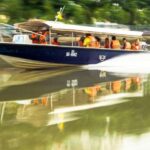
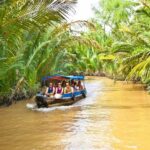
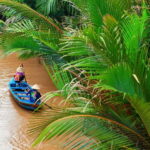
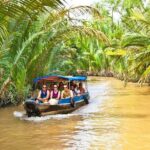
Next comes one of the signature parts: a scenic wooden boat cruise on the Tien River. You’ll pass stilt houses, fishing boats, and riverside villages—exactly the kind of everyday scenes that don’t show up when you stay only in city areas.
Why I think this is a strong choice: it’s not just “we sat on a boat.” It’s a moving viewpoint, and you get to see how people live along the waterline. The river here is not a backdrop. It’s the infrastructure.
You’re also likely to get a traditional feeling to the route through the stops, because the day doesn’t just swing from one place to another. It keeps returning to waterways as the connective tissue.
One consideration: boats and river air can trigger motion discomfort for some people, especially if you’re sensitive. If you already know you get motion sickness, take that seriously. This tour isn’t marketed as a good match for you.
Other Mekong Delta tours from Ho Chi Minh City we've reviewed

Bao Dinh Canal to Ben Tre: canal time plus the farming system lesson
From the river cruise, the tour continues through the Bao Dinh Canal into Ben Tre Province, described as the land of coconuts. Ben Tre is where the day starts to get more hands-on and practical.
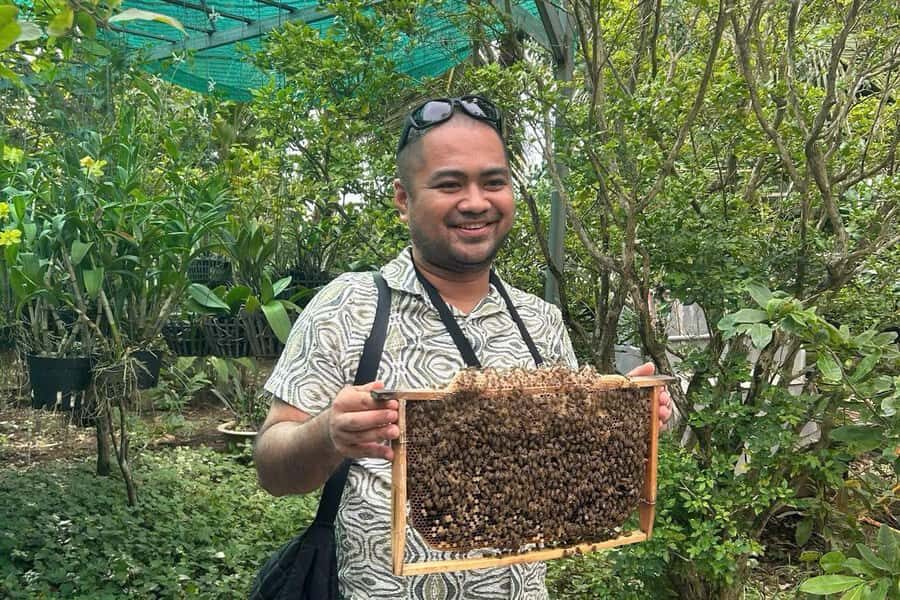
You’ll see the local Garden–Pond–Cage farming system—a smart, integrated way of producing food by mixing different elements. I like this because it turns “countryside scenery” into “how the region works.” Instead of asking what people do here, you’re shown how they structure daily life around land and water.
This part is especially good if you like understanding the logic behind what you’re seeing. You can connect it to your boat views and island stop: water isn’t separate from farming here. It’s part of the plan.
Ben Tre coconut candy workshop: tasting something you can track to the tree
The day includes a coconut candy workshop in Ben Tre, with tasting. This isn’t only a production demo. It’s a food culture stop that lets you experience the flavor the moment it’s made.
What makes this worth your time is the sensory loop: you see coconuts as part of a broader livelihood, and then you taste a product made from that same ingredient. You’re not just collecting souvenirs; you’re sampling a local specialty tied to the region’s identity.
If you have dietary needs, mention them ahead of time (especially allergies or vegetarian preferences). Even though the tour includes tasting, you still need a clear understanding of ingredients.
And yes, come hungry. Even with lunch later, coconut candy tasting is easiest when your stomach isn’t already battling the day.
Honey tea, tropical fruit gardens, and lunch: keep your energy steady
Along the way you’ll get to sip aromatic honey tea in the shade of coconut trees. Stops like this are simple, but they matter. They help you slow down, cool off, and re-set your energy before the next transport segment.
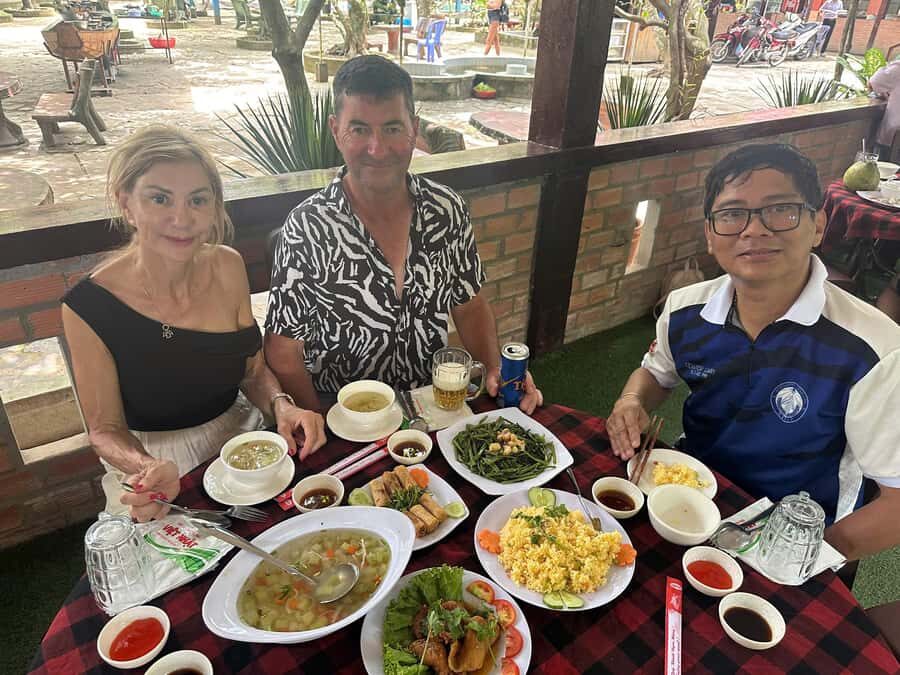
You’ll also have a traditional Vietnamese lunch at a local riverside restaurant, with regional specialties. Lunch isn’t just a break; it’s a way to experience regional flavors that match the river-and-farm setting.
In the afternoon, you’ll also explore tropical fruit gardens. This fits the theme of Ben Tre and gives you a taste of what people grow. The fruit stops aren’t listed as a full meal, so use them as tasting and observation rather than expecting it to replace lunch.
A small practical tip: the day is long, and it’s easy to get dehydrated. The tour includes mineral water, but you should also pace intake so you’re not scrambling later when you’re tired.
Don Ca Tai Tu: Southern folk music with an audience-friendly payoff
The afternoon ends with Don Ca Tai Tu, traditional Southern folk music. This is one of those cultural experiences that works well in a day tour because it’s structured, listenable, and emotionally engaging even if you don’t know the song history.
I like that this final cultural stop is different from the morning temple experience. Instead of architecture and sites, you’re experiencing sound and performance. It rounds out the day so it doesn’t feel one-note.
This is also a good way to land the trip emotionally. After all the rivers and coconut stops, folk music gives you a human connection—something you can carry home even if the exact details blur later.
Sampan rowing: slow water, close views, and a bit of physical movement
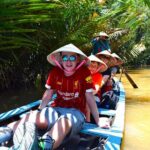
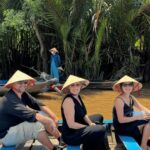
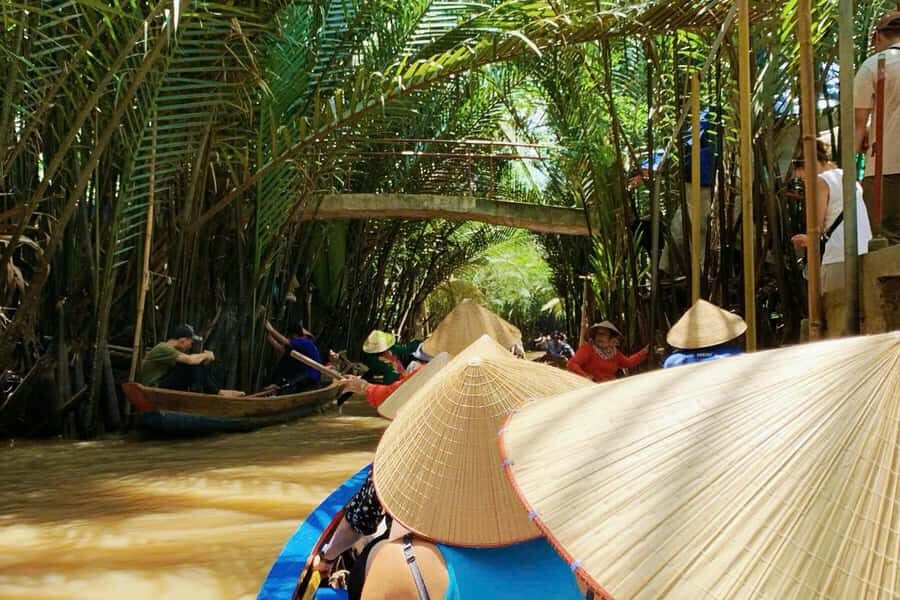
The program also includes traditional sampan rowing along peaceful riversides. This adds variety because the ride isn’t only on bigger boats. It feels more intimate and direct.
This part is meaningful because it changes your perspective. Instead of watching from a cruising boat position, sampan rowing keeps you closer to the waterline and the shoreline rhythm. It’s a simple shift, but it makes the environment feel more personal.
The only real caution here is physical comfort. If you have balance issues or you’re uncomfortable sitting on small boats for any length of time, plan accordingly. And again, motion sickness sensitivity matters.
Price and value: how $26 adds up when transport and guide are included
The price is $26 per person, which is unusually accessible for a full day with multiple guided stops. The included items help explain why the number works:
Included:
- English-speaking tour guide
- Cool towels and mineral water
- Travel insurance
- Government tax and service charge
- Pick-up and drop-off in District 1, 3, and 4
- Air-conditioned Limousine
Not included:
- Drinks and any meals not mentioned
Here’s how I think about value: you’re paying for transportation time, a guide to connect the stops, and organized boat/canal routing plus cultural performances. If you attempted this as separate bookings, you’d likely pay more in the gaps between services—especially for boat experiences and a planned return by around 17:30.
So for most people visiting Ho Chi Minh City, this is a strong budget-friendly way to get out to the Mekong region without spending your day negotiating details.
Who this tour fits best (and who should skip it)
This tour is best for you if you want a fast, well-structured Mekong day with a mix of:
- river scenery (Tien River cruise and sampan rowing)
- a major pagoda stop (Vinh Trang Pagoda)
- hands-on food culture (coconut candy tasting)
- a regional cultural performance (Don Ca Tai Tu)
You’ll likely enjoy it if you like variety: nature plus culture plus practical farming context. It’s also a good choice for people who don’t want to coordinate separate transport modes.
Skip or rethink if:
- you need wheelchair access (the tour is not suitable for wheelchair users)
- you have motion sickness (multiple water and travel segments make it risky)
- you want a very slow, unplanned day with lots of free time (this is scheduled and you’ll be moving)
If you’re traveling solo, this format can feel friendly because you’re not doing everything alone. One review specifically praised a small-group vibe and mentioned a guide named Jack for being helpful and not turning it into a hard-sell situation. If you’re lucky enough to get Jack, you’ll probably appreciate the same tone: practical, upbeat, and focused on sharing culture.
Practical tips that make this day smoother
- Bring a passport or ID card (required).
- Wear insect repellent, especially around river areas and shaded garden stops.
- If you have allergies or dietary requirements (vegetarianism, food allergies), tell the operator in advance so they can plan for tasting and meals.
- Wear comfortable shoes with grip for any pagoda paths and outdoor walking.
- Plan for heat. Even with cool towels and water included, you’ll want to dress for sun and humidity.
Also, keep your expectations realistic: this is a full-day route. If you try to treat every stop like a separate vacation, you’ll feel rushed. Instead, treat each stop as a chapter of one story.
Should you book this Mekong Delta day tour from Ho Chi Minh?
I’d book it if you want a budget-friendly Mekong introduction that still feels culturally grounded. The combination of Tien River wooden boat cruising, Vinh Trang Pagoda, Ben Tre coconut candy tasting, the farming lesson, and Don Ca Tai Tu gives you variety without turning the day into chaos.
I’d pass if you’re prone to motion sickness, need wheelchair-friendly logistics, or hate early mornings. The start is around 7:00 AM, and the day runs until about 17:30, so it’s not a casual stroll kind of outing.
If your goal is to leave Ho Chi Minh City with a clear sense of how people live around waterways in Southern Vietnam, this tour is a solid way to do it in one long, well-paced day.
FAQ
What time is pickup on this Mekong Delta full day tour?
Pickup starts at 7:00 AM. It’s from your hotel in District 1 or you can meet at Ben Van Don in District 4.
Where are the pickup and drop-off locations?
Pickup and drop-off are available in District 1, 3, and 4, including hotel pick-up, and Ben Van Don in District 4 as a meeting point option.
How long is the tour?
You’ll return to Ho Chi Minh City by approximately 17:30, with drop-off at your hotel or at Ben Van Don, District 4.
What is the price of the tour?
The tour price is $26 per person.
Is the tour guide available in English?
Yes. The tour includes an English-speaking tour guide.
What’s included in the tour price?
Included are the English-speaking guide, cool towels and mineral water, travel insurance, government tax and service charge, district 1/3/4 pick-up and drop-off, and a clean air-conditioned limousine.
What is not included?
Drinks and any meals not mentioned in the program are not included.
What activities are part of the day?
You can expect a Tien River wooden boat cruise, visits to Vinh Trang Pagoda and Tortoise Island (Qui Islet), travel through Bao Dinh Canal into Ben Tre, a coconut candy workshop with tasting, traditional sampan rowing, honey tea, a riverside lunch, tropical fruit gardens, and a Don Ca Tai Tu folk music performance.
What should I bring or prepare before the tour?
Bring your passport or ID card. Wear insect repellent. If you have dietary requirements such as allergies or vegetarianism, advise the tour ahead of time.
Is this tour suitable for everyone?
No. It’s not suitable for wheelchair users and not suitable for people with motion sickness.
What is the cancellation policy?
You can cancel up to 24 hours in advance for a full refund.